 Preview
 Send
Send Share
Share
 Details

 Download
 Similars
 X-Ray
X-Ray Diaporama
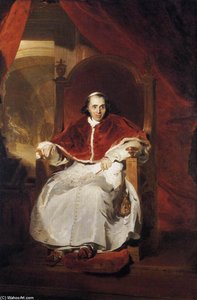
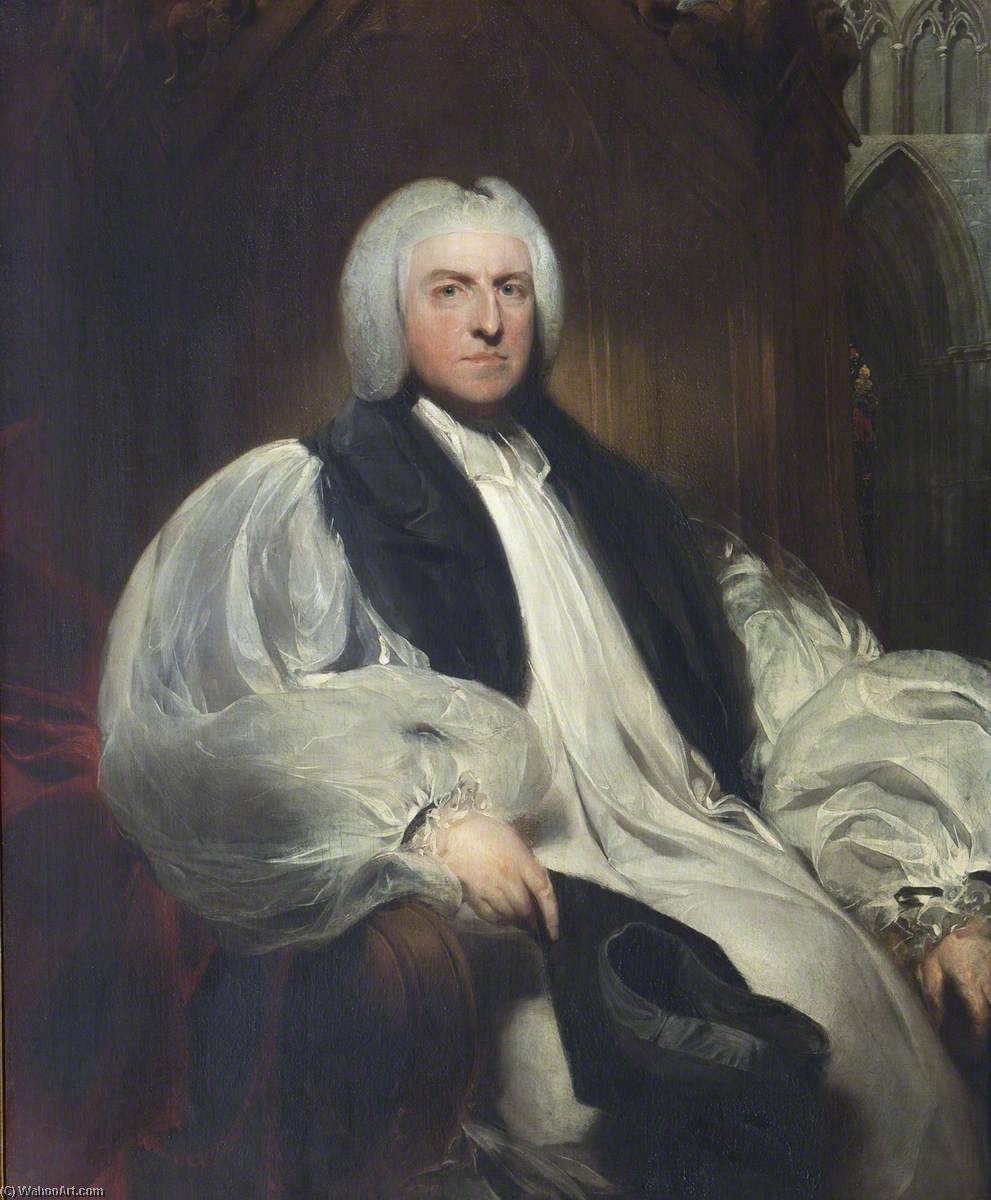
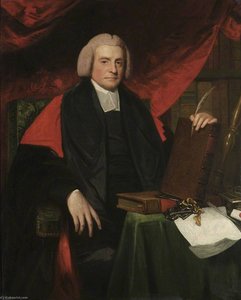
Shute Barrington (1734–1826)
 Oil On Canvas
- WallArt
- Regency Portraiture
 127.0 x 102.0 cm
 Merton College
 Read More
Hand Made Oil Reproduction
Hand-painted oil on canvas in your size and frame, made to order by our artists. ( Buy Print Buy Image)




P118B $10

P118H $10

P118W $10

P438Z $10

P508JH $12

P508YH $12

P805H $10

P805Z $10

P919BZ $10

P919G $10

P919XJ $10

P959ZH $10

P968JZ $12

W106C $8

W218G $10

W218JH $8

W218Y $10

W307PJ $10

W316G $10

W316PJ $8

W316Y $10

W398PJ $8

W4111J $10

W500HY $15

W500JH $15

W692G $12

W849H $8

W940BG $15

W953PJ $8




Pick from our preset sizes that match the artwork's original proportions.

You may enter your own dimensions to fit a specific frame or space. If your selected size does not match the original image's proportions, we will either crop the artwork or extend the painting with additional hand-painted elements. A digital mockup will be sent for your approval before production begins.
Please note that the on-screen preview does not reflect the actual cropping or extension. Only the mockup will accurately show the final composition.
While custom sizes are available, we recommend selecting a dimension from the predefined list to preserve the original proportions.
After order, ArtsDot.com team will email client for instructions and provide a mockup preview
Worldwide Delivery () in 3/4 weeks instead of standard 5 weeks. (17 August). No compromise on quality.

Free Worldwide Express Shipping

High-Quality Linen Canvas

Full Shipping Insurance

Customs Tax Refund Guarantee

True Color Matching Guarantee

60-Day Return Policy (Defects Only)

100% Money-Back Guarantee

Bulk Discount Offer
 Glass option is only available in size under 110 CM

Shute Barrington (1734–1826)
Reproduction Medium
Reproduction Size
-


Total Price
$ 263
Artwork Description
A Portrait of Dignified Authority: Shute Barrington by Sir Thomas Lawrence
Sir Thomas Lawrence’s “Shute Barrington” is more than simply a portrait; it's a meticulously crafted window into the heart of Regency England, capturing not just a likeness but also the weight of responsibility and quiet contemplation inherent in a man of the church. Painted around 1795, this impressive canvas offers a rare glimpse into the world of Bishop Shute Barrington, a figure of considerable influence within the Church of England during a period of significant social and political change. The painting immediately commands attention with its formal composition – a testament to Lawrence’s mastery of classical portraiture, yet imbued with the subtle elegance characteristic of his era.
The subject himself is presented in a manner that speaks volumes about his station. Dressed in the rich fabrics of black and white, punctuated by touches of deep red within his vestments, Barrington embodies authority and gravitas. His posture is impeccable, seated with an air of dignified repose, while his hands – one resting lightly on his lap, the other holding a small object (perhaps a book or a signet ring) – convey both control and a hint of gentle thoughtfulness. The careful attention to detail in rendering his face—the subtle lines etched by age, the intelligent gaze—reveals not just physical likeness but also an attempt to capture the essence of his character.
The Art of Regency Portraiture: Technique and Style
Lawrence’s skill as a painter is immediately apparent in the meticulous execution of this portrait. The artist employs a masterful blend of realism and idealized representation, hallmarks of the Regency style. Notice the smooth, almost porcelain-like quality of Barrington's skin, achieved through layers of delicate glazes – a technique that allows for subtle shifts in tone and texture. The drapery is rendered with remarkable precision, each fold and pleat meticulously depicted to create a sense of volume and movement. The background, an elaborate architectural setting reminiscent of a religious or academic space, serves not merely as a backdrop but also contributes to the overall atmosphere of solemnity and importance.
The use of light is particularly noteworthy. Lawrence employs soft, diffused illumination that gently highlights Barrington’s face and upper body, creating a sense of serenity and drawing the viewer's eye directly to the subject. The muted color palette—dominated by blacks, whites, grays, and browns—further enhances the painting’s somber mood, while subtle hints of red add visual interest and depth. The artist’s ability to capture both form and atmosphere is a testament to his exceptional technical skill.
Symbolism and Context: A Bishop in His Time
Beyond its aesthetic qualities, “Shute Barrington” offers valuable insights into the social and cultural context of Regency England. The bishop's attire—the clerical robes, the mitre, the elaborate vestments—clearly denote his religious office and position within the established order. The architectural setting behind him – with its Gothic arches and stained-glass windows – reinforces this association with the Church and its traditions. Furthermore, Barrington’s serious expression and contemplative posture suggest a man deeply engaged in spiritual matters and burdened by the responsibilities of leadership.
Painted during a period of significant social upheaval—the rise of Enlightenment ideals, the growing calls for reform, and the ongoing debate over slavery—Barrington's portrait reflects the complexities of his time. His commitment to abolitionism, as evidenced in his writings and actions, underscores the moral dilemmas faced by many religious leaders during this era. The painting serves as a poignant reminder of the intersection between faith, power, and social responsibility.
A Timeless Masterpiece: Reproduction and Appreciation
“Shute Barrington” remains a captivating work of art, offering a glimpse into the world of Regency England and the life of a prominent clergyman. Reproductions of this masterpiece capture its grandeur and detail, allowing viewers to appreciate Lawrence’s artistic skill and the painting's historical significance. Whether displayed in a grand hall or a more intimate setting, this portrait continues to inspire admiration for its beauty, elegance, and profound sense of human dignity.
Related Artworks
Artist Biography
A Brushstroke of Regency Splendor: The Life and Art of Sir Thomas Lawrence
Born amidst the bustling port city of Bristol in 1769, Sir Thomas Lawrence emerged as a prodigious talent, a child prodigy whose artistic gifts blossomed with astonishing speed. His early years were marked by a nomadic existence, following his father’s ventures as an innkeeper through Devizes and finally to Bath. It was within the convivial atmosphere of these inns that young Lawrence first captivated audiences, not merely reciting poetry but also sketching remarkably accurate portraits – a skill honed without formal instruction, fueled instead by innate ability and keen observation. Even then, it was clear this was no mere youthful pastime; he was supporting his family with his pastel portraits while still in Bath, demonstrating an entrepreneurial spirit alongside his artistic flair. This early independence fostered a self-reliance that would characterize his entire career, even as he navigated the complex world of aristocratic patronage.Ascension to Portraiture’s Pinnacle
The move to London at the tender age of eighteen marked Lawrence's true ascent. He quickly established himself as a portrait painter in oils, securing his first royal commission – a portrait of Queen Charlotte in 1789 – and catapulting him into the heart of London society. This was not simply about technical skill; Lawrence possessed an uncanny ability to capture not just likeness but also *character*, imbuing his subjects with a flattering yet insightful presence. He became a master of capturing the glamour and sophistication of the Regency era, painting nobility, royalty, and prominent figures with a virtuoso handling of paint that drew comparisons to Sir Joshua Reynolds, whom he greatly admired. Lawrence’s election as an associate, then full member, of the Royal Academy in 1791 and 1794 respectively solidified his position within the established art world. He succeeded Reynolds as Painter-in-Ordinary to the King in 1792, a role that further cemented his status and provided access to the highest echelons of power. His style, while evolving subtly over time, remained consistently elegant and refined, prioritizing graceful poses, rich colors, and meticulous attention to detail.Patronage, Prestige, and the Waterloo Chamber
The patronage of the Prince Regent (later King George IV) proved pivotal in Lawrence’s career. This relationship led to one of his most ambitious undertakings: the commission to paint portraits of allied leaders for the Waterloo Chamber at Windsor Castle. These monumental works, intended to commemorate the defeat of Napoleon, showcased not only Lawrence's technical prowess but also his ability to handle large-scale compositions and capture the gravitas of international figures. The project brought him widespread acclaim and further enhanced his reputation across Europe. In 1815, he was knighted, a testament to his artistic achievements and service to the Crown. He later became President of the Royal Academy in 1820, a position he held until his death. His involvement extended beyond painting; Lawrence played a crucial role in founding the National Gallery and securing the Elgin Marbles for Britain, demonstrating a commitment to preserving and promoting British art and culture.A Legacy Tempered by Complexity
Despite his success, Lawrence’s life was not without its complexities. He struggled with financial difficulties throughout much of his career, often burdened by debt despite earning substantial sums from his commissions. His personal life was marked by tumultuous relationships, most notably with Sally and Maria Siddons, daughters of the celebrated actress Sarah Siddons. These connections, while providing inspiration, also brought heartache and scandal. Furthermore, Lawrence’s sitters reflected the social landscape of his time – including both slave owners and abolitionists – a stark reminder of the moral ambiguities inherent in Regency society. His reputation waned somewhat during the Victorian era, as tastes shifted towards more morally didactic art, but has since been partially restored, recognizing him as a master of portraiture and a key figure in British artistic history. His work remains celebrated for its elegance, technical brilliance, and ability to capture the essence of his subjects, offering a captivating glimpse into the world of Regency England.Influences and Enduring Impact
Lawrence’s artistic development was profoundly influenced by Sir Joshua Reynolds, whose emphasis on capturing character and employing a fluid brushstroke resonated deeply with the young artist. He also diligently studied Old Master drawings, particularly those by Michelangelo and Raphael, absorbing their anatomical precision and compositional skills. While rooted in tradition, Lawrence's work also reflected the emerging Romantic sensibilities of his time, embracing glamour and emotional intensity. His influence can be seen in the works of later portrait painters who sought to emulate his style and capture the spirit of an era. Though he faced personal struggles and a decline in popularity during the Victorian period, Sir Thomas Lawrence’s legacy endures as one of Britain's most accomplished and captivating portraitists, a testament to his talent, charm, and enduring contribution to the world of art.
Sir Thomas Lawrence
1769 - 1830 , United Kingdom
Quick Facts
- Artistic Movement Or Style: Regency portraiture
- Artists Or Movements Influenced By This Artist: ['Romanticism']
- Artists Who Influenced This Artist: ['Sir Joshua Reynolds']
- Date Of Birth: April 13, 1769
- Date Of Death: January 7, 1830
- Full Name: Sir Thomas Lawrence
- Nationality: British
- Notable Artworks:
- Queen Charlotte
- Waterloo Chamber portraits
- Self-portrait
- Place Of Birth: Bristol, UK
Related Articles
Sir Joshua Reynolds' Masterpieces: 25 Portraits of Power & Refinement | ArtsDot
Explore 25 captivating portraits by Sir Joshua Reynolds, a master of British art. Discover stories behind his iconic paintings, elegant style & historical influence. Find museum-quality reproductions and elevate your home decor on ArtsDot.com.
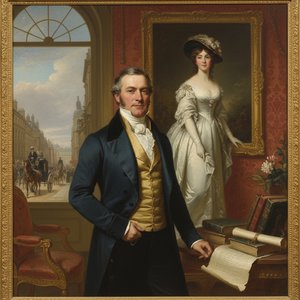
Sir Thomas Lawrence: Portraiture, Power & Regency Society's Aesthetics
Explore the captivating world of Sir Thomas Lawrence, Regency England's premier portraitist. Discover his artistic techniques, powerful representations of society, and enduring legacy. Expert insights for discerning art collectors.
Sir Alfred Munnings' Masterpieces: 25 Paintings That Define Equine Art | ArtsDot
Explore 25 iconic Sir Alfred Munnings paintings! Discover the beauty of British Impressionism, equine art & rural England. Find museum-quality reproductions and elevate your home decor with ArtsDot. Explore the full collection online.

The Enduring Legacy of Oil on Canvas: Technique, History & Aesthetic Impact
Explore the rich history & techniques of oil painting – from Renaissance masters to Impressionism. Discover pigments, layering methods, and why this timeless medium endures. Expert insights for artists & art enthusiasts.

Oil on Canvas: A Historical & Technical Exploration of a Timeless Artistic Medium
Explore the rich history & enduring techniques of oil painting on canvas. Discover the science behind its longevity, conservation practices, and contemporary relevance. Expert insights for art enthusiasts.