 Preview
 Send
Send Share
Share
 Details

 Download
 Similars
 X-Ray
X-Ray Diaporama
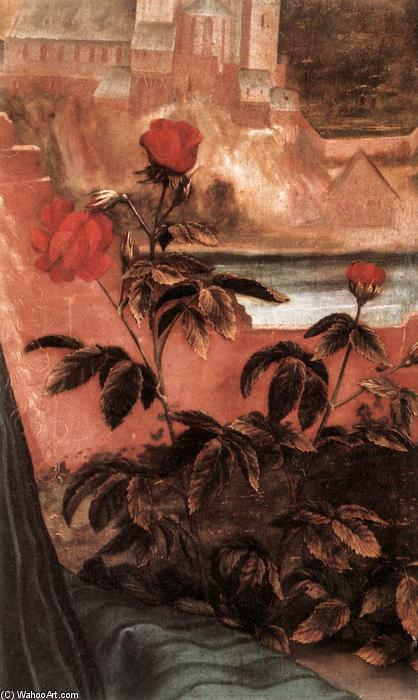
Nativity (detail) (13)


 Read More
Hand Made Oil Reproduction
Hand-painted oil on canvas in your size and frame, made to order by our artists. ( Buy Print Buy Image)




P118B $10

P118H $10

P118W $10

P438Z $10

P508JH $12

P508YH $12

P805H $10

P805Z $10

P919BZ $10

P919G $10

P919XJ $10

P959ZH $10

P968JZ $12

W106C $8

W218G $10

W218JH $8

W218Y $10

W307PJ $10

W316G $10

W316PJ $8

W316Y $10

W398PJ $8

W4111J $10

W500HY $15

W500JH $15

W692G $12

W849H $8

W940BG $15

W953PJ $8




Pick from our preset sizes that match the artwork's original proportions.

You may enter your own dimensions to fit a specific frame or space. If your selected size does not match the original image's proportions, we will either crop the artwork or extend the painting with additional hand-painted elements. A digital mockup will be sent for your approval before production begins.
Please note that the on-screen preview does not reflect the actual cropping or extension. Only the mockup will accurately show the final composition.
While custom sizes are available, we recommend selecting a dimension from the predefined list to preserve the original proportions.
After order, ArtsDot.com team will email client for instructions and provide a mockup preview
Worldwide Delivery () in 3/4 weeks instead of standard 5 weeks. (17 August). No compromise on quality.

Free Worldwide Express Shipping

High-Quality Linen Canvas

Full Shipping Insurance

Customs Tax Refund Guarantee

True Color Matching Guarantee

60-Day Return Policy (Defects Only)

100% Money-Back Guarantee

Bulk Discount Offer
 Glass option is only available in size under 110 CM

Nativity (detail) (13)
Reproduction Medium
Reproduction Size
-


Total Price
$ 263
Artwork Description
The Raw Heart of Faith: Unveiling Grünewald's "Nativity"
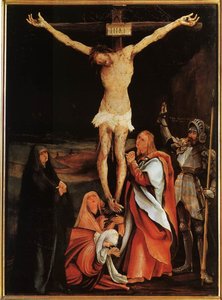
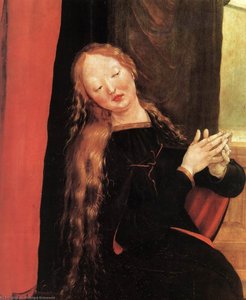
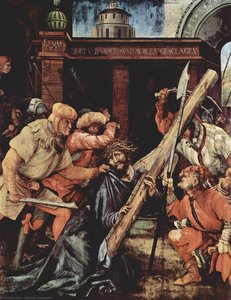
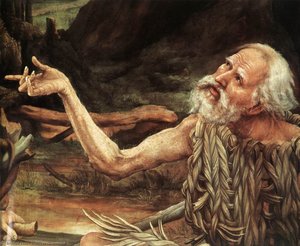
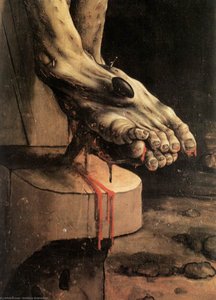
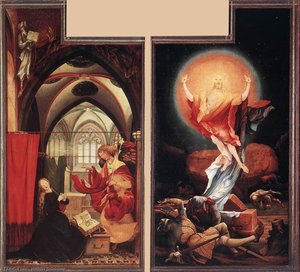
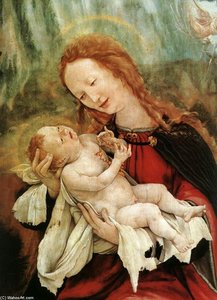
Matthias Grünewald’s “Nativity (detail) (13)” isn’t merely a depiction of the biblical scene; it’s an immersion into the turbulent, deeply felt spirituality that defined Northern Renaissance art. Completed in 1515 and currently residing within the hallowed halls of the Musée d'Unterlinden in Colmar, France, this oil-on-canvas panel transcends simple representation to become a visceral expression of faith, sorrow, and profound human connection. Grünewald, a figure often overshadowed by his more flamboyant contemporaries like Dürer, carved out a unique space for himself—one where emotional intensity and stark realism reigned supreme, eschewing the idealized beauty favored in Italy.

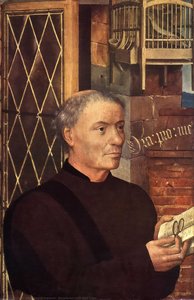
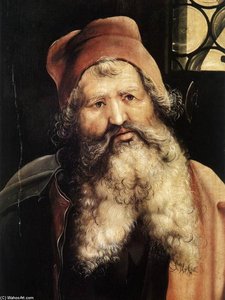
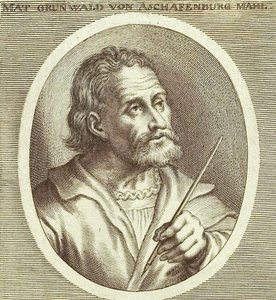
(Image of Matthias Grünewald's self portrait)
A Symphony of Red and Shadow – Technique and Composition
The immediate impact of “Nativity” is dominated by a startling palette—a vibrant, almost aggressive use of red. These aren’t the gentle hues of a pastoral scene; they are the reds of blood, roses, and perhaps even the embers of sacrifice. This boldness is masterfully contrasted with deep shadows that engulf much of the composition, creating an atmosphere of both intimacy and foreboding. Grünewald's technique is characterized by meticulous detail—the individual petals of the red roses, rendered with astonishing realism, are juxtaposed against the rough texture of the canvas itself. The figures themselves are not idealized; they possess a tangible physicality, conveying a sense of vulnerability and earthly suffering. The composition is deliberately unbalanced, drawing the eye to the central focus – the radiant Christ Child nestled amongst his mother Mary and Saint Joseph—while the surrounding figures fade into the background, emphasizing the intimate nature of this sacred moment.
Symbolism Woven Deep: Interpreting the Details
Every element within “Nativity” is laden with symbolic weight. The prominent red roses, a traditional symbol of Mary’s purity and suffering, are not simply decorative; they represent her maternal grief and the sacrifice inherent in motherhood. The stark contrast between light and shadow isn't merely an aesthetic choice but a visual representation of the struggle between good and evil, hope and despair. Note the carefully positioned halos—a subtle yet powerful reminder of divine grace. The inclusion of Saint Joseph, often overlooked in depictions of the Nativity, underscores his role as protector and guardian of the family. Even the muted landscape behind the figures hints at a world transformed by the arrival of Christ – a world imbued with spiritual significance.
A Window into a Troubled Era – Historical Context
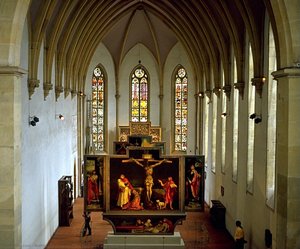
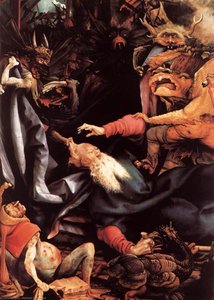
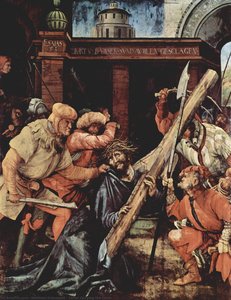
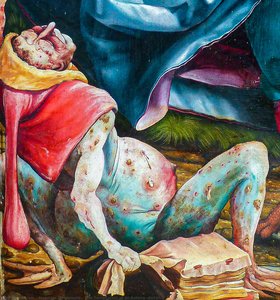
To fully appreciate “Nativity,” it’s crucial to understand the historical context in which it was created. Grünewald lived during a period of profound religious and social upheaval, marked by the rise of humanism, the Reformation's nascent stirrings, and widespread disease. His art reflects this turbulence—a sense of unease and spiritual questioning permeates his work. The Isenheim Altarpiece, to which “Nativity” belongs, was commissioned for a hospital dedicated to St. Anthony, where patients suffered from ergotism – a debilitating illness characterized by hallucinations, convulsions, and gangrene. The altarpiece’s imagery served as both a source of comfort and a reminder of the suffering inherent in human existence. Grünewald's ability to convey such raw emotion within this context is a testament to his extraordinary artistic talent.
Bringing Grünewald Home: Reproductions and Artistic Inspiration
Reproductions of “Nativity (detail) (13)” offer a remarkable opportunity to experience the power and intensity of Grünewald’s vision. When selecting a reproduction, consider the quality of the print and the accuracy of the colors—a faithful representation is essential to capturing the essence of this iconic work. Beyond its aesthetic appeal, “Nativity” serves as a potent reminder of the enduring themes of faith, sacrifice, and human compassion. It’s a piece that invites contemplation, sparking dialogue about our own beliefs and values – a timeless masterpiece for any space seeking depth and emotional resonance.
Related Artworks
Artist Biography
Matthias Grünewald: Life and Legacy
Early Life and Artistic Beginnings
Matthias Grünewald, born Mathis Gothart Neithardt around 1470-1475 in Würzburg, Germany, was a pivotal figure of the German Renaissance. Despite living during a period increasingly influenced by Italian Renaissance ideals, Grünewald remained deeply rooted in the artistic traditions of late medieval Central Europe. Details about his early life are scarce, but it’s known he received training as an artist, likely within local workshops.
Artistic Development and Influences
Grünewald's artistic development was shaped by the prevailing Northern European traditions of realism, emotional intensity, and detailed observation. His work shows influences from artists like Albrecht Dürer and Martin Schongauer, but he forged a unique path characterized by dramatic expression and vivid color. He wasn’t directly involved with the humanist circles prevalent in Italy; instead, his art served primarily religious purposes, reflecting the spiritual anxieties of his time.
Major Works and Artistic Style
- The Isenheim Altarpiece (1512-1516): This masterpiece, housed at the Musée d'Unterlinden in Colmar, is considered Grünewald’s magnum opus. It depicts scenes from the life of Christ with harrowing realism, particularly focusing on suffering and redemption.
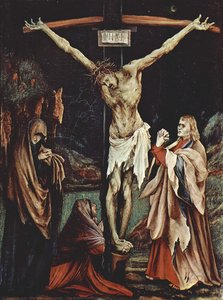
- The Crucifixion (c. 1502-1503): An early work demonstrating his developing style, showcasing intense emotion and anatomical detail.
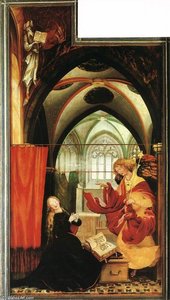
- Virgin of the Annunciation (1512-14): A study for the Isenheim Altarpiece, revealing his meticulous planning process.
- Moses (1511): A drawing highlighting Grünewald’s skill in capturing expressive figures and dramatic poses.
Grünewald's style is distinguished by:
- Dramatic Composition: He employed dynamic arrangements to heighten emotional impact.
- Vivid Color Palette: His use of intense, often contrasting colors created a powerful visual experience.
- Realistic Depiction of Suffering: Grünewald didn’t shy away from portraying the physical and emotional pain associated with religious narratives.
- Expressive Figures: His figures are imbued with strong emotions and psychological depth.
Historical Significance and Legacy
Grünewald's work stands as a testament to the enduring power of medieval artistic traditions in Germany during the Renaissance. He bridged the gap between the late Gothic style and the emerging Renaissance, creating a unique visual language that resonated with his contemporaries. His influence can be seen in later German artists who continued to explore themes of religious fervor and emotional intensity. While largely forgotten for centuries after his death in 1528, Grünewald experienced a revival in the 19th century, and today he is recognized as one of the most important painters of the German Renaissance. His art continues to captivate viewers with its raw emotion, technical brilliance, and profound spiritual depth.
Further Exploration
Discover more about Matthias Grünewald’s life and works at: ArtsDot
matthias grünewald
1480 - 1528 , Germany
Quick Facts
- Birth Date: c. 1470–1475
- Birth Place: Würzburg, Germany
- Death Date: 1528
- Movement: German Renaissance, Late Medieval
- Name: Matthias Grünewald
- Nationality: German
- Notable Works: Isenheim Altarpiece, The Crucifixion
Related Articles
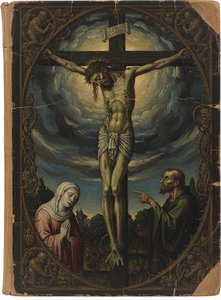
Matthias Grünewald: Devotion, Distortion & Spiritual Turmoil in Renaissance Art
Explore the profound religious art of Matthias Grünewald, master of the Isenheim Altarpiece. Discover his unique expressionism, symbolism & lasting impact on Renaissance painting. A guide for collectors and enthusiasts.

The Enduring Legacy of Oil on Canvas: Technique, History & Aesthetic Impact
Explore the rich history & techniques of oil painting – from Renaissance masters to Impressionism. Discover pigments, layering methods, and why this timeless medium endures. Expert insights for artists & art enthusiasts.

Oil on Canvas: A Historical & Technical Exploration of a Timeless Artistic Medium
Explore the rich history & enduring techniques of oil painting on canvas. Discover the science behind its longevity, conservation practices, and contemporary relevance. Expert insights for art enthusiasts.

The Enduring Power of Painting: A Historical & Contemporary Exploration of Form and Emotion
Explore the rich history & enduring techniques of oil painting with ArtsDot. Discover masterpieces, learn about art collecting, and find authentic handmade reproductions crafted by skilled artists.

The Enduring Legacy of Oil on Canvas: Technique, History & Contemporary Practice
Explore the rich history & enduring techniques of oil painting on canvas. Discover the science behind its longevity, conservation practices, and contemporary relevance. Expert insights for art enthusiasts.