

 Preview
 Send
Send Share
Share
 Details

 Download
 Similars
 X-Ray
X-Ray Diaporama
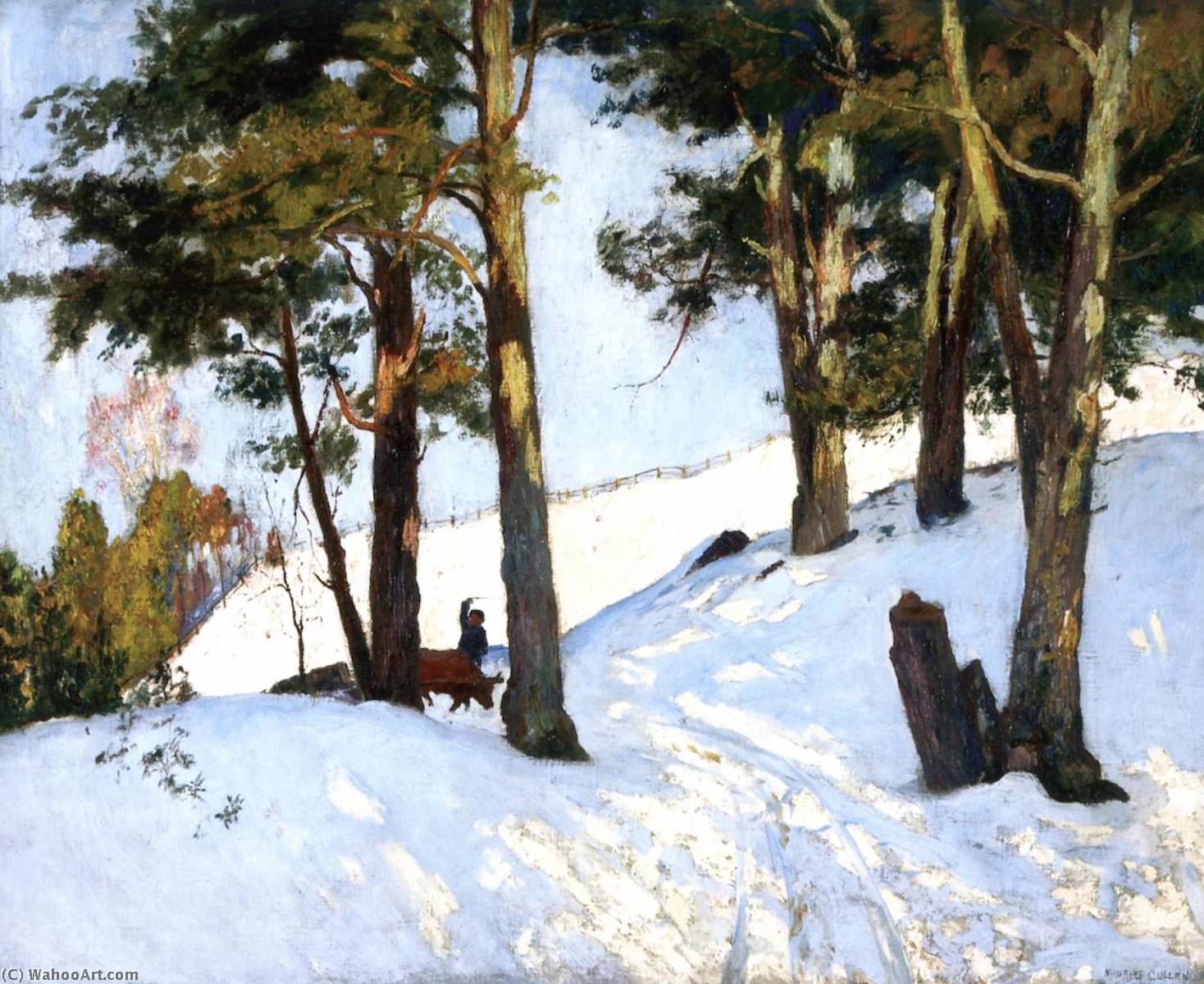
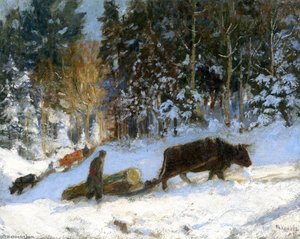
Logging in Winter, Beaupré


 Read More
Purchase a high-resolution, enhanced digital image, far superior to the online preview.
Each file is meticulously prepared by our in-house specialists using advanced tools and expert manual retouching. We ensure every image has exceptional clarity, precise color accuracy, and fine detail.
The final file is delivered via email within 72 hours, optimized for immediate use in professional, editorial, and print environments. This is the same quality trusted by top-tier design studios, publishers, and galleries.
Digital Image
Download a high-resolution file for personal display, printing, and creative projects. ( Buy Print Buy Hand Made Painting)
Included in Every Digital Image Order
Expert Digital Delivery, Guaranteed
When you choose ArtsDot.com, you're not just getting an image - you're receiving a professionally enhanced digital artwork, crafted with precision and backed by a satisfaction guarantee. Here's everything that comes with your order, automatically:

Fast Email Delivery
Your high-resolution digital image file will be emailed to you within 72 hours of ordering - ready for immediate use.

AI-Enhanced Digital File
Your artwork is professionally optimized using advanced AI tools and manual editing, ensuring maximum detail, clarity, and color accuracy.

Free Lifetime Re-Delivery
Accidentally deleted or lost your file? No worries - we'll resend it to you anytime, free of charge.

No Import Fees - Ever
Enjoy your artwork instantly with zero customs, duties, or delivery fees - digital downloads are always tax-free.

Color Accuracy Guarantee
We ensure your digital image reflects the original colors as closely as possible using professional tools and color management.

60-Day Satisfaction Guarantee
If you're not satisfied with your digital image, we'll revise it or refund 100% within 60 days - no questions asked.

100% Money-Back Guarantee
Not satisfied? Get a full refund within 60 days of receiving your digital file - no questions asked.

Bulk Order Discounts
Buy 3 images, save 10% - Buy 5, save 15% - Buy 10+, save 20%. Great for creative projects, galleries, and agencies.
Related Artworks
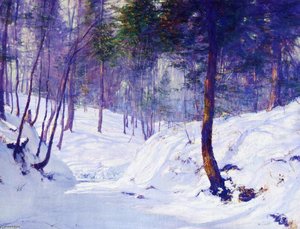
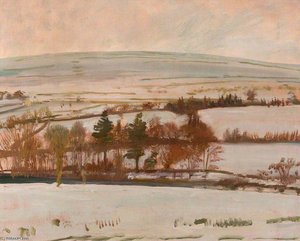
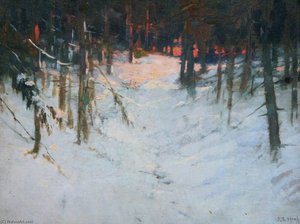
Artist Biography
The Architect of Winter: The Life and Legacy of Maurice Cullen
Maurice Galbraith Cullen stands as a monumental figure in the annals of Canadian art, often revered as the father of Canadian Impressionism. His journey began amidst the rugged, salt-sprayed landscapes of St. John’s, Newfoundland, in 1866, a setting that would forever instill in him a profound reverence for the raw power of nature. Though his family moved to Montreal when he was a young child, the atmospheric weight of the Atlantic coast remained a foundational element of his creative soul. Before he ever picked up a brush to capture the fleeting light of a winter morning, Cullen’s artistic path was carved in stone; he initially trained as a sculptor under the esteemed Louis-Philippe Hébert. This early discipline in form and structure would later provide a hidden strength to his paintings, giving his landscapes a sense of structural integrity that many of his contemporaries lacked. The true metamorphosis of his talent occurred in the vibrant, light-drenched studios of Paris. Following the death of his mother, an inheritance allowed him to pursue studies at the École des Beaux-Arts and the Académie Julien. It was here, amidst the revolutionary whispers of the Impressionist movement, that Cullen’s artistic trajectory shifted irrevocably. Encountering the works of masters like Claude Monet and Alfred Roll, he abandoned the rigid confines of sculpture for the fluid possibilities of oil painting. He became enamored with the way light could dissolve solid forms, replacing heavy outlines with rhythmic brushstrokes and a palette of luminous, atmospheric tones. This period in France was not merely an education in technique but a spiritual awakening that prepared him to translate European innovation into a uniquely Canadian vernacular.A Symphony of Snow and Light
Upon his return to Canada, Cullen faced the daunting task of applying French Impressionist sensibilities to a landscape that many at the time found uninspiring. In the late 19th century, there was little appetite for the stark, monochromatic reality of Canadian winters; yet, Cullen saw beauty where others saw only cold. He possessed an uncanny ability to find warmth within the frost, utilizing a sophisticated palette of icy blues, silvery whites, and muted greens to evoke the biting chill and the quiet serenity of the snow-covered terrain. His works, such as Logging in Winter, Beaupré, are masterclasses in capturing the ephemeral; he did not merely paint snow, he painted the way light dances upon it, the way shadows stretch across a frozen river, and the way the atmosphere thickens with the approach of a storm. His technical development was characterized by an increasingly loose and expressive brushwork that allowed him to capture the "soul" of the landscape rather than just its topography. He often worked from sketches made outdoors—capturing the immediate, visceral truth of a scene—before retreating to his studio to refine the composition with a more deliberate hand. This duality between spontaneous observation and careful studio execution resulted in paintings that felt both structurally sound and vibrantly alive. Whether depicting the rhythmic toil of log cutters in Quebec or the nocturnal mysteries of a moonlit landscape, Cullen’s work remains an evocative testament to the transient beauty of the natural world.Service, Recognition, and Enduring Influence
The scope of Cullen's contribution extends beyond the tranquil beauty of his landscapes into the somber realities of history. During the First World War, he served as an official war artist with the Canadian Forces. This period of service, alongside fellow artists like Frederick Varley, demanded a different kind of observation—one that required documenting the grit and gravity of conflict. This experience deepened his emotional range, proving that his Impressionistic eye could find profound meaning even in the most challenging human circumstances. His ability to maintain his artistic momentum under the patronage of figures like Lord Beaverbrook ensured that his voice remained heard during one of the most turbulent eras of the 20th century. The historical significance of Maurice Cullen cannot be overstated. He bridged the gap between traditional academic realism and the modern Impressionist movement in Canada, providing a blueprint for future generations of landscape painters to explore their own national identity through light and color. His achievements were marked by numerous accolades, including:- Associate of the Société Nationale des Beaux-Arts, Paris (1895), signaling his international standing.
- Member of the Royal Canadian Academy of Arts, cementing his status within the Canadian art establishment.
- A transformative role as a teacher at the Art Association of Montreal, where he helped shape the next wave of Canadian talent.
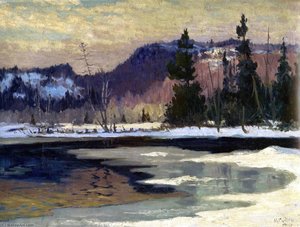
Maurice Cullen
1866 - 1934 , Canada
Quick Facts
- Artistic Movement Or Style: Impressionism
- Artists Or Movements Influenced By This Artist: ['Dutch Golden Age']
- Artists Who Influenced This Artist:
- Claude Monet
- Pierre-Auguste Renoir
- Date Of Birth: June 6, 1866
- Date Of Death: March 28, 1934
- Full Name: Maurice Galbraith Cullen
- Nationality: Canadian
- Notable Artworks:
- Mill Stream
- Customs Port, Venice
- Rising Tide, Lepdu
- Place Of Birth: St John's, Canada

