 Preview
 Send
Send Share
Share
 Details

 Download
 Similars
 X-Ray
X-Ray Diaporama
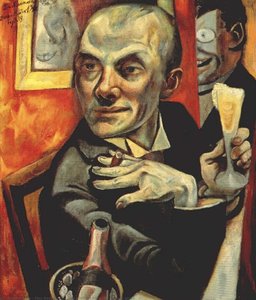
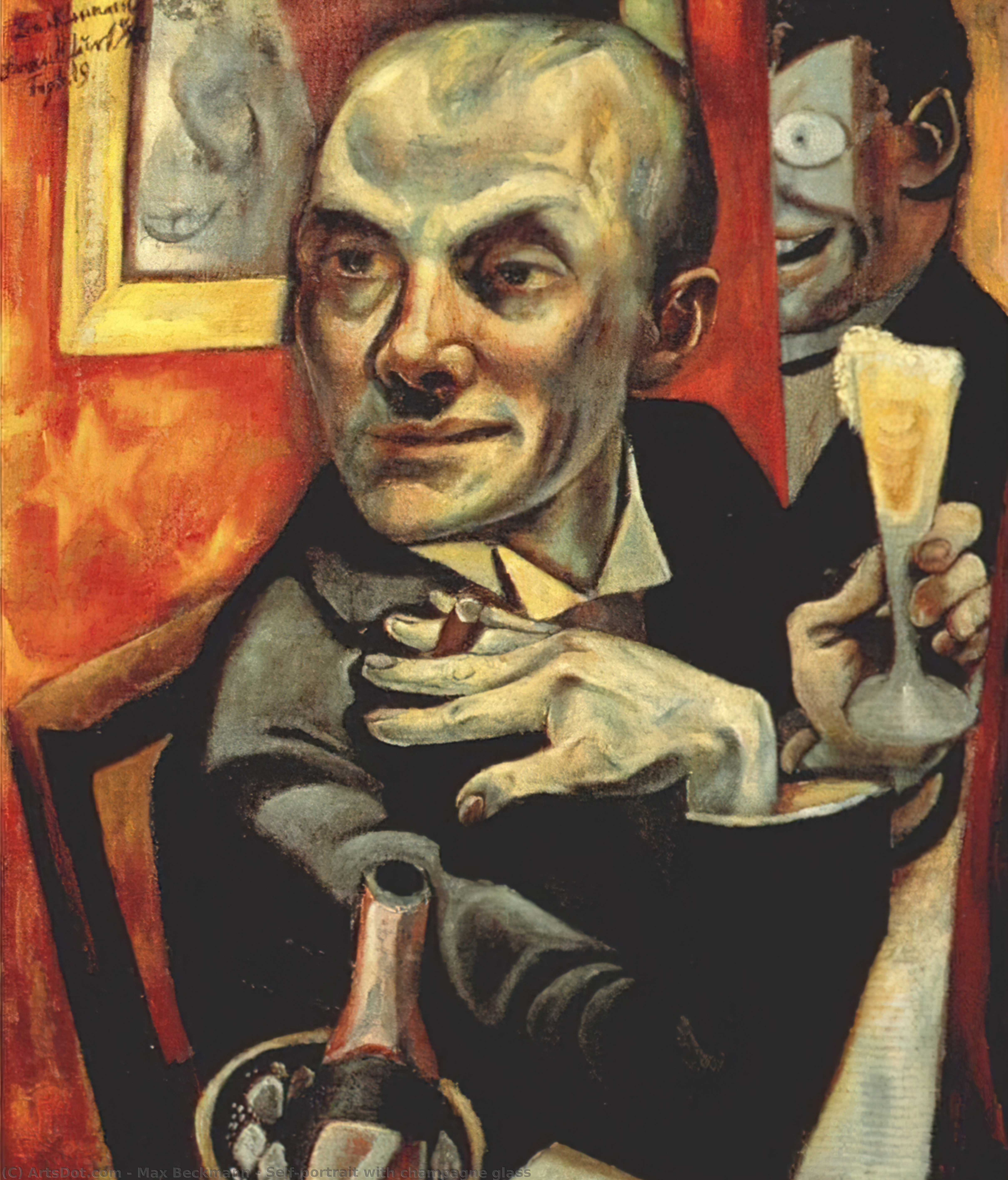
Self-portrait with champagne glass


 Read More
Hand Made Oil Reproduction
Hand-painted oil on canvas in your size and frame, made to order by our artists. ( Buy Print Buy Image)




P118B $10

P118H $10

P118W $10

P438Z $10

P508JH $12

P508YH $12

P805H $10

P805Z $10

P919BZ $10

P919G $10

P919XJ $10

P959ZH $10

P968JZ $12

W106C $8

W218G $10

W218JH $8

W218Y $10

W307PJ $10

W316G $10

W316PJ $8

W316Y $10

W398PJ $8

W4111J $10

W500HY $15

W500JH $15

W692G $12

W849H $8

W940BG $15

W953PJ $8




Pick from our preset sizes that match the artwork's original proportions.

You may enter your own dimensions to fit a specific frame or space. If your selected size does not match the original image's proportions, we will either crop the artwork or extend the painting with additional hand-painted elements. A digital mockup will be sent for your approval before production begins.
Please note that the on-screen preview does not reflect the actual cropping or extension. Only the mockup will accurately show the final composition.
While custom sizes are available, we recommend selecting a dimension from the predefined list to preserve the original proportions.
After order, ArtsDot.com team will email client for instructions and provide a mockup preview
Worldwide Delivery () in 3/4 weeks instead of standard 5 weeks. (16 August). No compromise on quality.

Free Worldwide Express Shipping

High-Quality Linen Canvas

Full Shipping Insurance

Customs Tax Refund Guarantee

True Color Matching Guarantee

60-Day Return Policy (Defects Only)

100% Money-Back Guarantee

Bulk Discount Offer
 Glass option is only available in size under 110 CM

Self-portrait with champagne glass
Reproduction Medium
Reproduction Size
-


Total Price
$ 263
Artwork Description
Max Beckmann's Intimate Reflection: Self-Portrait with Champagne Glass (1919)
This arresting self-portrait by Max Beckmann, painted in 1919, offers a profound glimpse into the artist’s evolving consciousness during a turbulent period of European history. More than just a depiction of two men sharing a glass of champagne, it's a carefully constructed meditation on isolation, observation, and the unsettling shift in perspective brought about by the horrors of World War I. Beckmann, born in Leipzig in 1884, was already experimenting with distortion and psychological depth before the war, but the experience of serving as a medical orderly during the conflict irrevocably altered his artistic trajectory. The resulting works, like this self-portrait, are characterized by their fragmented forms and emotionally charged atmosphere – a direct response to the shattered realities he witnessed.
A Study in Discomforting Observation
The scene unfolds within what appears to be an art gallery or studio setting, meticulously rendered with scattered bottles, cups, and a sense of studied disarray. The two men at the table are not engaged in jovial conversation; rather, they exist in a state of quiet contemplation, almost detached from one another. One man raises a glass to his lips, while the other observes him with an expression that borders on melancholy or perhaps even suspicion. This deliberate ambiguity is central to Beckmann’s artistic strategy – he doesn't offer easy answers but instead presents unsettling questions about human interaction and perception. The inclusion of the partially visible figure in the background adds another layer of complexity, suggesting a broader social context and hinting at the anxieties of a rapidly changing world.
Technique and Symbolism: Echoes of Medieval Art
- Style: Beckmann’s style is immediately recognizable for its deliberate distortions and flattened perspectives, influenced heavily by medieval stained glass. This influence is particularly evident in the use of color – rich, saturated hues reminiscent of the vibrant palettes found in religious iconography.
- Technique: The painting employs a technique of layered brushstrokes and subtle gradations of tone, creating a sense of depth and atmosphere despite the stylized forms. Beckmann’s meticulous attention to detail is evident in the rendering of the textures – the glass of the wine glasses, the fabric of the men's clothing, and the surfaces of the tables.
- Symbolism: The champagne itself can be interpreted as a symbol of fleeting pleasure and superficiality, juxtaposed against the underlying sense of unease and disillusionment. Beckmann’s fascination with medieval art—particularly Bosch and Grünewald—suggests an interest in exploring themes of sin, damnation, and the fragility of human existence.
Emotional Resonance and Lasting Impact
“Self-Portrait with Champagne Glass” is a powerfully evocative work that transcends its immediate subject matter. It speaks to the anxieties of modernity, the alienation of the individual in an increasingly complex world, and the enduring human need for connection – even if that connection is fraught with uncertainty. Beckmann’s ability to capture such profound emotional depth through his distinctive artistic style ensures that this painting remains a compelling and relevant work of art over a century after its creation. It's a testament to the artist's courage in confronting difficult truths and his enduring legacy as one of the most significant figures in 20th-century art.
Related Artworks
Artist Biography
early life and artistic development
max beckmann, a renowned german painter, draftsman, printmaker, sculptor, and writer, was born on february 12, 1884, in leipzig, saxony. his artistic journey began with academically correct depictions, which later transformed into distorted figures and spaces, reflecting his altered vision of humanity after serving as a medical orderly in world war i.artistic style and influences
beckmann's style, rooted in the imagery of medieval stained glass, was influenced by various artists, including cézanne, van gogh, blake, rembrandt, and rubens. he also drew inspiration from northern european artists of the late middle ages and early renaissance, such as bosch, bruegel, and matthias grünewald.notable works and exhibitions
* the bark (acquired by the national gallery in berlin) * self-portrait in tuxedo (purchased in 1928) * retrospectives at the städtische kunsthalle mannheim (1928) and in basle and zurich (1930)later life and exile
beckmann's fortunes changed with the rise of adolf hitler, leading to his dismissal from the art school in frankfurt and the confiscation of over 500 of his works. he lived in self-imposed exile in amsterdam for ten years, failing to obtain a visa for the united states.legacy
* taught at the art schools of washington university in st. louis and the brooklyn museum * first retrospective in the united states took place in 1948 at the city art museum, saint louis * max-slevogt galerie, germany, features a collection of his works key dates: * born: february 12, 1884 * died: december 27, 1950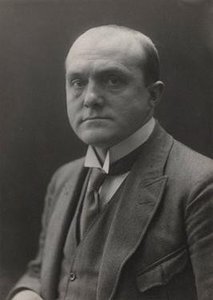
Max Beckmann
1884 - 1950 , Germany
Quick Facts
- Artistic Movement Or Style: Expressionism
- Artists Or Movements Influenced By This Artist:
- Rembrandt
- Bosch
- Artists Who Influenced This Artist:
- Georges Seurat
- Vincent van Gogh
- Date Of Birth: February 12, 1884
- Date Of Death: December 27, 1950
- Full Name: Max Carl Friedrich Beckmann
- Nationality: German
- Notable Artworks:
- The Bark
- Self-Portrait in Tuxedo
- Place Of Birth: Leipzig, Germany
Related Articles
Max Ernst's Masterpieces: 25 Surreal Visions for Art Lovers & Home Decor
Journey into the surreal world of Max Ernst! Explore 25 iconic paintings, from Dada to abstract expressionism. Discover the stories behind his masterpieces & find museum-quality art reproductions for your home decor at ArtsDot.com.

Giclée Prints: Archival Quality & Aesthetic Nuances for the Discerning Collector
Explore the world of giclée prints with ArtsDot. Learn about archival quality, aesthetic nuances & investment potential. Expert guidance for discerning art collectors seeking museum-quality reproductions and lasting value.
Max Beckmann: Navigating Trauma & Modernity Through a Distorted Lens
Explore the powerful world of Max Beckmann's art – a journey through trauma, modernity & distortion. Discover his key works, influences, and lasting legacy with expert analysis.
Cultivating Ambiance: A Curatorial Guide to Art Selection for Wine Cellars and Tasting Rooms – Enhancing Oenological Experience Through Landscape, Symbolism, and Interior Harmony
Elevate your wine cellar or tasting room with curated art! Expert guidance on landscape paintings, symbolism & lighting to enhance the oenological experience. Discover how art transforms spaces and tells your winery's story.

The Enduring Legacy of Fine Art Prints: Technique, History & Aesthetic Impact
Explore the rich history & techniques of fine art prints. Discover investment potential, assess authenticity, and learn how to preserve your collection with expert guidance. Trusted insights for discerning collectors.