The Sensory Symphony: Art's Role in Elevating the Oenological Experience
The Government Wine Cellar (GWC) is a provider of wine to support the hospitality work of the United Kingdom's government. It was founded in 1908 and since 1922 has been housed in a cellar of Lancaster House in London. The cellar is estimated to cont...
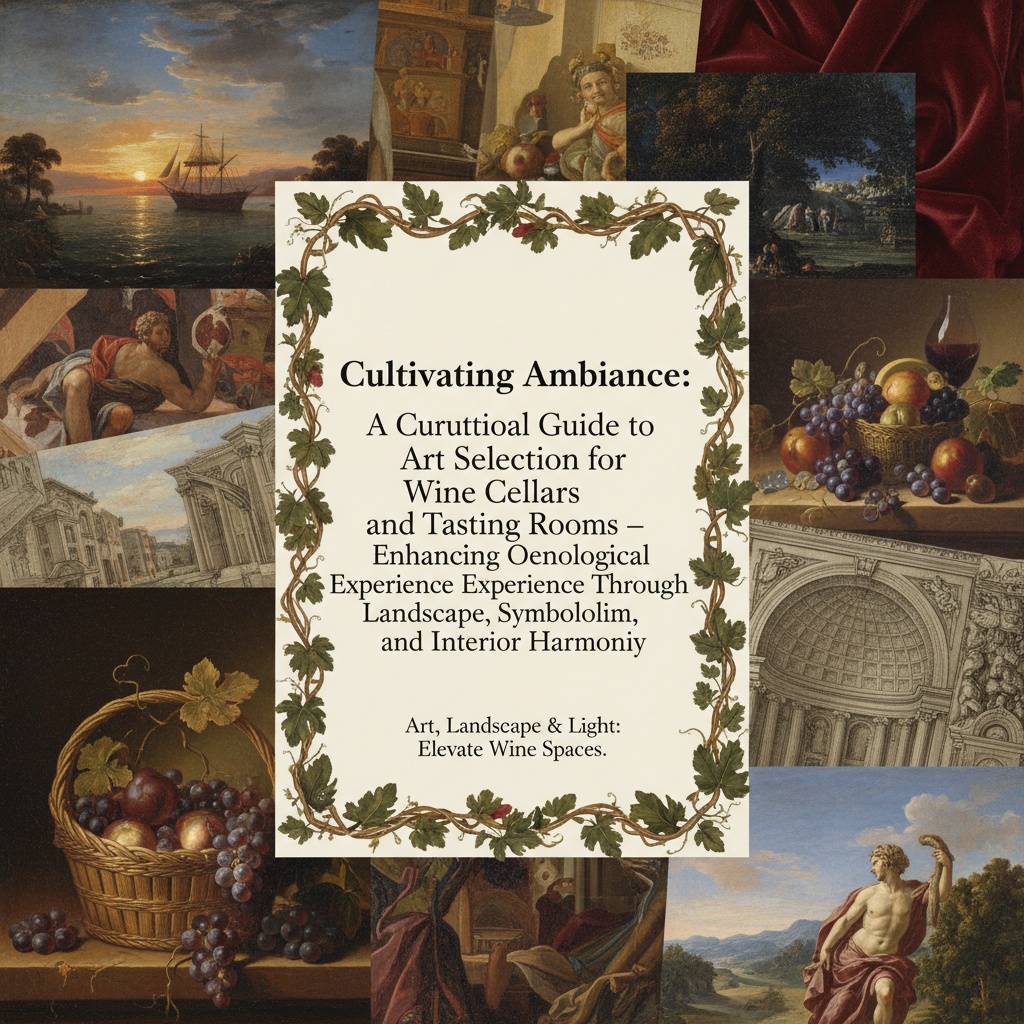
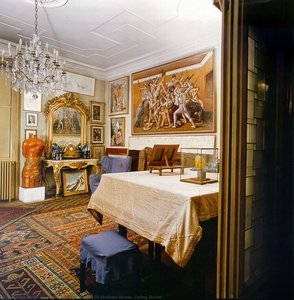
For centuries, wine has been more than a beverage; it’s a cultural artifact, a testament to place and time, a catalyst for connection. To truly appreciate wine is to engage all the senses – sight, smell, taste, touch, and even hearing. But often overlooked in this holistic experience is the power of visual art. A thoughtfully curated collection within a wine cellar or tasting room isn’t merely decorative; it's an extension of the winemaking philosophy itself, a silent storyteller that deepens the resonance of each sip. The most successful spaces understand this symbiotic relationship, recognizing that art can amplify terroir, evoke history, and create an atmosphere conducive to contemplation and enjoyment.
Consider the grand châteaux of Bordeaux, where centuries-old paintings depicting pastoral scenes or portraits of esteemed vintners adorn the walls. These aren’t accidental embellishments; they are visual anchors connecting present indulgence with a rich lineage. The art speaks to the dedication, tradition, and artistry inherent in the winemaking process. It's about creating an environment that transcends functionality – transforming a storage space into a sanctuary for the senses, where every element contributes to a heightened appreciation of the liquid treasure within.
Terroir on Canvas: Landscape Paintings & The Essence of Place
The concept of terroir—the unique set of environmental factors that influence a wine’s character—is central to understanding its quality and complexity. Landscape paintings, therefore, become particularly potent symbols within the context of wine appreciation. However, simply hanging images of vineyards isn't enough. The most compelling works transcend literal representation, capturing instead the *feeling* of a place – the warmth of the sun on ripening grapes, the gentle slope of rolling hills, the subtle shifts in light and shadow that define a specific vintage.
Think of the Impressionists—Monet’s hazy depictions of the French countryside or Pissarro’s vibrant scenes of rural life. Their ability to convey atmosphere and emotion resonates deeply with the nuances of wine tasting. A painting doesn't need to explicitly depict vines; it can evoke the same sense of place through masterful use of color, texture, and light. Italian Renaissance landscapes, often idealized but imbued with a profound understanding of perspective and natural beauty, offer another compelling avenue for exploration. For those seeking a more contemporary aesthetic, abstract landscapes that suggest form and movement without explicit representation can create a sophisticated and intriguing ambiance.
Symbolism & Storytelling: Unveiling Hidden Layers in Wine Cellar Art
Beyond the literal depiction of vineyards, art offers a rich tapestry of symbolism that can add layers of meaning to the wine experience. Classical mythology is replete with imagery associated with wine – Bacchus (or Dionysus), the god of revelry and fertility; Ceres, the goddess of harvest and agriculture. Incorporating these motifs, whether through reproductions of ancient masterpieces or contemporary interpretations, subtly connects the present moment with a long tradition of celebration and abundance.
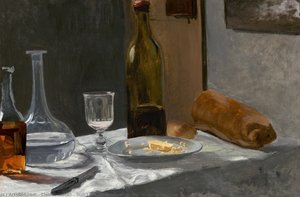
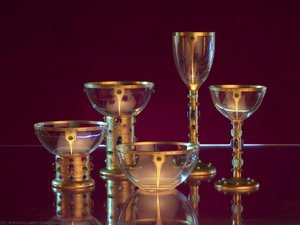
Still life compositions are particularly evocative. A bowl overflowing with ripe grapes symbolizes prosperity and generosity, while a carefully arranged wine glass speaks to conviviality and shared enjoyment. The color palette itself carries symbolic weight – deep reds representing passion and vitality, gold signifying wealth and prestige, purple evoking royalty and sophistication. However, the key is subtlety; avoid overly didactic interpretations. The goal isn’t to explicitly state a message but rather to create an atmosphere of intrigue and invite contemplation. A carefully chosen painting can spark conversation, deepen appreciation, and enhance the overall sensory experience.
Illuminating the Collection: Lighting Design for Art and Wine Appreciation
The interplay between light and shadow is fundamental to both winemaking and art appreciation. Just as proper lighting is crucial for assessing a wine’s color and clarity, it's equally essential for showcasing artwork within a cellar or tasting room. Harsh, direct lighting can damage delicate pieces and detract from the overall ambiance; instead, opt for soft, diffused light that highlights textures and colors without creating glare.
LED lighting is an ideal choice – it’s energy-efficient, produces minimal heat (crucial for preserving wine), and allows for precise control of color temperature. Consider using spotlights to accentuate key pieces or create focal points. Backlighting can also be effective, particularly for highlighting textured canvases or sculptures. The angle of the light is paramount; side lighting creates dramatic shadows, while top lighting provides a more even illumination. Remember that wine itself is best appreciated under subdued lighting; the artwork should complement this atmosphere rather than compete with it.
Framing the Narrative: Selecting Styles to Complement Your Aesthetic
The choice of framing can dramatically impact the overall aesthetic of an art piece and its suitability for a wine cellar or tasting room. For traditional cellars, ornate wooden frames in dark tones complement classic paintings beautifully. Gold leaf detailing adds a touch of luxury and sophistication. Modern spaces call for simpler frames – sleek metal frames in black or silver, or minimalist wood frames with clean lines.
The material of the frame is also significant; wood evokes warmth and tradition, while metal conveys contemporary elegance. Wider frames create a more dramatic effect, while narrower frames are better suited for smaller works. Crucially, ensure that framing materials are resistant to humidity fluctuations and temperature variations. Acid-free matting protects delicate artworks from damage over time. The frame isn’t simply a border; it's an integral part of the artwork itself, enhancing its visual impact and protecting its integrity.
Beyond Decoration: Commissioning Art That Reflects Your Winery's Soul
While reproductions offer accessibility and affordability, commissioning original art can elevate your wine cellar or tasting room to a truly unique level. Working with local artists to create pieces inspired by the vineyard landscape, winemaking process, or the region’s history adds authenticity and personality. Displaying historical photographs of the winery’s founders or past harvests evokes a sense of tradition and heritage.
Consider creating a rotating exhibition space to showcase different artists and themes, keeping the environment fresh and engaging. The art should not simply be decorative but serve as a conversation starter and enhance the overall narrative of your winery. At ArtsDot.com, we specialize in bringing this vision to life – offering custom reproductions, photo-to-painting services, and expert art consultation to help you curate a collection that perfectly reflects your brand’s identity and elevates the oenological experience for all who enter.