



The Power of the Focal Point: Defining Architectural Identity Through Art
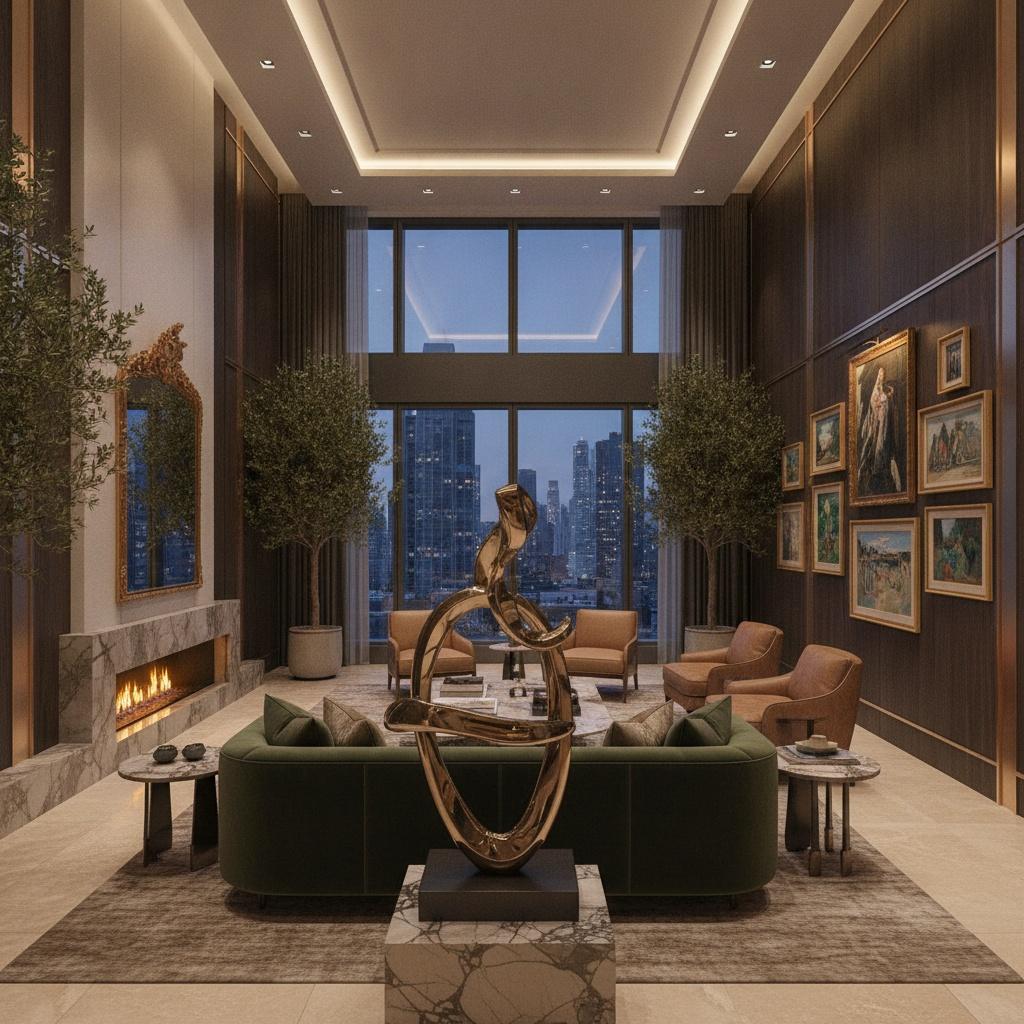
In the realm of high-end interior design, a room is far more than a mere arrangement of furniture and light; it is a curated experience designed to evoke emotion and assert identity. At the heart of this experience lies the concept of the focal point—that singular, commanding element that captures the gaze and anchors the entire architectural composition. Without a centerpiece, even the most exquisitely appointed grand salon can feel adrift, lacking a soul or a definitive narrative. A truly magnificent space requires an anchor, a visual gravity that pulls disparate elements into a cohesive whole.
When we introduce a masterpiece into such a setting, we are not simply decorating; we-are defining the very essence of the architecture. Whether it is the sweeping expanse of a grand hallway or the intimate quietude of a private library, art serves as the pulse of the room. It provides a destination for the eye, a place where the architectural lines meet human creativity. By selecting a piece that possesses inherent strength, a designer can transform a hollow structure into a sanctuary of culture and prestige, ensuring that every visitor feels the weight of history and the refinement of contemporary taste.
Curating with Intent: Selecting Masterpieces for Scale, Texture, and Emotion
The art of curation is a delicate dance between intention and intuition. To select a masterpiece that serves as a focal point, one must look beyond mere aesthetic preference and consider the profound relationship between scale, texture, and emotion. A common pitfall in luxury interiors is the selection of works that are either swallowed by the vastness of a room or overwhelm its intimacy. The ideal piece possesses a presence that respects its surroundings while demanding attention through its sheer brilliance.
Texture plays an equally vital role in this sensory dialogue. Consider the tactile allure of a hand-painted oil reproduction, where the visible impasto and the rhythmic dance of brushstrokes create a three-dimensional landscape upon the canvas. These physical ridges catch the light, offering a depth that a flat print can never replicate. This textural richness works in tandem with the emotional resonance of the subject matter. A serene Monet-inspired landscape may invite contemplation and peace, whereas a bold, geometric abstraction might inject energy and modern vigor into a sophisticated lounge. The curator’s task is to ensure that the emotional frequency of the artwork harmonizes with the intended atmosphere of the space.
Beyond the Canvas: Integrating Sculptural Elements and Multi-Panel Compositions
True architectural sophistication often extends beyond the traditional boundaries of a single frame. To elevate a space, one must explore the interplay between two-dimensional mastery and three-dimensional form. The integration of wall sculptures—such as rose gold geometric stainless steel or intricate ironwork in luxurious gold finishes—adds a layer of sculptural depth that interacts with the room's shadows and light. These pieces act as extensions of the architecture itself, bridging the gap between the flat surface of the wall and the volume of the room.
Furthermore, the modern trend of multi-panel compositions offers an unparalleled opportunity for grand-scale storytelling. Splitting a singular, breathtaking image across three, four, or even five panels allows for a dynamic movement across wide walls or sweeping staircases. This technique breaks the visual monotony of large surfaces, creating a rhythmic flow that guides the viewer through the space. Such layouts are particularly effective in contemporary luxury design, where the goal is to create a sense of continuity and architectural rhythm that feels both expansive and meticulously engineered.
The Alchemy of Light and Color: Harmonizing Fine Art with Interior Palettes
Color is the language of atmosphere, and its mastery is essential when harmonizing fine art with an interior palette. A sophisticated room relies on a carefully balanced color story, where tones are layered to create depth and interest. When introducing a masterpiece, the artist’s palette must either complement or strategically contrast with the existing environment. A room anchored by neutral, earthy tones may find its perfect companion in a vibrant, light-drenched Impressionist work, where splashes of cerulean or gold provide a necessary brilliance.
Light, too, acts as an invisible medium in this alchemy. The way light interacts with the pigments and the texture of a painting can fundamentally alter its appearance throughout the day. In spaces flooded with natural sunlight, colors may appear more luminous and true to their original intent, whereas more dimly lit, intimate settings benefit from the deep, tonal richness found in Old Master-style reproductions. By considering the interplay of light and color, a curator ensures that the artwork does not merely sit upon the wall but becomes an integral part of the room's living, breathing atmosphere.
Preserving Legacy: The Importance of Authenticity, Craftsmanship, and Longevity
For the discerning collector and the professional designer, the value of art lies not only in its immediate beauty but in its enduring legacy. In an era of mass production, the pursuit of authenticity and superior craftsmanship is what distinguishes a true masterpiece from mere decor. This is why the choice of medium is paramount. A hand-painted oil reproduction on 100% cotton canvas, finished with protective damar varnish, offers a level of permanence and prestige that digital prints cannot achieve. The meticulous layering of oils and the use of high-quality materials like safflower oil to prevent yellowing ensure that the artwork remains vibrant for generations.
Investing in art is an act of stewardship. To protect this investment, one must respect the chemistry of the medium—avoiding direct sunlight and utilizing acid-free matting to preserve the integrity of the pigments. Whether it is a bespoke commission that transforms a personal memory into a 17th-century style portrait or a large-scale mural designed for a luxury hotel, the commitment to academic excellence and artisanal pride is what allows art to transcend time. When we choose works characterized by genuine craftsmanship, we are not just decorating a room; we are building a heritage that will endure long after the trends of the moment have faded.
For those seeking to transform their environments with museum-quality excellence, ArtsDot.com offers an unparalleled gateway to fine art. From hand-painted oil reproductions and custom portrait commissions to large-scale architectural murals, our platform connects collectors with master artists dedicated to the highest standards of academic tradition. Explore our vast collection and discover how bespoke artistry can redefine your world.