


The Art of Curation: Defining the Luxury Interior through Masterpieces
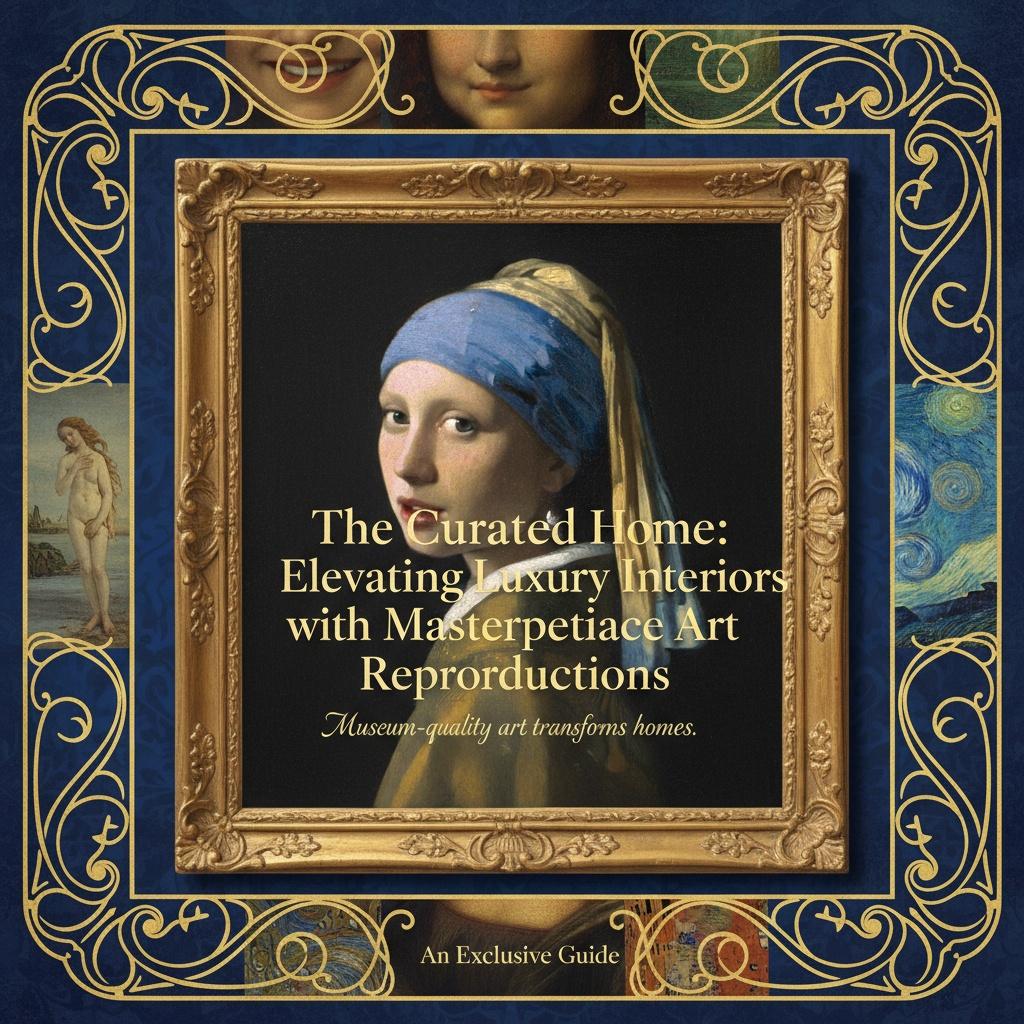
To inhabit a truly curated home is to engage in a silent dialogue with history. A luxury interior is never merely a collection of expensive furnishings; rather, it is a carefully composed narrative where every element serves to evoke emotion and reflect the soul of its inhabitant. At the heart of this composition lies the power of fine art. When we introduce a masterpiece reproduction into a modern living space, we are not simply decorating a wall; we are anchoring the room with a sense of permanence and cultural depth. The presence of an Old Master—be it the dramatic chiaroscuro of a Baroque portrait or the ethereal light of an Impressionist landscape—provides a focal point that transcends fleeting trends, offering a timelessness that mass-produced decor can never replicate.
True curation requires an eye for balance and a respect for the weight of history. A well-placed reproduction acts as a bridge between the contemporary world and the golden eras of human creativity. It invites guests to pause, to contemplate, and to feel the resonance of centuries-old techniques within a modern architectural context. By selecting works that possess both aesthetic beauty and historical significance, the discerning collector transforms a house into a gallery of personal expression, where the walls themselves whisper stories of grandeur and artistic triumph.
Timeless Textures: The Sensory Impact of Hand-Painted Oil Reproductions
In an era dominated by the flat, digital perfection of screens, there is a profound, almost primal luxury in the tactile reality of oil paint. While high-quality prints offer precision, it is the handmade oil reproduction that captures the true essence of a masterpiece. The distinction lies in the impasto—the visible, sculptural application of pigment that creates a three-dimensional landscape upon the canvas. When an artist applies five to ten meticulous layers of oil paint, they are building more than just color; they are constructing texture and light. As light moves through a room, it dances across these raised brushstrokes, creating subtle shadows and highlights that change with the time of day.
This physical depth provides a sensory richness that is essential for high-end interiors. The heavy-duty cotton canvas and premium pigments used in professional reproductions ensure that the artwork possesses a "living" quality. Unlike a flat image, a hand-painted work carries the energy of the artist’s hand, reflecting the same passion found in the original museum pieces. This tactile dimension invites the viewer to step closer, to observe the deliberate movement of the brush, and to experience the visceral connection between the medium and the subject matter. It is this interplay of light, shadow, and texture that breathes life into a room, providing an organic warmth that complements even the most minimalist modern architecture.
Architectural Harmony: Integrating Large-Scale Murals and Multi-Panel Compositions
The scale of art must be in conversation with the scale of the architecture. In grand foyers, expansive dining halls, or soaring staircases, small-scale works can often feel lost, failing to command the necessary presence. For these significant architectural moments, the use of large-format murals and frescoes offers an unparalleled opportunity for transformation. Imagine a ceiling reimagined as a Renaissance fresco, or a feature wall draped in a sweeping landscape that extends the visual boundaries of the room. These monumental works are painted on massive canvas rolls, allowing for a seamless integration of art and structure that can recreate the majesty of historical palaces within a private residence.
For more contemporary spaces, the multi-panel or "triptych" trend offers a sophisticated way to manage large wall surfaces without overwhelming them. By splitting a single iconic composition across three, four, or even five panels, one creates a rhythmic, modern aesthetic that guides the eye across the room. This technique is particularly effective in wide galleries or along long corridors, where the breaks between panels introduce a sense of movement and architectural intrigue. When executed with precision—ensuring that brushstrokes and color gradients flow uninterrupted from one panel to the next—these compositions create a cohesive, sculptural effect that feels both avant-garde and deeply rooted in classical tradition.
Personalized Legacies: Transforming Private Memories into Fine Art Commissions
The pinnacle of luxury is personalization. While the admiration of historical masters is profound, there is no greater emotional luxury than seeing one's own life reflected through the lens of fine art. The ability to commission a custom reproduction—transforming a cherished family photograph, a wedding portrait, or even a pet into a masterpiece—allows for the creation of a truly unique legacy. This process goes beyond simple replication; it is an act of artistic alchemy. Through professional digital mockups and expert coordination, personal milestones can be reimagative in the style of the greats, such as the light-drenched textures of Monet or the dramatic, soulful portraiture of Rembrandt.
This bespoke service allows collectors to "remix" history, blending contemporary identity with classical prestige. Whether it is a group portrait that brings together loved ones from different eras or a landscape that captures the essence of an ancestral estate, these commissions serve as permanent, elevated memories. The meticulous process—from the initial sketch and digital approval to the final application of Damar varnish—ensures that the resulting work meets museum-grade standards. In doing so, it elevates personal history to the level of fine art, creating a collection that is as much about the owner's journey as it is about artistic excellence.
The Designer’s Toolkit: Strategic Color Palettes and Bespoke Art Consultations
For the interior designer or the dedicated collector, selecting art is a strategic endeavor involving color theory, spatial awareness, and aesthetic intuition. A successful integration of art requires more than just finding a beautiful image; it requires an understanding of how a specific palette will interact with existing textures, such as marble, velvet, or polished metals. The use of iridescent elements, gold finishes, or deep, saturated tones can either harmonize with or provide a striking contrast to the room's primary palette. Expert consultations play a vital role here, offering the ability to digitally "place" artwork within a photograph of a specific wall, allowing for a preview of color harmony and scale before a single brushstroke is applied.
Modern technology has further refined this toolkit. Tools that allow for searching by color theme or palette enable a more intentional approach to curation. Furthermore, the ability to customize colors—requesting a "period shift" or adjusting the warmth of a landscape to match a room's lighting—ensures that the artwork is not an imposition on the space, but an organic extension of it. This level of bespoke service ensures that every piece of art serves the broader design vision, contributing to a cohesive atmosphere of luxury and intentionality.
Preserving Excellence: The Science of Longevity in High-End Art Collections
A true investment in fine art is an investment in the future. For the luxury buyer, the longevity of a collection is paramount. The science behind high-end reproductions is as critical as the artistry itself. This involves the use of acid-free materials, 12-color pigment-based Giclée inks rated to last for a century, and heavy-duty cotton canvases that resist warping. In oil paintings, the chemistry of preservation is even more intricate; the use of flexible gesso prevents cracking over time, while specific oils like safflower are utilized in lighter pigments to prevent the dreaded yellowing effect. A final coat of Damar varnish serves as a protective shield against dust, moisture, and atmospheric pollutants.
Proper stewardship also requires an understanding of environmental care. To protect these treasures, one must consider the impact of direct sunlight and the importance of acid-free matting to create a necessary air gap between the art and its frame. By adhering to these principles of preservation, the collector ensures that the vibrancy of the pigments and the integrity of the brushwork remain as striking in fifty years as they are on the day of installation. In this way, the curated home becomes a living archive, preserving beauty and history for generations to come.
About ArtsDot.com
Since 2004, ArtsDot has been a global leader in the art reproduction industry, dedicated to making the world's most profound masterpieces accessible to discerning collectors worldwide. From bespoke oil commissions and large-scale murals to museum-quality Giclée prints, we provide an unparalleled service that blends historical reverence with modern innovation. With a library of over 465,000 works and a commitment to academic excellence, ArtsDot ensures that every piece—whether a custom portrait or a classical reproduction—is a testament to true craftsmanship and enduring beauty.