 Preview
 Send
Send Share
Share
 Details

 Download
 Similars
 X-Ray
X-Ray Diaporama
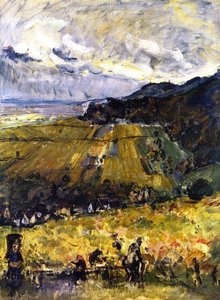
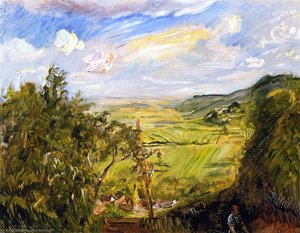
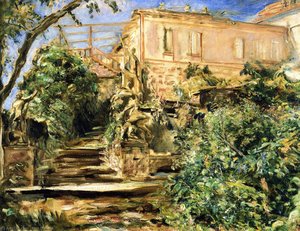
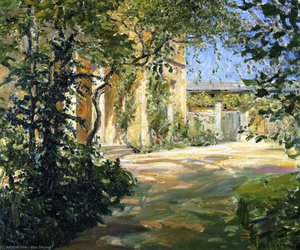
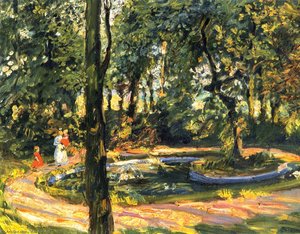
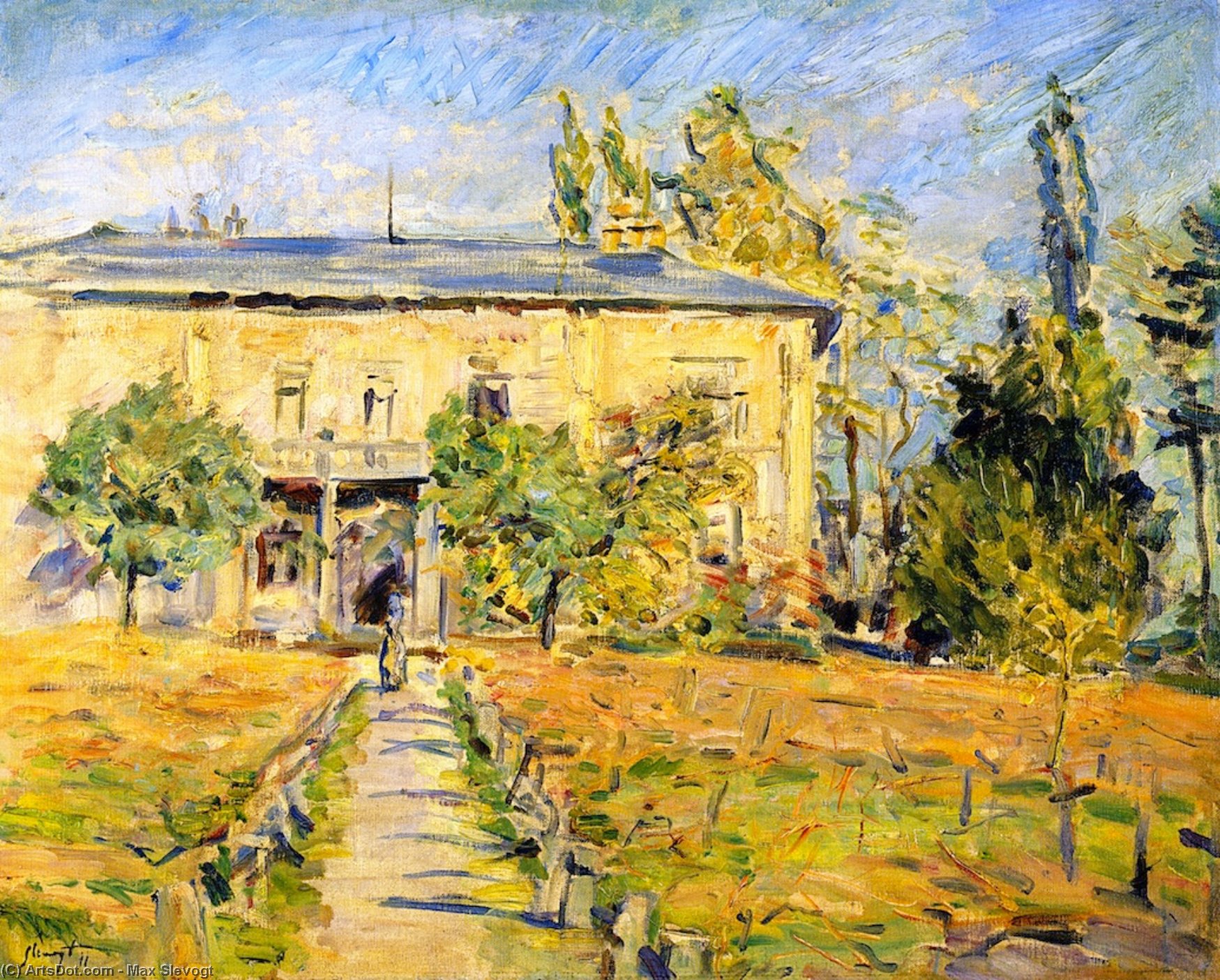
The Country House in Godramstein (West Side)


 Read More
Hand Made Oil Reproduction
Hand-painted oil on canvas in your size and frame, made to order by our artists. ( Buy Print Buy Image)




P118B $10

P118H $10

P118W $10

P438Z $10

P508JH $12

P508YH $12

P805H $10

P805Z $10

P919BZ $10

P919G $10

P919XJ $10

P959ZH $10

P968JZ $12

W106C $8

W218G $10

W218JH $8

W218Y $10

W307PJ $10

W316G $10

W316PJ $8

W316Y $10

W398PJ $8

W4111J $10

W500HY $15

W500JH $15

W692G $12

W849H $8

W940BG $15

W953PJ $8




Pick from our preset sizes that match the artwork's original proportions.

You may enter your own dimensions to fit a specific frame or space. If your selected size does not match the original image's proportions, we will either crop the artwork or extend the painting with additional hand-painted elements. A digital mockup will be sent for your approval before production begins.
Please note that the on-screen preview does not reflect the actual cropping or extension. Only the mockup will accurately show the final composition.
While custom sizes are available, we recommend selecting a dimension from the predefined list to preserve the original proportions.
After order, ArtsDot.com team will email client for instructions and provide a mockup preview
Worldwide Delivery () in 3/4 weeks instead of standard 5 weeks. (16 August). No compromise on quality.

Free Worldwide Express Shipping

High-Quality Linen Canvas

Full Shipping Insurance

Customs Tax Refund Guarantee

True Color Matching Guarantee

60-Day Return Policy (Defects Only)

100% Money-Back Guarantee

Bulk Discount Offer
 Glass option is only available in size under 110 CM

The Country House in Godramstein (West Side)
Reproduction Medium
Reproduction Size
-


Total Price
$ 263
Artwork Description
A Symphony of Light and Rural Serenity
In the quietude of 1911, Max Slevogt captured a moment of profound stillness in his masterpiece, The Country House in Godramstein (West Side). This exquisite oil on canvas serves as more than just a depiction of a German estate; it is a window into a world where nature and architecture exist in perfect, rhythmic harmony. The scene unfolds with a grand, white-facaded country house that stands as a beacon of stability amidst the lush, verdant surroundings. As the eye wanders across the canvas, one notices the delicate interplay of light filtering through dense foliage, casting soft shadows that dance upon the ground. Slevogt masterfully introduces a sense of human vitality by depicting figures strolling along the sidewalk, their presence breathing life into the landscape and transforming a static architectural study into a living, breathing narrative of rural existence.
The technique employed in this work is a testament to Slevogt’s evolution as a pioneer of Plein Air Impressionism. Moving away from the somber, academic tones of his early training in Munich, he embraces a palette that celebrates the brilliance of the natural world. His brushstrokes are bold and energetic, yet they possess a controlled grace that allows the viewer to feel the texture of the leaves and the solidity of the manor walls. This approach captures the fleeting essence of light—the way it glints off windows and softens the edges of distant trees—creating an atmosphere that feels both immediate and eternal. For the discerning collector or interior designer, this painting offers a sophisticated balance of movement and tranquility, making it a centerpiece capable of anchoring a room with its luminous energy.
Historical Resonance and Artistic Legacy
To understand the depth of this painting, one must consider Slevogt’s pivotal journey from the rigid structures of the Munich Academy to the revolutionary light of Paris. Influenced by masters like Édouard Manet, Slevogt brought a French sensibility back to the German landscape, blending elements of Impressionism with a burgeoning Expressionist spirit. The Country House in Godramstein (West Side) stands at this stylistic crossroads, where the objective observation of nature meets the subjective emotional response to beauty. The painting does not merely record a location; it interprets the feeling of a summer afternoon, evoking a sense of nostalgia and peace that resonates deeply with the modern viewer.
For those looking to bring the timeless elegance of the early 20th century into their personal spaces, a high-quality reproduction of this work offers an unparalleled opportunity. The way Slevogt utilizes color—vibrant greens, crisp whites, and soft earth tones—allows the piece to integrate seamlessly into various interior aesthetics, from classical traditionalism to contemporary minimalist settings. Owning such a piece is an invitation to experience the quiet majesty of the German countryside every day, providing a constant source of inspiration and a sophisticated connection to the golden age of European Impressionism.
Related Artworks
Artist Biography
The Luminous Legacy of Max Slevogt
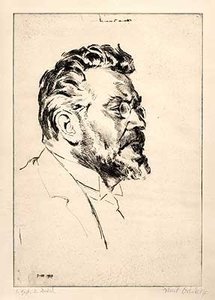
Max Slevogt stands as a cornerstone figure in German Impressionist painting, recognized for his masterful depictions of landscapes and his ability to capture the fleeting beauty of nature with remarkable sensitivity. Born in Landshaw, Bavaria, in 1868, he embarked on an artistic journey that would see him evolve from dark, academic tonal sketches into vibrant canvases brimming with light and color—a stylistic shift emblematic of the broader movement reshaping European art at the turn of the century. His early years were spent honing his skills at the Munich Academy, where he initially explored darker palettes and techniques influenced by the prevailing academic style of the era.
However, a pivotal visit to Paris in 1889 ignited a profound transformation within his artistic soul. Exposed to the revolutionary ideas championed by masters like Édouard Manet, Slevogt’s vision was propelled toward a bolder approach that prioritized direct observation of the natural world. This encounter with the French avant-garde breathed life into his brushwork, encouraging him to embrace plein air painting and to seek out the ephemeral dance of light upon the landscape. His work began to pulse with an atmospheric vitality, moving away from rigid studio compositions toward a more spontaneous and sensory engagement with reality.
A Mastery of Light and Landscape
While Slevogt's prolific output spanned various genres including illustration, portraiture, and genre scenes, landscapes consistently dominated his magnificent oeuvre. He achieved particular renown for his evocative portrayals of Bavaria’s alpine regions, particularly Neukastel, which became his lifelong home and served as an enduring source of inspiration. His canvases are celebrated for their ability to capture the subtle nuances of light and shadow, demonstrating a meticulous attention to texture and color that distinguishes him from many of his contemporaries.
The artist's technical evolution is marked by several key characteristics:
- Dynamic Brushwork: A transition from controlled, academic strokes to more fluid, energetic applications of paint.
- Chromatic Brilliance: An increasing reliance on a vibrant palette to convey the warmth of sunlight and the coolness of twilight.
- Atmospheric Depth: The use of soft edges and light diffusion to recreate the feeling of moisture, mist, and air within a scene.
Beyond the serene beauty of his landscapes, Slevogt possessed a remarkable capacity for capturing the weight of human history. His later works reflect a deeper, more somber engagement with the world, including evocative depictions of Egypt and the harrowing horrors of World War I. This ability to pivot from the idyllic to the profound demonstrates the emotional range that defines his greatness.
Cultural Influence and Historical Significance
Beyond his individual artistic accomplishments, Slevogt’s involvement in cultural institutions further cemented his position within the intellectual landscape of Weimar Germany. As a prominent member of the Berlin Secession and the Prussian Academy of Arts, he was at the heart of the era's most significant aesthetic debates. He embraced the avant-garde spirit while maintaining a steadfast commitment to traditional artistic principles, allowing him to bridge the gap between classical training and modern innovation.
His versatility even extended into the performing arts; notably, he designed scenery for Mozart's Don Giovanni, showcasing his ability to translate his painterly vision into theatrical space. Through his work in magazines like Simplicissimus and his enduring influence on German Impressionism, Max Slevogt left an indelible mark on the history of art. He remains a celebrated figure whose work continues to resonate with anyone moved by the interplay of light, color, and the eternal spirit of nature.
Max Slevogt
1868 - 1932 , Germany
Quick Facts
- Artistic Movement Or Style: Impressionism
- Artists Or Movements Influenced By This Artist: ['Berlin Secession']
- Artists Who Influenced This Artist: ['Edouard Manet']
- Date Of Birth: 1868
- Date Of Death: 1932
- Full Name: Max Slevogt
- Nationality: German
- Notable Artworks:
- Grape Harvest at Neukastel
- Moonlit NIght at Neukastel - View of the Madenburg by Moonlight
- Landscape at Godramstein - Clouds Passing
- Place Of Birth: Landshut, Germany
Related Articles
Max Ernst's Masterpieces: 25 Surreal Visions for Art Lovers & Home Decor
Journey into the surreal world of Max Ernst! Explore 25 iconic paintings, from Dada to abstract expressionism. Discover the stories behind his masterpieces & find museum-quality art reproductions for your home decor at ArtsDot.com.

Impressionism's Masterpieces: 10 Paintings That Defined a Movement | ArtsDot
Journey through Impressionism's heart with 10 iconic paintings by Monet, Renoir & Degas. Explore light, color & the stories behind these masterpieces. Find museum-quality art reproductions and elevate your home decor on ArtsDot.com.

Cézanne's Masterpieces: 25 Iconic Artworks to Transform Your Space
Journey through 25 iconic artworks by Paul Cézanne – a master of Impressionism and Post-Impressionism. Explore his landscapes, still lifes, and the stories behind these timeless masterpieces. Discover museum-quality reproductions & curated decor at ArtsDot.com.
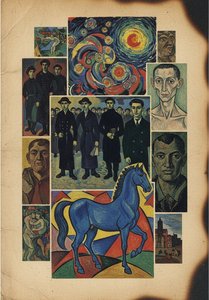
German Expressionism's 10 Defining Masterpieces | Art for Your Home
Explore 10 defining German Expressionism masterpieces – from Munch's 'The Scream' to Kandinsky’s abstracts. Discover the artists, stories & bold colors behind this powerful art movement. Find museum-quality reproductions at ArtsDot.com.
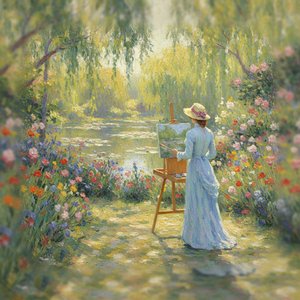
Fleeting Moments & Radiant Light: Exploring the Enduring Legacy of Impressionism
Explore the captivating world of Impressionism! Discover its history, key artists like Monet & Renoir, defining techniques, and lasting impact on modern art. Expert insights for collectors.