 Preview
 Send
Send Share
Share
 Details

 Download
 Similars
 X-Ray
X-Ray Diaporama
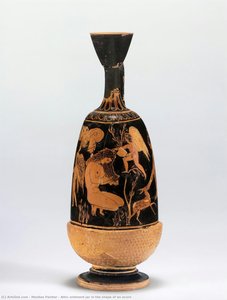
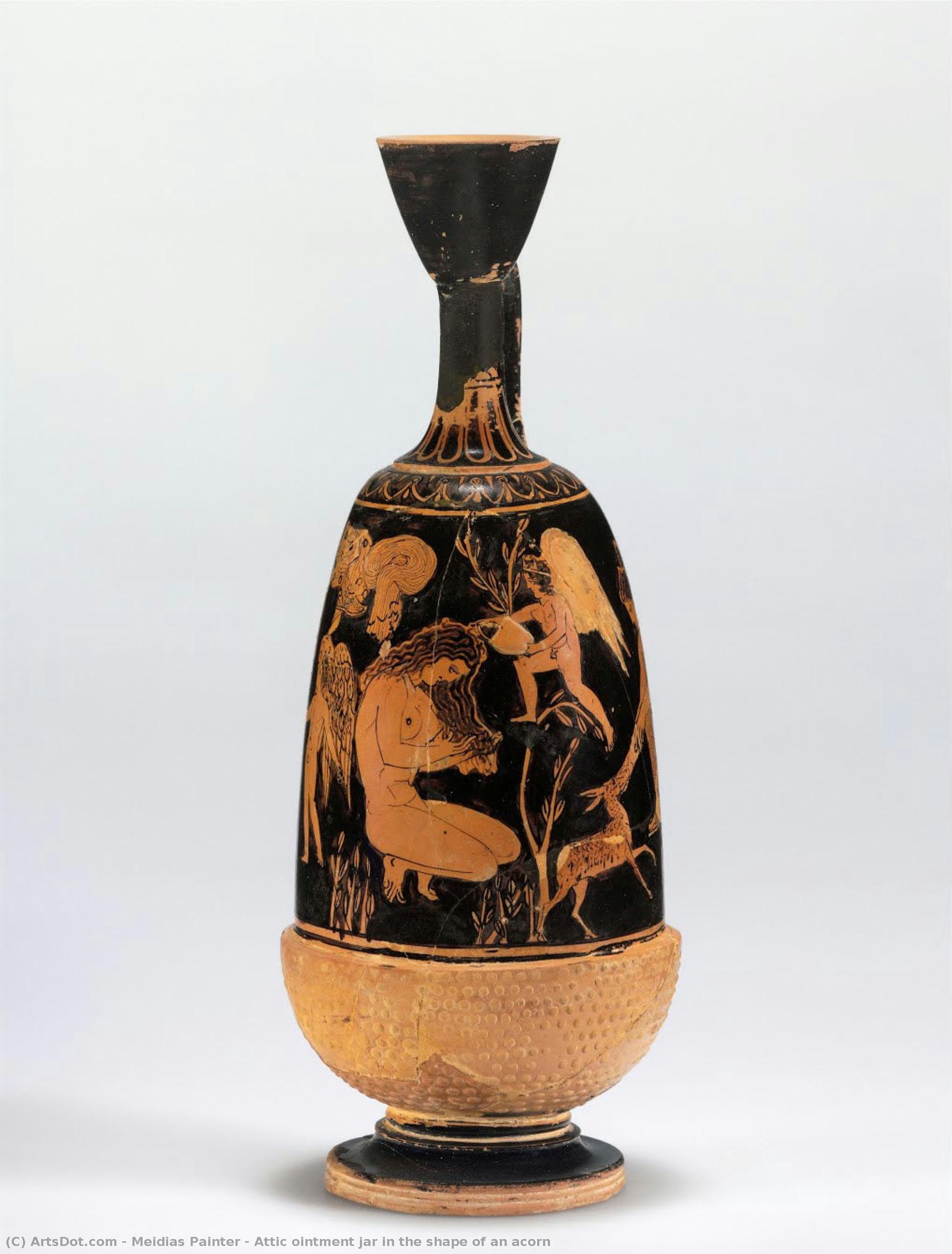
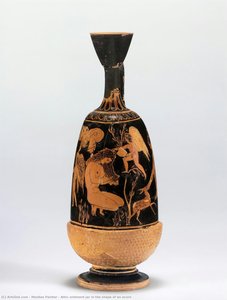
Attic ointment jar in the shape of an acorn


 Read More
Hand Made Oil Reproduction
Hand-painted oil on canvas in your size and frame, made to order by our artists. ( Buy Print Buy Image)




































Pick from our preset sizes that match the artwork's original proportions.

You may enter your own dimensions to fit a specific frame or space. If your selected size does not match the original image's proportions, we will either crop the artwork or extend the painting with additional hand-painted elements. A digital mockup will be sent for your approval before production begins.
Please note that the on-screen preview does not reflect the actual cropping or extension. Only the mockup will accurately show the final composition.
While custom sizes are available, we recommend selecting a dimension from the predefined list to preserve the original proportions.
After order, ArtsDot.com team will email client for instructions and provide a mockup preview
Worldwide Delivery () in 3/4 weeks instead of standard 5 weeks. (28 August). No compromise on quality.

Free Worldwide Express Shipping

High-Quality Linen Canvas

Full Shipping Insurance

Customs Tax Refund Guarantee

True Color Matching Guarantee

60-Day Return Policy (Defects Only)

100% Money-Back Guarantee

Bulk Discount Offer
 Glass option is only available in size under 110 CM

Attic ointment jar in the shape of an acorn
Reproduction Medium
Reproduction Size
-


Total Price
$ 313
Related Artworks


Artist Biography
The Master of the Red-Figure Revolution
In the golden twilight of the Athenian Classical period, a name emerged that would forever alter the trajectory of Greek ceramic art: the Meidias Painter. While many artists of the fifth century BCE were content with the rigid traditions of their predecessors, this visionary creator breathed a new, fluid life into the medium of red-figure pottery. Active during the final quarter of the 5th century BCE, specifically around 420 to 400 BCE, his work represents a pinnacle of elegance and complexity. He did not merely paint vessels; he transformed clay into theatrical stages where myths unfolded with unprecedented grace and movement.
The very identity of this artist is inextricably linked to the craft of the potter. He derives his name from a signature found on a magnificent hydria—a water jar—created by a potter named Meidias. This connection highlights the collaborative spirit of the Athenian workshops, where the synergy between the vessel's form and its painted narrative reached its zenith. Through his brush, the starker, more muscular styles of the earlier Archaic period gave way to a delicate, almost ethereal aesthetic characterized by flowing drapery, intricate patterns, and a profound sense of lyricism.
A Symphony of Line and Myth
To gaze upon a work attributed to the Meidias Painter is to witness a masterclass in the red-figure technique. Unlike the older black-figure method, which relied on silhouette, the red-figure process allowed the artist to use fine, hair-like lines to define anatomy and the cascading folds of garments. This technical freedom enabled him to pursue much more ambitious compositions. His canvases—ranging from oinochoai (wine jugs) to belly lekythoi and kantharoi—were often populated by sprawling, multi-character narratives that seemed to dance across the curved surfaces of the pottery.
His subject matter was deeply rooted in the mythological tapestry of Ancient Greece, yet he approached these tales with a unique emotional depth. He was particularly drawn to scenes of divine romance and pastoral beauty, often focusing on the legends of Dionysus and Ariadne. One of his most celebrated achievements is the legendary Meidias Hydria, housed in the British Museum, which depicts the abduction of the daughters of Leucippus. The sheer intricacy of the gilded details and the rhythmic arrangement of the figures led the great art historian Johann Joachim Winckelmann to famously describe it as "the finest and most beautiful drawing in the world."
Legacy and Artistic Influence
The significance of the Meidias Painter extends far beyond the confines of the Athenian workshops. His stylistic innovations acted as a bridge between the robust energy of the mid-5th century and the refined, almost decadent elegance that would characterize the later Classical era. By prioritizing expressive dynamism and ornamental beauty over strict anatomical realism, he paved the way for a new school of thought in both painting and sculpture.
His enduring impact can be summarized through several key artistic contributions:
- Narrative Complexity: He moved away from isolated figures toward integrated, cinematic group scenes that utilized the entire vessel surface.
- Textural Mastery: His ability to render the weightless, fluttering quality of fine fabric set a new standard for Athenian craftsmanship.
- Emotional Lyricism: He introduced a sense of grace and soft sentimentality to mythological storytelling, moving away from purely heroic or violent depictions.
- Lasting Inspiration: The motifs found in his work influenced subsequent generations of vase painters and even the development of Greek relief sculpture.
Today, the works attributed to the Meidias Painter remain some of the most coveted treasures of antiquity. They serve as a poignant reminder of a moment in history when art achieved a perfect, fleeting balance between technical precision and poetic imagination, leaving an indelible mark on the soul of Western classical tradition.
meidias painter
Greece
Quick Facts
- Artistic Movement Or Style: Attic red-figure vase painting
- Artists Or Movements Influenced By This Artist: ['Later artists']
- Artists Who Influenced This Artist: ['Eretria painter']
- Date Of Birth: (Athens, Greece)
- Date Of Death: Living
- Full Name: meidias painter
- Nationality: Greek
- Notable Artworks: ['Attic ointment jar in the shape of an acorn']
- Place Of Birth: Athens, Greece
Related Articles

Crimson Threads of Narrative: Exploring Symbolism & Representation in Artworks Featuring the Red Dress
Explore the rich symbolism of the red dress in art history! From ancient power displays to iconic portraits like Cézanne’s 'Madame Cezanne', discover the cultural and artistic significance behind this captivating color. Expert analysis & insights.
Echoes of Olympus: Mythological Narratives in Western Art Through the Ages
Explore the captivating history of mythological narratives in Western art! From ancient Greece to modern masterpieces, discover iconic artworks & symbolism. Expert analysis and high-quality reproductions at ArtsDot.

Mark Rothko's Masterpieces: 25 Paintings That Define Abstract Expressionism | ArtsDot
Explore 25 iconic Mark Rothko paintings that define Abstract Expressionism. Discover the stories, colors & emotions behind these masterpieces. Find museum-quality art reproductions and curated decor ideas at ArtsDot.com.
Echoes of Antiquity: Exploring Themes & Techniques in Classical Art Masterpieces
Explore the timeless beauty & profound themes of Classical art! Discover Greek & Roman masterpieces, Neoclassical revivals, and the enduring influence on artistic movements. Expert insights & high-quality reproductions at ArtsDot.
Henri Matisse's Masterpieces: Explore 25 Iconic Paintings & Art Decor Ideas
Journey through Henri Matisse's 25 most iconic paintings! Explore Fauvism, vibrant colors & the stories behind masterpieces like 'The Dance'. Find museum-quality art reproductions and curated decor ideas to elevate your space. Discover all masterpieces on ArtsDot.com.