 Preview
 Send
Send Share
Share
 Details

 Download
 Similars
 X-Ray
X-Ray Diaporama
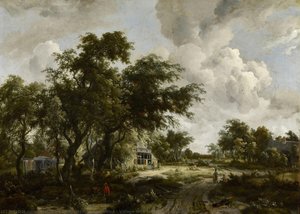
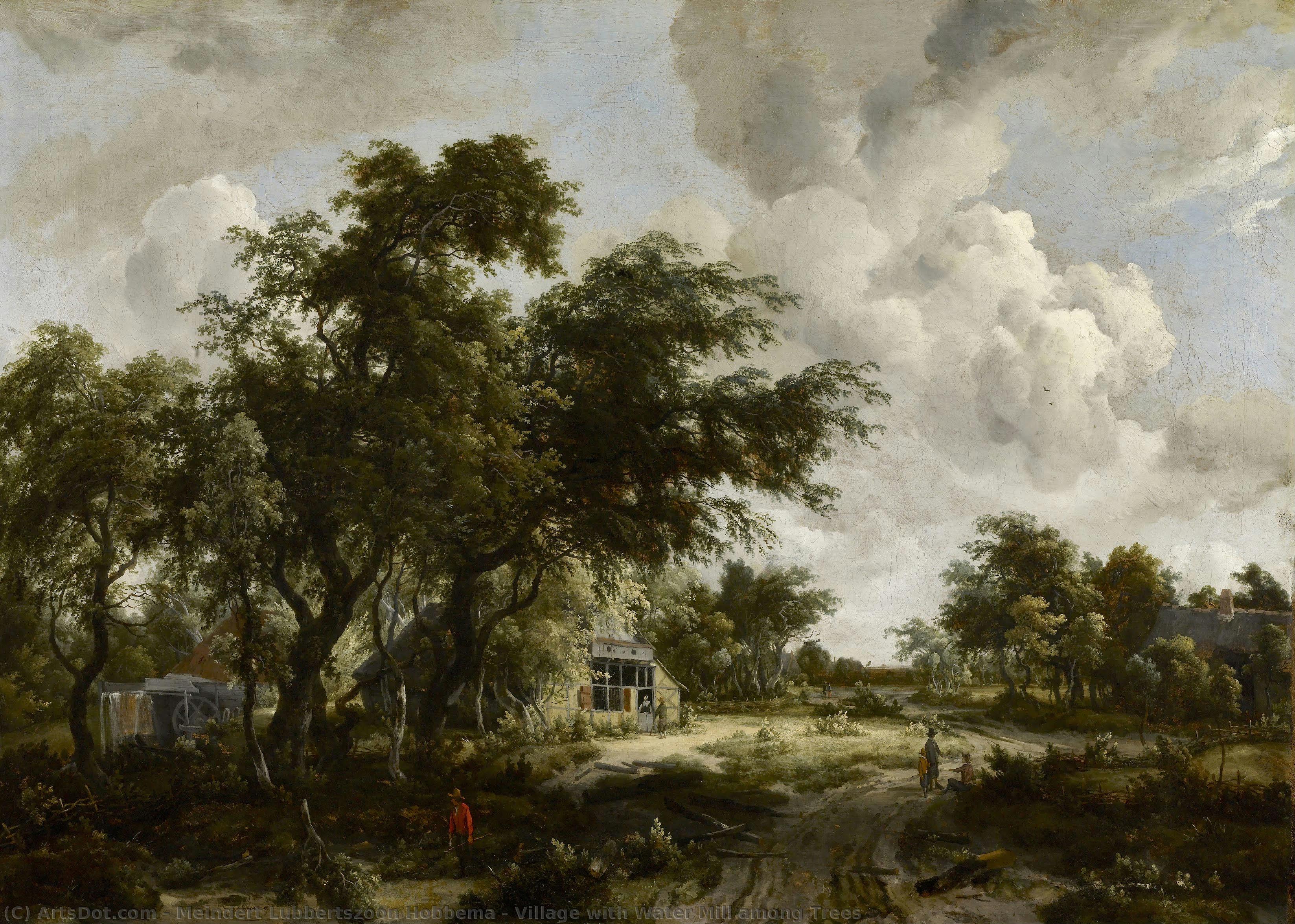
Village with Water Mill among Trees
 Acrylic On Canvas
- WallArt
- Dutch Golden Age Landscape
 1665
1665 94.0 x 129.0 cm
 The Frick Collection
 Read More
Hand Made Oil Reproduction
Hand-painted oil on canvas in your size and frame, made to order by our artists. ( Buy Print Buy Image)




P118B $10

P118H $10

P118W $10

P438Z $10

P508JH $12

P508YH $12

P805H $10

P805Z $10

P919BZ $10

P919G $10

P919XJ $10

P959ZH $10

P968JZ $12

W106C $8

W218G $10

W218JH $8

W218Y $10

W307PJ $10

W316G $10

W316PJ $8

W316Y $10

W398PJ $8

W4111J $10

W500HY $15

W500JH $15

W692G $12

W849H $8

W940BG $15

W953PJ $8




Pick from our preset sizes that match the artwork's original proportions.

You may enter your own dimensions to fit a specific frame or space. If your selected size does not match the original image's proportions, we will either crop the artwork or extend the painting with additional hand-painted elements. A digital mockup will be sent for your approval before production begins.
Please note that the on-screen preview does not reflect the actual cropping or extension. Only the mockup will accurately show the final composition.
While custom sizes are available, we recommend selecting a dimension from the predefined list to preserve the original proportions.
After order, ArtsDot.com team will email client for instructions and provide a mockup preview
Worldwide Delivery () in 3/4 weeks instead of standard 5 weeks. (23 August). No compromise on quality.

Free Worldwide Express Shipping

High-Quality Linen Canvas

Full Shipping Insurance

Customs Tax Refund Guarantee

True Color Matching Guarantee

60-Day Return Policy (Defects Only)

100% Money-Back Guarantee

Bulk Discount Offer
 Glass option is only available in size under 110 CM

Village with Water Mill among Trees
Reproduction Medium
Reproduction Size
-


Total Price
$ 263
Artwork Description
A Tranquil Vision of Dutch Rural Life: Village with Water Mill Among Trees by Meindert Lubbertszoon Hobbema
Meindert Lubbertszoon Hobbema’s “Village with Water Mill Among Trees,” painted in 1665, stands as a quintessential emblem of the Dutch Golden Age landscape tradition. More than just a depiction of scenery—it's an embodiment of humanist ideals and a masterful demonstration of artistic skill that continues to resonate with audiences today.
- Subject Matter: The painting captures a picturesque village nestled within a dense woodland, dominated by towering trees illuminated by dappled sunlight. A prominent water mill occupies the center of the composition, symbolizing industriousness and harnessing natural power – a recurring motif in Hobbema’s oeuvre.
- Style & Technique: Hobbema adhered to the prevailing Baroque style, prioritizing atmospheric perspective—a technique perfected during this period—to create an illusion of depth. Soft brushstrokes blend seamlessly together, conveying a sense of tranquility and realism. The artist meticulously rendered textures, from the rough bark of trees to the weathered stone of buildings, enhancing the visual experience.
- Historical Context: Painted during Hobbema’s formative years, “Village with Water Mill Among Trees” reflects the burgeoning interest in scientific observation and natural history that characterized the era. It aligns perfectly with the broader artistic movement focused on portraying idealized representations of rural landscapes—a deliberate counterpoint to the grandeur of urban commissions.
- Symbolism: The inclusion of a horse adds an element of pastoral charm, representing freedom and connection to the land. The water mill itself symbolizes not only practical utility but also spiritual aspiration – transforming raw natural energy into productive labor. These subtle symbolic gestures elevate the painting beyond mere visual pleasure.
- Emotional Impact: Viewing “Village with Water Mill Among Trees” evokes feelings of serenity, nostalgia, and appreciation for the beauty of unspoiled nature. Hobbema’s masterful rendering captures a moment frozen in time—a scene brimming with warmth and inviting contemplation. It speaks to an enduring human desire for harmony between humanity and the environment.
This artwork exemplifies Hobbema's dedication to capturing the essence of Dutch countryside, cementing his place as one of the most celebrated landscape painters of his time. A reproduction offers a stunning glimpse into this remarkable artistic achievement.
Related Artworks



Artist Biography
early life and training
meindert lubbertszoon hobbema, a prominent dutch golden age painter, was born in amsterdam in 1638. baptized on october 31, 1638, hobbema's early life is marked by a brief period in an orphanage from 1653. however, by 1655, he had left the orphanage and begun his artistic training under the guidance of jacob van ruisdael, a leading amsterdam landscapist.artistic career and style
hobbema's artistic career, spanning over four decades, is characterized by his specialization in woodland landscapes. his paintings, often featuring sun-dappled forests, rustic water mills, and tree-lined roads, are quintessential representations of the dutch golden age's bucolic scenes.- the avenue at middelharnis (1689, national gallery, london), a masterpiece from this period, showcases hobbema's skill in capturing the serenity of the dutch countryside.
- other notable works include cottages in a forest (mauritshuis, the hague) and woodland landscape with a water mill (rijksmuseum, amsterdam).
later life and legacy
in 1668, hobbema took on the role of an inspector of imported wines in amsterdam, a position that allowed him to continue painting, albeit at a slower pace. despite his relatively unknown status during his lifetime, hobbema's influence on later artists, such as john constable, is undeniable. today, hobbema's works are held in the collections of various museums, including:- mauritshuis royal picture gallery (the hague)
- rijksmuseum (amsterdam)
- national gallery (london)
- meindert lubbertszoon hobbema | 3 artworks
- the museum huis ten bosch (the hague, netherlands) - a comprehensive guide
references:
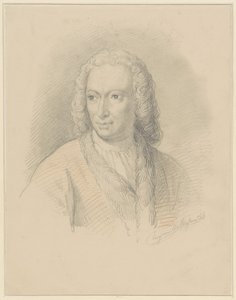
meindert lubbertszoon hobbema
1638 - 1709 , Netherlands
Related Articles

Dutch Masters: 10 Golden Age Paintings That Still Inspire |
Journey into the Dutch Golden Age! Explore 10 iconic paintings by Rembrandt, Vermeer & Hals. Discover the stories behind these Baroque masterpieces and find museum-quality art reproductions to elevate your home decor on .

Golden Age Reflections: Dutch Baroque Painting & Cultural Innovation
Explore the Dutch Golden Age of painting! Discover key artists like Vermeer & ter Borch, their innovative techniques, and the rich cultural context behind these Baroque masterpieces. Learn about collecting & appreciating this iconic art period.

Illuminating Innovation: Exploring the Dutch Golden Age of Painting
Explore the Dutch Golden Age of painting with ArtsDot. Discover Rembrandt, Vermeer & other Masters. Learn about key characteristics, iconic artworks, and lasting influence. Expert insights for collectors & enthusiasts.
Illuminating Realism: Exploring the Dutch Golden Age of Painting (1600-1700)
Explore the Dutch Golden Age of painting (1600-1700) with ArtsDot. Discover Rembrandt, Vermeer & other masters. Learn about techniques, history & find museum-quality reproductions.
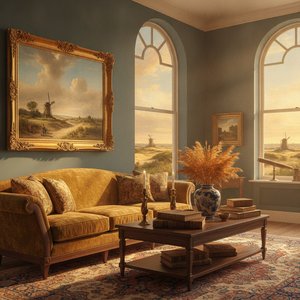
Golden Light & Dutch Skies: Bringing the Magic of Dutch Golden Age Landscapes into Your Home
Transform your home with the breathtaking light of Dutch Golden Age landscapes. Discover how hand-painted oil reproductions of masterworks like Ruisdael and Vermeer bring timeless elegance, atmosphere, and soulful texture to modern interiors. Elevate your space with museum-quality art.