 Preview
 Send
Send Share
Share
 Details

 Download
 Similars
 X-Ray
X-Ray Diaporama
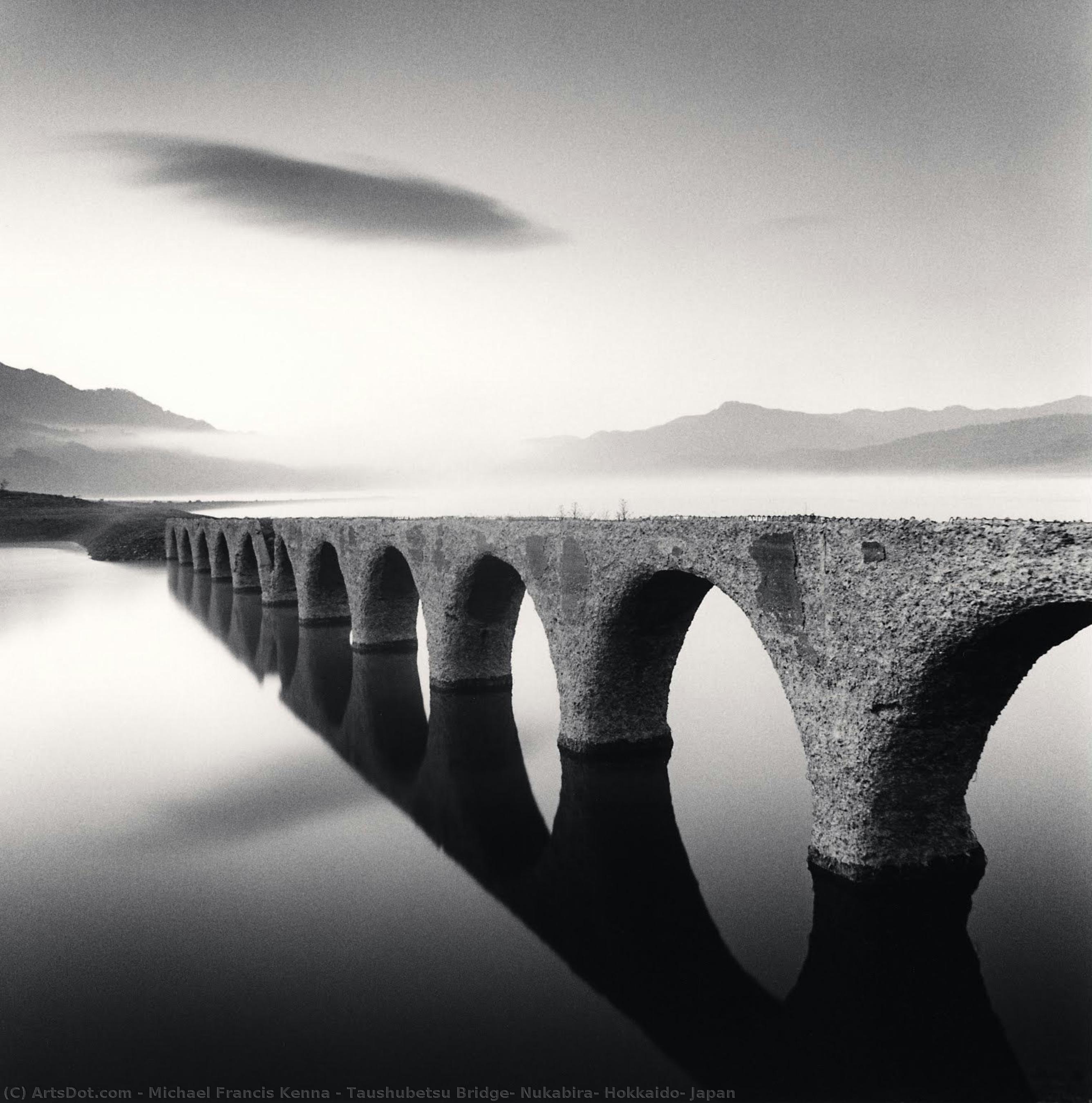
Taushubetsu Bridge, Nukabira, Hokkaido, Japan


 Read More
Hand Made Oil Reproduction
Hand-painted oil on canvas in your size and frame, made to order by our artists. ( Buy Print Buy Image)




P118B $10

P118H $10

P118W $10

P438Z $10

P508JH $12

P508YH $12

P805H $10

P805Z $10

P919BZ $10

P919G $10

P919XJ $10

P959ZH $10

P968JZ $12

W106C $8

W218G $10

W218JH $8

W218Y $10

W307PJ $10

W316G $10

W316PJ $8

W316Y $10

W398PJ $8

W4111J $10

W500HY $15

W500JH $15

W692G $12

W849H $8

W940BG $15

W953PJ $8




Pick from our preset sizes that match the artwork's original proportions.

You may enter your own dimensions to fit a specific frame or space. If your selected size does not match the original image's proportions, we will either crop the artwork or extend the painting with additional hand-painted elements. A digital mockup will be sent for your approval before production begins.
Please note that the on-screen preview does not reflect the actual cropping or extension. Only the mockup will accurately show the final composition.
While custom sizes are available, we recommend selecting a dimension from the predefined list to preserve the original proportions.
After order, ArtsDot.com team will email client for instructions and provide a mockup preview
Worldwide Delivery () in 3/4 weeks instead of standard 5 weeks. (27 August). No compromise on quality.

Free Worldwide Express Shipping

High-Quality Linen Canvas

Full Shipping Insurance

Customs Tax Refund Guarantee

True Color Matching Guarantee

60-Day Return Policy (Defects Only)

100% Money-Back Guarantee

Bulk Discount Offer
 Glass option is only available in size under 110 CM

Taushubetsu Bridge, Nukabira, Hokkaido, Japan
Reproduction Medium
Reproduction Size
-


Total Price
$ 263
Artwork Description
Taushubetsu Bridge: A Meditation on Minimalism and Landscape Harmony
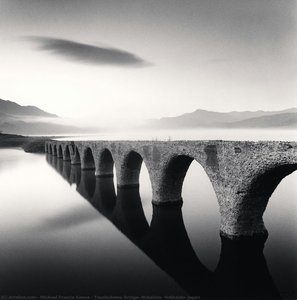
The Taushubetsu Bridge in Nukabira, Hokkaido, Japan, stands as an emblem of understated beauty—a testament to the vision of Michael Francis Kenna and a captivating subject for contemplation. More than just a structure spanning a river, it embodies a philosophy rooted in simplicity and observation, qualities that define Kenna’s distinctive artistic style. This photograph isn't merely documenting a place; it’s inviting us into a carefully crafted dialogue between man-made form and the natural world.Composition and Light: Embracing Silence
Kenna’s masterful composition immediately establishes dominance with the bridge itself, positioned centrally against the backdrop of rolling hills and distant mountains shrouded in atmospheric haze. The symmetry is deliberate—a mirroring effect across the calm water below—creating a visual equilibrium that speaks to a profound sense of stillness. Crucially, the diffused lighting – characteristic of overcast days or early morning light – eliminates harsh shadows, fostering an environment conducive to quiet reflection. This gentle illumination allows subtle tonal variations within the grayscale palette to emerge, revealing textures and contours with remarkable sensitivity. The photographer’s eye seeks not grand spectacle but rather the understated elegance found in capturing a fleeting moment of natural harmony.Technique: Long Exposure and Precise Detail
The photograph's execution likely involved utilizing a long exposure technique—a deliberate choice that ensures a flawlessly smooth surface on the water, effectively erasing ripples and conveying an illusion of tranquility. Coupled with Kenna’s meticulous attention to detail, this method allows for capturing nuanced textures – from the rough stone or concrete of the bridge structure to the soft haze enveloping the mountains – enhancing the overall visual experience. The photographer's skill lies in transforming ordinary scenery into extraordinary art through careful manipulation of light and time.Historical Context: Kenna’s Minimalist Legacy
Michael Francis Kenna emerged as a prominent figure in landscape photography during the late 20th century, aligning himself with a broader movement toward minimalism that rejected excessive ornamentation and prioritized pure form. Influenced by Japanese Zen Buddhism—a tradition deeply ingrained in Kenna's upbringing—his work reflects an aesthetic sensibility focused on capturing essential qualities of place without embellishment. Like many artists of his era, Kenna sought to distill the essence of nature into its purest visual representation, rejecting representational accuracy for a more emotive response from the viewer.Symbolism and Emotional Resonance: Beyond Representation
The monochrome palette—a deliberate rejection of color—amplifies the photograph’s contemplative mood, inviting viewers to engage in introspection rather than passive observation. The bridge itself symbolizes connection – bridging the gap between human endeavor and the grandeur of the landscape – while its symmetrical composition reinforces a sense of balance and harmony. Ultimately, Taushubetsu Bridge encapsulates Kenna's artistic ethos: an invitation to appreciate beauty not as something to be grasped or analyzed but as something to be experienced—a quiet communion with the sublime.A Reflection of Kenna’s Vision
This photograph exemplifies Kenna’s unwavering commitment to capturing the profound emotional impact of landscape, prioritizing subtle tonal shifts and textural nuances over dramatic visual effects. It stands as a powerful reminder that true artistry resides in recognizing and conveying the essence of place—a feat accomplished with remarkable grace and precision.Related Artworks

Artist Biography
A Life Etched in Silver: The World of Michael Kenna
Born in 1953 in the industrial heartland of Widnes, England, Michael Kenna’s journey to becoming one of contemporary photography's most celebrated landscape artists was not a direct path. His early life, steeped in the traditions of an Irish-Catholic working-class family, initially steered him toward religious vocation. Seven years spent at St Joseph’s College, a seminary school, instilled a sense of contemplation and discipline that would later profoundly shape his artistic vision. However, it was the allure of art – specifically, the power of visual expression – that ultimately captured his imagination. A pivotal moment arrived when he realized painting offered limited prospects for a livelihood in England; photography, with its potential for commercial application, presented a viable alternative. This pragmatic decision led him to the London College of Printing, where he honed his technical skills and began to explore the possibilities of the medium.Forging a Unique Aesthetic: Influences and Development
Kenna’s artistic development wasn't solely shaped by formal education. Exposure to the work of master European photographers like Atget, Emerson, and Sudek ignited his passion for landscape photography. He also deeply admired American artists such as Bernhard, Callahan, Sheeler, and Stieglitz, recognizing their diverse approaches to capturing the essence of place. A transformative experience came with meeting Ruth Bernhard in San Francisco, where he spent over a decade assisting her with printing. This mentorship proved invaluable, instilling in him a meticulous attention to detail and an unwavering commitment to quality craftsmanship. He absorbed not just technical expertise but also a philosophical approach to photography as a means of personal expression. The influence of the New Topographics movement – with its emphasis on objective representation – is discernible in his early work, yet Kenna quickly transcended mere documentation. He sought something more profound: an exploration of light, atmosphere, and the delicate interplay between nature and human intervention. A key element in this evolution was a growing fascination with Japanese aesthetics, particularly Zen Buddhism’s principles of simplicity, contemplation, and finding beauty in impermanence. The minimalist compositions of artists like Mark Rothko also resonated deeply, influencing his tendency to isolate specific elements within the landscape, creating spaces for quiet reflection.The Poetry of Long Exposure: Technique and Themes
Michael Kenna’s signature style is immediately recognizable. He eschews vibrant color in favor of the timeless elegance of black and white, emphasizing form, texture, and tonal range. His compositions are often minimalist, stripping away extraneous details to reveal the underlying essence of a scene. But perhaps his most defining characteristic is his masterful use of long exposure photography. These exposures, sometimes lasting several hours, transform ordinary landscapes into ethereal visions, blurring movement and creating a sense of stillness that transcends time. He frequently photographs at dawn or dusk, capturing fleeting moments of dramatic lighting and atmospheric conditions – mist-shrouded mountains, snow-covered trees, the subtle glow of twilight. Recurring themes permeate his work: the relationship between nature and human presence, the passage of time and the ephemeral quality of beauty, and a profound sense of solitude and contemplation. His projects span diverse geographical locations—from the iconic landscapes of Japan and China to the ancient castles and rural scenes of Italy and the United States—yet they are united by a consistent aesthetic vision.A Legacy in Light and Shadow: Achievements and Significance
Over a career spanning decades, Michael Kenna has achieved widespread recognition for his artistic contributions. His photographs have been exhibited in galleries and museums worldwide, captivating audiences with their quiet power and evocative beauty. His work is held in prestigious permanent collections, including the Bibliothèque Nationale in Paris, the National Gallery of Art in Washington D.C., the Tokyo Metropolitan Museum of Photography, and the Victoria and Albert Museum in London—testaments to his enduring influence on the art world. He has published numerous monographs showcasing his projects, solidifying his reputation as a leading figure in contemporary landscape photography. Kenna’s historical significance lies in his ability to transform ordinary landscapes into emotionally resonant images that invite viewers to slow down, observe their surroundings with greater attention, and appreciate the subtle beauty often overlooked. He challenges conventional notions of representation, offering not merely depictions of places but rather evocative interpretations that speak to universal themes of time, memory, and the human condition. His work has inspired a new generation of photographers seeking to capture the essence of place and atmosphere through minimalist compositions and long exposures, ensuring his legacy as an artist who truly sees—and helps us see—the world in a different light.Notable Series
- Japan: Extensive work showcasing iconic landscapes like bridges, trees, and temples shrouded in mist or snow.
- China: Documentation of the dramatic Huangshan Mountains and unique seaweed farms of Xiapu.
- Italy: Series featuring ancient castles and rural scenes bathed in soft light.
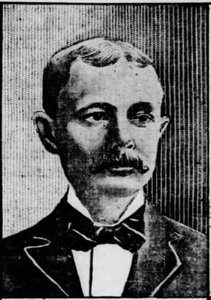
Michael Francis Kenna
1953 - , United Kingdom
Quick Facts
- Artistic Movement Or Style: Black & white landscape
- Artists Or Movements Influenced By This Artist: Contemporary landscape photography
- Artists Who Influenced This Artist:
- Robert Adams
- Lewis Baltz
- Mark Rothko
- Date Of Birth: 1953
- Full Name: Michael Francis Kenna
- Nationality: English
- Notable Artworks:
- Huangshan Mountains, Study 42
- Seaweed Farms, Study 3
- Taushubetsu Bridge
- Place Of Birth: Widnes, UK
Related Articles

Monochrome Visions: Exploring the Aesthetic & Historical Significance of Black & White Photography
Explore the rich history & artistic power of black and white photography. From early techniques to iconic masters like Ansel Adams, discover why monochrome continues to captivate art lovers today. Expert insights for collectors.

White on Canvas: 10 Masterpieces & Timeless Elegance for Your Home Decor
Explore 10 iconic white paintings by Monet, Whistler & Rothko! Discover the stories behind these serene masterpieces and their impact on art history. Find museum-quality reproductions for your home decor at .

Timeless & Chic: Elevating Your New Home with the Sophistication of Black and White Photography
Transform your new home with the timeless allure of black and white photography. ArtsDot.com specializes in elegant monochrome decor and custom hand-painted wedding portraits that turn cherished milestones into lasting, soulful masterpieces. Elevate your space with ease.
Beyond the Lens: Photography's Enduring Influence on Modern & Contemporary Art
Explore photography's pivotal role in shaping modern & contemporary art. Discover key movements, influential artists like Stieglitz, and expert collecting advice from ArtsDot.

Dark Masterpieces: 10 Iconic Paintings Dominated by Black Tones |
Explore 10 iconic paintings dominated by black tones, from Rembrandt’s chiaroscuro to Goya's dark expressions. Discover the stories behind these masterpieces & find museum-quality art reproductions for your home at .