

 Preview
 Send
Send Share
Share
 Details

 Download
 Similars
 X-Ray
X-Ray Diaporama
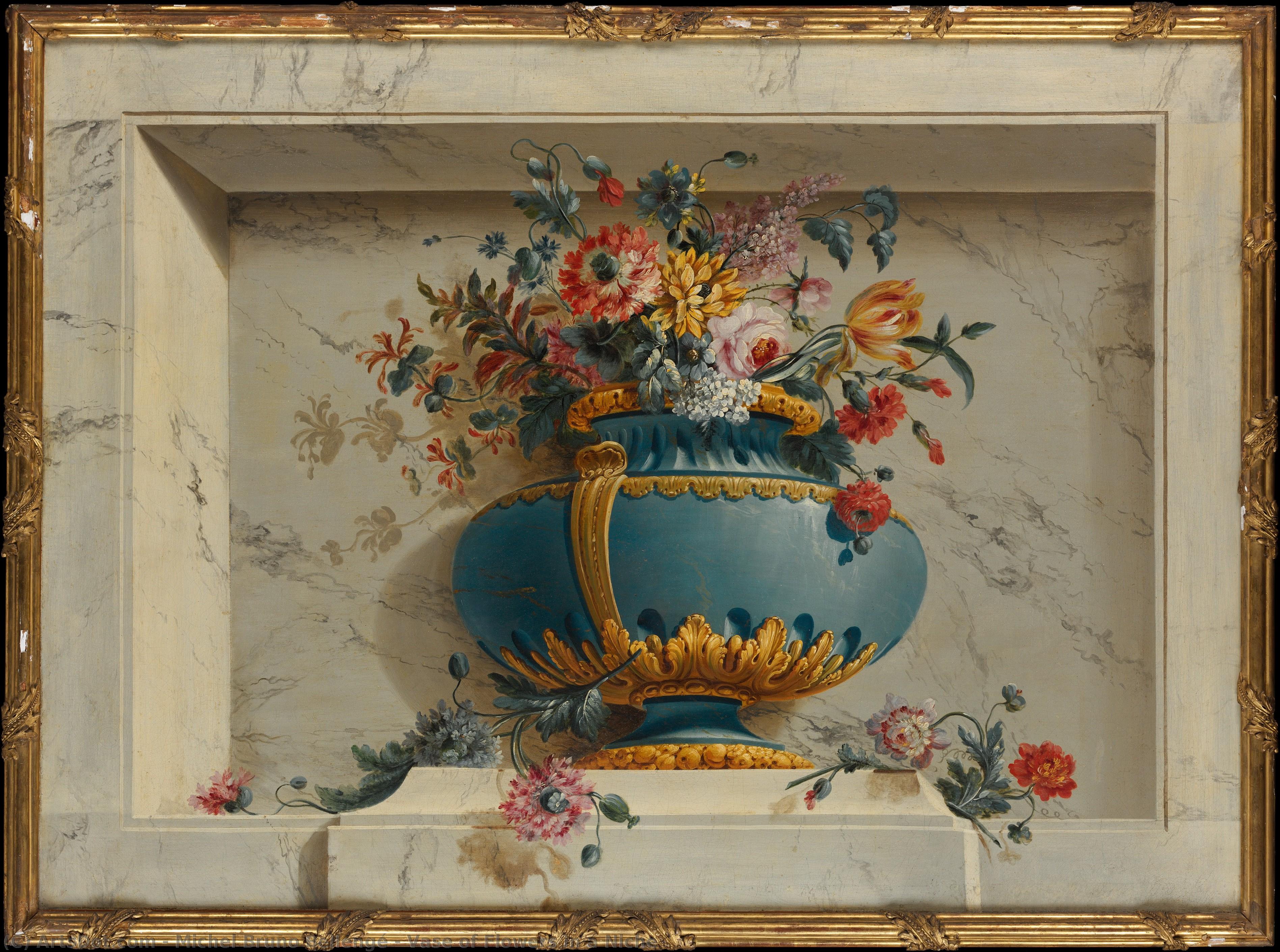
Vase of Flowers in a Niche
 123.0 x 140.0 cm
 Read More
Purchase a high-resolution, enhanced digital image, far superior to the online preview.
Each file is meticulously prepared by our in-house specialists using advanced tools and expert manual retouching. We ensure every image has exceptional clarity, precise color accuracy, and fine detail.
The final file is delivered via email within 72 hours, optimized for immediate use in professional, editorial, and print environments. This is the same quality trusted by top-tier design studios, publishers, and galleries.
Digital Image
Download a high-resolution file for personal display, printing, and creative projects. ( Buy Print Buy Hand Made Painting)
Included in Every Digital Image Order
Expert Digital Delivery, Guaranteed
When you choose ArtsDot.com, you're not just getting an image - you're receiving a professionally enhanced digital artwork, crafted with precision and backed by a satisfaction guarantee. Here's everything that comes with your order, automatically:

Fast Email Delivery
Your high-resolution digital image file will be emailed to you within 72 hours of ordering - ready for immediate use.

AI-Enhanced Digital File
Your artwork is professionally optimized using advanced AI tools and manual editing, ensuring maximum detail, clarity, and color accuracy.

Free Lifetime Re-Delivery
Accidentally deleted or lost your file? No worries - we'll resend it to you anytime, free of charge.

No Import Fees - Ever
Enjoy your artwork instantly with zero customs, duties, or delivery fees - digital downloads are always tax-free.

Color Accuracy Guarantee
We ensure your digital image reflects the original colors as closely as possible using professional tools and color management.

60-Day Satisfaction Guarantee
If you're not satisfied with your digital image, we'll revise it or refund 100% within 60 days - no questions asked.

100% Money-Back Guarantee
Not satisfied? Get a full refund within 60 days of receiving your digital file - no questions asked.

Bulk Order Discounts
Buy 3 images, save 10% - Buy 5, save 15% - Buy 10+, save 20%. Great for creative projects, galleries, and agencies.
Collectible Description
Related Artworks








Artist Biography
Michel-Bruno Bellengé: A Master of Floral Still Life in the Age of Enlightenment
Michel-Bruno Bellengé (1726 – 13 December 1793) emerges from the vibrant artistic landscape of Rouen, France, a period marked by both burgeoning naturalism and the formal elegance of the French court. His life, tragically cut short amidst the turmoil of the Revolution, nonetheless left an indelible mark on the world of art, particularly in the realm of floral still life. Bellengé’s legacy resides not just in his exquisite paintings but also in his pioneering role as a colorist and his contribution to the Rouen School, a movement that championed local talent and celebrated the beauty of the region.
Born into a large family in Rouen, Bellengé's artistic journey began with foundational training at the local drawing school. This early exposure instilled within him a deep appreciation for observation and detail – qualities he would later hone to breathtaking effect. He quickly distinguished himself through his talent for depicting flowers, vegetables, and fruits, initially working on enamel pieces before transitioning to oil paintings. His early successes were largely due to the guidance of Jean-Baptiste Descamps, the founder of the influential Rouen School, a group dedicated to capturing the nuances of nature with remarkable precision.
Bellengé’s artistic development was profoundly shaped by his association with Jean-Baptiste-Siméon Chardin, a master of domestic scenes and genre paintings. Chardin recognized Bellengé's potential and championed his work within the Académie Royale de Peinture et de Sculpture in Paris. This connection proved invaluable, providing Bellengé with access to resources, mentorship, and ultimately, acceptance into the prestigious artistic establishment. His appointment as director of the Turkey Carpet Factory in Trocadéro further solidified his position, affording him a unique opportunity to observe and document the intricate patterns and vibrant colors used in these luxurious textiles – an experience that undoubtedly influenced his own color palettes and compositional choices.
The Art of Enamel and the Pursuit of Naturalism
Bellengé’s early work focused heavily on painting flowers on enamel, a technique demanding exceptional skill and patience. The meticulous layering required to achieve the desired luminosity and depth was a significant challenge, yet Bellengé embraced it wholeheartedly. This experience undoubtedly contributed to his later success in oil painting, sharpening his eye for color and texture. He wasn’t simply rendering flowers; he was striving to capture their essence – their delicate structure, subtle variations in hue, and the way light played upon their surfaces.
His paintings of fruits and vegetables demonstrate a similar commitment to realism. Bellengé meticulously studied the forms, colors, and textures of these subjects, creating images that were both scientifically accurate and aesthetically pleasing. He moved beyond mere representation, imbuing his still lifes with a sense of life – capturing the fleeting beauty of a ripening peach or the vibrant freshness of a bunch of grapes. This pursuit of naturalism was characteristic of the era, reflecting a growing interest in scientific observation and a desire to accurately depict the world around us.
Collaboration and Artistic Influence
Bellengé’s career wasn't solely defined by his independent work; he also played a crucial role in the decoration of significant public spaces. His contributions to the ceiling paintings at La Celle-Saint-Cloud, under the direction of Jean-Baptiste Marie Pierre, showcased his ability to create large-scale compositions while maintaining a high level of detail and artistic quality. Furthermore, his involvement with the Savonnerie carpets – creating the drawings that guided their execution – demonstrates his versatility and his understanding of decorative arts.
His association with Jean-Baptiste-Henri Deshays further broadened his artistic horizons. Together, they produced elaborate designs for tapestries, showcasing a shared commitment to craftsmanship and visual harmony. Bellengé’s influence extended beyond these collaborations; he served as a mentor to younger artists, fostering the development of talent within the Rouen School and contributing to the broader artistic community.
A Tragic End and Lasting Legacy
The French Revolution dramatically altered Bellengé's life. His position at the Turkey Carpet Factory was abolished, his financial resources dwindled, and he suffered a debilitating stroke that left him paralyzed for the remainder of his days. Despite these hardships, Bellengé continued to paint, driven by an unwavering passion for his craft. He died in Rouen on December 13th, 1793, a victim of circumstance and political upheaval.
Despite his untimely death, Michel-Bruno Bellengé’s artistic legacy endures. His exquisite floral still lifes are prized for their technical mastery, vibrant colors, and evocative atmosphere. His work is now housed in prestigious institutions such as the Louvre, a testament to his enduring contribution to French art history. He remains a significant figure within the Rouen School, embodying its commitment to naturalism, craftsmanship, and the celebration of beauty – a legacy that continues to inspire artists today.
Further Exploration
- Vase of Flowers in a Niche (1768): A prime example of Bellengé’s meticulous attention to detail and his ability to create a sense of depth and perspective.
- Research Resources: Explore online databases such as askART and Artnet for more information on Bellengé's life, work, and influences.
michel bruno bellengé
1726 - 1793 , France
Quick Facts
- Artistic Movement Or Style: Floral enamel art
- Artists Or Movements Influenced By This Artist: ['Rouen School']
- Artists Who Influenced This Artist: ['Jean-Baptiste Chardin']
- Date Of Birth: 1726
- Date Of Death: 1793
- Full Name: Michel-Bruno Bellengé
- Nationality: French
- Notable Artworks: ['Vase of Flowers in a Niche']
- Place Of Birth: Rouen, France

