 Preview
 Send
Send Share
Share
 Details

 Download
 Similars
 X-Ray
X-Ray Diaporama
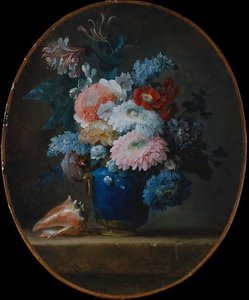
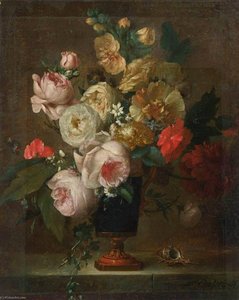
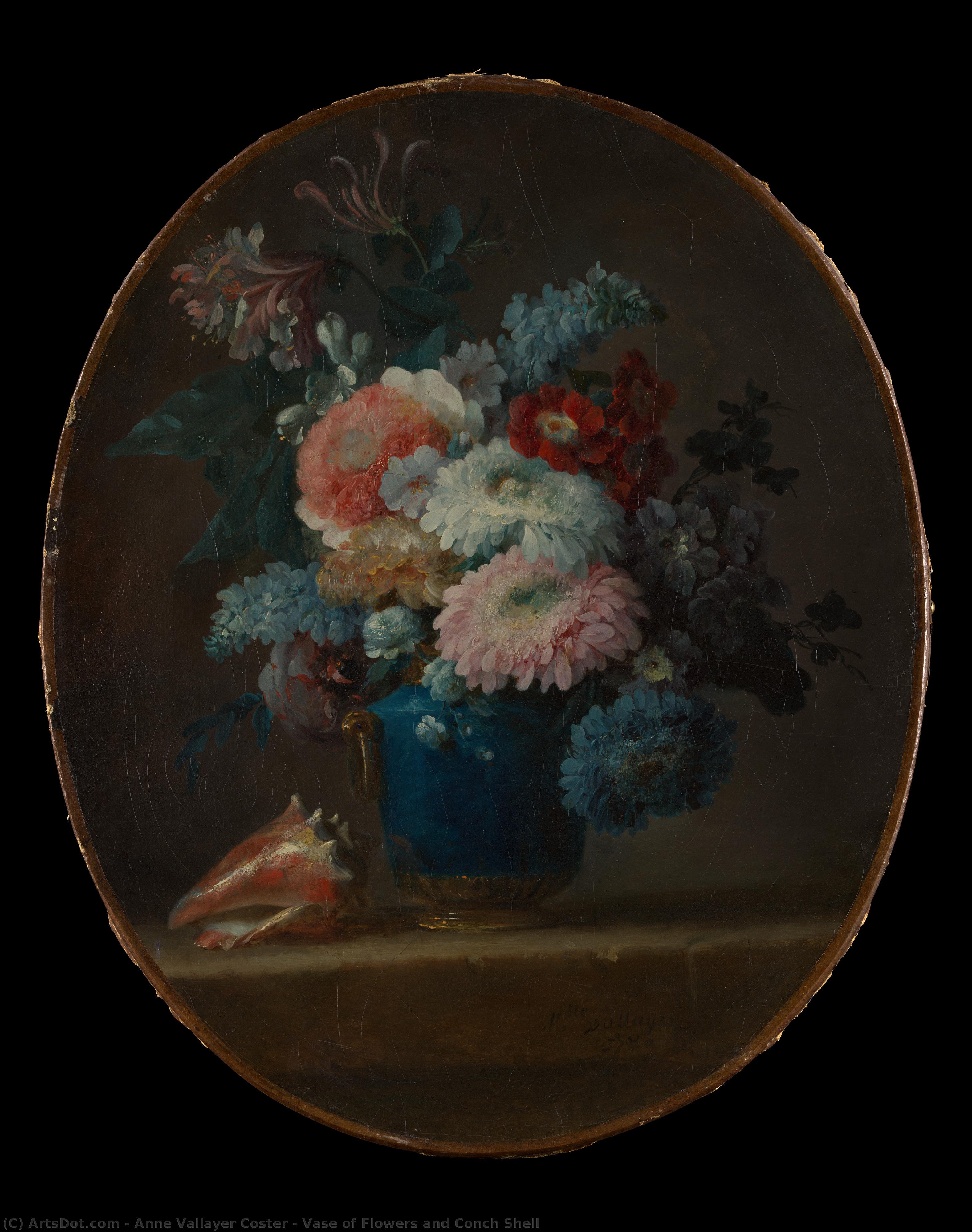
Vase of Flowers and Conch Shell
 Oil On Canvas
- WallArt
- Proto-Impressionism
 1780
1780 50.0 x 38.0 cm
 Metropolitan Museum of Art
 Read More
Hand Made Oil Reproduction
Hand-painted oil on canvas in your size and frame, made to order by our artists. ( Buy Print Buy Image)




P118B $10

P118H $10

P118W $10

P438Z $10

P508JH $12

P508YH $12

P805H $10

P805Z $10

P919BZ $10

P919G $10

P919XJ $10

P959ZH $10

P968JZ $12

W106C $8

W218G $10

W218JH $8

W218Y $10

W307PJ $10

W316G $10

W316PJ $8

W316Y $10

W398PJ $8

W4111J $10

W500HY $15

W500JH $15

W692G $12

W849H $8

W940BG $15

W953PJ $8




Pick from our preset sizes that match the artwork's original proportions.

You may enter your own dimensions to fit a specific frame or space. If your selected size does not match the original image's proportions, we will either crop the artwork or extend the painting with additional hand-painted elements. A digital mockup will be sent for your approval before production begins.
Please note that the on-screen preview does not reflect the actual cropping or extension. Only the mockup will accurately show the final composition.
While custom sizes are available, we recommend selecting a dimension from the predefined list to preserve the original proportions.
After order, ArtsDot.com team will email client for instructions and provide a mockup preview
Worldwide Delivery () in 3/4 weeks instead of standard 5 weeks. (29 August). No compromise on quality.

Free Worldwide Express Shipping

High-Quality Linen Canvas

Full Shipping Insurance

Customs Tax Refund Guarantee

True Color Matching Guarantee

60-Day Return Policy (Defects Only)

100% Money-Back Guarantee

Bulk Discount Offer
 Glass option is only available in size under 110 CM

Vase of Flowers and Conch Shell
Reproduction Medium
Reproduction Size
-


Total Price
$ 263
A Symphony in Bloom: Anne Vallayer-Coster’s “Vase of Flowers and Conch Shell”
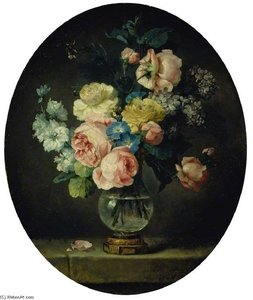
Anne Vallayer-Coster's "Vase of Flowers and Conch Shell," painted in 1780, isn’t merely a still life; it’s a meticulously crafted tableau vivant—a captured moment brimming with the delicate beauty and quiet contemplation favored by the French aristocracy. Held within the hallowed halls of the Metropolitan Museum of Art, this oval masterpiece offers a rare glimpse into the world of a pioneering female artist navigating the complex social landscape of 18th-century France. More than just a depiction of floral arrangements, it’s a testament to Vallayer-Coster's extraordinary skill and her ability to imbue inanimate objects with an almost palpable sense of life.
The painting immediately draws the eye to its central subject: a porcelain vase overflowing with an astonishing array of blossoms. Roses in blushing pinks, vibrant carnations, delicate lilies, and sprigs of honeysuckle intertwine, creating a riot of color and texture. A prominent striped tulip adds a touch of playful exuberance, while a cluster of hyacinths contributes to the overall sense of abundance. However, it’s not simply the sheer volume of flowers that captivates; it's their rendering—each petal meticulously observed and rendered with an almost clinical precision, yet imbued with a luminous quality that suggests they are freshly plucked from the garden. Juxtaposed against this profusion is a conch shell, its pearlescent surface reflecting light and adding a subtle element of exoticism and luxury.
The Artist’s Context: A Woman in a Man's World
Understanding Vallayer-Coster’s artistic journey requires acknowledging the restrictive environment she operated within. Born into a family deeply rooted in the world of textiles—her father, Joseph Vallayer, was a goldsmith serving the royal family at Gobelins—she inherited an appreciation for detail and craftsmanship from a young age. Despite this early exposure to artistic processes, women artists faced significant barriers to recognition within the French art establishment. The Académie Royale de Peinture et de Sculpture, the prestigious body governing artistic practice, largely excluded women, relegating them primarily to the genre of still life—a category often considered less esteemed than portraiture or history painting. Vallayer-Coster’s admission in 1770 was a remarkable achievement, particularly considering the limited opportunities available to female artists at the time.
Her patron, Marie Antoinette, played a crucial role in elevating her status. The Queen's interest in Vallayer-Coster’s work—documented through correspondence and royal commissions—provided invaluable support and recognition. This connection not only afforded her access to luxurious materials and subjects but also challenged prevailing societal expectations regarding women’s roles within the artistic sphere.
Technique and Style: A Delicate Balance
Vallayer-Coster's technique is characterized by a remarkable balance between meticulous observation and expressive brushwork. The flowers are rendered with an almost photographic realism—each vein, each subtle variation in color meticulously captured. Yet, the artist avoids a purely literal depiction, instead imbuing the arrangement with a sense of movement and vitality. Notice how the blossoms seem to spill outwards from the vase, creating a dynamic composition that draws the viewer into the scene.
The use of light is particularly noteworthy. Vallayer-Coster masterfully employs chiaroscuro—the contrast between light and shadow—to create depth and volume. The porcelain vase itself appears to glow with an inner radiance, while the shadows subtly define the contours of the flowers and shell. This careful manipulation of light not only enhances the beauty of the subject but also contributes to the overall sense of atmosphere and tranquility.
Symbolism and Emotional Resonance
"Vase of Flowers and Conch Shell" is rich in symbolic meaning, reflecting the prevailing aesthetic sensibilities of the late 18th century. Flowers, particularly those depicted here—roses representing love and beauty, lilies symbolizing purity and grace—were frequently used to convey complex emotions and ideas. The conch shell, often associated with the sea and exotic lands, adds a touch of mystery and allure.
Beyond its decorative qualities, the painting evokes a sense of quiet contemplation and appreciation for the natural world. It’s a reminder of the beauty that can be found in the simplest of things—a fleeting moment captured in time. The overall effect is one of serene elegance, inviting the viewer to pause and savor the delicate artistry of Anne Vallayer-Coster's masterpiece.
Related Artworks

Artist Biography
A Life Immersed in Artistic Detail: The World of Anne Vallayer-Coster
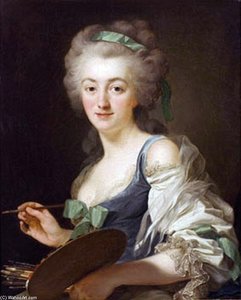
Anne Vallayer-Coster, born in Paris on December 21, 1744, emerged as a remarkable figure within the French art world of the late 18th century. Her story is one of talent, perseverance, and navigating the complex social structures that often limited opportunities for women artists. Growing up amidst the vibrant activity of her father’s workshop – Joseph Vallayer was a goldsmith serving the royal family at Gobelins – instilled in her an early appreciation for meticulous craftsmanship and refined detail. This environment wasn't merely one of observation; it was immersive, with the family also involved in tapestry production, exposing young Anne to various artistic processes from a tender age. It’s easy to imagine her childhood filled with the textures of materials, the shimmer of metals, and the intricate patterns that would later inform her own distinctive style. Her initial training benefited from diverse influences: her father's guidance, coupled with instruction from botanical specialist Madeleine Basseporte and marine painter Joseph Vernet, laid a solid foundation for her future artistic endeavors. These early lessons weren’t simply about technique; they were about seeing the world with an artist’s eye – observing the delicate structure of flowers, the play of light on water, and the subtle nuances of form.Breaking Barriers: Acceptance into the Académie Royale
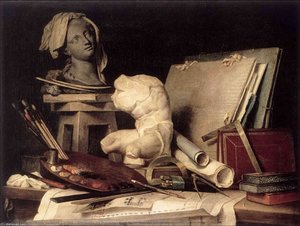
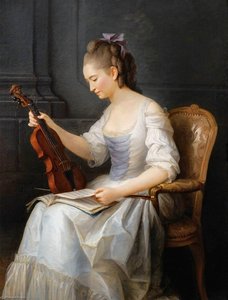
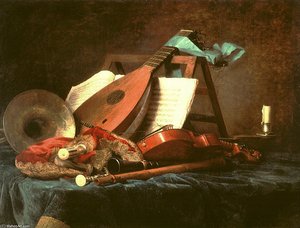
The path to recognition for a woman artist in 18th-century France was fraught with challenges. Formal training opportunities were scarce, and securing patronage often depended on social connections and navigating a male-dominated art establishment. Despite these obstacles, Vallayer-Coster demonstrated exceptional talent and determination. In 1770, she submitted two ambitious works – The Attributes of Painting and The Attributes of Music – to the Académie Royale de peinture et de sculpture. These weren’t merely displays of technical skill; they were allegorical statements about the power and importance of art itself. The unanimous acceptance that followed was a watershed moment, making her one of only four women admitted to the Académie before the French Revolution. This achievement wasn't simply personal triumph; it was a symbolic crack in the established order, challenging gender barriers within the art world and paving the way for future generations of female artists. It signaled a recognition of her talent that transcended societal expectations.The Flourishing of a Still Life Master
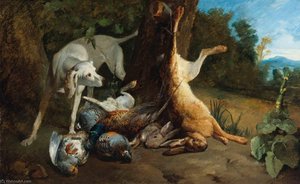
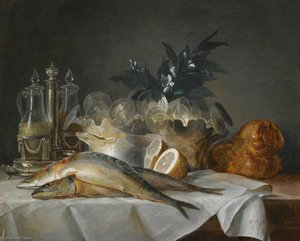
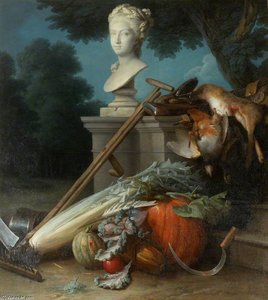
Vallayer-Coster quickly became renowned for her exquisite still life paintings, particularly floral arrangements. Her skill in capturing the delicate beauty and transient nature of flowers garnered considerable attention from collectors and fellow artists alike. Works like Still life of flowers in a vase with a shell (1780) exemplify her mastery – rich detail, vibrant colors, and refined elegance combine to create images that are both visually stunning and emotionally resonant. But her talent wasn’t limited to floral studies; she also demonstrated versatility in other genres, as seen in A Hound with Dead Game in a Landscape (1785), showcasing her ability to depict textures, light, and composition beyond the realm of flowers. Her paintings weren't simply representations of objects; they were celebrations of beauty, skill, and the natural world. This period also saw her gain favor with Queen Marie Antoinette, who became a significant patron, providing opportunities for exhibition space and royal commissions. Still Life with Musical Instruments (1773), later acquired by the Nationalmuseum in 2015, further cemented her reputation as a leading artist of her time.Navigating Revolution and Rediscovery
The French Revolution brought upheaval to all aspects of French society, including the art world. The fall of the monarchy significantly impacted Vallayer-Coster’s career, as her primary patrons disappeared. However, she managed to navigate this turbulent period with resilience, avoiding the worst excesses of the Reign of Terror despite her noble associations. A brief revival occurred during Napoleon's reign, with commissions from Empress Josephine offering a temporary resurgence in recognition. Throughout these changing times, Vallayer-Coster continued to paint, exploring floral subjects in oil, watercolor, and gouache. In 1781 she married Jean-Pierre Silvestre Coster, a wealthy lawyer and parlementaire; Marie Antoinette herself served as a witness at the wedding, highlighting her continued connection to the aristocracy even amidst political turmoil. Despite this continued artistic activity, her reputation gradually declined in comparison to earlier periods of acclaim. However, in recent years, there has been a renewed interest in Vallayer-Coster’s work, leading to increased recognition of her contributions to French art history and solidifying her legacy as a pioneering woman artist who skillfully blended technical mastery with an exquisite sensitivity to the natural world. Her paintings now stand as testaments to her talent, resilience, and enduring artistic vision.A Lasting Legacy
Anne Vallayer-Coster’s significance extends beyond her beautiful paintings. She was a diplomat and negotiator, skillfully navigating social and political landscapes to secure patronage and maintain a professional career in a challenging era. Her acceptance into the Académie Royale remains a landmark achievement for women artists, demonstrating that talent could triumph over societal barriers. As one of the foremost still life painters of her time, she demonstrated exceptional skill and artistry in depicting floral arrangements and other subjects with remarkable precision and sensitivity. She wasn’t merely recording what she saw; she was interpreting it through her unique artistic lens, imbuing her paintings with a sense of beauty, harmony, and emotional depth. Her work continues to inspire and captivate audiences today, reminding us of the power of art to transcend time and celebrate the enduring allure of the natural world. She died in Paris on February 28, 1818, leaving behind a legacy that continues to blossom with each new generation’s appreciation for her artistry.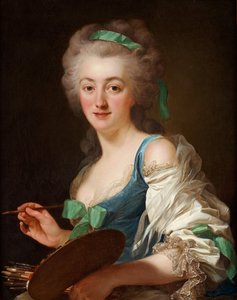
Anne Vallayer-Coster
1744 - 1818 , France
Quick Facts
- Artistic Movement Or Style: Rococo, Still Life
- Artists Who Influenced This Artist:
- Madeleine Basseporte
- Joseph Vernet
- Date Of Birth: Dec 21, 1744
- Date Of Death: Feb 28, 1818
- Full Name: Anne Vallayer-Coster
- Nationality: French
- Notable Artworks:
- The Attributes of Painting
- Still life of flowers...
- A Hound with Dead Game
- Still Life w/ Instruments
- Place Of Birth: Paris, France
Related Articles
Blossoming Symbolism: A Historical Journey Through Flowers in Western Painting
Explore the rich history of flower symbolism in Western painting! Discover how artists from the Renaissance to Modernism used blossoms to convey meaning, emotion & beauty. Learn about iconic artworks and movements.
Blossoms of Time: A Historical & Aesthetic Exploration of Floral Painting Across Cultures
Explore the rich history of floral painting! Discover symbolism, techniques & masterpieces from Van Huysum to O'Keeffe. Expert insights for art lovers & collectors at ArtsDot.
Blossoms of Time: A Historical Journey Through Flower Painting
Explore the captivating history of flower painting! Discover Dutch masters, symbolic meanings, & botanical art. Expert insights & high-quality reproductions at ArtsDot.
Silent Narratives: Exploring the Enduring Appeal of Still Life Painting Across Centuries
Explore the rich history of still life painting with ArtsDot. Discover Dutch Masters, decode vanitas symbolism & learn about collecting timeless art. Expert insights and museum-quality reproductions.
The Enduring Appeal of Still Life: A Historical & Contemporary Exploration
Explore the rich history & symbolism of still life painting with ArtsDot. Discover masterpieces from the Dutch Golden Age, learn about vanitas art, and find expert guidance for collecting timeless artworks.