 Preview
 Send
Send Share
Share
 Details

 Download
 Similars
 X-Ray
X-Ray Diaporama
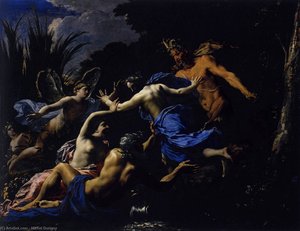
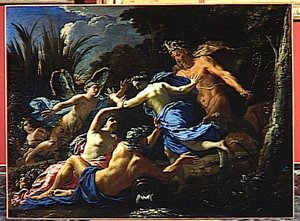
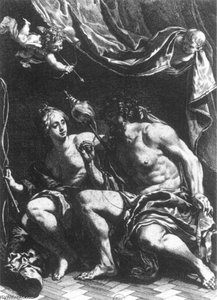
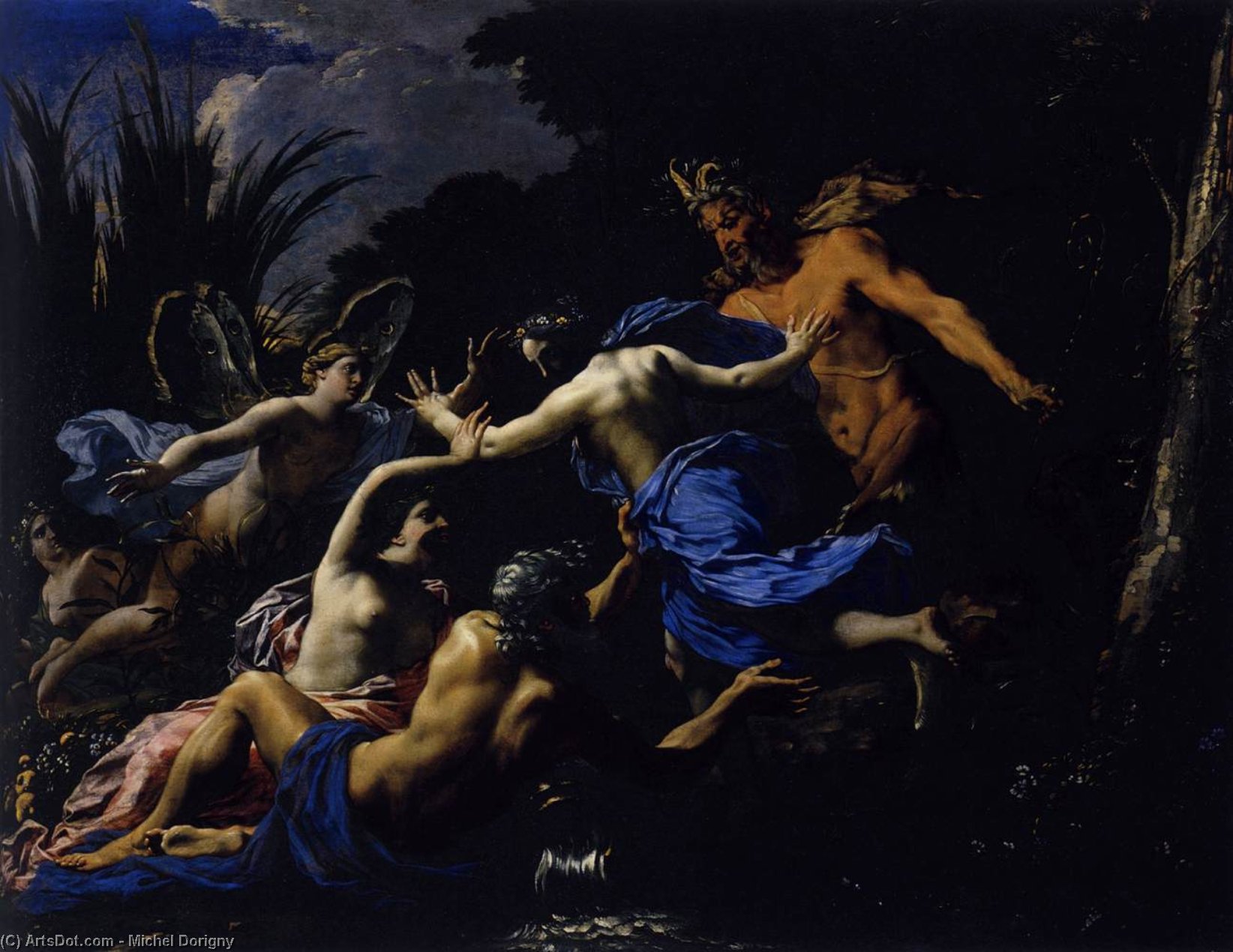
Pan and Syrinx
 Oil On Canvas
- WallArt
- Baroque Landscape
 1657
1657- Early Modern
 98.0 x 131.0 cm
 The Louvre
 Read More
Hand Made Oil Reproduction
Hand-painted oil on canvas in your size and frame, made to order by our artists. ( Buy Print Buy Image)




P118B $10

P118H $10

P118W $10

P438Z $10

P508JH $12

P508YH $12

P805H $10

P805Z $10

P919BZ $10

P919G $10

P919XJ $10

P959ZH $10

P968JZ $12

W106C $8

W218G $10

W218JH $8

W218Y $10

W307PJ $10

W316G $10

W316PJ $8

W316Y $10

W398PJ $8

W4111J $10

W500HY $15

W500JH $15

W692G $12

W849H $8

W940BG $15

W953PJ $8




Pick from our preset sizes that match the artwork's original proportions.

You may enter your own dimensions to fit a specific frame or space. If your selected size does not match the original image's proportions, we will either crop the artwork or extend the painting with additional hand-painted elements. A digital mockup will be sent for your approval before production begins.
Please note that the on-screen preview does not reflect the actual cropping or extension. Only the mockup will accurately show the final composition.
While custom sizes are available, we recommend selecting a dimension from the predefined list to preserve the original proportions.
After order, ArtsDot.com team will email client for instructions and provide a mockup preview
Worldwide Delivery () in 3/4 weeks instead of standard 5 weeks. (17 August). No compromise on quality.

Free Worldwide Express Shipping

High-Quality Linen Canvas

Full Shipping Insurance

Customs Tax Refund Guarantee

True Color Matching Guarantee

60-Day Return Policy (Defects Only)

100% Money-Back Guarantee

Bulk Discount Offer
 Glass option is only available in size under 110 CM

Pan and Syrinx
Reproduction Medium
Reproduction Size
-


Total Price
$ 263
Artwork Description
Michel Dorigny’s Tranquil Vision of Mythic Harmony
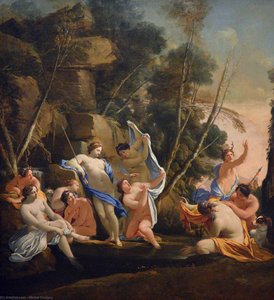
Michel Dorigny (1616 – 1665) stands as a cornerstone of the French Baroque landscape tradition, revered for his unwavering dedication to meticulous observation of nature and his masterful ability to distill profound serenity into exquisitely detailed canvases. Born in Saint-Quentin, France, Dorigny’s artistic trajectory commenced under the guidance of Georges Lallemand and Simon Vouet at the Académie de peinture et de sculpture, establishing a foundation firmly rooted in classical principles yet subtly enriched by the expressive dynamism emblematic of the Baroque period. This formative influence would prove pivotal in shaping his distinctive aesthetic sensibility. His early years were characterized by an immersion into humanist scholarship alongside artistic practice—a dual pursuit that instilled within him a profound appreciation for both intellectual rigor and visual beauty. Notably, Dorigny married Vouet’s daughter, forging a symbiotic relationship that solidified his position at the epicenter of Paris’s burgeoning art circle, fostering collaboration and disseminating influential artistic ideas. He himself served as professor at the academy during his lifetime, transmitting his knowledge to subsequent generations and nurturing the blossoming talents of aspiring artists—a testament to his enduring legacy within the French Baroque landscape. Dorigny's oeuvre is predominantly focused on landscapes imbued with mythological narratives, reflecting a fascination with classical themes and humanist ideals prevalent in his time. He skillfully employed chiaroscuro – the dramatic interplay between light and shadow – a technique championed by Caravaggio and other masters of the Baroque, to heighten the emotional impact of his compositions. The meticulous rendering of foliage, rocks, and water surfaces demonstrates an unparalleled attention to detail, capturing not merely visual accuracy but also conveying a palpable sense of atmosphere and tranquility. This painstaking approach distinguishes Dorigny’s work from many of its contemporaries, elevating it beyond mere representation to become a conduit for contemplation and emotional resonance. The painting “Pan and Syrinx,” completed in 1657, exemplifies Dorigny's signature style perfectly. The scene depicts Pan, the god of shepherds and wild music, accompanied by Syrinx, nymph of reeds and enchanting melodies—a mythological pairing symbolizing harmony between humanity and nature. As depicted in the artwork, Pan plays his pipe with fervent concentration, while Syrinx gazes upon him with captivated admiration. Surrounding them are several figures engaged in various activities – musicians, dancers, and attendants – creating a vibrant tableau that nevertheless maintains an overarching sense of stillness and grace. The artist’s masterful use of color—primarily muted greens and browns—further reinforces this impression of serene contemplation. The symbolism embedded within “Pan and Syrinx” speaks to Dorigny's broader artistic vision: the harmonious coexistence of divine influence and earthly beauty. Pan represents pastoral innocence and musical creativity, while Syrinx embodies feminine allure and responsiveness to natural rhythms. Together, they embody the ideal Renaissance conception of human flourishing—a state achieved through engagement with the sublime grandeur of the natural world. Dorigny’s meticulous technique ensures that every brushstroke contributes to this overarching message, inviting viewers to immerse themselves in a realm of tranquil contemplation and artistic perfection. Ultimately, Michel Dorigny's “Pan and Syrinx” transcends mere visual depiction; it aspires to evoke an emotional response—a feeling of profound peace and wonder—much like the original masterpiece itself. It remains a captivating example of Baroque landscape painting, demonstrating Dorigny’s unwavering commitment to capturing both the beauty of nature and the depth of human emotion with unparalleled artistry.Related Artworks

Artist Biography
The Quiet Mastery of Michel Dorigny
In the grand, often turbulent tapestry of the French Baroque era, where dramatic shadows and sweeping movements frequently commanded the viewer's attention, Michel Dorigny (1616–1665) carved out a unique and enduring niche. Born in Saint-Quentin, France, Dorigny emerged not as a painter of theatrical storms or violent mythologies, but as a master of tranquility. His life and work represent a profound devotion to the subtle rhythms of the natural world, capturing moments of stillness that invite the soul into deep contemplation. Through his meticulous eye, the fleeting nuances of light upon a leaf or the gentle ripple of water became subjects of eternal significance.
Dorigny’s artistic foundation was built within the prestigious halls of the Académie de peinture et de sculpture in Paris. Under the guidance of masters such as Georges Lallemand and the influential Simon Vouet, he absorbed the classical principles that would define his structural precision. His integration into the heart of the Parisian art scene was further solidified through his marriage to Vouet’s daughter, a union that placed him at the center of a vibrant intellectual and creative circle. This period of his life was marked by an immersion in humanist scholarship, which instilled in him a deep respect for the classical motifs and balanced compositions that would later grace his landscapes.
A Legacy of Detail and Light
The true essence of Dorigny’s genius lies in his ability to marry technical rigor with emotional serenity. While his repertoire was diverse—spanning portraits, genre scenes of domestic life, and mythological narratives—it is his landscape painting that remains his most profound contribution to art history. Unlike many of his contemporaries who sought the sublime through scale and drama, Dorigny found it in the minute. He possessed an almost scientific devotion to the rendering of foliage, the delicate reflections in still waters, and the weathered textures of classical architecture.
His technique was a sophisticated dance of light and shadow, heavily influenced by the masterful color palettes of Vouet. By employing intricate glazing techniques, Dorigny achieved a luminous quality that seemed to breathe life into his canvases. Each layer of paint served to build depth and luminosity, allowing light to appear as if it were filtering through actual forest canopies or shimmering across a pastoral meadow. This painstaking approach resulted in works that felt less like mere depictions and more like windows into a peaceful, idealized reality.
Influence and Historical Significance
Beyond his individual canvases, Dorigny’s impact extended to the very future of French painting. As a professor at the Academy, he played a vital role in nurturing the next generation of talent, passing down the meticulous traditions of the Baroque landscape. His influence was perhaps most intimately felt through his sons, Nicolas and Louis Dorigny, who carried his dedication to detail and classical harmony into their own celebrated careers. This lineage ensured that the quiet, observant spirit of his work would resonate well beyond his death in 1665.
Today, the works of Michel Dorigny serve as a testament to the power of restraint. In an age often defined by excess, his paintings offer a sanctuary of order and peace. He remains a pivotal figure in the development of the French landscape tradition, bridging the gap between the structured classical ideals of the early 17th century and the more naturalistic observations that would follow. To view a Dorigny landscape is to experience a moment of suspended time, where the beauty of the earth is captured in its most serene and perfected state.
Michel Dorigny
1616 - 1665 , France
Quick Facts
- Artistic Movement Or Style: Baroque
- Artists Who Influenced This Artist:
- Georges Lallemand
- Simon Vouet
- Date Of Birth: Saint-Quentin, France (1616)
- Date Of Death: 1665
- Full Name: Michel Dorigny
- Nationality: French
- Notable Artworks:
- Le Repos de la Sainte Famille
- Bacchus (Dionysus)
- L'AMERIQUE
- Place Of Birth: Saint Quentin
Related Articles

Giclée Prints: Archival Quality & Aesthetic Nuances for the Discerning Collector
Explore the world of giclée prints with ArtsDot. Learn about archival quality, aesthetic nuances & investment potential. Expert guidance for discerning art collectors seeking museum-quality reproductions and lasting value.
Simon Vouet: A Baroque Master's Journey from Italian Influence to French Classicism
Explore the life & art of Simon Vouet, a pivotal French Baroque painter who introduced Italian styles to France. Discover his masterpieces and lasting influence on 17th-century art.

Baroque Drama: Bringing Opulence & Emotion into Contemporary Interiors
Explore the opulent world of Baroque interior design! Discover key elements, modern applications & how to bring dramatic elegance into your home with 's authentic reproductions.

The Enduring Legacy of Fine Art Prints: Technique, History & Aesthetic Impact
Explore the rich history & techniques of fine art prints. Discover investment potential, assess authenticity, and learn how to preserve your collection with expert guidance. Trusted insights for discerning collectors.

Echoes of Time: Exploring the Enduring Appeal & Historical Context of Vintage Art Prints
Explore the captivating world of vintage art prints! Discover their history, collecting tips & enduring appeal. Expert insights on chromolithography and building a legacy collection with ArtsDot.