 Preview
 Send
Send Share
Share
 Details

 Download
 Similars
 X-Ray
X-Ray Diaporama
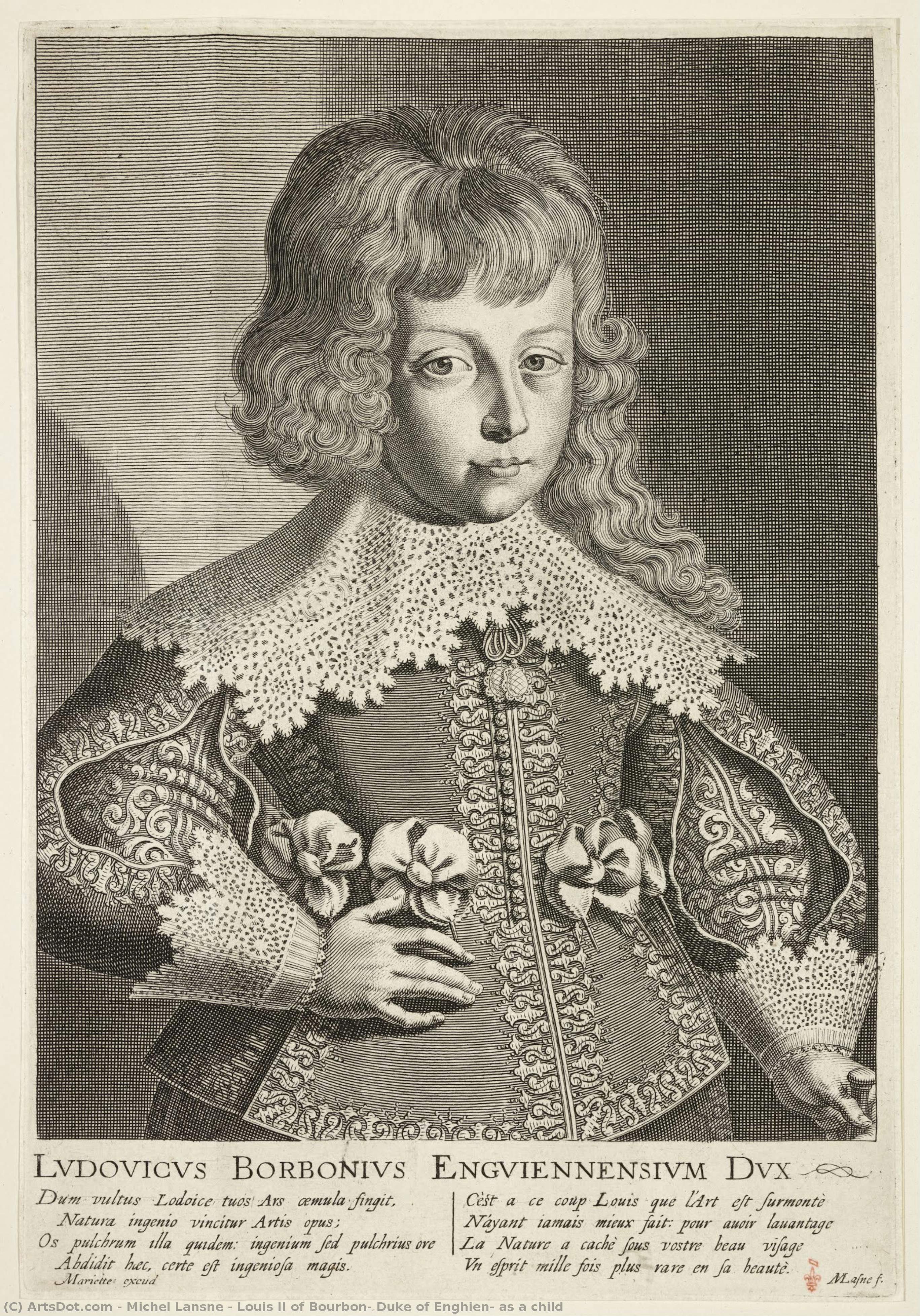
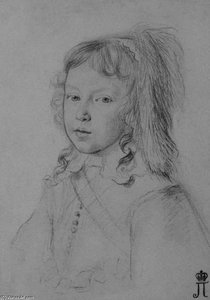
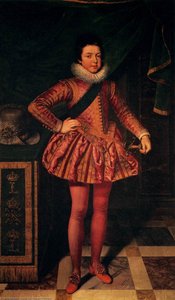
Louis II of Bourbon, Duke of Enghien, as a child


 Read More
Hand Made Oil Reproduction
Hand-painted oil on canvas in your size and frame, made to order by our artists. ( Buy Print Buy Image)




P118B $10

P118H $10

P118W $10

P438Z $10

P508JH $12

P508YH $12

P805H $10

P805Z $10

P919BZ $10

P919G $10

P919XJ $10

P959ZH $10

P968JZ $12

W106C $8

W218G $10

W218JH $8

W218Y $10

W307PJ $10

W316G $10

W316PJ $8

W316Y $10

W398PJ $8

W4111J $10

W500HY $15

W500JH $15

W692G $12

W849H $8

W940BG $15

W953PJ $8




Pick from our preset sizes that match the artwork's original proportions.

You may enter your own dimensions to fit a specific frame or space. If your selected size does not match the original image's proportions, we will either crop the artwork or extend the painting with additional hand-painted elements. A digital mockup will be sent for your approval before production begins.
Please note that the on-screen preview does not reflect the actual cropping or extension. Only the mockup will accurately show the final composition.
While custom sizes are available, we recommend selecting a dimension from the predefined list to preserve the original proportions.
After order, ArtsDot.com team will email client for instructions and provide a mockup preview
Worldwide Delivery () in 3/4 weeks instead of standard 5 weeks. (7 September). No compromise on quality.

Free Worldwide Express Shipping

High-Quality Linen Canvas

Full Shipping Insurance

Customs Tax Refund Guarantee

True Color Matching Guarantee

100-Day Return Policy (Defects Only)

100% Money-Back Guarantee

Bulk Discount Offer
 Glass option is only available in size under 110 CM

Louis II of Bourbon, Duke of Enghien, as a child
Reproduction Medium
Reproduction Size
-


Total Price
$ 263
A Portrait of Royal Promise: Louis II of Bourbon, Duke of Enghien
This exquisite engraving, titled “Louis II of Bourbon, Duke of Enghien, as a child,” offers a poignant glimpse into the formative years of a future king. Executed in 1633 by the French artist Michel Lansne, the work transcends a simple portrait; it’s a carefully constructed tableau of youthful ambition and regal bearing. The subject, a young boy identified as Louis II, Duke of Enghien – later Louis XIII – is presented with an arresting directness, his gaze locking onto the viewer with an intensity that belies his age. The stark contrast of black and white amplifies this effect, drawing us into the scene and emphasizing the solemnity of the moment.
- Subject & Context: The engraving depicts a pivotal stage in the life of Louis XIII, born into privilege and destined for power. It’s a visual record of his early identity, meticulously crafted to project an image of authority and future leadership. The year 1633 places this portrait within the turbulent period of the French monarchy, just before the reign of Louis XIII would dramatically reshape the nation.
- Artistic Style & Technique: Lansne’s masterful use of engraving techniques – hatching, cross-hatching, and stippling – creates a remarkably detailed image. The precision with which he renders the boy's clothing, his hair, and even the subtle shadows on his face speaks to a highly skilled artist deeply attuned to capturing texture and form. The overall effect is one of remarkable realism for its time, achieved through painstaking labor.
Symbolism of Royal Attire
More than just a depiction of a child, the engraving is laden with symbolic meaning. The boy’s elaborate attire – rich fabrics, intricate embroidery, and undoubtedly, royal insignia – immediately establishes his status as a member of the French nobility. The specific garments would have been indicative of his rank and lineage, reinforcing the message of inherited power and destined rule. Notice the careful attention to detail in the clothing; it wasn’t merely decorative but served as a visual declaration of his future role.
- Color & Light: While monochromatic, Lansne skillfully manipulates tonal values to create an illusion of depth and volume. The highlights on the boy's face and clothing draw attention to key features, while the darker areas suggest shadow and mystery. This subtle use of light and dark adds to the portrait’s dramatic impact.
- Composition: The composition itself is carefully balanced, with the young Louis centered within the frame, further emphasizing his importance. The blurred background figures serve not as distractions but as a backdrop that underscores his central position – a miniature king in training.
Historical Significance and Lansne’s Legacy
Michel Lansne was a prominent engraver working during a period of significant artistic transition in France. His work reflects the influence of Mannerism, with its emphasis on stylized forms and dramatic compositions, while also anticipating the Baroque style that would soon dominate the art world. This engraving is a valuable historical document, offering a rare visual record of a young royal figure at a crucial moment in his life.
Artist Biography Snippet: Born in Caen in 1667, Michel Lansne’s artistic journey reflects the evolving tastes and techniques of 17th-century France. While details about his early life are scarce, his work demonstrates a keen understanding of portraiture and a commitment to technical precision.Emotional Impact & Reproduction Value
“Louis II of Bourbon, Duke of Enghien, as a child” possesses an undeniable emotional resonance. The boy’s intense gaze invites us to contemplate his future, to imagine the burdens and responsibilities that awaited him. This engraving is more than just a historical artifact; it's a powerful meditation on youth, ambition, and the weight of destiny. ArtsDot offers a meticulously crafted hand-painted reproduction of this remarkable piece, ensuring that its beauty and significance are preserved for generations to come.
Related Artworks

Artist Biography
The Shadowed Canvas: A Biography of Jean-Baptiste-Camille Corot
Jean-Baptiste-Camille Corot, born in Paris in 1796 and passing away in London in 1875, wasn’t a revolutionary figure in the grand, dramatic sense often associated with the Romantic or Impressionist movements. Instead, he was a master of quiet observation, a painter who meticulously captured the subtle shifts of light and atmosphere – a true precursor to both styles. His legacy lies not in bold pronouncements but in an extraordinary body of work that reveals a profound connection to the natural world and a remarkably sensitive eye for detail. Corot’s life itself was marked by a certain quietness, shaped by a childhood spent largely under the care of his widowed aunt, a circumstance that fostered a contemplative spirit and a deep appreciation for solitude – qualities he would later translate into his art.Early Life and Artistic Beginnings
Corot’s formal artistic training was somewhat unconventional. He initially apprenticed with Joseph-Marie Vital Cuyp, a landscape painter known for his dark, brooding scenes of the countryside. However, Corot found Cuyp's style too heavy and lacked the luminosity he sought. He then studied at the École des Beaux-Arts in Paris, where he was influenced by Thomas Gainsborough’s landscapes and the works of Jacques-Louis David, though he quickly rejected the Neoclassical rigidity. Crucially, he spent several years working as a draftsman for the architect Charles Percier, a job that provided him with invaluable experience observing urban life and developing his observational skills – skills that would later become central to his artistic practice. This period of apprenticeship instilled in him a meticulousness and an understanding of form that distinguished his work from many of his contemporaries.The Influence of the Barbizon School
Corot’s career truly took off during the 1830s, coinciding with the rise of the Barbizon School. This group of artists, largely working *en plein air* (outdoors), sought to depict the realities of rural France rather than idealized landscapes. Corot became a key figure within the Barbizon School, alongside Théodore Rousseau and Jean-François Millet. He embraced their commitment to direct observation and the depiction of natural light, but he developed his own distinctive approach – one characterized by a hazy, atmospheric quality that softened outlines and blurred details. He was particularly drawn to the landscapes of Normandy and Auvergne, meticulously studying the effects of weather on vegetation and the subtle gradations of color in the sky. His palette became muted, favoring earth tones and delicate washes of blue and grey, creating an almost melancholic beauty.Technique and Style: The Pursuit of Atmosphere
Corot’s technique was deceptively simple yet remarkably effective. He rarely employed sharp brushstrokes or precise outlines. Instead, he built up his paintings through layers of thin washes, allowing the colors to blend and mingle organically. He used a technique known as *pointillé* – small, distinct dots of color – to create texture and suggest form without resorting to detailed rendering. This approach was revolutionary for its time, moving away from the academic emphasis on precise representation towards a more subjective and atmospheric portrayal of nature. His compositions were often asymmetrical and open, inviting the viewer’s eye to wander across the canvas, absorbing the light and atmosphere. He frequently worked *en plein air*, directly observing the changing conditions of light and weather, capturing fleeting moments with remarkable sensitivity.Legacy and Historical Significance
While Corot never achieved the fame or recognition of artists like Delacroix or Monet during his lifetime, his influence on subsequent generations of painters is undeniable. He paved the way for Impressionism by demonstrating the importance of capturing the fleeting effects of light and atmosphere. His emphasis on direct observation and the beauty of the natural world resonated deeply with later artists, including Turner and Constable. Furthermore, Corot’s work offers a valuable glimpse into 19th-century France – its landscapes, its people, and its social conditions. He wasn't interested in grand narratives or heroic figures; instead, he focused on the quiet dignity of rural life and the subtle beauty of the everyday world. Today, his paintings are celebrated for their atmospheric quality, their delicate color palettes, and their profound connection to nature – a testament to the enduring power of observation and the artist’s ability to capture the essence of a moment in time. His work remains a cornerstone of landscape painting, demonstrating that true beauty often resides not in dramatic spectacle but in the quietest corners of the world.
michel lansne
1667 , France
Quick Facts
- Artistic Movement Or Style: World Goes Pop
- Artists Or Movements Influenced By This Artist: ['']
- Artists Who Influenced This Artist: ['']
- Date Of Death: 1667
- Notable Artworks: ['Various works featured in The EY Exhibition: The World Goes Pop']
Related Articles
Engraving: A Historical Survey of Technique, Artistic Expression & Enduring Legacy
Explore the rich history of engraving with ArtsDot. Discover techniques, iconic artists like Dürer & Callot, collecting tips, and expert guidance for preserving your art investment. Learn about intaglio printing & more!
Engraving's Golden Age: 10 Masterpieces That Redefined Art | ArtsDot
Journey through art history with our Top 10 Legendary Engravings! Explore masterpieces by Dürer, Rembrandt & Goya. Discover the stories behind these iconic prints and find museum-quality reproductions for your home at ArtsDot.com.

Giclée Prints: Archival Quality & Aesthetic Nuances for the Discerning Collector
Explore the world of giclée prints with ArtsDot. Learn about archival quality, aesthetic nuances & investment potential. Expert guidance for discerning art collectors seeking museum-quality reproductions and lasting value.
The Intricate World of Engraving: A Historical Survey of Technique, Artistic Expression & Enduring Legacy
Explore the rich history of engraving with ArtsDot. Discover techniques, iconic artists like Dürer & Callot, collecting tips, and expert guidance for preserving your art investment. Learn about intaglio printing & more!

The Enduring Legacy of Fine Art Prints: Technique, History & Aesthetic Impact
Explore the rich history & techniques of fine art prints. Discover investment potential, assess authenticity, and learn how to preserve your collection with expert guidance. Trusted insights for discerning collectors.