 Send
Send Share
Share
 Details

 Download
 Similars
 Diaporama
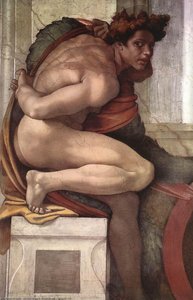
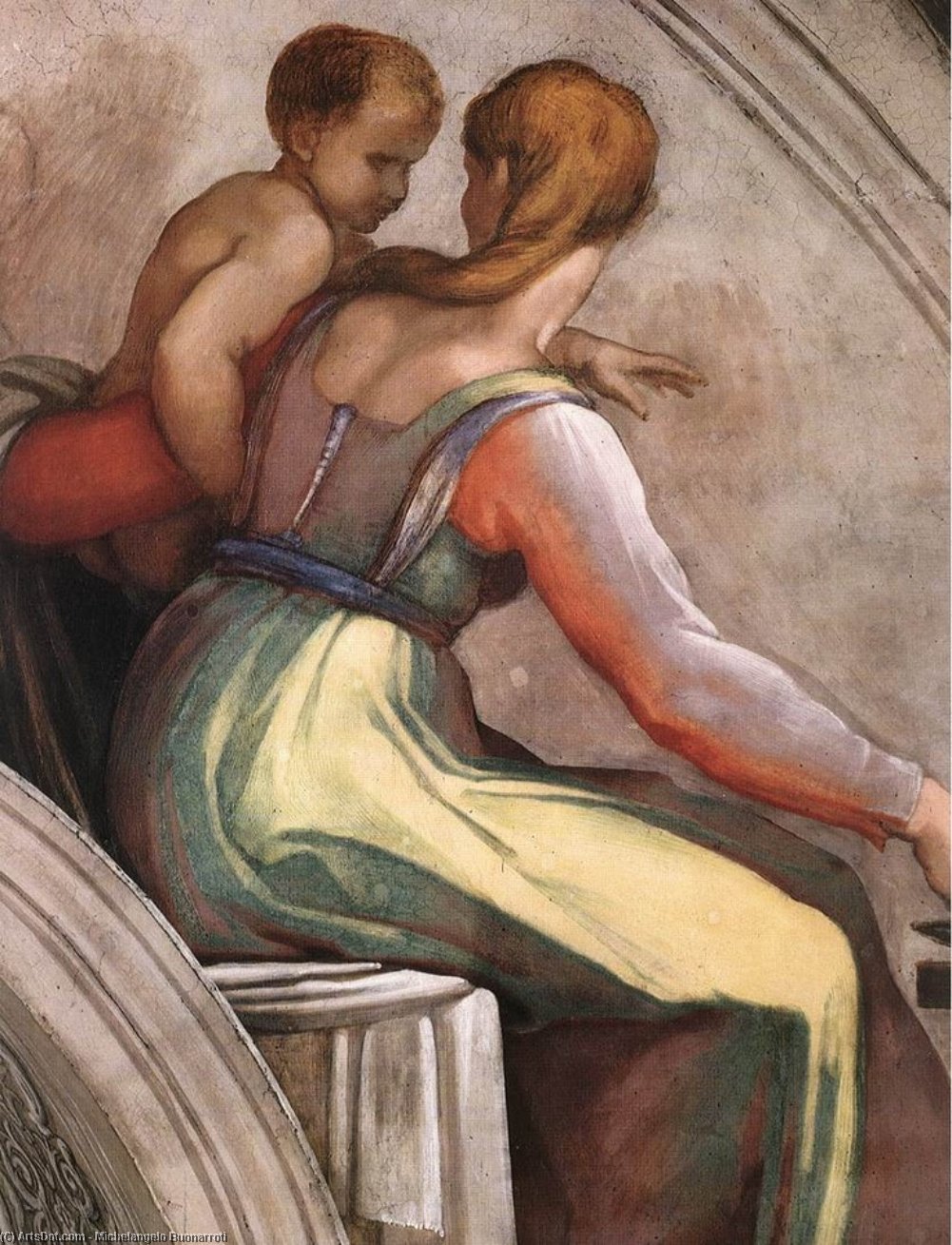
Achim - Eliud (detail)


 Read More
Giclée / Art Print
Museum-quality giclée or canvas print with fast production and flexible finish options. ( Buy Hand Made Painting Buy Image)




































Pick from our preset sizes that match the artwork's original proportions.

You may enter your own dimensions to fit a specific frame or space. If your selected size does not match the original image's proportions, we will either crop the artwork or extend the image with a mirrored or solid-fill edge. A digital mockup will be sent for your approval before production begins.
Please note that the on-screen preview does not reflect the actual cropping or extension. Only the mockup will accurately show the final composition.
While custom sizes are available, we recommend selecting a dimension from the predefined list to preserve the original proportions.
Worldwide Delivery () in 2 weeks instead of standard 4/5 weeks. (17 August)

Free Worldwide Express Shipping

High-Quality Linen Canvas

Full Shipping Insurance

Customs Tax Refund Guarantee

True Color Matching Guarantee

60-Day Return Policy (Defects Only)

100% Money-Back Guarantee

Bulk Discount Offer
 Glass option is only available in size under 110 CM

Achim - Eliud (detail)
Giclée / Art Print
Reproduction Size
-


Total Price
$ 63
Collectible Description
A Tender Encounter in the Heart of the Renaissance
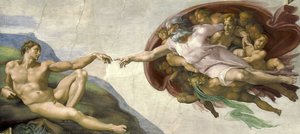
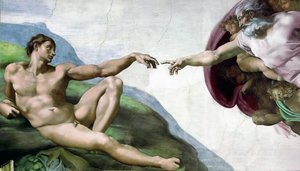
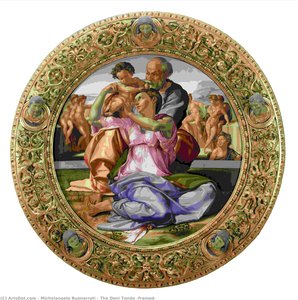
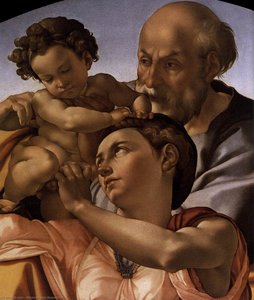
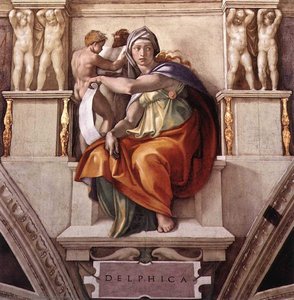
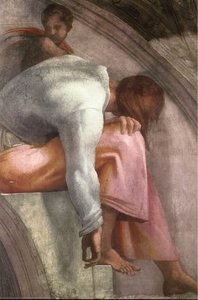
In the hallowed, silent corridors of the Vatican City, amidst the monumental grandeur of the Sistine Chapel, lies a moment of profound intimacy captured by the hand of Michelangelo Buonarroti. Achim - Eliud (detail) is not merely a fragment of a larger fresco; it is a breathtaking window into the soul of the High Renaissance. The scene unfolds with a quiet, rhythmic grace, depicting a woman cradling her child with a tenderness that transcends the centuries. As she sits upon a simple bench near a weathered wall, her focus is entirely consumed by the life in her arms. This singular moment of maternal devotion serves as a poignant meditation on the sanctity of family and the nurturing essence of divine grace, inviting every viewer to pause and reconnect with their own deepest human emotions.
The composition is a masterclass in Michelangelo’s ability to weave narrative depth into anatomical precision. While the central figures command our affection, the surrounding atmosphere—populated by the subtle presence of saints and angels—creates a sacred space of solemn contemplation. The artist utilizes a sophisticated sense of perspective to guide the eye, ensuring that the viewer’s gaze inevitably returns to the soft curve of the mother's arm and the vulnerable beauty of the infant. For the collector or interior designer, this piece offers more than just visual splendor; it provides an emotional anchor, a way to introduce a sense of peace, stability, and timelessness into any curated space.
The Mastery of Light and Pigment
To behold this detail is to witness the revolutionary spirit of Michelangelo’s technique. During his prolific period at the Cappella Sistina in 1511, he moved beyond the limitations of traditional tempera to embrace a more luminous approach. By layering pigments onto wet plaster and experimenting with oil paints diluted with turpentine, he achieved a breathtaking depth of color and a subtle gradations of light that seem to glow from within the wall itself. This innovation allowed for a meticulous rendering of drapery and skin, where every fold of fabric and every soft shadow on a limb contributes to an ethereal, almost otherworldly beauty.
The technical brilliance of this fresco lies in its ability to balance physical realism with spiritual symbolism. The way light catches the edge of a figure or the gentle texture of the stone wall is not merely an exercise in skill, but a deliberate attempt to manifest the divine through the tangible. For those seeking a high-quality reproduction, these nuances are what make the artwork truly captivating. A faithful hand-painted recreation captures this interplay of shadow and light, allowing the luminosity of the Renaissance masters to breathe life into modern interiors, transforming a room into a sanctuary of classical elegance.
A Legacy of Devotion and Artistry
The historical weight of Achim - Eliud is inseparable from its visual impact. Commissioned under the ambitious patronage of Pope Julius II, this work was born from an era of unparalleled artistic ambition. Michelangelo, a titan who shaped the very definition of Western art, infused this piece with the lessons he learned from studying classical antiquity and the masters of his time. The painting stands as a testament to a period when art was the primary language of faith, used to communicate the most complex theological truths through the simple, universal language of human connection.
Integrating such a masterpiece into a collection is an act of preserving history. Whether placed in a grand gallery or a quiet study, the presence of Michelangelo’s work evokes a sense of profound continuity. It reminds us that despite the passage of five centuries, the themes of love, protection, and the sanctity of life remain unchanged. This artwork is an invitation to surround oneself with beauty that does not merely decorate a wall but enriches the spirit, offering a timeless connection to the heights of human creative achievement.
Related Artworks
Artist Biography
A Renaissance Forged in Stone and Paint
Michelangelo Buonarroti, a name synonymous with the High Renaissance, resonates through centuries as a testament to human artistic potential. Born on March 6, 1475, in Caprese Michelangelo, nestled in the Tuscan hills of Italy, his life was an extraordinary convergence of talent, ambition, and divine inspiration. Though initially met with resistance from his father regarding an artistic path, young Michelangelo’s innate gift for drawing proved undeniable, setting him on a course to redefine the boundaries of sculpture, painting, and architecture. His early apprenticeship under Domenico Ghirlandaio provided foundational skills in fresco and draftsmanship, but it was within the Medici gardens—a haven of classical antiquity—that his artistic soul truly awakened. Immersed in the study of Greek and Roman sculptures, Michelangelo absorbed the principles of anatomy, proportion, and idealized beauty that would become hallmarks of his style. This formative period wasn’t merely technical training; it was a philosophical immersion into the humanist ideals blossoming during the Renaissance, an emphasis on human dignity and potential that profoundly shaped his artistic vision.From Pietà's Sorrow to David's Strength
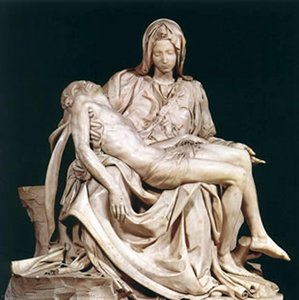
Michelangelo’s ascent in the art world was remarkably swift. By 1496, he had journeyed to Rome, where he received his first major commission: the sculpture of the *Pietà*. Completed in 1499 for Cardinal Jean de Bilhères, this breathtaking marble masterpiece—now housed within St. Peter’s Basilica—immediately established Michelangelo as a sculptor of unparalleled skill and emotional depth. The serene beauty and poignant sorrow captured in Mary's face cradling the body of Christ were revolutionary, demonstrating an ability to imbue cold stone with profound human feeling. This early success paved the way for his next monumental undertaking: *David*. Carved between 1501 and 1504 from a single block of Carrara marble, the over seventeen-foot statue became a symbol of Florentine republican ideals—a defiant embodiment of strength, courage, and civic virtue. The anatomical accuracy, dynamic pose, and psychological intensity of *David* were unprecedented, solidifying Michelangelo’s reputation as a master sculptor capable of bringing stone to life. It wasn't simply the scale that impressed; it was the palpable sense of contained energy, the anticipation of action frozen in marble, that captivated viewers then and continues to do so today.The Sistine Chapel: A Divine Canvas
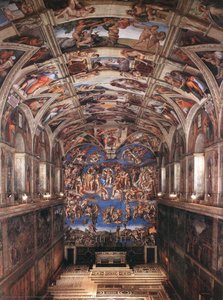
Perhaps Michelangelo’s most enduring legacy lies within the walls of the Sistine Chapel. In 1508, Pope Julius II commissioned him to paint the chapel ceiling—a task that would consume four years of his life and forever alter the course of Western art. Initially reluctant, viewing himself primarily as a sculptor, Michelangelo nonetheless accepted the challenge, embarking on a monumental fresco cycle depicting scenes from Genesis. Working in arduous conditions, often lying on his back for hours, he painted over 300 figures with breathtaking detail and compositional brilliance. *The Creation of Adam*, arguably the most iconic image from the chapel ceiling, captures the divine spark passing between God and humanity—a powerful symbol of creation and potential. Beyond this famous panel, the entire cycle is a testament to Michelangelo’s narrative power, his mastery of anatomy, and his ability to convey complex theological concepts through visual storytelling. Simultaneously, he began work on Pope Julius II's tomb – an ambitious project that would remain unfinished in its original grandeur, yet yielded powerful sculptures like *Moses*.Architecture, Mannerism, and a Lasting Influence
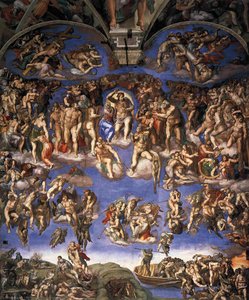
In the later years of his life, Michelangelo’s talents extended to architecture. In 1520, he became architect of St. Peter’s Basilica in Rome, significantly altering Bramante’s original design with a more imposing and structurally sound plan. This transition marked a shift towards Mannerism—a style characterized by elongated forms, exaggerated poses, and dramatic compositions. This stylistic evolution is vividly apparent in *The Last Judgment*, painted on the altar wall of the Sistine Chapel between 1536 and 1541. The fresco depicts the Second Coming of Christ with an overwhelming sense of drama and emotional intensity, reflecting a more turbulent spiritual climate. Michelangelo’s influence extended far beyond his own lifetime. He profoundly impacted both High Renaissance and Mannerist art movements, inspiring generations of artists with his anatomical accuracy, dynamic compositions, and profound exploration of the human condition.A Legacy Etched in Time
Michelangelo died on February 18, 1564, in Rome, leaving behind an unparalleled body of work that continues to captivate and inspire. He remains a towering figure in art history—the quintessential “Renaissance man”—whose sculptures, paintings, and architectural designs have shaped our understanding of beauty, power, and human potential. His legacy is not merely one of artistic achievement; it’s a testament to the enduring power of creativity, dedication, and the relentless pursuit of perfection. He demonstrated that art could transcend mere representation, becoming a vehicle for profound spiritual and emotional expression. The echoes of his genius resonate in museums and churches around the world, ensuring that Michelangelo Buonarroti will forever be remembered as one of the greatest artists who ever lived.- Influences: Classical Antiquity (Greek & Roman sculpture), Renaissance Humanism, Florentine artistic tradition (Donatello, Masaccio).
- Key Works: *Pietà*, *David*, Sistine Chapel ceiling frescoes (*The Creation of Adam*), *The Last Judgment*, Tomb of Julius II.
- Artistic Style: Initially Classical Idealism, evolving towards a dynamic and expressive Mannerism.
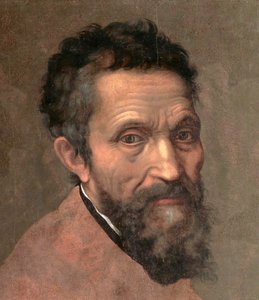
Michelangelo Buonarroti
1475 - 1564 , Italy
Quick Facts
- Artistic Movement Or Style: High Renaissance, Mannerism
- Artists Or Movements Influenced By This Artist:
- High Renaissance
- Mannerism
- Artists Who Influenced This Artist:
- Donatello
- Masaccio
- Date Of Birth: March 6, 1475
- Date Of Death: February 18, 1564
- Full Name: Michelangelo Buonarroti
- Nationality: Italian
- Notable Artworks:
- David
- Pietà
- Sistine Chapel frescoes
- Place Of Birth: Caprese, Italy
Related Articles
Michelangelo's Masterpieces: Explore 25 Iconic Artworks for Your Home | ArtsDot
Journey through Michelangelo's 25 greatest artworks – from David’s strength to the Sistine Chapel’s beauty. Explore Renaissance masterpieces, art history & find museum-quality reproductions for your home at ArtsDot.com.

The Enduring Legacy of Fresco Painting: Techniques, History & Contemporary Relevance
Explore the rich history & enduring artistry of fresco painting – from Giotto to Michelangelo! Discover techniques, conservation efforts, & modern applications. Learn how ArtsDot brings this timeless art form to your home.

The Fresco as Family Legacy: Preserving Heritage Through Wall Art
Explore the rich history & enduring legacy of fresco painting. Discover how to preserve family heritage through stunning wall art. Expert insights & restoration guidance.
Michelangelo Buonarroti: A Renaissance Titan – Life, Works & Enduring Legacy
Explore the life, works & enduring legacy of Michelangelo Buonarroti, a Renaissance titan. Discover his iconic sculptures, frescoes, and architectural achievements. Expert art consultation & high-quality reproductions at ArtsDot.
Uffizi's 25 Masterpieces: Renaissance Art & Timeless Decor Inspiration
Journey through the Uffizi Gallery's 25 most iconic Renaissance artworks! Explore Botticelli, Leonardo da Vinci & Michelangelo’s masterpieces. Find museum-quality art reproductions and curated decor ideas to bring timeless Italian beauty into your home. Discover all masterpieces on ArtsDot.com