 Preview
 Send
Send Share
Share
 Details

 Download
 Similars
 X-Ray
X-Ray Diaporama
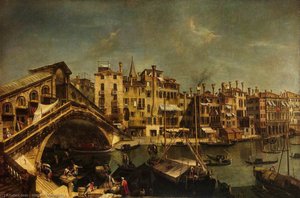
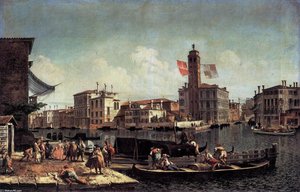
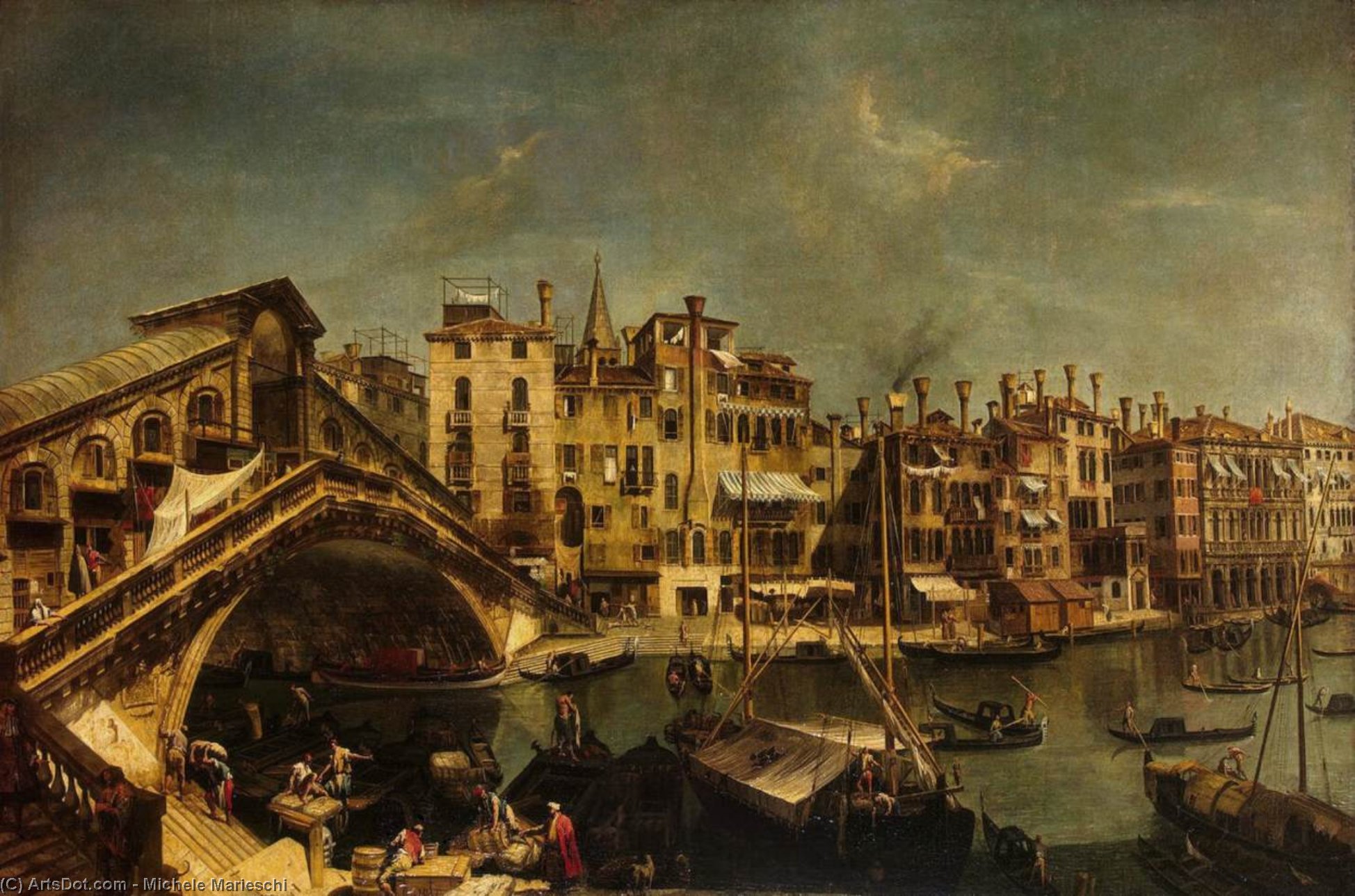
The Rialto Bridge from the Riva del Vin
 Acrylic On Canvas
- WallArt
- Baroque Landscape
 1740
1740 130.0 x 196.0 cm
 Hermitage Museum
 Read More
Giclée / Art Print
Museum-quality giclée or canvas print with fast production and flexible finish options. ( Buy Hand Made Painting Buy Image)




P118B $10

P118H $10

P118W $10

P438Z $10

P508JH $12

P508YH $12

P805H $10

P805Z $10

P919BZ $10

P919G $10

P919XJ $10

P959ZH $10

P968JZ $12

W106C $8

W218G $10

W218JH $8

W218Y $10

W307PJ $10

W316G $10

W316PJ $8

W316Y $10

W398PJ $8

W4111J $10

W500HY $15

W500JH $15

W692G $12

W849H $8

W940BG $15

W953PJ $8




Pick from our preset sizes that match the artwork's original proportions.

You may enter your own dimensions to fit a specific frame or space. If your selected size does not match the original image's proportions, we will either crop the artwork or extend the image with a mirrored or solid-fill edge. A digital mockup will be sent for your approval before production begins.
Please note that the on-screen preview does not reflect the actual cropping or extension. Only the mockup will accurately show the final composition.
While custom sizes are available, we recommend selecting a dimension from the predefined list to preserve the original proportions.
Worldwide Delivery () in 2 weeks instead of standard 4/5 weeks. (25 August)

Free Worldwide Express Shipping

High-Quality Linen Canvas

Full Shipping Insurance

Customs Tax Refund Guarantee

True Color Matching Guarantee

60-Day Return Policy (Defects Only)

100% Money-Back Guarantee

Bulk Discount Offer
 Glass option is only available in size under 110 CM

The Rialto Bridge from the Riva del Vin
Giclée / Art Print
Reproduction Size
-


Total Price
$ 63
Collectible Description
A Venetian Masterpiece Capturing Urban Life
Michele Marieschi’s “The Rialto Bridge from the Riva del Vin,” painted circa 1740, stands as a testament to Rococo artistry and Venice's enduring allure. More than just a depiction of a prominent landmark—the iconic Rialto Bridge spanning the Grand Canal—it’s an immersive experience of Venetian society at its zenith, skillfully rendered with meticulous detail and infused with vibrant color.
Style and Technique: The Essence of Veduta Painting
Marieschi exemplifies the veduta genre, a Venetian tradition that prioritized capturing panoramic views with unprecedented realism. Unlike earlier topographical sketches focused on accuracy alone, Marieschi’s approach embraced illusionistic perspective—a technique pioneered by Canaletto—to create an atmosphere of depth and dynamism. The artist employed oil paint on canvas, layering brushstrokes to achieve luminous surfaces and conveying subtle tonal variations that heighten the sense of space.
Historical Context: Venice at Its Imperial Bloom
Painted during Marieschi’s formative years in Venice—a city grappling with shifting political tides yet retaining its cultural dominance—the painting reflects the opulent grandeur of the Habsburg era. The Riva del Vin, lined with shops and bustling with activity, served as a vital artery for commerce and trade, symbolizing Venice's economic prowess. Observing Marieschi’s work offers a glimpse into the daily life of Venetian citizens and their engagement with the artistic sensibilities of the time.
Compositional Brilliance: Guiding the Eye Through Space
The painting’s composition is remarkably balanced, drawing the viewer's gaze from the monumental Rialto Bridge—positioned centrally—alongside the Riva del Ferro. Marieschi masterfully utilizes foreshortening to compress the distance between the bridge and the canal bank, creating a captivating illusion of depth. The inclusion of architectural details—palazzi adorned with ornate facades—further enhances the visual richness and contributes to the overall sense of grandeur.
Symbolism and Emotional Impact: Light, Color, and Atmosphere
Marieschi’s masterful use of light and color imbues “The Rialto Bridge from the Riva del Vin” with an emotional resonance that transcends mere representation. Warm hues dominate the scene—particularly reds and golds—evoking feelings of warmth, prosperity, and celebration. The artist's attention to atmospheric effects—such as hazy sunlight filtering through the buildings—creates a palpable sense of place and transports the viewer back to 18th-century Venice. It’s a painting that speaks volumes about Venetian culture and Marieschi’s ability to capture its spirit with breathtaking artistry.
Related Artworks


Artist Biography
The Venetian Visionary: The Life and Legacy of Michele Marieschi
In the golden age of the Venetian Rococo, few artists captured the ephemeral magic of the Serenissima with as much vitality as Michele Giovanni Marieschi. Born in Venice in 1710, Marieschi emerged from a lineage of craftsmanship, being the son of a woodcarver—a background that likely instilled in him a profound respect for structure, texture, and the physical essence of the objects he depicted. While his life was relatively brief, spanning only until his death in early 1744, his impact on the veduta tradition remains indelible. He did not merely document the architecture of Venice; he breathed life into its stone and water, transforming static cityscapes into breathing, luminous narratives of light and movement.
The development of Marieschi’s unique style was deeply rooted in the artistic currents flowing through 18th-century Italy. Scholars often point to the influence of masters such as Gaspare Diziani and the legendary Canaletto, whose works provided a blueprint for capturing the grandeur of urban environments. However, where Canaletto sought a certain topographical precision and a more restrained, classical clarity, Marieschi found his voice in a bolder, more emotive approach. He embraced a palette that pulsed with color and a brushwork that felt spontaneous and energetic. This stylistic distinction allowed him to move beyond mere architectural recording, infusing his landscapes with a sense of theatricality and atmosphere that suggested the very pulse of Venetian life.
Mastery of Light and the Veduta Tradition
Marieschi’s contribution to the veduta—the genre of highly detailed, large-scale topographical paintings—is characterized by an extraordinary command of perspective and light. His works often feature iconic landmarks such as the Grand Canal, the Salute, and various majestic palaces, yet they are far from being mere postcards of the era. Instead, he utilized a technique that blended meticulous detail with imaginative embellishment, creating scenes that felt both real and dreamlike. Through his eyes, the water of the canals becomes a mirror for the shifting sky, and the shadows cast by ancient churches become vessels for mystery and depth.
His technical prowess is perhaps most evident in his ability to manipulate light to evoke specific moods:
- Atmospheric Perspective: The use of soft, hazy tones to create a sense of immense distance and scale within his cityscapes.
- Dynamic Brushwork: A lively application of paint that captures the shimmering reflections on the Venetian lagoons.
- Architectural Grandeur: A profound understanding of structural geometry, allowing him to render complex facades with both accuracy and elegance.
Historical Significance and Artistic Resonance
The historical significance of Michele Marieschi lies in his ability to bridge the gap between the rigid documentation of the early 18th century and the more expressive, emotive landscapes that would follow. He was a pivotal figure in transitioning the Venetian view from a purely observational medium into an art form capable of conveying profound emotional resonance. His work serves as a vital window into a vanished world, preserving the splendor of Venice before the seismic shifts of the late 18th century altered its social and political landscape forever.
Today, Marieschi’s canvases continue to captivate collectors and historians alike. Whether it is the breathtaking view of the Grand Canal near the Salute or his more intimate architectural studies, his paintings remain masterclasses in the Rococo spirit. He remains a celebrated figure for those seeking to experience the vibrant energy, the luminous light, and the enduring elegance of a Venice that continues to haunt the collective imagination of the art world.
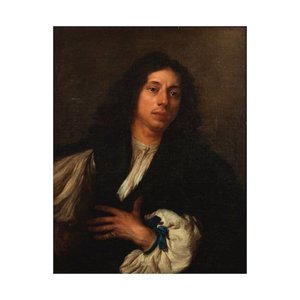
Michele Marieschi
1710 - 1743 , Italy
Quick Facts
- Artistic Movement Or Style: Vedute Venice
- Artists Or Movements Influenced By This Artist: ['Francesco Guardi']
- Artists Who Influenced This Artist:
- Marco Ricci
- Luca Carlevarijs
- Canaletto
- Date Of Birth: December 1710
- Full Name: Michele Giovanni Marieschi
- Nationality: Italian
- Notable Artworks:
- Capriccio with Classical Arch and Goats
- The Grand Canal with the Ca' Rezzonico and the Campo San Samuele
- Place Of Birth: Venice, Italy