

 Preview
 Send
Send Share
Share
 Details

 Download
 Similars
 X-Ray
X-Ray Diaporama
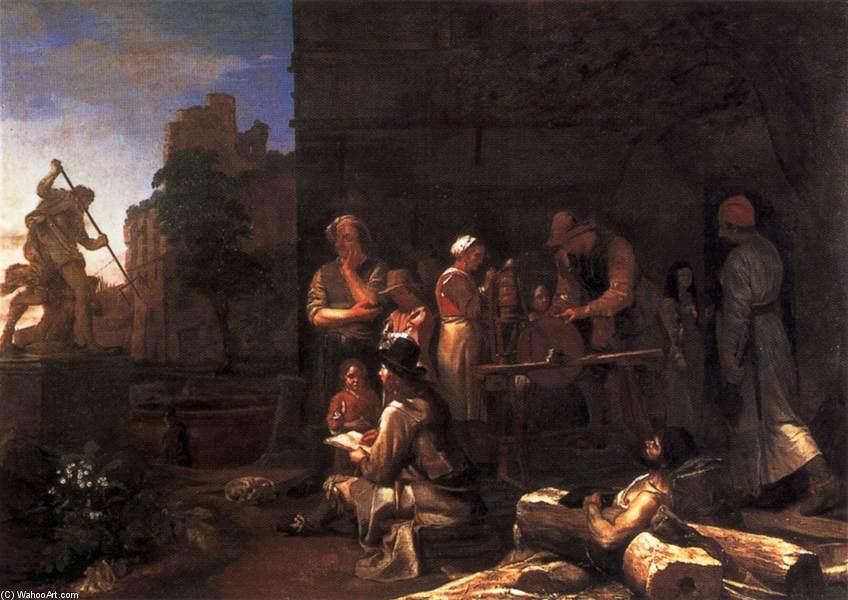
Young Artist Drawing Bernini's Neptune and Triton
 Acrylic On Canvas
- WallArt
- Baroque
 86.0 x 120.0 cm
 Museum Boijmans Van Beuningen
 Read More
Purchase a high-resolution, enhanced digital image, far superior to the online preview.
Each file is meticulously prepared by our in-house specialists using advanced tools and expert manual retouching. We ensure every image has exceptional clarity, precise color accuracy, and fine detail.
The final file is delivered via email within 72 hours, optimized for immediate use in professional, editorial, and print environments. This is the same quality trusted by top-tier design studios, publishers, and galleries.
Digital Image
Download a high-resolution file for personal display, printing, and creative projects. ( Buy Print Buy Hand Made Painting)
Included in Every Digital Image Order
Expert Digital Delivery, Guaranteed
When you choose ArtsDot.com, you're not just getting an image - you're receiving a professionally enhanced digital artwork, crafted with precision and backed by a satisfaction guarantee. Here's everything that comes with your order, automatically:

Fast Email Delivery
Your high-resolution digital image file will be emailed to you within 72 hours of ordering - ready for immediate use.

AI-Enhanced Digital File
Your artwork is professionally optimized using advanced AI tools and manual editing, ensuring maximum detail, clarity, and color accuracy.

Free Lifetime Re-Delivery
Accidentally deleted or lost your file? No worries - we'll resend it to you anytime, free of charge.

No Import Fees - Ever
Enjoy your artwork instantly with zero customs, duties, or delivery fees - digital downloads are always tax-free.

Color Accuracy Guarantee
We ensure your digital image reflects the original colors as closely as possible using professional tools and color management.

60-Day Satisfaction Guarantee
If you're not satisfied with your digital image, we'll revise it or refund 100% within 60 days - no questions asked.

100% Money-Back Guarantee
Not satisfied? Get a full refund within 60 days of receiving your digital file - no questions asked.

Bulk Order Discounts
Buy 3 images, save 10% - Buy 5, save 15% - Buy 10+, save 20%. Great for creative projects, galleries, and agencies.
Collectible Description
A Window Into Baroque Rome: Sweerts's Study of Neptune and Triton
The workshop of Michiel Sweerts—a name now recognized with increasing appreciation within the annals of Baroque art—offers more than just a glimpse into the artistic practices of 17th-century Europe; it presents a meticulously crafted tableau that encapsulates the spirit of its time. This monumental drawing, measuring 86 x 120 cm, depicts a scene brimming with intellectual curiosity and artistic aspiration – a young artist diligently sketching a sculpture of Neptune and Triton, a testament to Sweerts’s fascination with classical mythology and his commitment to capturing the dynamism of humanist scholarship. Sweerts's journey through Europe was marked by an extraordinary openness to influences from across continents. Trained initially in Antwerp, he swiftly established himself as a leading figure in Rome’s artistic milieu, immersing himself in the vibrant atmosphere of the Bamboccianti – artists who championed the revival of classical learning and celebrated the beauty of everyday life. Unlike many of his contemporaries who adhered rigidly to stylistic conventions, Sweerts skillfully blended Flemish realism with Italian grandeur and Dutch genre painting sensibilities, resulting in a distinctive visual language that continues to captivate viewers today. The drawing itself is executed with remarkable precision using charcoal on paper—a technique favored by Sweerts for its ability to convey subtle tonal variations and achieve an unparalleled level of detail. Observe the artist’s focused gaze as he studies the sculpture, mirroring the scholarly pursuits of his time. The meticulous rendering of Neptune's muscular torso and Triton’s flowing hair speaks volumes about Sweerts’s dedication to anatomical accuracy—a hallmark of Baroque art’s pursuit of idealized beauty. Furthermore, the inclusion of a compass and several books underscores the importance of geometric precision and textual reference in fostering artistic understanding. Beyond its technical mastery, “Young Artist Drawing Bernini's Neptune and Triton” resonates with profound symbolic significance. Neptune, representing divine authority and oceanic power, embodies the ambition to command knowledge and influence—a core aspiration of the humanist thinkers who shaped Sweerts’s worldview. Triton, symbolizing youthful energy and artistic creativity, symbolizes the transformative potential inherent in observation and diligent study. The artist's posture conveys a sense of reverence for tradition while simultaneously embracing innovation—a characteristic that defines Sweerts’s artistic legacy. The studio setting—characterized by warm lighting and adorned with decorative elements like potted plants—creates an environment conducive to contemplation and intellectual engagement. It serves as a visual metaphor for the pursuit of enlightenment, mirroring Sweerts's own unwavering dedication to mastering his craft and exploring the boundless realms of human experience. This drawing isn’t merely a depiction of a moment in time; it’s an invitation to consider the enduring values of artistic excellence and scholarly inquiry—a timeless masterpiece that continues to inspire admiration for its beauty and intellectual depth.Related Artworks



Artist Biography
A Life Across Borders: Unveiling the Enigmatic Michiel Sweerts
Born in Brussels in 1618, Michiel Sweerts emerged as a compelling, yet often overlooked, figure within the vibrant Baroque art world. His life was one of remarkable movement, traversing the cultural landscapes of Italy, Belgium, Amsterdam, and even venturing into the exotic realms of Persia and India. Unlike many artists rooted firmly in a single tradition, Sweerts absorbed diverse influences, forging a unique style that blended Flemish realism with Italianate grandeur and Dutch genre sensibilities. Little is known about his early training; he appears to have arrived fully formed as an artist in Rome around 1646, immediately aligning himself with the circle of artists known as the Bamboccianti. These painters, largely from Northern Europe, specialized in depicting everyday life in Italy – bustling street scenes, humble workshops, and the colorful characters that populated Roman society – catering to a growing market for genre paintings among collectors back home.Rome and the Bamboccianti: A Foundation of Realism
Sweerts quickly found his footing within this group, yet distinguished himself through a heightened level of stylistic mastery and an underlying social commentary that resonated beyond mere picturesque representation. While others focused on superficial charm, Sweerts imbued his scenes with a keen observation of human nature and the complexities of daily existence. His depictions of artists’ studios – spaces where creativity flourished alongside rigorous training – are particularly insightful, offering glimpses into the artistic processes of the era. He wasn't simply recording what he saw; he was analyzing it, subtly questioning established norms and exploring themes of artistic instruction and intellectual pursuit. This period also saw Sweerts produce compelling portraits and *tronies*—character studies that weren’t necessarily intended as accurate likenesses but rather explorations of expression and type. His growing reputation attracted patronage from prominent figures like the Deutz family and Prince Camillo Pamphili, solidifying his position within Roman artistic circles.An Itinerant Artist: Broadening Horizons
However, Rome was not to be Sweerts’ permanent home. Around 1655, he returned briefly to Brussels, where he established a drawing academy – a testament to his commitment to fostering artistic talent. This venture, though short-lived, demonstrates his pedagogical inclinations and desire to share his knowledge. His travels then led him to Amsterdam in the early 1660s, immersing him in the flourishing Dutch Golden Age art scene. The influence of Dutch masters—their meticulous realism, masterful use of light, and focus on genre subjects—is evident in his later works. But Sweerts’ most extraordinary journey lay ahead: a voyage to Persia and India (Goa). Details surrounding this period remain scarce, shrouded in mystery, but it undoubtedly broadened his cultural horizons and potentially impacted his subject matter, introducing new perspectives and exotic elements into his artistic vocabulary. The exact nature of his activities during these travels remains one of the enduring enigmas of his career.Legacy Rediscovered: A Baroque Master for a New Age
Michiel Sweerts died in 1664, leaving behind a body of work that, while appreciated during his lifetime, gradually faded into relative obscurity. It wasn’t until the 20th century that scholars began to rediscover and re-evaluate his contributions to Baroque art. Today, his paintings are held in esteemed museums worldwide—the National Gallery in London, the Detroit Institute of Arts, and numerous collections across Europe and America—testifying to his enduring artistic merit. Sweerts’ significance lies not only in his technical skill but also in his ability to seamlessly blend diverse influences – Italian Baroque drama, Dutch realism, and the exotic allure of the East. He was a truly international artist, embodying the increasingly interconnected nature of the 17th-century art world. His paintings offer more than just visual pleasure; they provide insightful glimpses into the social fabric of his time, reflecting his astute observations and subtle critiques. Portrait of a Man with a Red Cloak, believed to be Jean Deutz, exemplifies his mastery of portraiture, while his genre scenes continue to captivate viewers with their lively detail and narrative depth. Michiel Sweerts remains an enigmatic figure, but one whose artistic legacy is finally receiving the recognition it deserves—a versatile master who enriched the Baroque period with his unique vision and unwavering commitment to capturing the human experience.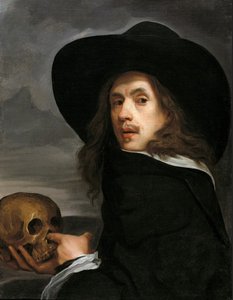
Michiel Sweerts
1618 - 1664 , Belgium
Quick Facts
- Artistic Movement Or Style: Baroque, Bamboccianti
- Artists Or Movements Influenced By This Artist:
- Genre painting
- Bamboccianti tradition
- Artists Who Influenced This Artist:
- Italian Baroque artists
- Bamboccianti
- Dutch Masters
- Date Of Birth: 1618
- Date Of Death: 1664
- Full Name: Michiel Sweerts
- Nationality: Flemish
- Notable Artworks:
- Portrait of a Man with a Red Cloak
- The Drawing Class
- Young Man and the Procuress
- Portrait of a Boy
- Place Of Birth: Brussels, Belgium

