 Preview
 Send
Send Share
Share
 Details

 Download
 Similars
 X-Ray
X-Ray Diaporama
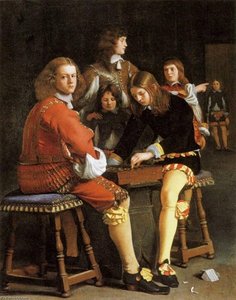
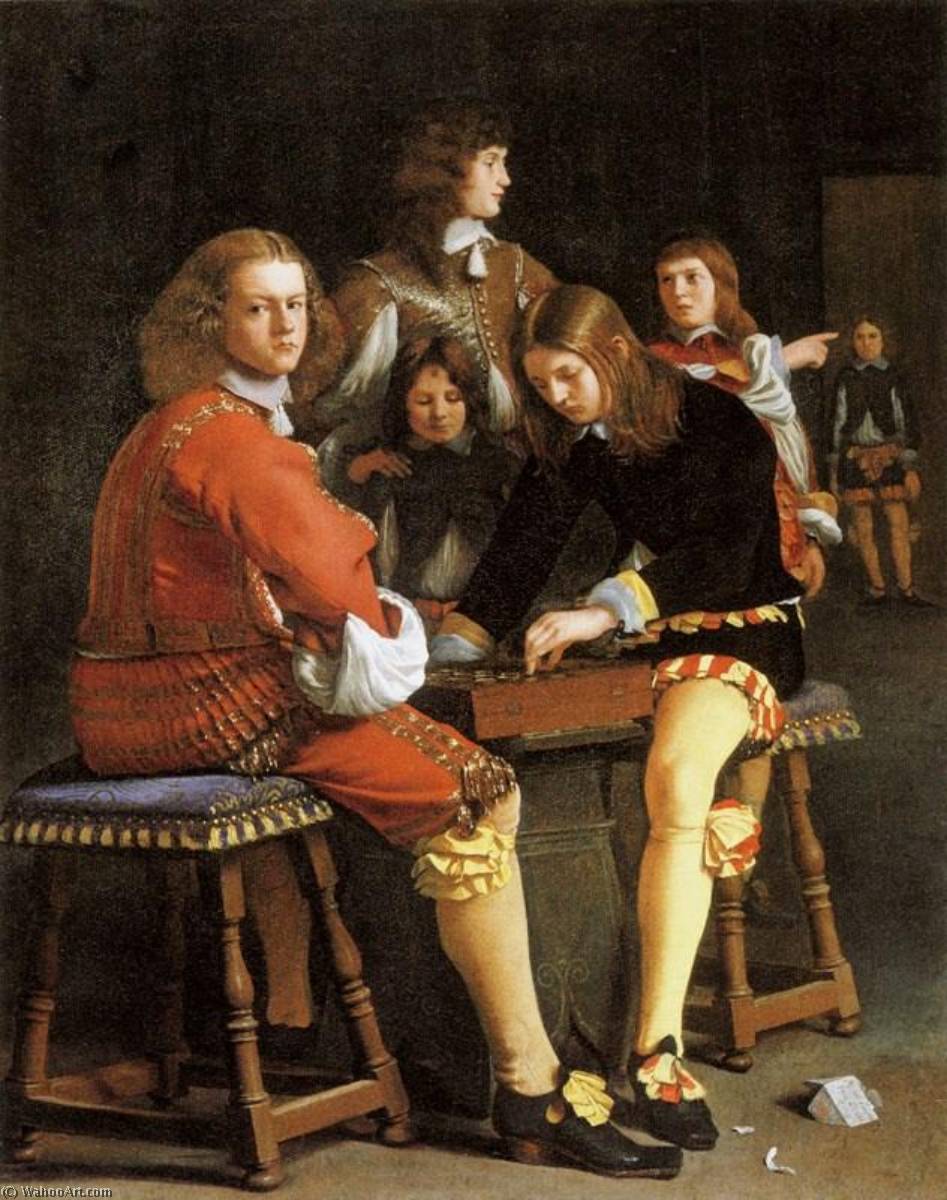
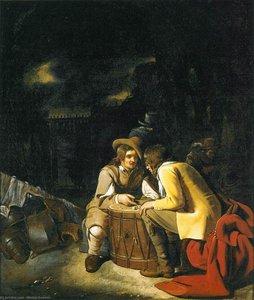
A Game of Draughts
 Acrylic On Canvas
- WallArt
- Baroque Painting
 1652
1652 48.0 x 38.0 cm
 Rijksmuseum Amsterdam
 Read More
Hand Made Oil Reproduction
Hand-painted oil on canvas in your size and frame, made to order by our artists. ( Buy Print Buy Image)




P118B $10

P118H $10

P118W $10

P438Z $10

P508JH $12

P508YH $12

P805H $10

P805Z $10

P919BZ $10

P919G $10

P919XJ $10

P959ZH $10

P968JZ $12

W106C $8

W218G $10

W218JH $8

W218Y $10

W307PJ $10

W316G $10

W316PJ $8

W316Y $10

W398PJ $8

W4111J $10

W500HY $15

W500JH $15

W692G $12

W849H $8

W940BG $15

W953PJ $8




Pick from our preset sizes that match the artwork's original proportions.

You may enter your own dimensions to fit a specific frame or space. If your selected size does not match the original image's proportions, we will either crop the artwork or extend the painting with additional hand-painted elements. A digital mockup will be sent for your approval before production begins.
Please note that the on-screen preview does not reflect the actual cropping or extension. Only the mockup will accurately show the final composition.
While custom sizes are available, we recommend selecting a dimension from the predefined list to preserve the original proportions.
After order, ArtsDot.com team will email client for instructions and provide a mockup preview
Worldwide Delivery () in 3/4 weeks instead of standard 5 weeks. (17 August). No compromise on quality.

Free Worldwide Express Shipping

High-Quality Linen Canvas

Full Shipping Insurance

Customs Tax Refund Guarantee

True Color Matching Guarantee

60-Day Return Policy (Defects Only)

100% Money-Back Guarantee

Bulk Discount Offer
 Glass option is only available in size under 110 CM

A Game of Draughts
Reproduction Medium
Reproduction Size
-


Total Price
$ 263
Artwork Description
A Game of Draughts: A Window into Baroque Society by Michiel Sweerts
Michiel Sweerts’ “A Game of Draughts,” painted in 1652, is more than just a depiction of a leisurely pastime; it's a meticulously crafted snapshot of 17th-century social life and artistic innovation. This captivating work, measuring a modest 48 x 38 cm, resides within the esteemed Mauritshuis collection in The Hague, offering viewers an intimate glimpse into the world of the Dutch Golden Age. Sweerts, a remarkably itinerant artist born in Brussels and deeply influenced by both Flemish realism and Italianate grandeur, masterfully captures not just the scene itself but also the subtle nuances of human interaction and the prevailing social atmosphere.
The painting immediately draws the eye to the group gathered around the table – men and women dressed in opulent fabrics, indicative of their status and wealth. The man on the left, sporting a vibrant red jacket, is likely the host, radiating an air of confident leadership. Sweerts’ skill lies not merely in his accurate rendering of clothing and facial features but in his ability to convey personality through gesture and expression. Note the slight tilt of heads, the focused gaze, and the subtle smiles – each element contributing to a sense of lively engagement. The composition is carefully balanced, with the table acting as a central anchor, drawing the viewer into the scene.
The Bamboccianti and the Depiction of Everyday Life
Sweerts’ work firmly places him within the circle of the Bamboccianti – a group of Northern European painters who distinguished themselves by portraying scenes from everyday life in Italy. Unlike their predecessors, who often focused on religious or mythological subjects, the Bamboccianti sought to capture the realities of urban existence, depicting street vendors, artisans, and commoners with remarkable detail and social commentary. “A Game of Draughts” embodies this spirit perfectly; it’s not a grand historical narrative but a quiet observation of a domestic scene, offering insight into the leisure activities of the upper classes.
The choice of draughts (a form of chess) as the subject matter is significant. The game itself was a popular pastime among the wealthy and educated, serving as both an intellectual challenge and a social connector. Sweerts’ depiction suggests a relaxed, convivial atmosphere – a space for conversation, strategy, and perhaps even a bit of friendly rivalry. The inclusion of details like the ornate table setting, the richly colored clothing, and the carefully rendered faces all contribute to this sense of refined enjoyment.
Technique and Artistic Style
Sweerts’ technique is characterized by a masterful blend of realism and dramatic lighting. He employs a rich palette of colors – deep reds, blues, and golds – to create a visually sumptuous effect. The use of chiaroscuro (the contrast between light and dark) adds depth and drama to the scene, highlighting key figures and creating a sense of three-dimensionality. Sweerts’ brushwork is remarkably smooth and refined, reflecting his meticulous attention to detail.
The painting's style reflects the influence of both Flemish realism and Italianate grandeur. Sweerts skillfully incorporates elements of both traditions, resulting in a unique artistic voice that is both grounded in observation and imbued with a sense of theatricality. The figures are rendered with a degree of naturalism, yet they possess an almost idealized quality, suggesting a desire to elevate the scene beyond mere representation.
Symbolism and Historical Context
Beyond its immediate depiction of a game of draughts, “A Game of Draughts” offers clues about the social and cultural values of 17th-century Europe. The presence of women in the scene suggests a degree of openness and acceptance that was relatively uncommon at the time. The emphasis on leisure activities reflects the growing importance of secular pursuits during the Renaissance and Baroque periods.
Furthermore, the painting provides valuable insight into the artistic practices of the era. Sweerts’ work exemplifies the rise of portraiture as a popular genre, reflecting the increasing wealth and social mobility of the time. His association with the Bamboccianti demonstrates the growing interest in depicting everyday life and capturing the nuances of human experience. “A Game of Draughts” stands as a testament to Sweerts' artistic skill and his ability to capture the essence of a bygone era, inviting viewers to contemplate the complexities of social interaction and the enduring appeal of art’s capacity to illuminate the human condition.
Related Artworks

Artist Biography
A Life Across Borders: Unveiling the Enigmatic Michiel Sweerts
Born in Brussels in 1618, Michiel Sweerts emerged as a compelling, yet often overlooked, figure within the vibrant Baroque art world. His life was one of remarkable movement, traversing the cultural landscapes of Italy, Belgium, Amsterdam, and even venturing into the exotic realms of Persia and India. Unlike many artists rooted firmly in a single tradition, Sweerts absorbed diverse influences, forging a unique style that blended Flemish realism with Italianate grandeur and Dutch genre sensibilities. Little is known about his early training; he appears to have arrived fully formed as an artist in Rome around 1646, immediately aligning himself with the circle of artists known as the Bamboccianti. These painters, largely from Northern Europe, specialized in depicting everyday life in Italy – bustling street scenes, humble workshops, and the colorful characters that populated Roman society – catering to a growing market for genre paintings among collectors back home.Rome and the Bamboccianti: A Foundation of Realism
Sweerts quickly found his footing within this group, yet distinguished himself through a heightened level of stylistic mastery and an underlying social commentary that resonated beyond mere picturesque representation. While others focused on superficial charm, Sweerts imbued his scenes with a keen observation of human nature and the complexities of daily existence. His depictions of artists’ studios – spaces where creativity flourished alongside rigorous training – are particularly insightful, offering glimpses into the artistic processes of the era. He wasn't simply recording what he saw; he was analyzing it, subtly questioning established norms and exploring themes of artistic instruction and intellectual pursuit. This period also saw Sweerts produce compelling portraits and *tronies*—character studies that weren’t necessarily intended as accurate likenesses but rather explorations of expression and type. His growing reputation attracted patronage from prominent figures like the Deutz family and Prince Camillo Pamphili, solidifying his position within Roman artistic circles.An Itinerant Artist: Broadening Horizons
However, Rome was not to be Sweerts’ permanent home. Around 1655, he returned briefly to Brussels, where he established a drawing academy – a testament to his commitment to fostering artistic talent. This venture, though short-lived, demonstrates his pedagogical inclinations and desire to share his knowledge. His travels then led him to Amsterdam in the early 1660s, immersing him in the flourishing Dutch Golden Age art scene. The influence of Dutch masters—their meticulous realism, masterful use of light, and focus on genre subjects—is evident in his later works. But Sweerts’ most extraordinary journey lay ahead: a voyage to Persia and India (Goa). Details surrounding this period remain scarce, shrouded in mystery, but it undoubtedly broadened his cultural horizons and potentially impacted his subject matter, introducing new perspectives and exotic elements into his artistic vocabulary. The exact nature of his activities during these travels remains one of the enduring enigmas of his career.Legacy Rediscovered: A Baroque Master for a New Age
Michiel Sweerts died in 1664, leaving behind a body of work that, while appreciated during his lifetime, gradually faded into relative obscurity. It wasn’t until the 20th century that scholars began to rediscover and re-evaluate his contributions to Baroque art. Today, his paintings are held in esteemed museums worldwide—the National Gallery in London, the Detroit Institute of Arts, and numerous collections across Europe and America—testifying to his enduring artistic merit. Sweerts’ significance lies not only in his technical skill but also in his ability to seamlessly blend diverse influences – Italian Baroque drama, Dutch realism, and the exotic allure of the East. He was a truly international artist, embodying the increasingly interconnected nature of the 17th-century art world. His paintings offer more than just visual pleasure; they provide insightful glimpses into the social fabric of his time, reflecting his astute observations and subtle critiques. Portrait of a Man with a Red Cloak, believed to be Jean Deutz, exemplifies his mastery of portraiture, while his genre scenes continue to captivate viewers with their lively detail and narrative depth. Michiel Sweerts remains an enigmatic figure, but one whose artistic legacy is finally receiving the recognition it deserves—a versatile master who enriched the Baroque period with his unique vision and unwavering commitment to capturing the human experience.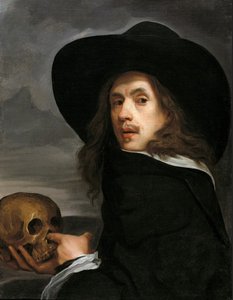
Michiel Sweerts
1618 - 1664 , Belgium
Quick Facts
- Artistic Movement Or Style: Baroque, Bamboccianti
- Artists Or Movements Influenced By This Artist:
- Genre painting
- Bamboccianti tradition
- Artists Who Influenced This Artist:
- Italian Baroque artists
- Bamboccianti
- Dutch Masters
- Date Of Birth: 1618
- Date Of Death: 1664
- Full Name: Michiel Sweerts
- Nationality: Flemish
- Notable Artworks:
- Portrait of a Man with a Red Cloak
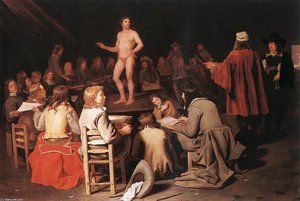
- The Drawing Class
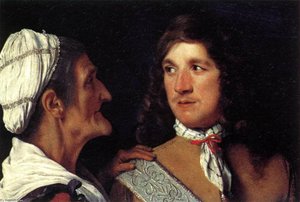
- Young Man and the Procuress
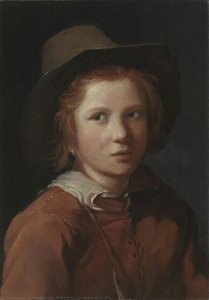
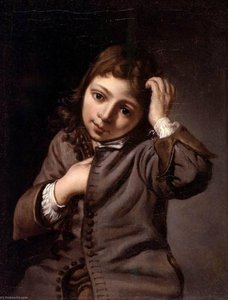
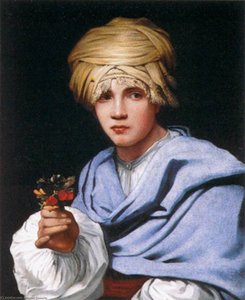
- Portrait of a Boy
- Place Of Birth: Brussels, Belgium
Related Articles
The Grandeur of Baroque Portraiture: Power, Emotion & Artistic Innovation
Explore the grandeur of Baroque portraiture! Discover Rubens, Van Dyck & the masters of 17th-century art. Uncover symbolism, techniques & lasting influence. Expert insights for collectors and enthusiasts.
Decoding Baroque Grandeur: A Guide to the Drama and Emotion of 17th-Century Art
Explore the breathtaking drama of 17th-century Baroque art. Our expert guide decodes the use of chiaroscuro, emotional intensity, and historical grandeur to help you appreciate and curate timeless masterpieces for your collection.
Baroque Classicism: Reconciling Drama & Order in 17th-Century Art
Explore the captivating world of Baroque Classicism! Discover its history, key artists like Caravaggio & Rubens, and defining characteristics. Expert insights & high-quality reproductions at ArtsDot.

The Dramatic Flourish: Exploring the Baroque Movement's Enduring Legacy in Art History
Explore the dramatic world of Baroque art! Discover iconic artists like Caravaggio & Rubens, defining techniques, and its lasting impact on art history. Expert insights for collectors & enthusiasts at ArtsDot.

The Visceral Stage: Exploring Dramatic Narratives & Emotional Intensity in Baroque Art
Explore the dramatic world of Baroque art! Discover iconic masters like Caravaggio & Rembrandt, their techniques, and the movement's lasting impact. Expert insights for collectors & enthusiasts at ArtsDot.