 Preview
 Send
Send Share
Share
 Details

 Download
 Similars
 X-Ray
X-Ray Diaporama
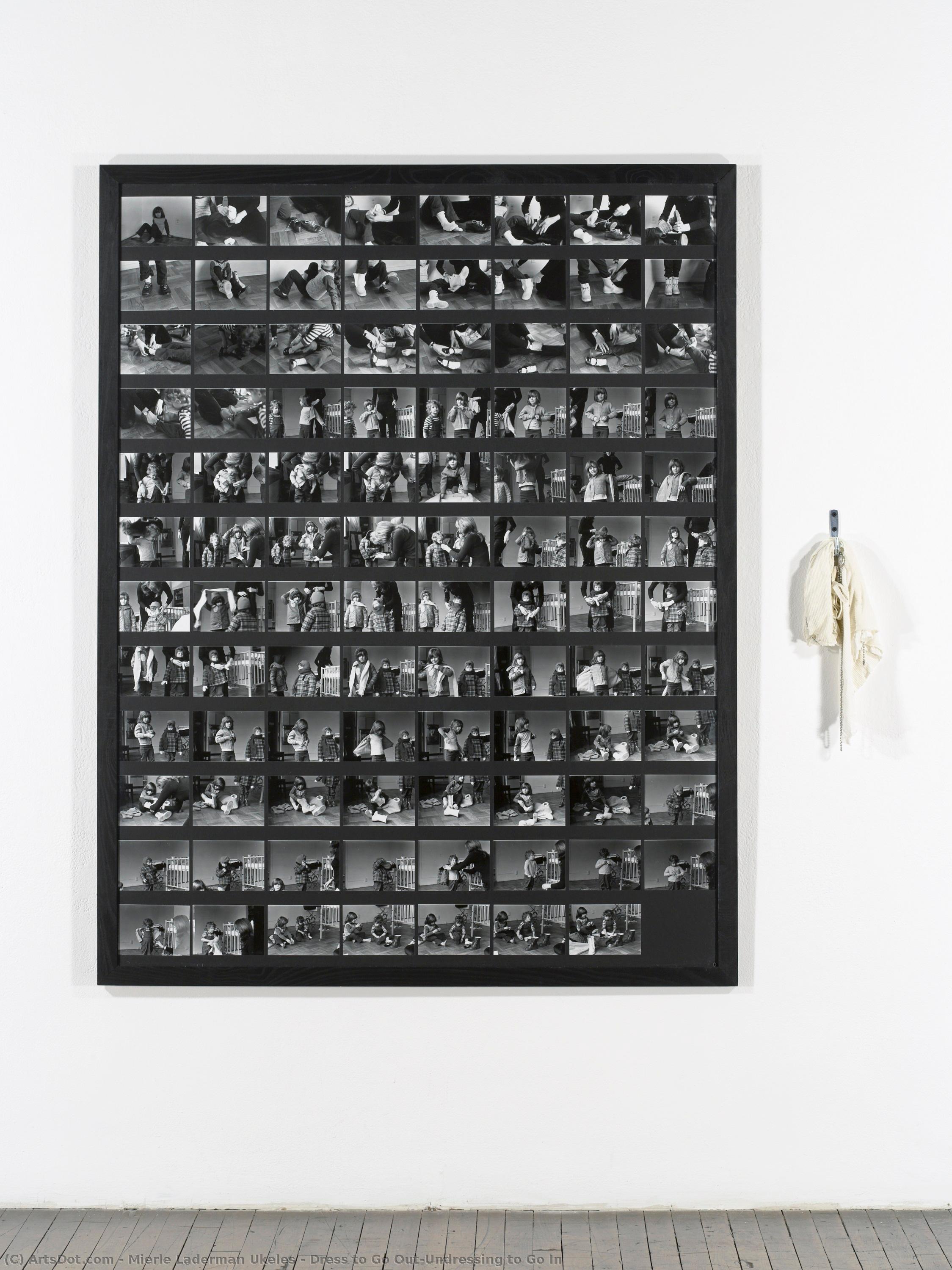
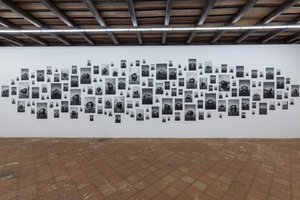
Dress to Go Out/Undressing to Go In


 Read More
Hand Made Oil Reproduction
Hand-painted oil on canvas in your size and frame, made to order by our artists. ( Buy Print Buy Image)




































Pick from our preset sizes that match the artwork's original proportions.

You may enter your own dimensions to fit a specific frame or space. If your selected size does not match the original image's proportions, we will either crop the artwork or extend the painting with additional hand-painted elements. A digital mockup will be sent for your approval before production begins.
Please note that the on-screen preview does not reflect the actual cropping or extension. Only the mockup will accurately show the final composition.
While custom sizes are available, we recommend selecting a dimension from the predefined list to preserve the original proportions.
After order, ArtsDot.com team will email client for instructions and provide a mockup preview
Worldwide Delivery () in 3/4 weeks instead of standard 5 weeks. (1 September). No compromise on quality.

Free Worldwide Express Shipping

High-Quality Linen Canvas

Full Shipping Insurance

Customs Tax Refund Guarantee

True Color Matching Guarantee

60-Day Return Policy (Defects Only)

100% Money-Back Guarantee

Bulk Discount Offer
 Glass option is only available in size under 110 CM

Dress to Go Out/Undressing to Go In
Reproduction Medium
Reproduction Size
-


Total Price
$ 738
Related Artworks


Artist Biography
The Poetics of Maintenance: The Visionary World of Mierle Laderman Ukeles
Mierle Laderman Ukeles stands apart as an artist whose work fundamentally interrogates the relationship between art, labor, and urban life. Born in Denver, Colorado, in 1939, to a rabbi, her artistic journey began at Barnard College where she pursued studies in history and international relations before honing her craft at Pratt Institute in New York City. It was here that Ukeles’s groundbreaking approach – what she termed “maintenance art” – emerged, challenging conventional notions of artistic creation and redefining its role within the absolutely broader context of civic engagement.
Her early path was marked by both profound intellectual curiosity and significant personal resilience. After her time at Pratt Institute, which was met with controversy regarding the perceived nature of her sculptures, she continued her education at the University of Denver before earning a Master's degree from New York University in 1974. This academic foundation provided the scaffolding for a career that would eventually bridge the gap between the private domestic sphere and the vast, public machinery of the metropolis.
Redefining Labor through the Maintenance Art Manifesto
In 1969, Ukeles penned her seminal Maintenance Art Manifesto, a document that would forever alter the trajectory of conceptual art. As she navigated the dual roles of artist and mother, she began to ponder the invisible labor required to sustain life. Her claim was radical: to challenge the domestic role of women by reframing herself as a "maintenance artist." For Ukeles, maintenance encompassed everything from the intimate, repetitive tasks of cooking and cleaning to the massive, often overlooked civic duties of street cleaning and waste management.
This philosophy transformed the mundane into the monumental. Her work is characterized by a meticulous documentation of everyday tasks performed by sanitation workers—cleaning streets, emptying bins, sorting recyclables—transforming these seemingly mundane activities into powerful visual narratives. Her work isn’t merely about recording reality; it’s about elevating the dignity of labor and highlighting the crucial role sanitation plays in sustaining urban ecosystems. This fascination with process art stems from a deep conviction that artistic expression should be inseparable from practical action, mirroring the cyclical nature of waste management itself.
The Urban Pulse: Symbiosis and Civic Engagement
Influenced by Conceptual Art pioneers like Sol LeWitt and Joseph Kosuth, Ukeles embraced the principles of minimalism and repetition. She often utilized simple geometric forms—squares and rectangles—to represent the repetitive movements of sanitation crews, creating a visual language that mirrored the rhythmic, industrial pulse of New York City. Her use of durable materials like concrete and steel reflects her commitment to permanence and resilience, mirroring the enduring presence of infrastructure within our cities.
Perhaps her most profound achievement lies in her long-standing relationship with the city itself. Since 1977, she has served as the Artist in Residence for the New York City Department of Sanitation. Through this role, she moved beyond the gallery walls to engage directly with the heartbeat of the streets. Her explorations of feminist themes are equally significant; by choosing female sanitation workers and domestic tasks as subjects, she asserted their visibility and challenged societal stereotypes about women's roles in public service.
The historical significance of Ukeles’s oeuvre cannot be overstated. She successfully bridged the gap between:
- The Private and the Public: Connecting the unseen labor of the home to the essential services of the state.
- Art and Ecology: Highlighting how waste management is a vital component of ecological survival.
- Conceptualism and Activism: Using the language of minimalism to advocate for the recognition of all forms of "maintenance" work.
Through her lens, the act of cleaning becomes an act of care, and the management of waste becomes a profound narrative of urban endurance and ecological responsibility.
Mierle Laderman Ukeles
1939 - , United States of America
Quick Facts
- Artistic Movement Or Style: Maintenance Art
- Date Of Birth: 1939
- Full Name: Mierle Laderman Ukeles
- Nationality: American
- Notable Artworks:
- Dress to Go Out/Undressing to Go In
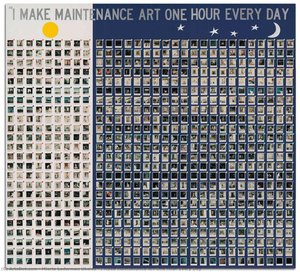
- I Make Maintenance Art One Hour Every Day
- Place Of Birth: Denver, United States