

 Preview
 Send
Send Share
Share
 Details

 Download
 Similars
 X-Ray
X-Ray Diaporama
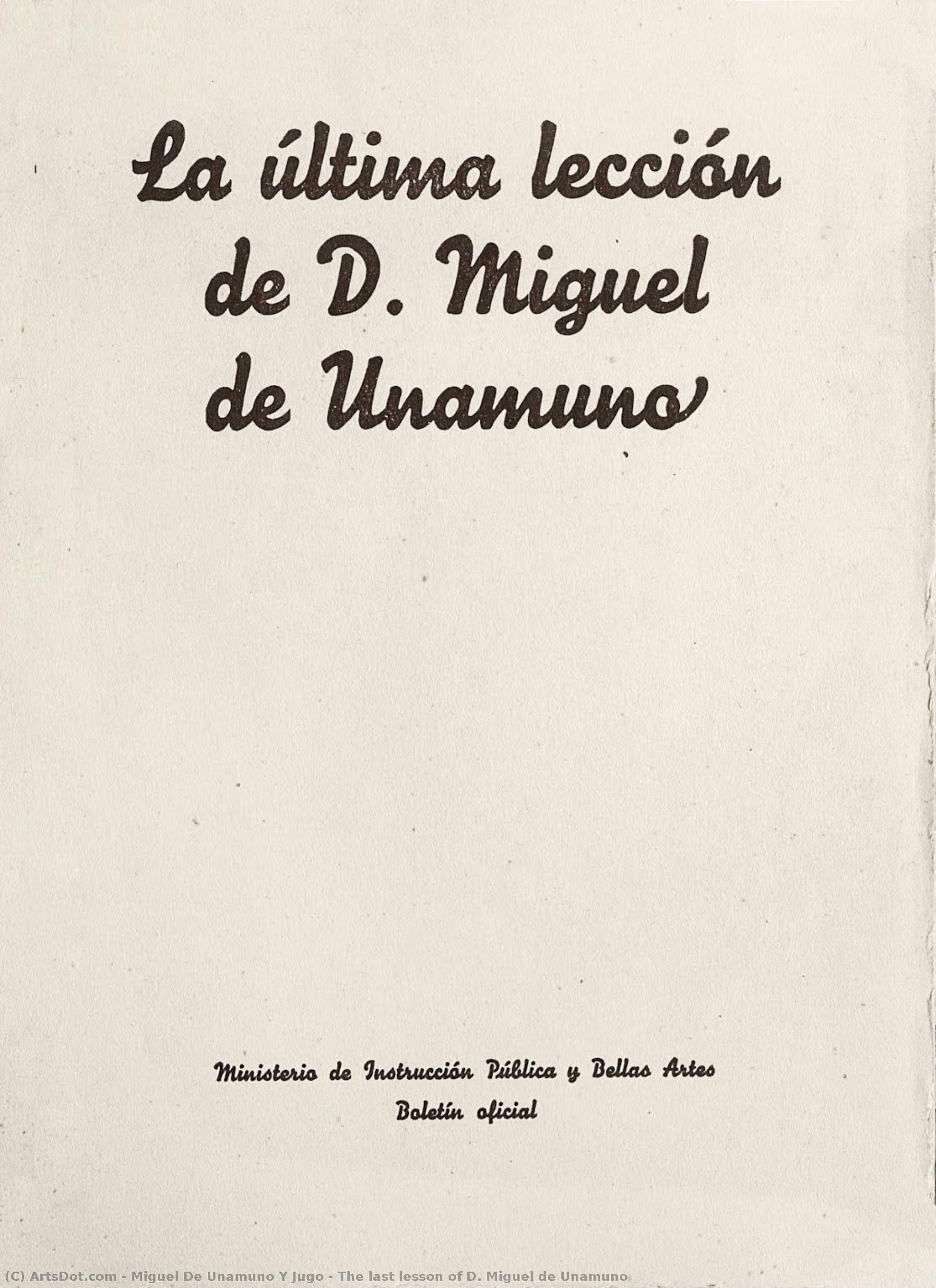
The last lesson of D. Miguel de Unamuno


 Read More
Purchase a high-resolution, enhanced digital image, far superior to the online preview.
Each file is meticulously prepared by our in-house specialists using advanced tools and expert manual retouching. We ensure every image has exceptional clarity, precise color accuracy, and fine detail.
The final file is delivered via email within 72 hours, optimized for immediate use in professional, editorial, and print environments. This is the same quality trusted by top-tier design studios, publishers, and galleries.
Digital Image
Download a high-resolution file for personal display, printing, and creative projects. ( Buy Print Buy Hand Made Painting)
Included in Every Digital Image Order
Expert Digital Delivery, Guaranteed
When you choose ArtsDot.com, you're not just getting an image - you're receiving a professionally enhanced digital artwork, crafted with precision and backed by a satisfaction guarantee. Here's everything that comes with your order, automatically:

Fast Email Delivery
Your high-resolution digital image file will be emailed to you within 72 hours of ordering - ready for immediate use.

AI-Enhanced Digital File
Your artwork is professionally optimized using advanced AI tools and manual editing, ensuring maximum detail, clarity, and color accuracy.

Free Lifetime Re-Delivery
Accidentally deleted or lost your file? No worries - we'll resend it to you anytime, free of charge.

No Import Fees - Ever
Enjoy your artwork instantly with zero customs, duties, or delivery fees - digital downloads are always tax-free.

Color Accuracy Guarantee
We ensure your digital image reflects the original colors as closely as possible using professional tools and color management.

60-Day Satisfaction Guarantee
If you're not satisfied with your digital image, we'll revise it or refund 100% within 60 days - no questions asked.

100% Money-Back Guarantee
Not satisfied? Get a full refund within 60 days of receiving your digital file - no questions asked.

Bulk Order Discounts
Buy 3 images, save 10% - Buy 5, save 15% - Buy 10+, save 20%. Great for creative projects, galleries, and agencies.
Collectible Description
A Testament to Existential Thought: Examining ‘The Last Lesson’ by Miguel de Unamuno
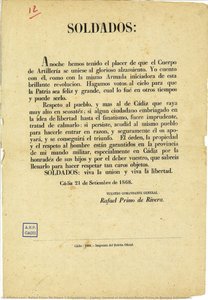
Miguel de Unamuno's “La Última Lección,” or “The Last Lesson,” transcends mere visual representation; it embodies the profound philosophical inquiries that defined his life and work. Published as an official announcement document by the Ministerio de Instrucción Pública y Bellas Artes Boletín oficial, this piece serves not only as a formal proclamation but also as a poignant encapsulation of Unamuno’s core beliefs about mortality, faith, and the human condition—themes consistently explored throughout his literary oeuvre. The image itself is deceptively simple: a page from printed material featuring bold, black typography against a pale beige background textured to resemble aged paper. This deliberate aesthetic choice underscores the seriousness of its subject matter and reflects Unamuno’s preoccupation with confronting existential anxieties.Typography and Composition – Echoes of Formal Expression
The dominant element is undoubtedly the typeface—a robust serif font—which commands attention and imparts an air of authority. Centered prominently at the top, it conveys a sense of solemn declaration, mirroring the weighty philosophical concepts Unamuno wrestled with throughout his career. The layout prioritizes textual content, eschewing extraneous lines or decorative elements beyond the text blocks themselves. This minimalist approach reinforces the focus on intellectual discourse and aligns perfectly with Unamuno’s scholarly pursuits. Perspective is flattened, characteristic of printed documents, emphasizing the stability and permanence of knowledge—a counterpoint to the fleeting nature of life itself. Depth is subtly suggested by layering the text, creating a visual hierarchy that guides the viewer's eye toward key information.Technique and Material – Preservation of Legacy
The artwork’s execution speaks volumes about its significance. Printed on paper using offset printing—a technique favored for government publications—the reproduction faithfully replicates the original material’s qualities. The beige background texture mimics the patina of time, hinting at the passage of years since Unamuno penned these words and subtly enhancing their emotional resonance. Careful attention to detail ensures that the reproduction captures not only the visual elements but also the tactile experience of encountering the artwork—a deliberate gesture honoring Unamuno’s intellectual heritage. The paper's surface is treated with a matte finish, minimizing glare and allowing for an immersive viewing experience.Symbolism – Confronting Mortality and Embracing Uncertainty
“The Last Lesson” isn’t simply about disseminating information; it embodies Unamuno’s philosophical stance on death—a concept he considered “the great enigma.” The stark contrast between black text and pale beige symbolizes the confrontation with mortality, urging contemplation of life's fragility. Furthermore, the formal style reflects Unamuno’s belief in reason as a tool for grappling with existential dilemmas. It represents an unwavering commitment to intellectual honesty and a refusal to succumb to comforting illusions. Ultimately, the artwork compels viewers to confront uncomfortable truths about existence—a challenge that aligns perfectly with Unamuno's enduring legacy as one of Spain’s most influential thinkers.Emotional Resonance – An Invitation to Reflection
More than just an aesthetic object, “The Last Lesson” serves as a conduit for emotional contemplation. Its understated elegance invites viewers to pause and consider the profound questions posed by Unamuno—questions that continue to resonate with audiences today. The artwork’s muted palette evokes a sense of melancholy yet also conveys resilience—a testament to Unamuno's unwavering spirit in the face of adversity. Reproducing this piece offers an opportunity not only to adorn your home but also to engage in a dialogue with one of Spain’s greatest minds, fostering introspection and enriching one’s understanding of the human experience.Related Artworks
Artist Biography
A Life Forged in Basque Soil: The Existential Journey of Miguel de Unamuno
Miguel de Unamuno y Jugo, born in the bustling port city of Bilbao, Spain, in 1864, was a figure destined to wrestle with the profoundest questions of human existence. His early life was marked by a shadow – the loss of his father when he was just six years old. This formative experience instilled within him a lifelong preoccupation with mortality, a theme that would permeate his philosophical inquiries and artistic expressions. Educated at the Vizcaino Institute in Bilbao and later at the University of Madrid, where he earned a doctorate in philosophy and letters in 1883, Unamuno’s intellectual curiosity was ignited early on. He initially engaged with Basque language and culture, even competing for a teaching position against Sabino Arana, but it was philosophy that truly captured his imagination, setting the stage for a career dedicated to unraveling the mysteries of faith, reason, and the human condition.Between Academia and Activism: A Restless Spirit
Unamuno’s academic journey led him to the University of Salamanca in 1897, where he began teaching Greek. He quickly rose through the ranks, becoming Rector in 1901 – a position he held, albeit controversially, for over a decade. His tenure was far from tranquil; Unamuno was not one to shy away from expressing his opinions, often clashing with political regimes and societal norms. A staunch supporter of the Allied cause during World War I, he faced dismissal from the university, followed by exile under the dictatorship of Miguel Primo de Rivera in 1924. He escaped to France before eventually returning after the regime’s fall, demonstrating a resilience born of conviction. Re-elected Rector of Salamanca University in 1931, his outspoken nature once again led to his removal in 1936 following a denunciation of Falangists during the Spanish Civil War – an act that ultimately resulted in house arrest and his untimely death later that year. This turbulent life, constantly navigating between intellectual pursuits and political activism, shaped Unamuno into a uniquely compelling voice of his era.The Agony of Existence: Literary and Philosophical Explorations
Unamuno’s legacy rests upon a body of work that defies easy categorization. He masterfully traversed multiple genres – essays, novels, poetry, and theater – often blurring the boundaries between them. His most influential writings include *The Tragic Sense of Life* (1912), a philosophical essay that delves into the inherent conflict between faith and reason, and novels such as *Abel Sánchez: The History of a Passion* (1917) and *Mist* (1914). Central to his philosophy was the concept of “agony,” stemming from humanity’s desperate desire for immortality and the impossibility of achieving it through rational thought alone. He emphasized the importance of individual will, the struggle against conformity, and the acceptance of life's inherent contradictions. His novella *San Manuel Bueno, mártir*, is a particularly poignant exploration of faith, doubt, and deception, revealing his complex relationship with religion and the human capacity for self-delusion. Unamuno’s writing style is characterized by its passionate intensity, lyrical prose, and relentless questioning – a reflection of his own internal struggles.A Bridge Between Eras: Influences and Enduring Significance
While not strictly aligned with any single school of thought, Unamuno's work anticipated many themes later explored in existentialism. He engaged with ideas from positivism and socialism, yet ultimately forged his own unique path. He is often associated with the Generation of '98 – a group of Spanish intellectuals responding to Spain’s crisis of identity at the turn of the century – though his relationship with them was complex and nuanced. Unamuno's writings had a profound impact on Spanish literature and philosophy, challenging traditional beliefs and prompting fundamental questions about human existence. He shared a cultural landscape with figures like Pablo Picasso, reflecting the broader artistic and intellectual ferment of his time. His legacy continues to inspire writers and thinkers today, particularly those interested in existentialism, Spanish literature, and the enduring complexities of faith and reason.A Final Silence: Death and Remembrance
Miguel de Unamuno died on December 31, 1936, in Salamanca, Spain, shortly after being removed from his position as Rector and placed under house arrest. The cause was a heart attack, but the circumstances surrounding his death were deeply intertwined with the turmoil of the Spanish Civil War – a conflict that profoundly affected him and his views on Spain’s future. His life and work are commemorated at the University of Salamanca, and scholarly study continues to illuminate the depth and complexity of his thought. The Casa Museo Unamuno offers intimate insights into his personal world, preserving his library, manuscripts, and artifacts for generations to come. Unamuno remains a towering figure in Spanish intellectual history – a restless spirit who dared to confront the fundamental questions of existence with unwavering honesty and passionate intensity.- Born: Bilbao, Spain, September 29, 1864
- Died: Salamanca, Spain, December 31, 1936
- Major Works: *The Tragic Sense of Life*, *Abel Sánchez: The History of a Passion*, *Mist*, *San Manuel Bueno, mártir*
- Key Themes: Existentialism, faith vs. reason, mortality, the agony of existence, individual will.
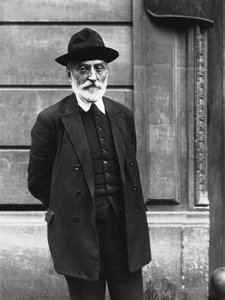
Miguel de Unamuno
1864 - 1936 , Spain
Quick Facts
- Artistic Movement Or Style: Modernist Literature
- Artists Or Movements Influenced By This Artist:
- Existentialism
- Generation of '98
- Artists Who Influenced This Artist:
- Positivism
- Socialism
- Date Of Birth: September 29, 1864
- Date Of Death: December 31, 1936
- Full Name: Miguel de Unamuno y Jugo
- Nationality: Spanish
- Notable Artworks:
- The Tragic Sense of Life
- Abel Sánchez
- Mist
- San Manuel Bueno, mártir
- Place Of Birth: Bilbao, Spain

