

 Preview
 Send
Send Share
Share
 Details

 Download
 Similars
 X-Ray
X-Ray Diaporama
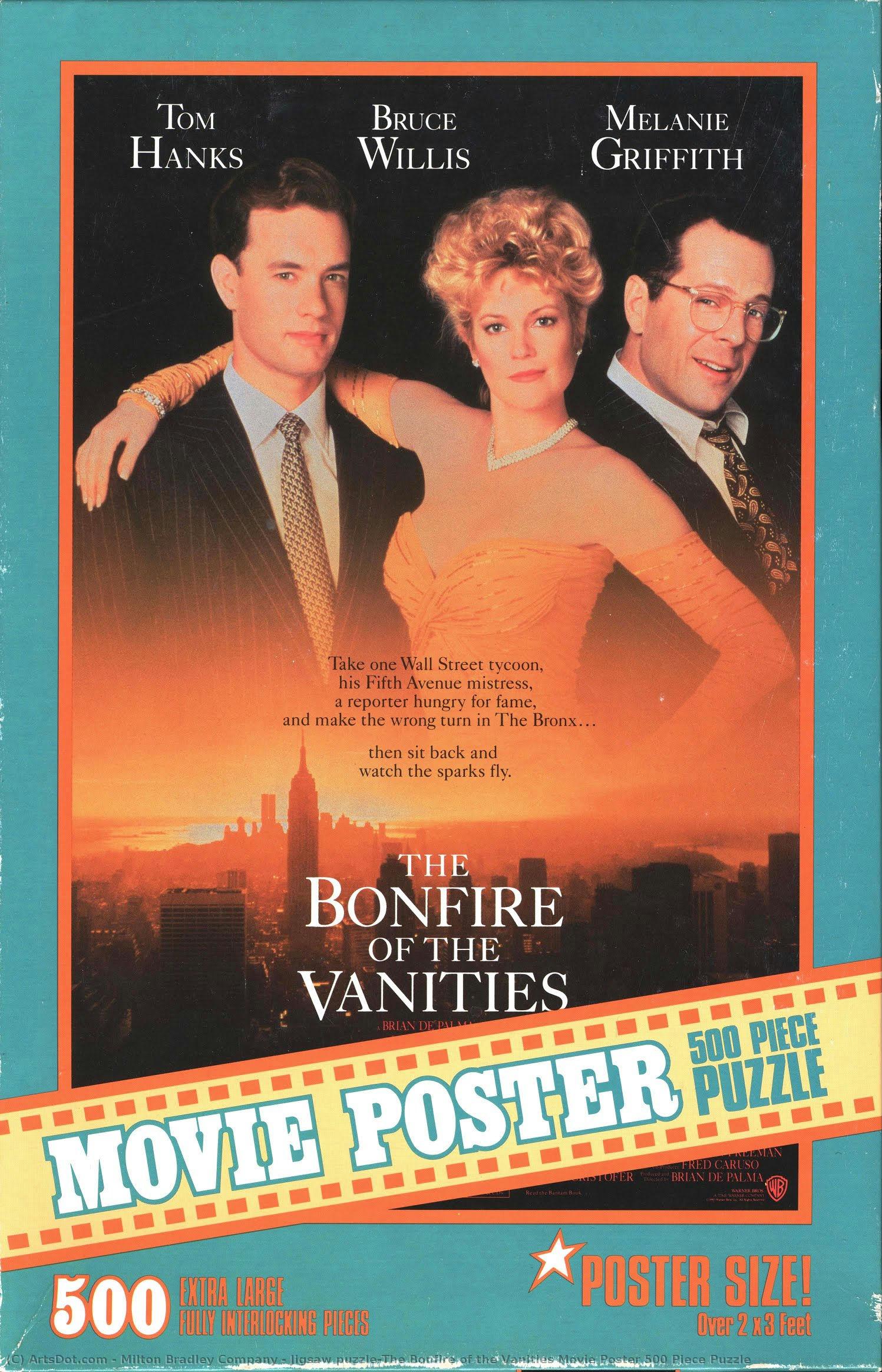
Jigsaw puzzle:The Bonfire of the Vanities Movie Poster 500 Piece Puzzle


 Read More
Purchase a high-resolution, enhanced digital image, far superior to the online preview.
Each file is meticulously prepared by our in-house specialists using advanced tools and expert manual retouching. We ensure every image has exceptional clarity, precise color accuracy, and fine detail.
The final file is delivered via email within 72 hours, optimized for immediate use in professional, editorial, and print environments. This is the same quality trusted by top-tier design studios, publishers, and galleries.
Digital Image
Download a high-resolution file for personal display, printing, and creative projects. ( Buy Print Buy Hand Made Painting)
Included in Every Digital Image Order
Expert Digital Delivery, Guaranteed
When you choose ArtsDot.com, you're not just getting an image - you're receiving a professionally enhanced digital artwork, crafted with precision and backed by a satisfaction guarantee. Here's everything that comes with your order, automatically:

Fast Email Delivery
Your high-resolution digital image file will be emailed to you within 72 hours of ordering - ready for immediate use.

AI-Enhanced Digital File
Your artwork is professionally optimized using advanced AI tools and manual editing, ensuring maximum detail, clarity, and color accuracy.

Free Lifetime Re-Delivery
Accidentally deleted or lost your file? No worries - we'll resend it to you anytime, free of charge.

No Import Fees - Ever
Enjoy your artwork instantly with zero customs, duties, or delivery fees - digital downloads are always tax-free.

Color Accuracy Guarantee
We ensure your digital image reflects the original colors as closely as possible using professional tools and color management.

100-Day Satisfaction Guarantee
If you're not satisfied with your digital image, we'll revise it or refund 100% within 100 days - no questions asked.

100% Money-Back Guarantee
Not satisfied? Get a full refund within 100 days of receiving your digital file - no questions asked.

Bulk Order Discounts
Buy 3 images, save 10% - Buy 5, save 15% - Buy 10+, save 20%. Great for creative projects, galleries, and agencies.
A Fragmented Cinematic Memory
In the intersection of mass media and tactile nostalgia lies a curious artifact of late twentieth-century pop culture: The Bonfire of the Vanities Movie Poster 500 Piece Puzzle. This piece, produced by the legendary Milton Bradley Company in 1991, serves as more than a mere pastime; it is a reconstructed window into the cinematic landscape of the early nineties. The artwork captures the essence of the film's promotional imagery, presenting a trio of central figures whose poised, dramatic arrangement evokes the high-stakes tension and social stratification central to the narrative. Through the medium of a jigsaw puzzle, the image undergoes a metamorphosis, where the continuous flow of the original movie poster is intentionally fractured into five hundred distinct fragments, inviting the viewer to participate in the very act of reconstruction.
The visual composition relies heavily on the interplay between character and atmosphere. On one side, a solitary male figure stands in stark contrast to the duo of women positioned on the opposite flank, creating a balanced yet emotionally charged tension within the frame. The presence of subtle details, such as the sharp line of a tie cutting through the center of the scene, adds a layer of sartorial sophistication that mirrors the themes of vanity and status inherent in the source material. While the original medium was designed for the silver screen, this iteration utilizes the aesthetic of lithographic precision to maintain the clarity of expression and the dramatic lighting that defines the era's poster art.
The Art of the Assembly
To engage with this piece is to experience a unique form of meditative artistry. The technique of the jigsaw puzzle introduces a structural complexity that traditional paintings lack; here, the "brushstrokes" are replaced by the interlocking edges of cardboard. As one assembles the pieces, the larger narrative begins to emerge from chaos, much like the unfolding drama of a film. This process creates a profound emotional connection between the collector and the work, as each piece placed is a step toward reclaiming a lost image. For the interior designer or the art enthusiast, this piece offers a conversation starter that bridges the gap between fine art appreciation and the nostalgic joy of tactile play.
Beyond its surface appeal, the work carries the historical weight of the Milton Bradley Company’s legacy. Born from a tradition of lithography and portraiture, the company brought a level of visual storytelling to board games and puzzles that elevated them from simple toys to cultural artifacts. Owning a reproduction of this puzzle is an homage to that era of craftsmanship—a time when even mass-produced entertainment sought to capture the grandeur of human emotion and the intricate beauty of a well-composed scene. It remains a captivating choice for those looking to infuse their spaces with a sense of retro-sophistication and a deep, layered appreciation for the history of visual media.
Related Artworks






Artist Biography
The Unexpected Canvas: Milton Bradley Company and the Rise of Board Game Art
It’s a curious entry in the annals of art history – a company synonymous not with oils or marble, but with *board games*. Yet, to dismiss the Milton Bradley Company as merely a manufacturer is to overlook its profound impact on American visual culture. Founded in 1860 by Milton Bradley himself, initially as a lithographer producing portraits and greeting cards, the company’s trajectory shifted dramatically towards entertainment, ultimately establishing it as a pioneer in the art of game design and illustration. This wasn't simply about creating diversions; it was about crafting worlds, evoking emotions, and telling stories through increasingly sophisticated visual means. Bradley, a former lithographer, understood the power of imagery long before the advent of mass marketing. His early success stemmed from accurately reproducing portraits, but his entrepreneurial spirit quickly recognized a broader potential for printed art – one that engaged audiences directly rather than passively observing.From Portraits to Pastimes: The Evolution of an Aesthetic
The transition from portraiture to board games wasn’t immediate. Bradley initially experimented with “The Checkered Game of Life,” inspired by a similar British game, but it was his own innovations that truly propelled the company forward. He recognized the need for visually appealing and engaging designs to capture the public's imagination. Early games featured relatively simple illustrations, often employing Victorian-era aesthetics – detailed landscapes, idealized figures, and ornate borders. However, as the company grew, so too did its artistic ambitions. The late 19th and early 20th centuries saw a blossoming of illustration styles, and Milton Bradley actively sought out talented artists to bring their games to life. Artists like George Bertie DeWitt became integral to the company’s success, imbuing titles such as “Game of Life” with a sense of narrative charm and aspirational imagery. The focus shifted from mere gameplay to creating an *experience*, where the artwork played a crucial role in shaping player expectations and emotional investment.Influences and Innovations: A Reflection of American Society
The art within Milton Bradley games wasn’t created in a vacuum. It was deeply reflective of the evolving social landscape of America. The late 19th century saw a rise in middle-class leisure activities, and board games catered directly to this burgeoning market. Themes of homeownership, career advancement, and family values were frequently depicted, mirroring the aspirations of the American public. The artwork often romanticized these ideals – idyllic suburban scenes, successful professionals, and happy families enjoying domestic bliss. Furthermore, the company embraced new printing technologies, allowing for more vibrant colors, detailed illustrations, and increasingly complex game boards. This technical innovation directly influenced the artistic possibilities, enabling artists to create richer, more immersive worlds within their designs. The influence of popular illustration styles – from the realism of Norman Rockwell to the Art Deco movement – can be seen in various games produced throughout the company’s history.Major Achievements and Lasting Legacy
While many games achieved popularity, “The Game of Life” remains Milton Bradley's most enduring legacy. Its iconic game board, constantly updated over the decades to reflect changing societal norms, has become a cultural touchstone. The artwork itself has undergone numerous transformations, yet it consistently embodies the American dream – the pursuit of happiness, financial security, and family fulfillment. Beyond “The Game of Life,” titles like "Clue" (originally known as "Cluedo") demonstrated the company’s ability to create compelling narratives through visual design, establishing a genre of mystery board games that continues to thrive today. Milton Bradley Company didn't just sell games; they sold aspirations and fantasies. The impact extends beyond entertainment. The company fostered a generation of illustrators and designers, contributing significantly to the development of American graphic art. Their work shaped not only how people played but also how they perceived their own lives and possibilities.Historical Significance: More Than Just Child’s Play
The historical significance of Milton Bradley Company lies in its democratization of art. While fine art remained largely inaccessible to the masses, board game illustrations brought visually engaging imagery into homes across America. These games provided a shared cultural experience, fostering family bonding and social interaction.- They reflected societal values and aspirations.
- They showcased the talents of numerous artists.
- They pioneered innovative printing techniques.

Quick Facts
- Artistic Movement Or Style: Board Game Design
- Date Of Death: Living
- Full Name: Milton Bradley Company
- Notable Artworks:
- The Checkered Game of Life
- Game of Authors
- Uncle Sam's Tour Around the World