


 Preview
 Send
Send Share
Share
 Details

 Download
 Similars
 X-Ray
X-Ray Diaporama
Mosquitos and flies in the barracks, Central Utah Relocation Project, Topaz, Utah, 1942-1944


 Read More
Purchase a high-resolution, enhanced digital image, far superior to the online preview.
Each file is meticulously prepared by our in-house specialists using advanced tools and expert manual retouching. We ensure every image has exceptional clarity, precise color accuracy, and fine detail.
The final file is delivered via email within 72 hours, optimized for immediate use in professional, editorial, and print environments. This is the same quality trusted by top-tier design studios, publishers, and galleries.
Digital Image
Download a high-resolution file for personal display, printing, and creative projects. ( Buy Print Buy Hand Made Painting)
Included in Every Digital Image Order
Expert Digital Delivery, Guaranteed
When you choose ArtsDot.com, you're not just getting an image - you're receiving a professionally enhanced digital artwork, crafted with precision and backed by a satisfaction guarantee. Here's everything that comes with your order, automatically:

Fast Email Delivery
Your high-resolution digital image file will be emailed to you within 72 hours of ordering - ready for immediate use.

AI-Enhanced Digital File
Your artwork is professionally optimized using advanced AI tools and manual editing, ensuring maximum detail, clarity, and color accuracy.

Free Lifetime Re-Delivery
Accidentally deleted or lost your file? No worries - we'll resend it to you anytime, free of charge.

No Import Fees - Ever
Enjoy your artwork instantly with zero customs, duties, or delivery fees - digital downloads are always tax-free.

Color Accuracy Guarantee
We ensure your digital image reflects the original colors as closely as possible using professional tools and color management.

60-Day Satisfaction Guarantee
If you're not satisfied with your digital image, we'll revise it or refund 100% within 60 days - no questions asked.

100% Money-Back Guarantee
Not satisfied? Get a full refund within 60 days of receiving your digital file - no questions asked.

Bulk Order Discounts
Buy 3 images, save 10% - Buy 5, save 15% - Buy 10+, save 20%. Great for creative projects, galleries, and agencies.
Collectible Description
Mosquitos and flies in the barracks, Central Utah Relocation Project, Topaz, Utah, 1942-1944
Mine Okubo’s “Mosquitos and Flies,” created during her harrowing experience at Tanforan and Topaz—the Central Utah Relocation Center established during World War II—stands as a poignant testament to resilience and the enduring power of artistic observation amidst profound adversity. This deceptively simple black-and-white ink drawing captures not merely an insect infestation, but a microcosm of the anxieties and hardships endured by Japanese American families forcibly displaced from their homes under wartime hysteria.- Subject Matter: The artwork depicts Mine Okubo seated at her desk within a barracks setting—a space emblematic of confinement and bureaucratic control—as swarms of mosquitos relentlessly pursue her through an open window. This juxtaposition immediately establishes a tension between focused creative endeavor and the inescapable realities of displacement.
- Style & Technique: Okubo employs meticulous hatching and cross-hatching techniques to render textures with remarkable precision, conveying both the physicality of the environment (the rough surface of the desk) and the delicate contours of her figure. The artist’s deliberate use of line work—characterized by fine detail—reflects a commitment to realistic representation while simultaneously hinting at an underlying emotional depth.
- Historical Context: “Mosquitos and Flies” is inextricably linked to the broader narrative of Japanese American incarceration during WWII, fueled by baseless accusations of espionage and loyalty to Japan. It serves as a visual record of daily life within the camps—a stark contrast to the idealized images often presented in propaganda—and underscores the psychological toll exacted upon individuals subjected to such unjust treatment.
- Symbolism: The pervasive presence of mosquitos can be interpreted as symbolic representations of discomfort, irritation, and the relentless intrusion of unwelcome circumstances into one’s personal space. Simultaneously, Okubo's direct gaze toward the viewer conveys strength and determination—a defiant assertion of identity amidst oppression.
- Emotional Impact: Beyond its technical mastery, “Mosquitos and Flies” resonates powerfully with viewers due to its ability to convey a palpable sense of vulnerability and quiet perseverance. The artwork’s understated elegance underscores Okubo's unwavering commitment to documenting her experiences—a courageous act of remembrance that continues to inspire reflection on themes of justice, resilience, and the transformative potential of art.
Related Artworks
Artist Biography
A Life Etched in Resilience: The Art of Miné Okubo
Miné Okubo, born in Riverside, California, in 1912, was an artist whose life became inextricably linked to a pivotal and painful chapter in American history. Her story is not simply one of artistic talent, but of profound courage, unwavering observation, and the power of art as witness. From her early encouragement within a family that valued creativity – her mother a skilled calligrapher, her father a scholar – Okubo embarked on a path toward formal training, studying at the University of California, Berkeley, and later venturing to Europe in 1938 to broaden her artistic horizons. This period of study was abruptly curtailed by the looming shadow of World War II, forcing her return to America just as global tensions reached a boiling point. Little could she have known that this homecoming would lead not to continued artistic exploration, but to forced incarceration and an experience that would define both her life and her art.Bearing Witness: Art Within the Walls
The attack on Pearl Harbor irrevocably altered the course of Okubo’s life, as it did for countless other Japanese Americans. In 1942, she and her brother Benji were uprooted from their home and unjustly confined to the Tanforan Assembly Center, a converted racetrack that served as a temporary holding facility before transfer to the more permanent Topaz War Relocation Center in Utah. It was within these barbed-wire confines, amidst the dust and despair, that Okubo embarked on her most significant artistic undertaking. Driven by an almost compulsive need to document the reality around her, she began creating a remarkable visual record of camp life – over 2,000 drawings and sketches meticulously rendered in pen and ink, watercolor, and charcoal. These weren’t grand historical paintings or idealized portraits; they were raw, honest depictions of daily existence: crowded living quarters, bureaucratic processes, the faces etched with worry and resignation, moments of quiet dignity amidst profound hardship. She captured the mundane details – laundry hanging on lines, children playing in the dust, meals served in mess halls – transforming them into powerful statements about resilience and the erosion of civil liberties. Okubo’s art wasn't merely a personal response; it was an act of defiance, a refusal to be silenced or erased.Citizen 13660: A Testament to Dehumanization and Hope
Upon her release from Topaz in 1944, Okubo channeled her experiences into a groundbreaking work of art and literature: Citizen 13660. Published in 1946, the book comprised 198 of her drawings accompanied by poignant text. The title itself is deeply symbolic, referencing the number assigned to her within the internment system – a stark reminder of the dehumanizing process she and so many others endured. Citizen 13660 wasn’t simply a chronicle of suffering; it was a nuanced portrayal of human spirit in the face of adversity. Okubo didn't shy away from depicting the indignities and injustices, but she also captured moments of community, humor, and quiet strength. The drawings are characterized by their directness, emotional depth, and masterful use of line and shadow. The book quickly became a seminal work documenting the Japanese American internment experience, offering an unflinching look at a dark chapter in American history that many preferred to ignore.A Continuing Legacy: Art as Social Commentary
Following the war, Okubo relocated to New York City and continued her artistic career, working as a freelance illustrator for magazines and books, and undertaking mural projects. While she never fully abandoned the themes of social justice and human dignity that had defined her wartime work, her style evolved over time. She explored different mediums and techniques, but always maintained a commitment to realism and honest observation. Okubo’s artistic influences were diverse, drawing inspiration from the Social Realist movement – which emphasized depicting social issues and everyday life with unflinching accuracy – and artists like Käthe Kollwitz, renowned for her powerful depictions of human suffering. Throughout her career, she received numerous awards and recognitions, including grants from the National Endowment for the Arts, acknowledging the significance of her contributions to American art and culture. Miné Okubo passed away in 2001, leaving behind a legacy that continues to resonate today. Her work serves as a potent reminder of the fragility of civil liberties, the importance of vigilance against prejudice and discrimination, and the enduring power of art to bear witness, challenge injustice, and inspire hope. Her drawings are not just historical documents; they are deeply human stories etched in ink and watercolor, demanding that we remember, learn from, and never repeat the mistakes of the past.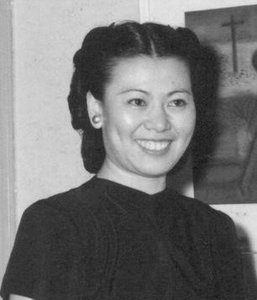
Miné Okubo
1912 - 2001 , United States of America
Quick Facts
- Artistic Movement Or Style: Social Realism
- Artists Or Movements Influenced By This Artist: ['Civil Rights Movement']
- Artists Who Influenced This Artist: ['Käthe Kollwitz']
- Date Of Birth: June 27, 1912
- Date Of Death: February 10, 2001
- Full Name: Miné Okubo
- Nationality: American
- Notable Artworks:
- Citizen 13660
- Interior of Mine and Toku
- Working at the Topaz Times
- Place Of Birth: Riverside, USA

