

 Preview
 Send
Send Share
Share
 Details

 Download
 Similars
 X-Ray
X-Ray Diaporama
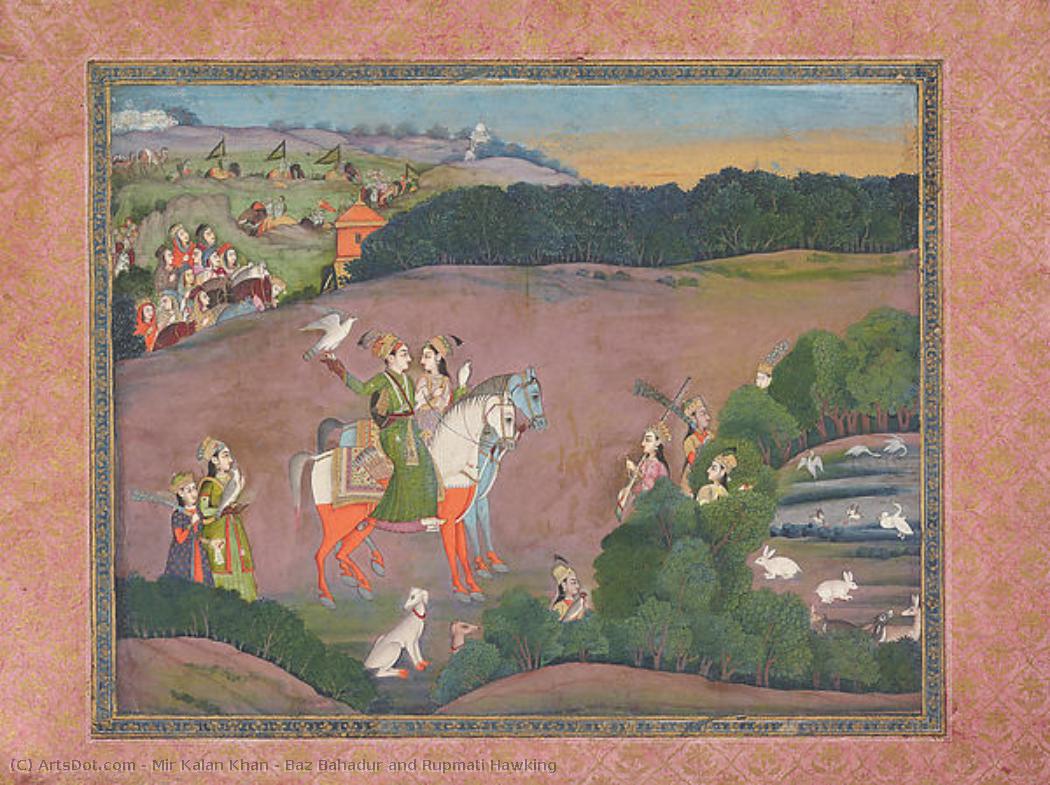
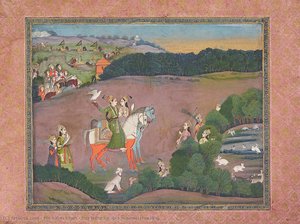
Baz Bahadur and Rupmati Hawking
 Mughal Painting
 1740
1740 21.0 x 27.0 cm
 Read More
Purchase a high-resolution, enhanced digital image, far superior to the online preview.
Each file is meticulously prepared by our in-house specialists using advanced tools and expert manual retouching. We ensure every image has exceptional clarity, precise color accuracy, and fine detail.
The final file is delivered via email within 72 hours, optimized for immediate use in professional, editorial, and print environments. This is the same quality trusted by top-tier design studios, publishers, and galleries.
Digital Image
Download a high-resolution file for personal display, printing, and creative projects. ( Buy Print Buy Hand Made Painting)
Included in Every Digital Image Order
Expert Digital Delivery, Guaranteed
When you choose ArtsDot.com, you're not just getting an image - you're receiving a professionally enhanced digital artwork, crafted with precision and backed by a satisfaction guarantee. Here's everything that comes with your order, automatically:

Fast Email Delivery
Your high-resolution digital image file will be emailed to you within 72 hours of ordering - ready for immediate use.

AI-Enhanced Digital File
Your artwork is professionally optimized using advanced AI tools and manual editing, ensuring maximum detail, clarity, and color accuracy.

Free Lifetime Re-Delivery
Accidentally deleted or lost your file? No worries - we'll resend it to you anytime, free of charge.

No Import Fees - Ever
Enjoy your artwork instantly with zero customs, duties, or delivery fees - digital downloads are always tax-free.

Color Accuracy Guarantee
We ensure your digital image reflects the original colors as closely as possible using professional tools and color management.

60-Day Satisfaction Guarantee
If you're not satisfied with your digital image, we'll revise it or refund 100% within 60 days - no questions asked.

100% Money-Back Guarantee
Not satisfied? Get a full refund within 60 days of receiving your digital file - no questions asked.

Bulk Order Discounts
Buy 3 images, save 10% - Buy 5, save 15% - Buy 10+, save 20%. Great for creative projects, galleries, and agencies.
Collectible Description
Related Artworks

Artist Biography
Mir Kalan Khan: Bridging East and West in Mughal Painting
Mir Kalan Khan (c. 1730 – present) stands as a pivotal figure within the twilight years of Mughal artistic tradition, marking a fascinating intersection between indigenous Indian aesthetics and burgeoning European artistic sensibilities. Born in New Delhi during the reign of Muhammad Shah Durrani, he emerged as a prodigious talent at the court of Delhi and subsequently served Shuja’ al-Dawla, Nawab of Awadh – positions that afforded him unparalleled access to royal patronage and propelled his career into prominence. His distinctive style is characterized by expansive panoramas rendered with remarkable tonal depth, occasionally reaching startling vibrancy thanks to his daring experimentation with color palettes. Unlike many of his contemporaries who adhered strictly to established conventions, Khan boldly incorporated elements derived from Western art practices, notably perspective and chiaroscuro—techniques championed by artists like Rembrandt and Caravaggio—into his compositions. This stylistic fusion speaks volumes about the intellectual currents circulating within Mughal circles during this period, reflecting a desire for innovation and engagement with global artistic trends. Khan’s oeuvre comprises numerous paintings depicting royal figures engaged in ceremonial activities, landscapes imbued with dramatic grandeur, and depictions of military processions showcasing impressive detail and dynamism. The painting “Baz Bahadur and Rupmati Hawking” exemplifies his mastery of composition and tonal range, capturing the romantic narrative of a Mughal prince and princess observing hawks circling above. As noted by art historians, Khan’s work demonstrates "a daring use of color," highlighting his commitment to pushing artistic boundaries. Furthermore, his contribution extends beyond mere stylistic imitation; he skillfully blended traditional Indian iconography with Western compositional principles, resulting in artworks that resonate with both cultural heritage and contemporary artistic ideals. The painting “Raj Singh on a Terrace Enjoying a View of Royal Barges and Military Formations Beyond” showcases this harmonious blend, presenting a meticulously crafted scene reflecting the grandeur of Mughal rule. The artist’s legacy resides not only in his individual masterpieces but also in his role as a catalyst for stylistic evolution within Indian art. He is considered one of the most important artists of the late Mughal period, solidifying his place among the luminaries who shaped the artistic landscape of 18th-century India. His influence continues to inspire artists today, demonstrating the enduring power of artistic innovation and cross-cultural dialogue.- Notable Works: Baz Bahadur & Rupmati Hawking, Raj Singh on a Terrace Enjoying a View of Royal Barges and Military Formations Beyond, The Stallion Kitab
- Style: European Influenced Painting; Panoramic Composition; Dramatic Tonality
- Court Patronage: Muhammad Shah Durrani (Delhi); Shuja’ al-Dawla (Awadh)
mir kalan khan
India
Quick Facts
- Artistic Movement Or Style: Late Mughal
- Full Name: mir kalan khan
- Nationality: Indian
- Notable Artworks:
- Baz Bahadur and Rupmati Hawking
- Raj Singh on a Terrace Enjoying a View of Royal Barges and Military Formations Beyond
- The Stallion Kitab
- Place Of Birth: New Delhi, India

