 Preview
 Send
Send Share
Share
 Details

 Download
 Similars
 X-Ray
X-Ray Diaporama
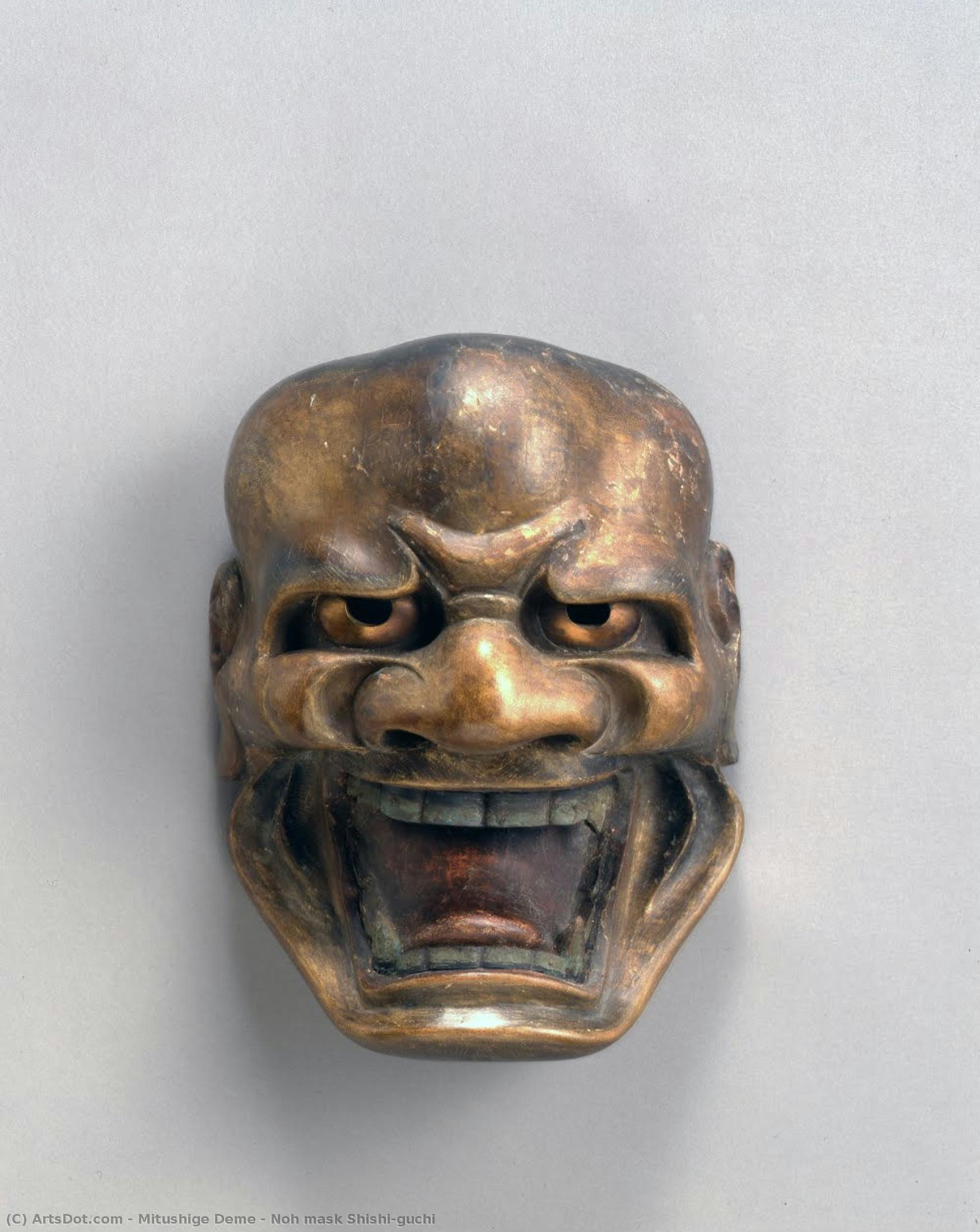
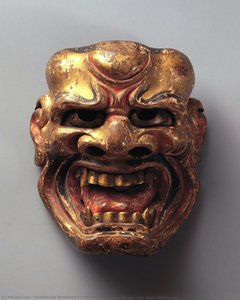
Noh mask Shishi-guchi
 17.0 x 21.0 cm
 Fukuoka City Museum
 Read More
Hand Made Oil Reproduction
Hand-painted oil on canvas in your size and frame, made to order by our artists. ( Buy Print Buy Image)




































Pick from our preset sizes that match the artwork's original proportions.

You may enter your own dimensions to fit a specific frame or space. If your selected size does not match the original image's proportions, we will either crop the artwork or extend the painting with additional hand-painted elements. A digital mockup will be sent for your approval before production begins.
Please note that the on-screen preview does not reflect the actual cropping or extension. Only the mockup will accurately show the final composition.
While custom sizes are available, we recommend selecting a dimension from the predefined list to preserve the original proportions.
After order, ArtsDot.com team will email client for instructions and provide a mockup preview
Worldwide Delivery () in 3/4 weeks instead of standard 5 weeks. (23 August). No compromise on quality.

Free Worldwide Express Shipping

High-Quality Linen Canvas

Full Shipping Insurance

Customs Tax Refund Guarantee

True Color Matching Guarantee

60-Day Return Policy (Defects Only)

100% Money-Back Guarantee

Bulk Discount Offer
 Glass option is only available in size under 110 CM

Noh mask Shishi-guchi
Reproduction Medium
Reproduction Size
-


Total Price
$ 263
Related Artworks




Artist Biography
Johannes Vermeer: A Life Illuminated by Light
Johannes Vermeer, a name synonymous with quiet domesticity and the subtle dance of light, remains one of the most enigmatic and beloved figures in the history of art. Born in Delft, Holland, in 1632, his life was tragically short – he died at just forty-three – yet within those brief years, he produced a remarkably small but profoundly influential body of work. Vermeer’s paintings aren't grand historical narratives or dramatic religious scenes; instead, they offer intimate glimpses into the lives of ordinary people, capturing moments of everyday existence with an unparalleled sensitivity to color, texture, and, most famously, light. His legacy rests not on prolific output but on a singular vision—a dedication to observing and rendering the world as he saw it, imbued with a sense of serene beauty.
Vermeer’s early life remains shrouded in some mystery. He was the son of a weaver and art dealer, Pieter Vermeer, who likely fostered his nascent artistic inclinations by exposing him to a diverse range of artworks. While his father's business provided an introduction to the art world, Johannes himself seems to have been largely self-taught, lacking formal training from a recognized master. This unconventional path—a solitary pursuit honed through observation and tireless practice—contributed significantly to the unique character of his work. He married Catharina Bolnes in 1653, and together they raised eleven children, a demanding circumstance that likely limited his time for painting. Despite this, he continued to produce works, primarily commissioned by local patrons within Delft.
The Language of Light and Color
What distinguishes Vermeer’s art is not merely the subject matter—though his depictions of women at their domestic tasks – sewing, reading, playing with children – are remarkably compelling—but rather his masterful manipulation of light. He wasn't simply interested in depicting illumination; he sought to capture its effects on surfaces, creating a shimmering quality that seems almost palpable. Vermeer’s technique involved layering thin glazes of paint, building up color gradually and meticulously, allowing the light to penetrate through each layer and reflect back with subtle variations. This painstaking process resulted in an extraordinary luminosity—a sense of depth and atmosphere rarely achieved by his contemporaries.
His use of color is equally remarkable. Vermeer employed a restrained palette – predominantly blues, browns, yellows, and whites – but he combined these hues with astonishing skill to create harmonious compositions. He paid meticulous attention to the subtle shifts in tone and shade, rendering fabrics with an almost photographic realism. The influence of artists like Rembrandt and Frans Hals is evident in his early work, particularly in the use of chiaroscuro—the dramatic contrast between light and dark—but Vermeer quickly developed a distinctive style, characterized by its quiet intimacy and luminous quality.
Key Works and Influences
Among Vermeer’s most celebrated paintings are *Girl with a Pearl Earring* (1665), an iconic portrait that captures the subject's gaze with arresting intensity; *The Lacemaker* (c. 1669-70), a study of female industry and domesticity; *The Milkmaid* (c. 1657-58), a vibrant depiction of rural life; and *View of Delft* (c. 1662-63), a meticulously rendered cityscape that showcases his mastery of perspective. These works, along with others like *Officer and Laughing Girl*, offer a glimpse into the world of 17th-century Holland—a world of quiet dignity, domestic tranquility, and subtle beauty.
Vermeer’s work was largely overlooked during his lifetime, partly due to the small number of paintings he produced and the limited circle of patrons who commissioned them. However, in the late 19th century, a renewed interest in Dutch art led to a rediscovery of Vermeer's genius. Art historians like Gustav Friedrich Waagen and Théophile Thoré-Bürger played a crucial role in reintroducing his work to the public, establishing his reputation as one of the greatest painters of the Dutch Golden Age.
Legacy and Historical Significance
Today, Vermeer’s paintings are treasured for their technical brilliance, emotional depth, and profound sense of beauty. His influence on subsequent generations of artists is undeniable, inspiring countless painters to explore the possibilities of light, color, and domestic subject matter. Vermeer's work continues to captivate viewers with its quiet intimacy and timeless appeal—a testament to his extraordinary talent and unwavering dedication to capturing the essence of everyday life.
His paintings are not simply representations of scenes; they are windows into a bygone era, offering us a rare glimpse into the lives and sensibilities of ordinary people. Vermeer’s legacy lies in his ability to transform the mundane into the extraordinary—to reveal the beauty that resides within the simplest of moments.
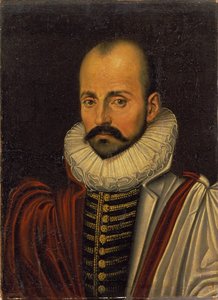
mitushige deme
1670 - 1733 , Japan
Quick Facts
- Artistic Movement Or Style: Baroque/Dutch Golden Age
- Artists Or Movements Influenced By This Artist:
- Caravaggisti
- Baroque painting
- Artists Who Influenced This Artist:
- Anthony van Dyck
- Hendrik ter Brugghen
- Date Of Birth: October 1632
- Date Of Death: December 15, 1675
- Full Name: Johannes Vermeer
- Nationality: Dutch
- Notable Artworks:
- The Lacemaker
- Girl with a Pearl Earring
- View of Delft
- Place Of Birth: Delft, Netherlands