

A Gateway to Kyushu’s Soul: The Fukuoka City Museum
Nestled in the vibrant heart of Fukuoka, on Japan's captivating island of Kyushu, lies a cultural institution that serves as more than just a repository of artifacts—it is a living narrative of a city shaped by centuries of exchange and tradition. The Fukuoka City Museum stands as a testament to Fukuoka’s enduring legacy as a crucial gateway between Asia and the Japanese archipelago, offering visitors an immersive journey through its rich history and unique cultural identity. From prehistoric settlements to bustling maritime trade routes, the museum unveils the layers of time that have molded this dynamic region, inviting art enthusiasts and historians alike to wander through a landscape where the ancient and the contemporary exist in perfect equilibrium.
The story begins deep in the past, with exhibits dedicated to the Jomon, Yayode, and Yamato periods. Here, one encounters relics from Japan’s earliest civilizations—delicate pottery shards whispering tales of daily life, meticulously crafted tools hinting at burgeoning ingenuity, and remnants of settlements that paint a vivid picture of prehistoric communities. These aren't merely objects; they are tangible connections to the ancestors who first inhabited this land, offering profound insights into their beliefs, practices, and evolving societal structures. A particularly striking highlight is the display dedicated to the King of Na gold seal , a National Treasure representing one of the earliest diplomatic exchanges between Japan and China—a potent symbol of Fukuoka’s historical role as an international crossroads. The meticulous preservation of these artifacts allows visitors to contemplate the origins of Japanese culture and appreciate the continuity of artistic traditions across millennia.
Maritime Tapestry and Living Traditions
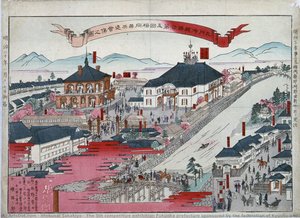
Fukuoka's identity is inextricably linked to Hakata Bay, a vital maritime hub for centuries. The museum masterfully illustrates this connection through exhibits detailing the region’s significance in trade and cultural exchange. Imagine bustling harbors filled with ships from across Asia—Korea, China, and beyond—bringing not only goods but also ideas, religions, and artistic influences that enriched Fukuoka's unique character. Displays showcase historical maps charting ancient trade routes, models of traditional vessels that once plied these waters, and artifacts recovered from shipwrecks, each telling a story of daring voyages and cross-cultural encounters. This maritime heritage isn’t simply about commerce; it’s about the flow of knowledge and the forging of connections that shaped Fukuoka into the cosmopolitan city it is today.
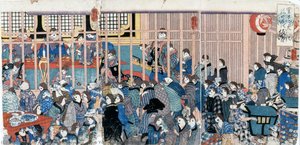
Beyond its archaeological treasures, the museum celebrates the vibrant local traditions that continue to thrive in the modern era. Visitors can delve into the world of Hakata’s renowned crafts—from intricate textiles to exquisite ceramics—and learn about the customs and festivals that define the city's cultural calendar. The museum dedicates significant space to the spectacular Hakata Gion Yamakasa festival, showcasing the elaborate floats known as kazariyama and explaining the historical significance of this exhilarating summer event. This dedication to local narrative ensures that the museum remains a vital part of the community's heartbeat, bridging the gap between ancestral heritage and contemporary life.
Architectural Harmony and Curatorial Vision
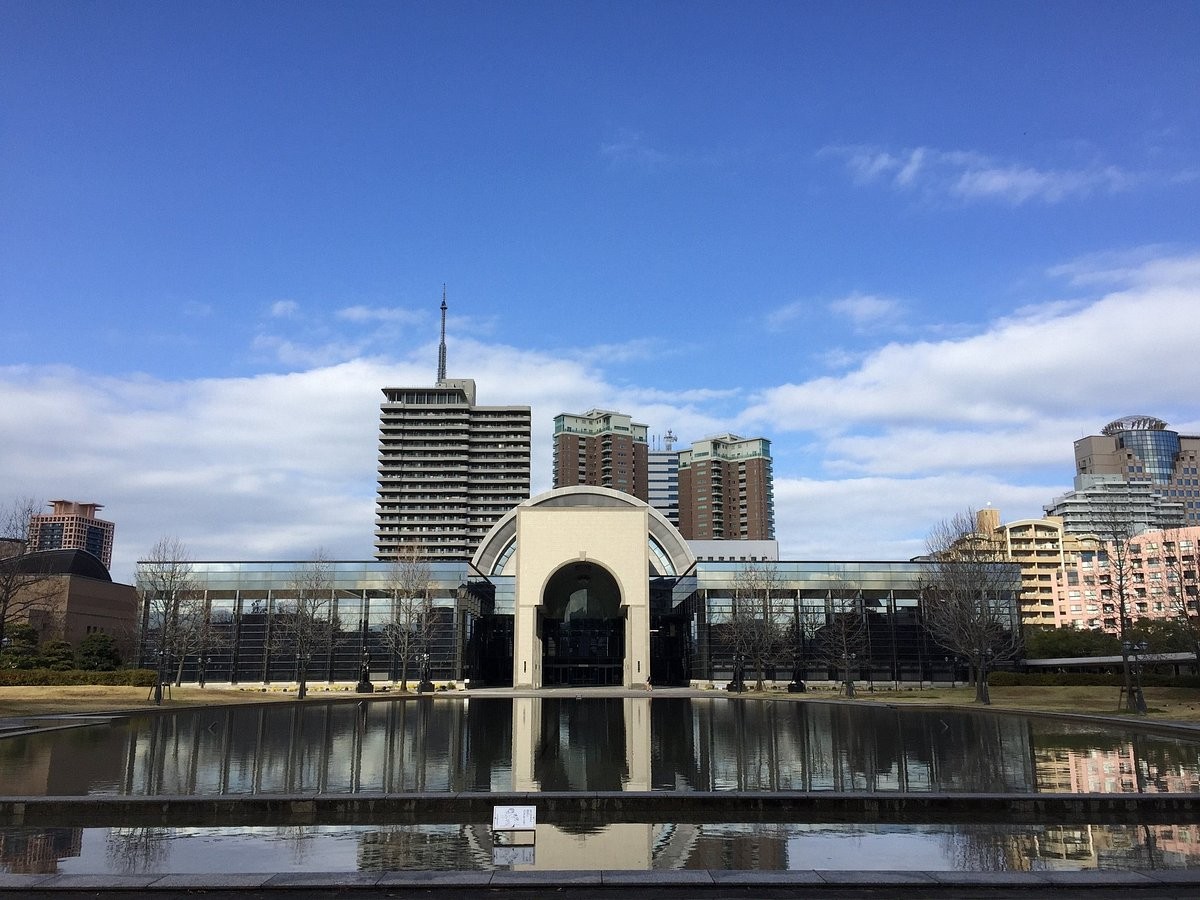
The building itself reflects a harmonious blend of contemporary aesthetics and traditional Japanese design elements. Its modern facade complements the surrounding landscape while incorporating subtle nods to Japan’s architectural heritage, creating an inviting space that seamlessly integrates history with the present. The architects prioritized natural light and ventilation, mirroring the values of Hakata culture—a deliberate choice intended to foster contemplation and appreciation for artistic beauty. This architectural brilliance provides a serene backdrop for the museum's diverse collections, making it an ideal destination for interior designers seeking inspiration in the marriage of form and function.
What truly sets the Fukuoka City Museum apart is its focus on local narratives through a unique cultural lens. Unlike institutions solely dedicated to national history, this museum offers a deep dive into the specific traditions and stories that make Fukuoka special. It’s a place where you can understand not just what happened in Japan, but how it unfolded within the unique context of Kyushu and Hakata Bay. This localized perspective, combined with its commitment to interactive displays and detailed explanations, makes the museum an exceptionally engaging learning experience for visitors of all ages—a true gem for art lovers and anyone seeking a deeper understanding of Japan’s multifaceted cultural landscape.