 Preview
 Send
Send Share
Share
 Details

 Download
 Similars
 X-Ray
X-Ray Diaporama
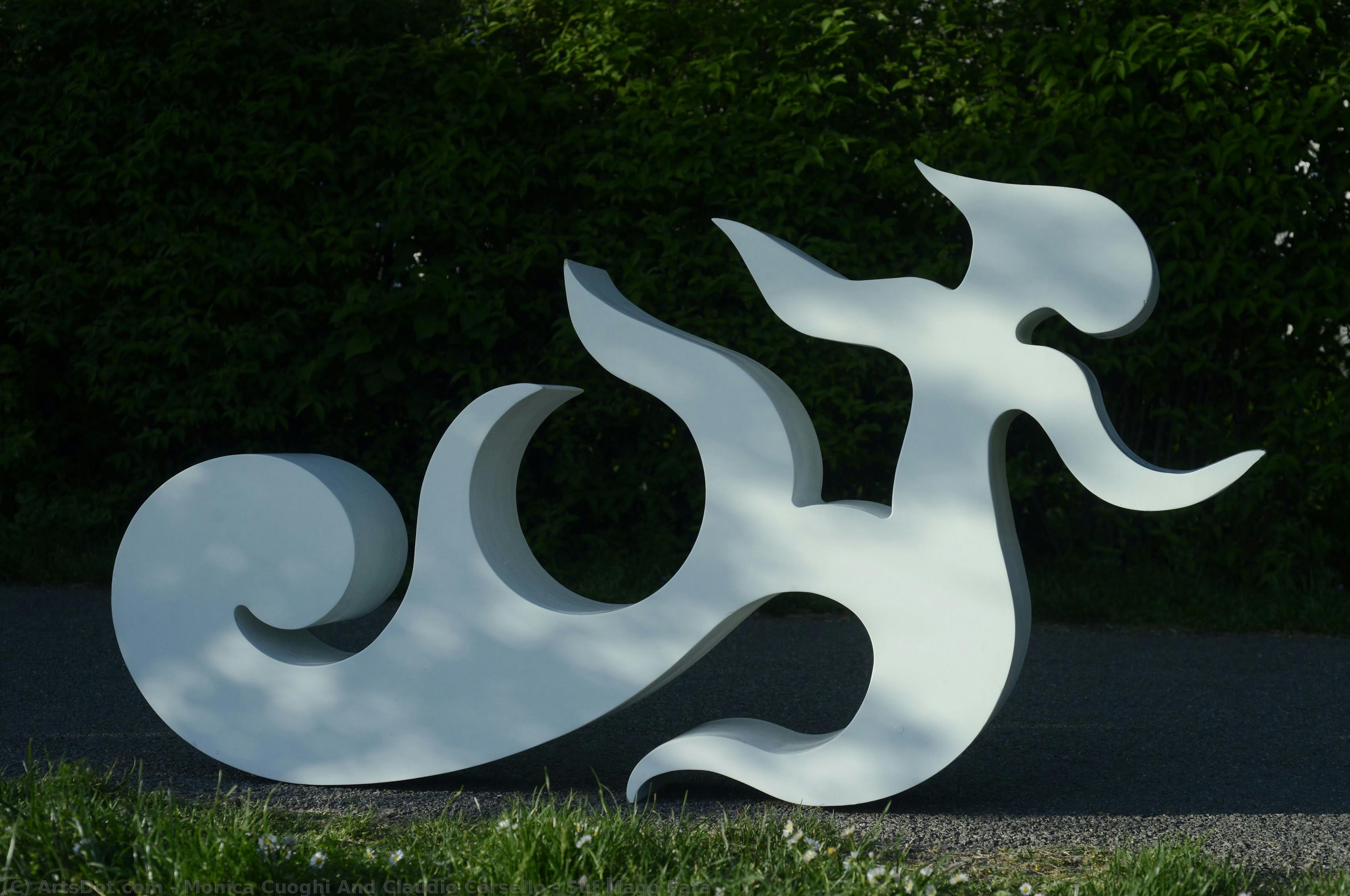
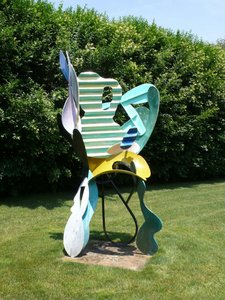
Suf Mago Fata
 2012
2012 144.0 x 77.0 cm
 Fondazione Hospice Seràgnoli Onlus
 Read More
Giclée / Art Print
Museum-quality giclée or canvas print with fast production and flexible finish options. ( Buy Hand Made Painting Buy Image)




































Pick from our preset sizes that match the artwork's original proportions.

You may enter your own dimensions to fit a specific frame or space. If your selected size does not match the original image's proportions, we will either crop the artwork or extend the image with a mirrored or solid-fill edge. A digital mockup will be sent for your approval before production begins.
Please note that the on-screen preview does not reflect the actual cropping or extension. Only the mockup will accurately show the final composition.
While custom sizes are available, we recommend selecting a dimension from the predefined list to preserve the original proportions.
Worldwide Delivery () in 2 weeks instead of standard 4/5 weeks. (25 August)

Free Worldwide Express Shipping

High-Quality Linen Canvas

Full Shipping Insurance

Customs Tax Refund Guarantee

True Color Matching Guarantee

60-Day Return Policy (Defects Only)

100% Money-Back Guarantee

Bulk Discount Offer
 Glass option is only available in size under 110 CM

Suf Mago Fata
Giclée / Art Print
Reproduction Size
-


Total Price
$ 63
Collectible Description
Related Artworks







Artist Biography
Monica Cuoghi & Claudio Corsello: The Ghosts of Urban Spaces
Monica Cuoghi and Claudio Corsello’s artistic journey began in Bologna during the vibrant 1980s, fueled by the energy of graffiti culture and a fascination with exploring unconventional spaces. Their initial experiments with stylized animal figures—the Pea Brain goose and CK8—quickly established them as prominent voices within the city's street art scene, marking a pivotal moment in contemporary Italian art. They weren’t merely replicating existing imagery; they were actively engaging with the urban environment, transforming abandoned factories and railroad tracks into canvases for their imaginative visions.- Early Influences: The duo drew inspiration from artists like Pino Pascali, particularly his wooden dinosaurs and explorations of nature's relationship to human perception. This influence permeated their work, emphasizing a poetic approach rooted in observation and materiality.
- Technique & Mediums: Cuoghi Corsello’s distinctive style is characterized by a masterful blend of mediums—spray paint, neon tubing, reclaimed objects—resulting in installations that defy categorization. They skillfully repurpose “*oggetti orfani*,” transforming discarded items into symbols of beauty and renewal through meticulous aesthetic transposition.
- Conceptual Framework: Their artistic philosophy centers on reclaiming marginal urban spaces and fostering a new appreciation for accumulation and addition. Like Pascali, they believe every object possesses latent poetic potential, urging viewers to reconsider conventional notions of value and explore hidden narratives within seemingly insignificant materials.
The Pea Brain Goose & CK8: Mythological Icons of Protest
Their iconic tags—the Pea Brain goose and CK8—became instantly recognizable symbols of nonviolent resistance during the 1980s, reflecting a generation’s yearning for change. More than just decorative markings on walls, these images represented a deliberate gesture of artistic engagement with social issues. The goose, imbued with childlike innocence and vulnerability, embodies a poignant commentary on childhood trauma and migration—a theme revisited in *Pinocchio*, their celebrated 1996-2001 sculpture featuring a wooden puppet cradling a kitten within a repurposed playpen.- Symbolism: The goose’s posture—fragile yet resolute—mirrors the precariousness faced by refugee children traversing the Mediterranean Sea, highlighting Cuoghi Corsello's commitment to addressing pressing social concerns through art.
- Performance & Installation: Their work extends beyond traditional painting and sculpture, incorporating performance pieces and immersive installations that challenge viewers’ perceptions of space and time.
Reclaiming Urban Decay: The Poetics of ‘Oggetti Orfani’
Cuoghi Corsello's artistic process is fundamentally rooted in the concept of “*oggetti orfani*,” orphaned objects rescued from their destined fate through aesthetic reimagining. They meticulously select discarded items—furniture, suitcases, dolls—transforming them into artworks that celebrate materiality and invite contemplation about time’s passage. This practice aligns with Pascali's fascination for connecting to nature via unconventional materials, demonstrating Cuoghi Corsello’s belief in the inherent beauty of imperfection and decay.- Material Exploration: Their installations utilize a diverse range of textures—worn carpets, rusted metal—creating environments that evoke memories and stimulate sensory experience.
- Narrative Reconstruction: They skillfully weave together stories gleaned from found objects, reconstructing narratives that transcend their original context and imbue them with new meaning.
Recent Achievements & Artistic Vision
In *Sala conferenza*, 2002, Cuoghi Corsello revisit the influence of Pino Pascali’s wooden dinosaurs, employing neon tubing to create sculptures that capture a sense of ethereal beauty and subtle dynamism. Their latest project, *Uncino* (Hook), exemplifies their unwavering dedication to artistic experimentation—a return to the concise grace of early graffiti art fueled by vibrant neon light. Cuoghi Corsello's artistic vision remains steadfast: embracing paradoxes and incongruities while prioritizing freedom and passion—a testament to their enduring commitment to pushing creative boundaries and engaging with complex themes.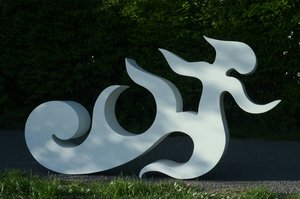
Quick Facts
- Artistic Movement Or Style: Street Art
- Artists Or Movements Influenced By This Artist: ['Pino Pascali']
- Date Of Birth: (Mantua, Bologna)
- Date Of Death: (Living)
- Full Name: Monica Cuoghi and Claudio Corsello
- Nationality: Italian
- Notable Artworks: ['Suf Mago Fata']
- Place Of Birth: Mantua, Bologna, Italy