

 Preview
 Send
Send Share
Share
 Details

 Download
 Similars
 X-Ray
X-Ray Diaporama
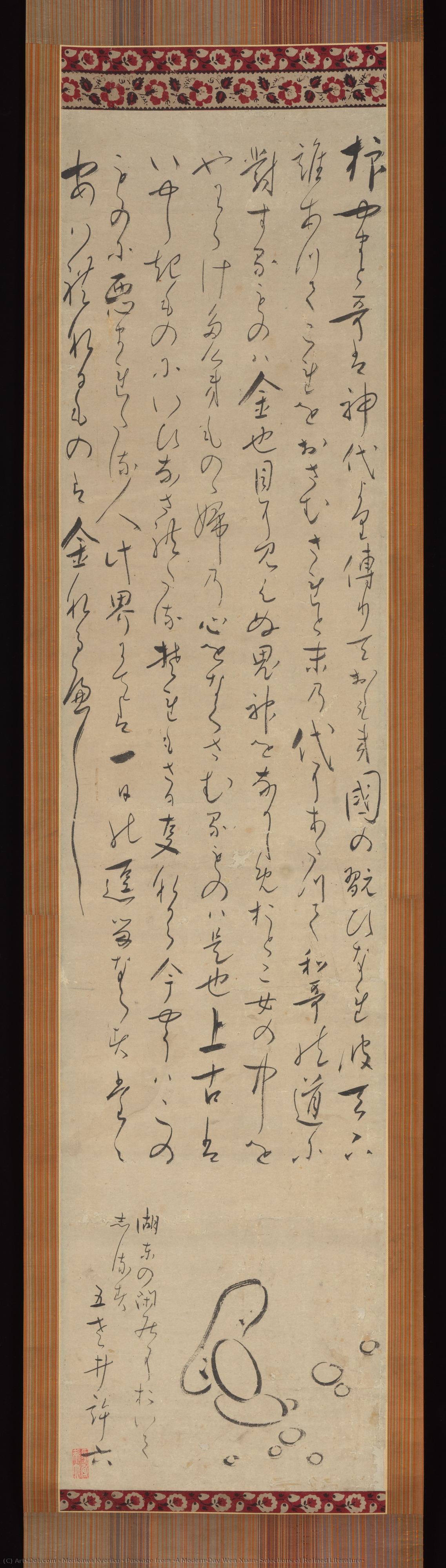
Passage from “A Modern-Day Wen Xuan: Selections of Refined Literature”
 1705
1705 119.0 x 28.0 cm
 Read More
Purchase a high-resolution, enhanced digital image, far superior to the online preview.
Each file is meticulously prepared by our in-house specialists using advanced tools and expert manual retouching. We ensure every image has exceptional clarity, precise color accuracy, and fine detail.
The final file is delivered via email within 72 hours, optimized for immediate use in professional, editorial, and print environments. This is the same quality trusted by top-tier design studios, publishers, and galleries.
Digital Image
Download a high-resolution file for personal display, printing, and creative projects. ( Buy Print Buy Hand Made Painting)
Included in Every Digital Image Order
Expert Digital Delivery, Guaranteed
When you choose ArtsDot.com, you're not just getting an image - you're receiving a professionally enhanced digital artwork, crafted with precision and backed by a satisfaction guarantee. Here's everything that comes with your order, automatically:

Fast Email Delivery
Your high-resolution digital image file will be emailed to you within 72 hours of ordering - ready for immediate use.

AI-Enhanced Digital File
Your artwork is professionally optimized using advanced AI tools and manual editing, ensuring maximum detail, clarity, and color accuracy.

Free Lifetime Re-Delivery
Accidentally deleted or lost your file? No worries - we'll resend it to you anytime, free of charge.

No Import Fees - Ever
Enjoy your artwork instantly with zero customs, duties, or delivery fees - digital downloads are always tax-free.

Color Accuracy Guarantee
We ensure your digital image reflects the original colors as closely as possible using professional tools and color management.

100-Day Satisfaction Guarantee
If you're not satisfied with your digital image, we'll revise it or refund 100% within 100 days - no questions asked.

100% Money-Back Guarantee
Not satisfied? Get a full refund within 100 days of receiving your digital file - no questions asked.

Bulk Order Discounts
Buy 3 images, save 10% - Buy 5, save 15% - Buy 10+, save 20%. Great for creative projects, galleries, and agencies.
Related Artworks









Artist Biography
life and artistic career
morikawa kyoriku, also known as kyoroku, was a prominent japanese painter, poet, and calligrapher born in edo, japan in 1656. he passed away in 1715, leaving behind a legacy in the literati school of painting, which emphasized the expression of personal feelings and ideas through art.artistic style and notable works
kyoriku's artistic style was characterized by his landscapes and figure paintings, often depicting scholars and literati in natural settings. his work passage from “a modern-day wen xuan: selections of refined literature” (119 x 28 cm, paper) is a notable example of his cursive, idiosyncratic yet legible characters, showcasing his mastery of kana and kanji.- morikawa kyoriku's use of monochromatic ink and emphasis on personal expression set him apart from traditional japanese painting styles.
- his work was highly regarded in his time, reflecting the influence of chinese literati painting and calligraphy.
- kyoriku's close friendship with the famous japanese artist hishikawa moronobu further solidified his position within the literati school.
museums and collections featuring morikawa kyoriku's work
- the menard art museum in komaki, japan, features a collection of western art that includes works by european artists from the 19th and 20th centuries.
- although not specifically focused on morikawa kyoriku's work, the hokkaido museum of modern art in japan showcases an impressive collection of modern and contemporary japanese art, reflecting the country's rich artistic heritage.
legacy and influence
morikawa kyoriku's contributions to the literati school of painting have had a lasting impact on japanese art. his emphasis on personal expression and fusion of art, calligraphy, and poetry continue to inspire modern japanese artists.- tomioka tessai, another notable artist, was influenced by kyoriku's style and went on to create his own masterpieces, such as summer and autumn grasses.
- kyoriku's work can be seen in various museums and private collections worldwide, including the freer gallery of art in washington d.c.
conclusion
morikawa kyoriku's life and artistic career serve as a testament to the enduring power of literati painting. his legacy continues to be celebrated through his works, which can be found in museums and private collections around the world.- view morikawa kyoriku's artwork on ArtsDot.com
- explore more literati artists and their works on ArtsDot.com

morikawa kyoriku
1656 - 1715 , Japan
Quick Facts
- Artistic Movement Or Style: Portrait painting
- Artists Or Movements Influenced By This Artist: ['Van Dyck']
- Artists Who Influenced This Artist:
- Antoine Goubeau
- Lely
- Date Of Birth: 1656
- Date Of Death: 1746
- Full Name: Nicolas de Largillière
- Nationality: French
- Notable Artworks:
- Belshazzar's Feast
- The Return of the Prodigal Son
- Syndics of the Drapers’ Guild
- Place Of Birth: Paris, France