 Preview
 Send
Send Share
Share
 Details

 Download
 Similars
 X-Ray
X-Ray Diaporama
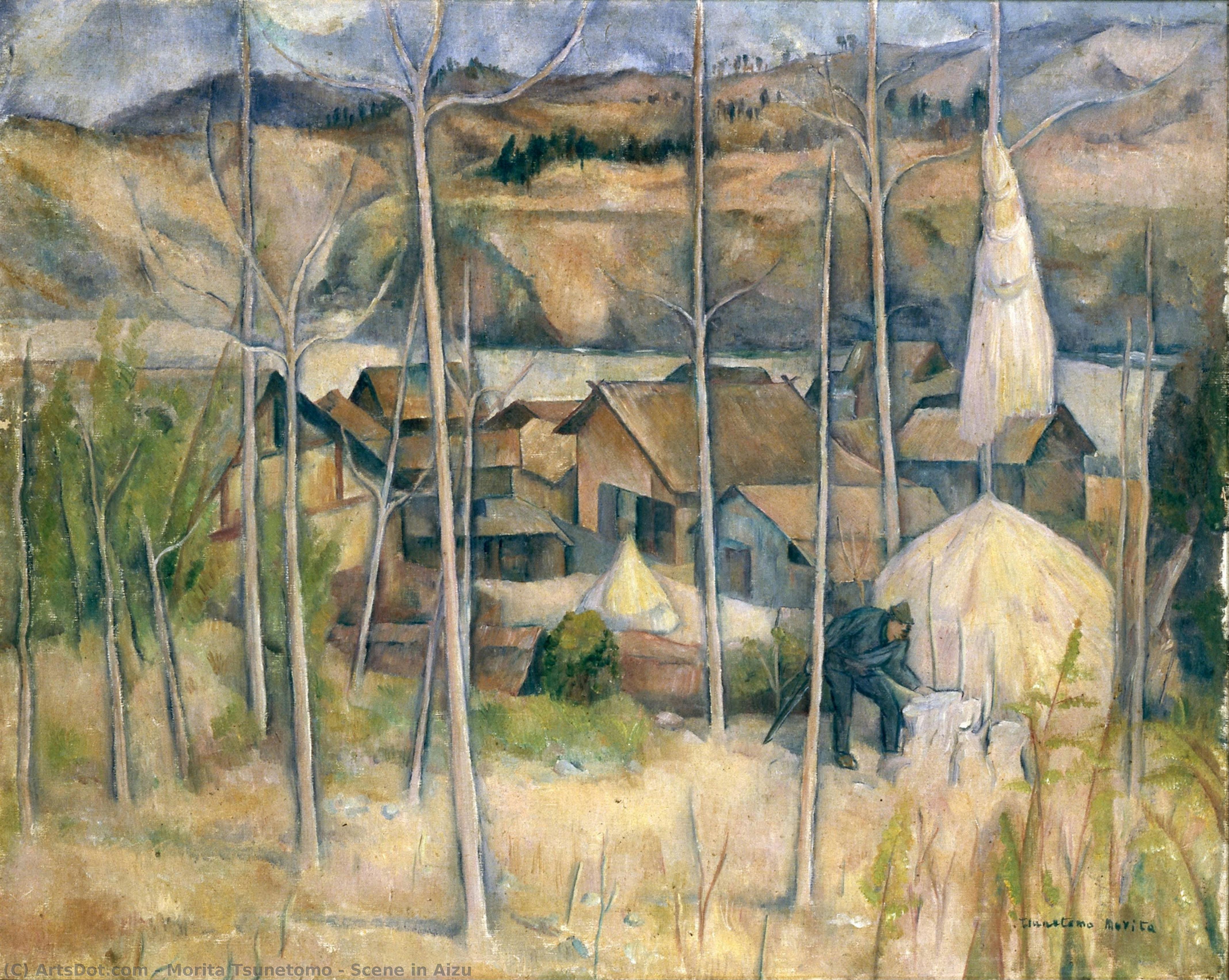
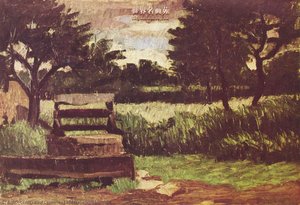
Scene in Aizu
 Post-Impressionism
 80.0 x 65.0 cm
 Read More
Hand Made Oil Reproduction
Hand-painted oil on canvas in your size and frame, made to order by our artists. ( Buy Print Buy Image)




































Pick from our preset sizes that match the artwork's original proportions.

You may enter your own dimensions to fit a specific frame or space. If your selected size does not match the original image's proportions, we will either crop the artwork or extend the painting with additional hand-painted elements. A digital mockup will be sent for your approval before production begins.
Please note that the on-screen preview does not reflect the actual cropping or extension. Only the mockup will accurately show the final composition.
While custom sizes are available, we recommend selecting a dimension from the predefined list to preserve the original proportions.
After order, ArtsDot.com team will email client for instructions and provide a mockup preview
Worldwide Delivery () in 3/4 weeks instead of standard 5 weeks. (17 August). No compromise on quality.

Free Worldwide Express Shipping

High-Quality Linen Canvas

Full Shipping Insurance

Customs Tax Refund Guarantee

True Color Matching Guarantee

60-Day Return Policy (Defects Only)

100% Money-Back Guarantee

Bulk Discount Offer
 Glass option is only available in size under 110 CM

Scene in Aizu
Reproduction Medium
Reproduction Size
-


Total Price
$ 263
Artwork Description
Related Artworks
Artist Biography
Pablo Picasso: A Revolutionary Soul
Pablo Picasso, a name synonymous with artistic innovation and boundless creativity, remains one of the most recognizable and influential figures in the history of art. Born in Málaga, Spain, on October 25, 1881, into a family steeped in artistic tradition – his father, José Ruiz y Blasco, was a respected art teacher and curator – Picasso’s journey was marked by both prodigious talent and turbulent personal experiences. His life wasn't simply about painting; it was a relentless exploration of form, color, and the very nature of perception, ultimately reshaping the landscape of 20th-century art.
Picasso’s early years were shaped by a dual influence: his father’s rigorous instruction in classical drawing and his own innate artistic drive. From a young age, he displayed an extraordinary ability to capture detail and form, evident in works like “The Little Yellow Picador” (1895), a vibrant depiction of a bullfight scene that showcased his burgeoning talent for perspective and composition. However, Picasso’s formal training was cut short by the tragic death of his sister, Conchita, from diphtheria at the age of seven – an event that profoundly impacted him and became a recurring motif in his later work, often expressed through themes of loss and mourning.
The Blue and Rose Periods: Early Artistic Explorations
Following his relocation to La Coruña in 1891, Picasso’s artistic development took on new dimensions. While attending the Instituto de la Guarda, he continued to hone his skills, experimenting with various media such as pastels and pencils. This period was marked by a shift towards introspection and emotional depth, culminating in what is known as the “Blue Period” (1901-1904). Characterized by somber tones of blue and gray, this phase reflected Picasso’s personal struggles and his empathy for the marginalized members of society – beggars, prostitutes, and the impoverished. Paintings like "The Old Guitarist" (1903) exemplify this era, conveying a profound sense of loneliness and despair through their muted palette and haunting imagery.
Shortly after, Picasso entered a “Rose Period” (1904-1906), marked by warmer colors – pinks, oranges, and reds – and a shift in subject matter. He began to depict circus performers, harlequins, and acrobats, capturing their vibrant energy and theatricality. This period offered a respite from the darkness of the Blue Period, reflecting a newfound optimism and engagement with the world around him. The influence of Henri Matisse’s use of color during this time is evident.
Cubism: A Revolutionary Shift in Perspective
The early 20th century witnessed a seismic shift in Picasso's artistic approach – the birth of Cubism. Collaborating with Georges Braque, Picasso pioneered a revolutionary style that shattered traditional notions of representation. Cubism abandoned single-point perspective and instead presented objects from multiple viewpoints simultaneously, fracturing them into geometric shapes and reassembling them on the canvas. This radical departure challenged viewers to actively engage with the artwork and reconstruct its meaning.
Initially explored in the “Analytical Cubist” phase (1908-1912), where forms were broken down into their most basic components – often monochromatic browns and grays – Picasso later developed the "Synthetic Cubist" style (1913-1914). This involved incorporating collage elements, such as newspaper clippings and fabric scraps, directly onto the canvas, blurring the boundaries between painting and reality. Works like “Les Demoiselles d’Avignon” (1907), with its distorted figures and fragmented planes, are considered seminal examples of this groundbreaking movement.
Beyond Cubism: A Lifetime of Innovation
Picasso's artistic output extended far beyond the confines of Cubism. He continued to experiment with a wide range of styles and techniques throughout his long career, embracing Surrealism, Neoclassicism, and Expressionism. His work during World War II reflected his political convictions, most notably in "Guernica" (1937), a monumental mural depicting the horrors of the bombing of the Basque town of Guernica by Nazi German forces. This powerful anti-war statement remains one of Picasso’s most enduring and universally recognized works.
Throughout his life, Picasso maintained an intense personal and professional relationship with numerous women – Fernande Olivier, Dora Maar, Marie-Thérèse Walter, and Françoise Gilot – each leaving their mark on his art. His later years were marked by a prolific output, characterized by a playful exploration of themes such as mythology, portraiture, and still life. He continued to push the boundaries of artistic expression until his death in Mougins, France, on April 8, 1973, leaving behind an unparalleled legacy that continues to inspire artists and captivate audiences worldwide.
Picasso’s Lasting Legacy
Pablo Picasso's influence on the art world is immeasurable. He not only revolutionized painting but also profoundly impacted sculpture, printmaking, ceramics, and stage design. His relentless experimentation, his willingness to challenge conventions, and his profound empathy for the human condition have cemented his place as one of the most important artists of the 20th century. His work continues to be studied, analyzed, and celebrated, ensuring that his revolutionary vision will endure for generations to come.
morita tsunetomo
1881 - 1933 , Japan
Quick Facts
- Artistic Movement Or Style: Cubism, Surrealism
- Artists Or Movements Influenced By This Artist: ['Fernande Olivier']
- Artists Who Influenced This Artist: ['Georges Braque']
- Date Of Birth: October 25, 1881
- Date Of Death: April 8, 1973
- Full Name: Pablo Diego José Francisco de Paula Juan Nepomuceno María de los Remedios Cipriano de la Santísima Trinidad Ruiz y Picasso
- Nationality: Spanish
- Notable Artworks:
- Guernica
- Les Demoiselles d’Avignon
- The Weeping Woman
- Girl Before a Mirror
- Place Of Birth: Málaga, Spain
Related Articles

Cézanne's Masterpieces: 25 Iconic Artworks to Transform Your Space
Journey through 25 iconic artworks by Paul Cézanne – a master of Impressionism and Post-Impressionism. Explore his landscapes, still lifes, and the stories behind these timeless masterpieces. Discover museum-quality reproductions & curated decor at ArtsDot.com.

John Constable's Masterpieces: Explore 25 Iconic Landscapes for Your Home
Journey through John Constable's 25 most celebrated landscapes. Explore Romanticism, Dedham Vale & his masterful use of light in iconic paintings like 'Hay Wain'. Find museum-quality art reproductions and elevate your home decor on ArtsDot.com.

Beyond the Horizon: 10 Landscape Masterpieces for Your Home Decor
Journey through 10 breathtaking landscape paintings by Monet, Van Gogh & more! Explore iconic artworks, artistic techniques & find inspiration for your home decor. Museum-quality reproductions at ArtsDot.com. Discover all masterpieces on ArtsDot.com

Hokusai's Masterpieces: 25 Iconic Prints & Paintings for Art Lovers | ArtsDot
Journey through Katsushika Hokusai’s 25 most iconic artworks, including *The Great Wave*. Explore the ukiyo-e master's history, style & timeless Japanese woodblock prints. Find museum-quality reproductions for your home at ArtsDot.com.

Cultivating Visions: A Historical Journey Through Rural Landscapes in Art
Explore the rich history of rural landscape painting with ArtsDot. Discover Impressionist masterpieces, key artists & movements. Find your perfect serene artwork and bring nature's beauty home.