 Preview
 Send
Send Share
Share
 Details

 Download
 Similars
 X-Ray
X-Ray Diaporama
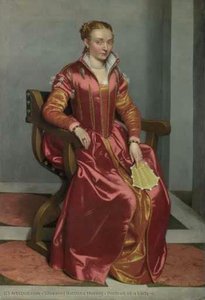
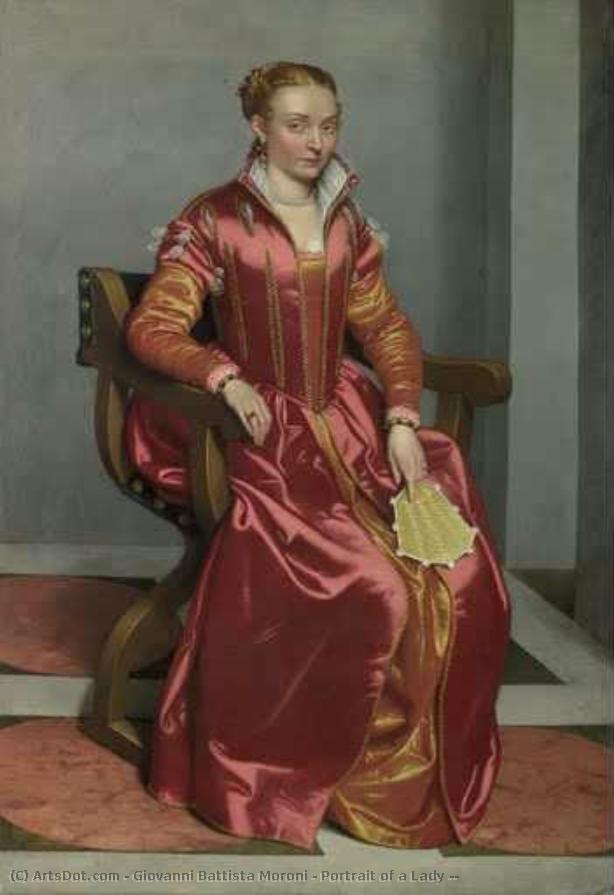
Portrait of a Lady (
 Oil On Canvas
- WallArt
- Italian Mannerism
 1556
1556- Renaissance
 155.0 x 106.0 cm
 National Gallery
 Read More
Hand Made Oil Reproduction
Hand-painted oil on canvas in your size and frame, made to order by our artists. ( Buy Print Buy Image)




P118B $10

P118H $10

P118W $10

P438Z $10

P508JH $12

P508YH $12

P805H $10

P805Z $10

P919BZ $10

P919G $10

P919XJ $10

P959ZH $10

P968JZ $12

W106C $8

W218G $10

W218JH $8

W218Y $10

W307PJ $10

W316G $10

W316PJ $8

W316Y $10

W398PJ $8

W4111J $10

W500HY $15

W500JH $15

W692G $12

W849H $8

W940BG $15

W953PJ $8




Pick from our preset sizes that match the artwork's original proportions.

You may enter your own dimensions to fit a specific frame or space. If your selected size does not match the original image's proportions, we will either crop the artwork or extend the painting with additional hand-painted elements. A digital mockup will be sent for your approval before production begins.
Please note that the on-screen preview does not reflect the actual cropping or extension. Only the mockup will accurately show the final composition.
While custom sizes are available, we recommend selecting a dimension from the predefined list to preserve the original proportions.
After order, ArtsDot.com team will email client for instructions and provide a mockup preview
Worldwide Delivery () in 3/4 weeks instead of standard 5 weeks. (28 August). No compromise on quality.

Free Worldwide Express Shipping

High-Quality Linen Canvas

Full Shipping Insurance

Customs Tax Refund Guarantee

True Color Matching Guarantee

60-Day Return Policy (Defects Only)

100% Money-Back Guarantee

Bulk Discount Offer
 Glass option is only available in size under 110 CM

Portrait of a Lady (
Reproduction Medium
Reproduction Size
-


Total Price
$ 263
Giovanni Battista Moroni: A Master of Mannerist Elegance
Giovanni Battista Moroni (1520-1578) stands as a pivotal figure in the Italian Renaissance, specifically within the burgeoning Mannerist movement—a stylistic reaction against the idealized beauty of High Renaissance art. Born in Albino, near Bergamo, Moroni’s formative years were steeped in architectural influence from his father, Andrea Moroni, fostering an appreciation for precision and detail that would permeate his artistic endeavors. His early apprenticeship under Alessandro Bonvicino (Moretto) honed his technical prowess and instilled a deep understanding of Renaissance painting principles, yet Moroni swiftly transcended these traditions to forge his own distinctive path.- Early Influences: Moretto’s guidance initially steered Moroni toward the stylistic conventions of his time, emphasizing clarity and harmonious composition—characteristics common in Venetian art during the period.
- Trento & Titian: A transformative encounter with Titian in Trento profoundly impacted Moroni's artistic vision. Titian’s masterful use of color and luminous handling of light served as a beacon for Moroni, inspiring him to adopt similar techniques and elevating his paintings to levels of breathtaking realism.
- A Singular Mannerist Voice: Unlike many contemporaries who slavishly imitated Venetian grandeur, Moroni cultivated a uniquely expressive Mannerist style characterized by subtle distortions, psychological depth, and an almost unsettling stillness. This deliberate departure from idealized beauty aimed to convey inner emotion and intellectual contemplation—a hallmark of the era’s philosophical currents.
The Portrait of a Lady: Symbolism and Technique
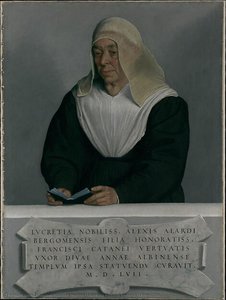
“Portrait of a Lady,” painted circa 1556, exemplifies Moroni's signature style with remarkable precision. The artwork depicts an unidentified woman seated gracefully in a chair, adorned in a vibrant red dress embellished with gold trim—a deliberate choice reflecting the opulent tastes of aristocratic circles during the Cinquecento. Beyond its visual splendor, the portrait resonates with layers of symbolic meaning. The book resting upon her lap symbolizes erudition and contemplation, mirroring Moroni’s artistic preoccupation with conveying intellectual sophistication alongside emotional nuance.- Color Palette: Moroni employed a restrained yet impactful color palette dominated by reds, golds, and whites—colors traditionally associated with nobility and spiritual purity.
- Light & Shadow: The artist skillfully manipulated light and shadow to sculpt the woman’s form, creating an illusion of palpable volume and conveying a sense of profound stillness. This technique aligns perfectly with Moroni's Mannerist aesthetic, prioritizing psychological realism over mere surface appearance.
- Compositional Precision: Notice the careful arrangement of elements—the chair, the book, and the woman herself—each contributing to the overall harmonious balance of the composition. Such meticulous attention to detail underscores Moroni’s commitment to achieving unparalleled artistic accuracy.
Historical Context & Legacy
Painted during a period marked by religious upheaval and intellectual ferment, “Portrait of a Lady” reflects the broader anxieties and aspirations of Renaissance society. The patronage of Cristoforo Madruzzo—a prominent Bishop—provided Moroni with invaluable support and enabled him to produce works that captured the spirit of his time. His enduring influence extends beyond individual paintings; Moroni’s approach to portraiture established a precedent for subsequent generations of artists seeking to portray human subjects with psychological depth and emotional resonance.- The Venetian Influence: Moroni's engagement with Titian’s artistic principles solidified the Venetian tradition's impact on Mannerist painting, emphasizing luminous color and expressive realism.
- Psychological Portraiture: Moroni elevated portraiture beyond mere likeness, delving into the inner life of his subjects—a distinction that distinguishes him from earlier Renaissance artists who prioritized idealized beauty above all else.
- Palazzo Moroni & Artistic Patronage: The Palazzo Moroni in Bergamo serves as a testament to Moroni’s legacy, housing Baroque interiors adorned with frescoes by Barbelli and Bonomini – showcasing the enduring influence of his artistic vision on subsequent generations of artists.
Exploring Reproduction Options
Today, reproductions of “Portrait of a Lady” offer art enthusiasts worldwide access to this masterpiece of Mannerist artistry. ArtsDot.com presents exceptionally detailed prints crafted from archival pigments—capturing Moroni’s luminous palette and sculptural modeling with breathtaking fidelity. Elevate your interior décor or immerse yourself in the beauty of Renaissance art history through our curated collection.Related Artworks

Artist Biography
Giovanni Battista Moroni: Life and Legacy
Early Life and Training
Giovanni Battista Moroni (also known as Giambattista Moroni) was born in Albino, near Bergamo, Italy, in 1520. His father, Andrea Moroni, was an architect, providing a formative environment for artistic development. He received his initial training under Alessandro Bonvicino (known as Moretto) in Brescia. This early apprenticeship laid the foundation for his technical skills and understanding of Renaissance painting techniques.
Artistic Development and Influences
Moroni’s artistic journey took him through various Italian cities, including Trento and Bergamo. A pivotal moment occurred during his stay in Trento where he encountered Titian and the Count-Bishop Cristoforo Madruzzo. Titian's influence is evident in Moroni’s use of color and sophisticated handling of light. While initially influenced by earlier Renaissance styles, Moroni gradually developed a distinctive Mannerist approach characterized by elegance and realism.
Key Characteristics of His Work
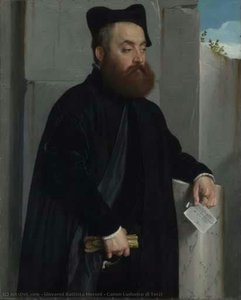
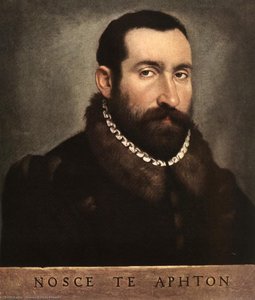
- Portraiture: Moroni is celebrated primarily for his portraits of the local nobility and clergy. These works are not merely likenesses but insightful studies of character, capturing the dignity and psychological depth of his sitters.
- Realism & Naturalism: He employed naturalistic techniques and a keen eye for detail, creating a sense of immediacy and presence in his portraits.
- Silvery Tonality: Moroni’s paintings are often distinguished by their exquisite silvery tonality, achieved through subtle gradations of light and shadow.
- Religious Paintings: While less numerous than his portraits, Moroni also produced religious canvases. These works exhibit a more archaic style, reminiscent of late Quattrocento compositions.
Notable Works
Among Moroni’s most renowned paintings are:
- The Tailor: Currently housed in the National Gallery, London, this painting exemplifies his realistic portrayal of everyday life and character.
- Gian Lodovico Madruzzo: A striking portrait showcasing Moroni’s ability to capture both power and introspection.
- Numerous portraits of members of the Bergamo nobility, providing a valuable visual record of 16th-century society.
Historical Significance & Legacy
Giovanni Battista Moroni’s work holds a significant place in Italian art history. He bridged the gap between High Renaissance ideals and the emerging Mannerist style, creating portraits that were both elegant and psychologically compelling. His influence extended to later artists such as Fra' Galgario and Pietro Longhi, who admired his ability to capture the essence of his subjects. Today, Moroni’s paintings are displayed in prestigious museums like the Uffizi Gallery and the National Gallery, continuing to inspire art lovers and scholars alike.
Final Thoughts
Moroni's legacy rests on his ability to elevate portraiture beyond mere representation. He infused his works with a sense of humanity and psychological depth that continues to resonate with audiences centuries later. His paintings offer a unique glimpse into the lives and personalities of 16th-century Italy, solidifying his position as a master of the Cinquecento era.
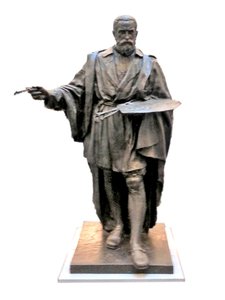
moroni, giovanni battista
1520 - 1578 , Italy
Quick Facts
- Birth Date: 1520
- Birth Place: Albino, Italy
- Death Date: 1578
- Influenced:
- Fra' Galgario
- Pietro Longhi
- Influenced By: Titian, Alessandro Bonvicino
- Movement: Mannerism
- Name: Giovanni Battista Moroni
- Nationality: Italian
- Notable Works:
- The Tailor
- Gian Lodovico Madruzzo
Related Articles

Crimson Threads of Narrative: Exploring Symbolism & Representation in Artworks Featuring the Red Dress
Explore the rich symbolism of the red dress in art history! From ancient power displays to iconic portraits like Cézanne’s 'Madame Cezanne', discover the cultural and artistic significance behind this captivating color. Expert analysis & insights.

Giclée Prints: Archival Quality & Aesthetic Nuances for the Discerning Collector
Explore the world of giclée prints with ArtsDot. Learn about archival quality, aesthetic nuances & investment potential. Expert guidance for discerning art collectors seeking museum-quality reproductions and lasting value.
Art Prints vs. Oil Paintings: A Newlywed's Guide to Curating a Timeless Home Collection
Discover how to choose between exquisite hand-painted oil reproductions and versatile art prints. Our expert guide for newlyweds helps you balance budget and beauty to curate a timeless, soulful home collection filled with meaning and lasting legacy.

Echoes of Time: Exploring the Enduring Appeal & Historical Context of Vintage Art Prints
Explore the captivating world of vintage art prints! Discover their history, collecting tips & enduring appeal. Expert insights on chromolithography and building a legacy collection with ArtsDot.

The Enduring Legacy of Fine Art Prints: Technique, History & Aesthetic Impact
Explore the rich history & techniques of fine art prints. Discover investment potential, assess authenticity, and learn how to preserve your collection with expert guidance. Trusted insights for discerning collectors.