 Preview
 Send
Send Share
Share
 Details

 Download
 Similars
 X-Ray
X-Ray Diaporama
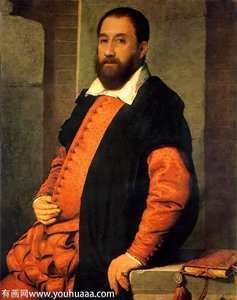
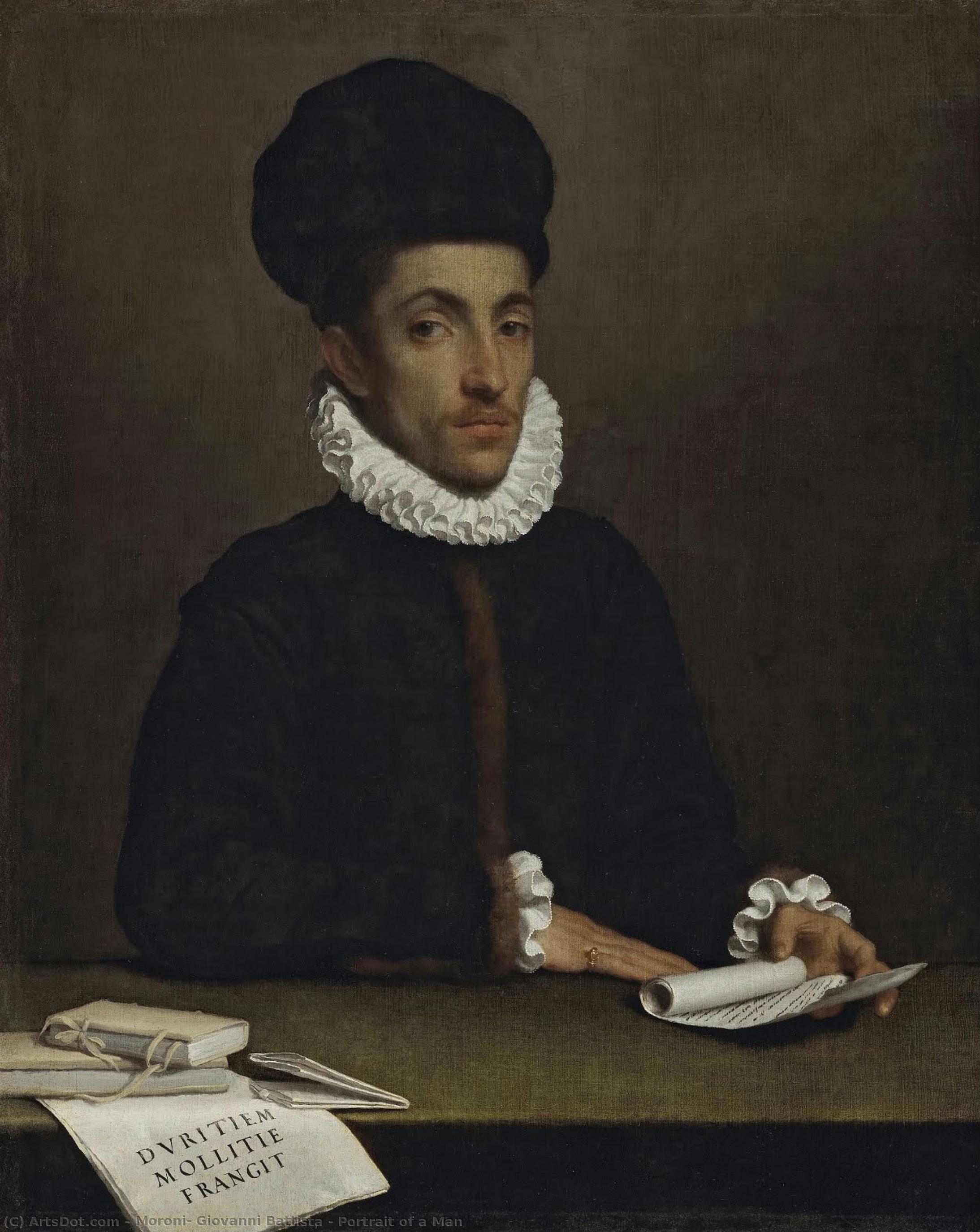
Portrait of a Man
 Acrylic On Canvas
- WallArt
- Renaissance Realism
 1570
1570 97.0 x 78.0 cm
 National Gallery of Canada
 Read More
Hand Made Oil Reproduction
Hand-painted oil on canvas in your size and frame, made to order by our artists. ( Buy Print Buy Image)




P118B $10

P118H $10

P118W $10

P438Z $10

P508JH $12

P508YH $12

P805H $10

P805Z $10

P919BZ $10

P919G $10

P919XJ $10

P959ZH $10

P968JZ $12

W106C $8

W218G $10

W218JH $8

W218Y $10

W307PJ $10

W316G $10

W316PJ $8

W316Y $10

W398PJ $8

W4111J $10

W500HY $15

W500JH $15

W692G $12

W849H $8

W940BG $15

W953PJ $8




Pick from our preset sizes that match the artwork's original proportions.

You may enter your own dimensions to fit a specific frame or space. If your selected size does not match the original image's proportions, we will either crop the artwork or extend the painting with additional hand-painted elements. A digital mockup will be sent for your approval before production begins.
Please note that the on-screen preview does not reflect the actual cropping or extension. Only the mockup will accurately show the final composition.
While custom sizes are available, we recommend selecting a dimension from the predefined list to preserve the original proportions.
After order, ArtsDot.com team will email client for instructions and provide a mockup preview
Worldwide Delivery () in 3/4 weeks instead of standard 5 weeks. (25 August). No compromise on quality.

Free Worldwide Express Shipping

High-Quality Linen Canvas

Full Shipping Insurance

Customs Tax Refund Guarantee

True Color Matching Guarantee

60-Day Return Policy (Defects Only)

100% Money-Back Guarantee

Bulk Discount Offer
 Glass option is only available in size under 110 CM

Portrait of a Man
Reproduction Medium
Reproduction Size
-


Total Price
$ 263
Artwork Description
A Portrait of Quiet Intensity: Giovanni Battista Moroni’s ‘Portrait of a Man’
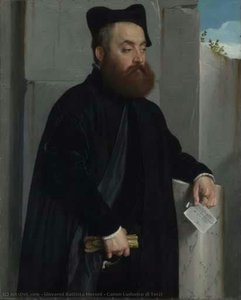
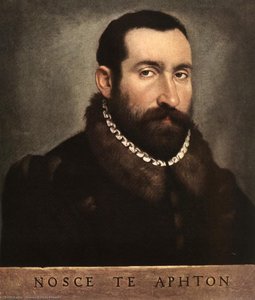
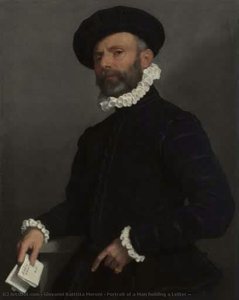
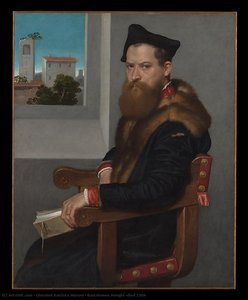
Giovanni Battista Moroni's “Portrait of a Man,” painted around 1570, isn’t a grand statement of power or opulent display; instead, it offers a remarkably intimate glimpse into the soul of an individual. This small yet profoundly affecting oil painting, now residing in the National Gallery in London, transcends mere likeness to become a study in weathered wisdom and understated dignity. It's a work that rewards close observation, revealing layers of subtle detail and a masterful understanding of human expression – a testament to Moroni’s evolving style and his ability to capture not just appearance but also the quiet weight of experience. The painting immediately draws you in with its direct gaze; the sitter, a man of middle age, confronts the viewer head-on, his eyes holding a mixture of contemplation and perhaps a hint of melancholy. This isn't a pose of theatricality or forced charm, but rather an honest, unvarnished look that invites connection.The Anatomy of Observation: Technique and Style
Moroni’s technique is characterized by a remarkable precision and a deep understanding of light and shadow. He employs a meticulous layering of thin glazes – translucent washes of oil paint applied one over the other – to build up surfaces with incredible subtlety. This creates an astonishingly realistic texture, particularly evident in the folds of his dark robe and the rough grain of the headdress. The use of *sfumato*, a technique perfected by Leonardo da Vinci, is subtly present here, softening edges and creating a hazy atmosphere that adds depth and mystery to the portrait. Notice how Moroni masterfully renders the play of light on the man’s face – the subtle highlights catching the wrinkles around his eyes, the shadows deepening the lines etched by time. The background, rendered in muted greys and browns, serves not as a distraction but as an integral part of the composition, further emphasizing the sitter's presence. The painting’s small scale—just over 45cm – forces the viewer to engage with every detail, intensifying the impact of Moroni’s meticulous observation.Symbolism and Context: A Man of His Time
The portrait is more than just a likeness; it's imbued with symbolic meaning rooted in the context of 16th-century Italy. The man’s attire – a dark purple robe lined with fur, signifying wealth and status – suggests he belongs to the upper echelons of society, perhaps a lawyer or merchant. The prominent headdress, an elaborate chaperon tied over the top, is a significant detail. It wasn't merely decorative; it was a symbol of respectability and social standing, particularly for men of importance. The letter in his hand, though partially obscured, hints at legal matters – reinforcing the possibility that he’s a lawyer or counselor. Moroni himself was working in Bergamo during this period, serving prominent families and the Church. His work reflects a shift away from the highly stylized Mannerism prevalent earlier in the century towards a more naturalistic approach, influenced by the Venetian masters like Titian.An Echo of Humanity: Emotional Resonance
Despite its technical brilliance, “Portrait of a Man” resonates most powerfully because of its emotional depth. The sitter’s expression isn't one of arrogance or self-importance; it conveys a sense of quiet contemplation and perhaps even weariness. There’s an underlying sadness in his eyes, as if he carries the weight of experience. This is not a portrait designed to impress but rather one that invites empathy and reflection. Moroni captures something essential about the human condition – the passage of time, the burdens we carry, and the enduring search for meaning. It's a reminder that beauty can be found in the most unassuming details, and that even a simple portrait can hold profound emotional resonance. Reproductions of this piece offer a chance to bring this quiet intensity into any space, inviting viewers to pause and consider the complexities of human experience.Related Artworks
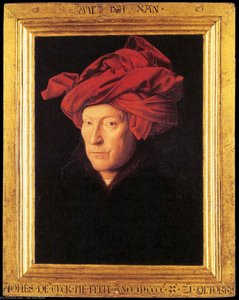
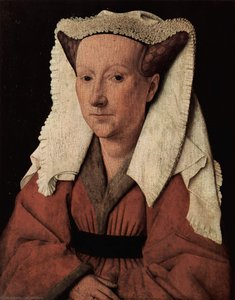
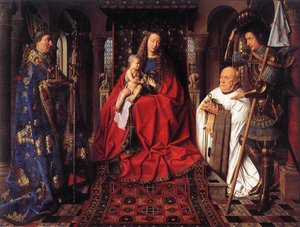
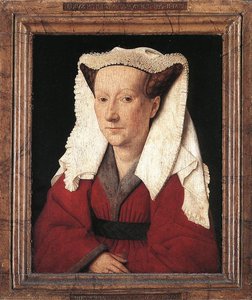
Artist Biography
Giovanni Battista Moroni: Life and Legacy
Early Life and Training
Giovanni Battista Moroni (also known as Giambattista Moroni) was born in Albino, near Bergamo, Italy, in 1520. His father, Andrea Moroni, was an architect, providing a formative environment for artistic development. He received his initial training under Alessandro Bonvicino (known as Moretto) in Brescia. This early apprenticeship laid the foundation for his technical skills and understanding of Renaissance painting techniques.
Artistic Development and Influences
Moroni’s artistic journey took him through various Italian cities, including Trento and Bergamo. A pivotal moment occurred during his stay in Trento where he encountered Titian and the Count-Bishop Cristoforo Madruzzo. Titian's influence is evident in Moroni’s use of color and sophisticated handling of light. While initially influenced by earlier Renaissance styles, Moroni gradually developed a distinctive Mannerist approach characterized by elegance and realism.
Key Characteristics of His Work
- Portraiture: Moroni is celebrated primarily for his portraits of the local nobility and clergy. These works are not merely likenesses but insightful studies of character, capturing the dignity and psychological depth of his sitters.
- Realism & Naturalism: He employed naturalistic techniques and a keen eye for detail, creating a sense of immediacy and presence in his portraits.
- Silvery Tonality: Moroni’s paintings are often distinguished by their exquisite silvery tonality, achieved through subtle gradations of light and shadow.
- Religious Paintings: While less numerous than his portraits, Moroni also produced religious canvases. These works exhibit a more archaic style, reminiscent of late Quattrocento compositions.
Notable Works
Among Moroni’s most renowned paintings are:
- The Tailor: Currently housed in the National Gallery, London, this painting exemplifies his realistic portrayal of everyday life and character.
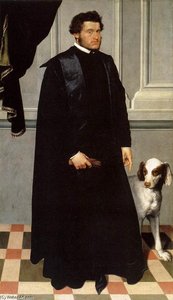
- Gian Lodovico Madruzzo: A striking portrait showcasing Moroni’s ability to capture both power and introspection.
- Numerous portraits of members of the Bergamo nobility, providing a valuable visual record of 16th-century society.
Historical Significance & Legacy
Giovanni Battista Moroni’s work holds a significant place in Italian art history. He bridged the gap between High Renaissance ideals and the emerging Mannerist style, creating portraits that were both elegant and psychologically compelling. His influence extended to later artists such as Fra' Galgario and Pietro Longhi, who admired his ability to capture the essence of his subjects. Today, Moroni’s paintings are displayed in prestigious museums like the Uffizi Gallery and the National Gallery, continuing to inspire art lovers and scholars alike.
Final Thoughts
Moroni's legacy rests on his ability to elevate portraiture beyond mere representation. He infused his works with a sense of humanity and psychological depth that continues to resonate with audiences centuries later. His paintings offer a unique glimpse into the lives and personalities of 16th-century Italy, solidifying his position as a master of the Cinquecento era.
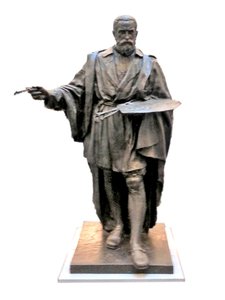
moroni, giovanni battista
1520 - 1578 , Italy
Quick Facts
- Birth Date: 1520
- Birth Place: Albino, Italy
- Death Date: 1578
- Influenced:
- Fra' Galgario
- Pietro Longhi
- Influenced By: Titian, Alessandro Bonvicino
- Movement: Mannerism
- Name: Giovanni Battista Moroni
- Nationality: Italian
- Notable Works:
- The Tailor
- Gian Lodovico Madruzzo
Related Articles
Early Netherlandish Masters: 10 Paintings That Revolutionized Art & Decor
Journey into the world of Early Netherlandish painting! Explore 10 masterpieces by Jan van Eyck, Rogier van der Weyden & more. Discover stunning detail, symbolism & Renaissance art for your home decor. Find museum-quality reproductions on ArtsDot.com

Rembrandt's Masterpieces: Explore 25 Iconic Paintings & Prints | ArtsDot
Journey through Rembrandt van Rijn's 25 most iconic paintings & etchings. Explore Dutch Golden Age masterpieces, dramatic chiaroscuro, and timeless portraits. Find museum-quality art reproductions to elevate your home decor on ArtsDot.com.
Jan van Eyck: Innovation, Symbolism & the Dawn of Early Netherlandish Painting
Explore the revolutionary art of Jan van Eyck! Discover his groundbreaking oil painting techniques, hidden symbolism, and lasting impact on the Early Netherlandish Renaissance. A deep dive for art enthusiasts.
Reflecting the Self: A History of Portraiture & Psychological Insight
Explore the fascinating history of self-portraiture from Renaissance masters like Dürer & Rembrandt to modern interpretations. Discover the psychological insights and artistic techniques behind these iconic works. Expert analysis for art enthusiasts.
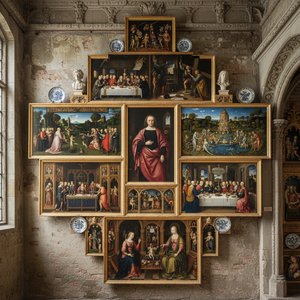
Early Netherlandish Masters: 10 Paintings That Revolutionized Art & Decor
Journey into the Early Netherlandish Renaissance! Explore 10 iconic paintings by Jan van Eyck, Rogier van der Weyden & more. Discover stunning detail, symbolism, and oil painting techniques. Find museum-quality art reproductions for your home at ArtsDot.com.