

 Preview
 Send
Send Share
Share
 Details

 Download
 Similars
 X-Ray
X-Ray Diaporama
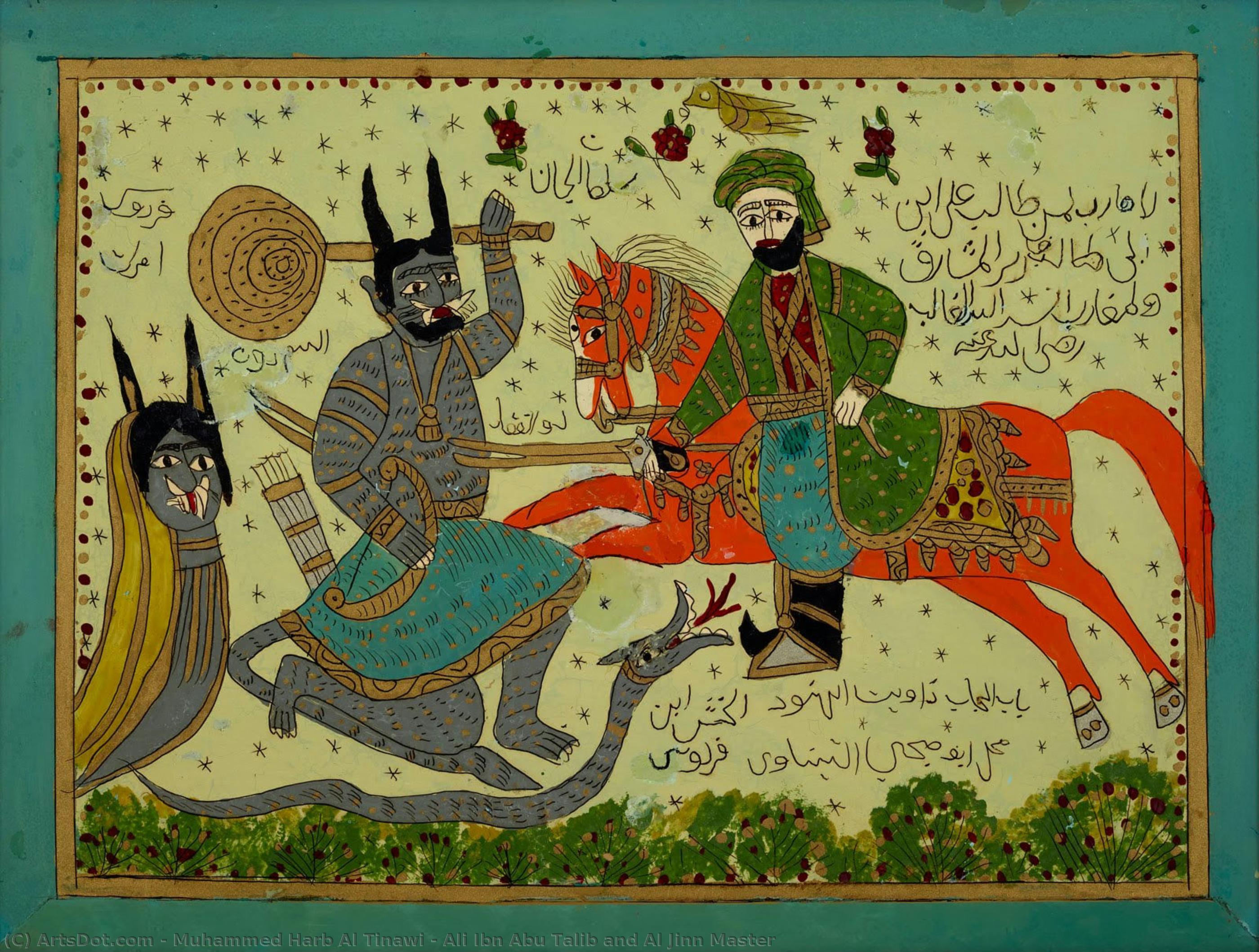
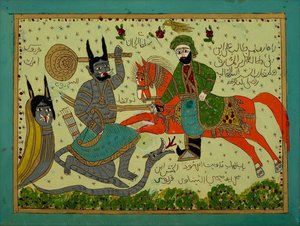
Ali Ibn Abu Talib and Al Jinn Master
 Syrian Folk Art
 Modern
 39.0 x 53.0 cm
 The Ramzi and Saeda Dalloul Art Foundation
 Read More
Purchase a high-resolution, enhanced digital image, far superior to the online preview.
Each file is meticulously prepared by our in-house specialists using advanced tools and expert manual retouching. We ensure every image has exceptional clarity, precise color accuracy, and fine detail.
The final file is delivered via email within 72 hours, optimized for immediate use in professional, editorial, and print environments. This is the same quality trusted by top-tier design studios, publishers, and galleries.
Digital Image
Download a high-resolution file for personal display, printing, and creative projects. ( Buy Print Buy Hand Made Painting)
Included in Every Digital Image Order
Expert Digital Delivery, Guaranteed
When you choose ArtsDot.com, you're not just getting an image - you're receiving a professionally enhanced digital artwork, crafted with precision and backed by a satisfaction guarantee. Here's everything that comes with your order, automatically:

Fast Email Delivery
Your high-resolution digital image file will be emailed to you within 72 hours of ordering - ready for immediate use.

AI-Enhanced Digital File
Your artwork is professionally optimized using advanced AI tools and manual editing, ensuring maximum detail, clarity, and color accuracy.

Free Lifetime Re-Delivery
Accidentally deleted or lost your file? No worries - we'll resend it to you anytime, free of charge.

No Import Fees - Ever
Enjoy your artwork instantly with zero customs, duties, or delivery fees - digital downloads are always tax-free.

Color Accuracy Guarantee
We ensure your digital image reflects the original colors as closely as possible using professional tools and color management.

60-Day Satisfaction Guarantee
If you're not satisfied with your digital image, we'll revise it or refund 100% within 60 days - no questions asked.

100% Money-Back Guarantee
Not satisfied? Get a full refund within 60 days of receiving your digital file - no questions asked.

Bulk Order Discounts
Buy 3 images, save 10% - Buy 5, save 15% - Buy 10+, save 20%. Great for creative projects, galleries, and agencies.
Related Artworks
Artist Biography
A Legacy of Light and Lore: The Artistry of Muhammad Harb Al Tinawi
In the heart of Damascus, amidst the ancient, winding streets of the Bab al-Jabiya district, a unique artistic voice emerged that would forever capture the soul of Syrian folk culture. Muhammad Harb Al Tinawi, known more affectionately to his community as Abu Subhi, was not merely a painter but a custodian of memory. Born in 1888, his life and work were deeply intertwined with the vibrant tapestry of Levantine traditions. Unlike the academic painters of his era who sought validation through Western formal training, Al Tinawi’s genius was homegrown, nurtured by the rhythmic pulse of the Damascus markets and the oral histories whispered in the shadows of the old city. His art did not look outward toward the changing global landscape; instead, it looked inward, toward the enduring legends, religious devotion, and heroic epics that defined his people.
The foundations of Al Tinawi’s mastery were laid long before he ever picked up a brush. He was born into a lineage of craftsmen, the son of a skilled artisan who practiced the delicate art of reverse glass painting and tapestry. This familial connection provided him with more than just technical instruction; it offered him a spiritual inheritance. His father, an amateur artist himself, would often prepare compositions on glass, leaving spaces for his son to fill with earthy, luminous pigments. This collaborative beginning fostered a profound respect for the meticulous detail required by al-khamsa al-tarabiyah—the traditional technique of painting on the reverse side of glass. Through this method, Al Tinawi learned to manipulate light, creating images that possessed an inner glow, as if the stories themselves were radiating from beneath the surface.
The Alchemy of Glass and Pigment
Al Tinawi’s technical prowess was characterized by a remarkable, almost alchemical, approach to his materials. He remained steadfastly committed to traditional methods, often eschewing modern synthetics in favor of natural pigments bound with gum arabic. This dedication resulted in a palette that felt organic and deeply connected to the Syrian landscape. His work on glass, as well as on metallic paper and cloth, utilized bright, bold colors to bring life to his subjects. The technique of reverse painting requires a reversal of thought; the artist must paint the finest details first, working from the background toward the foreground, knowing that every stroke will eventually be viewed through the transparent medium of glass. This process demanded an extraordinary level of foresight and precision, qualities that Al Tinawi possessed in abundance.
The visual impact of his work was often defined by a sense of naïve spontaneity. Because he was largely sheltered from the rigid canons of international art history, his compositions remained unburdened by Western perspective or anatomical perfection. Instead, he prioritized narrative clarity and emotional resonance. His figures were often simple in form yet rich with character, emerging from backgrounds of shimmering gold or silver paper. This stylistic choice allowed him to create a sense of timelessness, where the boundaries between historical reality and folkloric myth became beautifully blurred.
Epic Narratives and Cultural Significance
The true heart of Al Tinawi’s oeuvre lies in its storytelling. His canvases served as visual chronicles for the legends that shaped the Arab identity. He drew immense inspiration from the oral traditions of his youth—tales of courage, epic battles, and the profound struggles of love and virtue. Some of his most enduring themes include:
- The Romance of Antar and Abla: Reimagining the legendary tragic romance between the courageous warrior Antar and his beloved Abla, embodying the ideals of beauty and nobility.
- Religious Devotion: Depicting sacred figures and historical Islamic narratives, such as the powerful imagery found in his works involving Ali Ibn Abu Talib.
- Folkloric Heroes: Bringing to life the characters of local legends and the "Jinn" masters, blending the supernatural with the human experience.
By documenting these stories through the medium of folk art, Al Tinawi performed a vital service to his culture. As the 20th century progressed and traditional crafts began to fade under the pressure of modernization, his work stood as a bulwark against the loss of Syrian heritage. He did not merely paint scenes; he preserved the very essence of a way of life. Today, the works of Abu Subhi Al Tinawi are recognized not just as beautiful objects of decorative art, but as significant historical documents that capture the vibrant, spiritual, and heroic spirit of a Damascus that continues to inspire generations.
muhammed harb al tinawi
1888 - 1973 , Syrian Arab Republic
Quick Facts
- Artistic Movement Or Style: Islamic Art; Reverse Glass Painting
- Artists Or Movements Influenced By This Artist: ['Abbasid Art Movement']
- Artists Who Influenced This Artist: ['Traditional Syrian Artisans']
- Date Of Birth: 1888
- Date Of Death: 1973
- Full Name: Muhammad Harb Al Tinawi
- Nationality: Syrian
- Notable Artworks:
- Painting by Al-Jazari: A Peacock Basin
- Painting by Al-Jazari: Water Device
- Painting by Al-Jazari: The Elephant Clock
- Place Of Birth: Damascus, Syrian Arab Republic

