Tonita Peña (Quah Ah): A Pioneer of Pueblo Art
- Born: San Ildefonso Pueblo, New Mexico, 1893
- Died: Kewa Pueblo, New Mexico, 1949
- Other Names: Tonita Vigil Peña, María Antonia Tonita Peña, Quah Ah
Tonita Peña, also known by her Tewa name "Quah Ah," stands as a pivotal figure in early 20th-century Southwestern art and the first Pueblo Indian easel painter. Born into the San Ildefonso Pueblo community, she defied artistic conventions of her time, breaking away from the traditional male dominance within narrative painting. Her legacy extends beyond her own prolific output; she served as an influential art teacher, nurturing a new generation of Native American artists.
Early Life and Artistic Development
- Pueblo Heritage: Peña's artistic vision was deeply rooted in her Pueblo heritage, drawing inspiration from the traditions, ceremonies, and daily life of her community.
- Encouragement & Mentorship: Edgar Hewitt, New Mexico’s state archeologist and museum director, and painter Kenneth Chapman recognized her talent and provided crucial encouragement and guidance. This support was instrumental in her development as an artist.
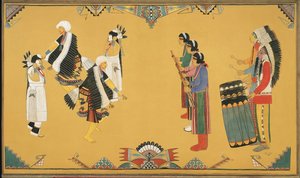
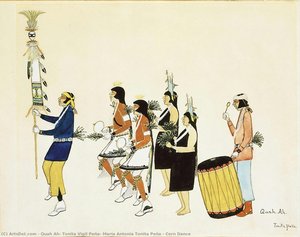
- Medium & Style: Peña primarily worked with pen and ink on paper, often embellished with delicate watercolor washes. Her style is characterized by its detailed linework, expressive figures, and vibrant depictions of Pueblo life. She frequently captured ceremonial dances like the Eagle Dance and Corn Dance, preserving these cultural traditions for posterity.
- Wall Paintings: Peña also executed several notable wall paintings in New Mexico, demonstrating her versatility as an artist beyond easel painting.
Major Themes & Artistic Achievements
- Depiction of Pueblo Life: Her artwork provides invaluable insights into the daily routines, social structures, and spiritual beliefs of the San Ildefonso Pueblo people.
- Ceremonial Dance Focus: Peña is particularly renowned for her depictions of Pueblo dances, capturing the energy, grace, and cultural significance of these rituals. The "Eagle Dance" and "Corn Dance" are among her most celebrated works (see Eagle Dance and Corn Dance).
- Breaking Barriers: As the first Pueblo Indian easel painter, Peña challenged gender stereotypes and paved the way for other Native American women to pursue artistic careers.
Historical Significance & Legacy
- Preservation of Culture: Peña's art serves as a vital historical record, documenting aspects of Pueblo culture that might otherwise have been lost or overlooked.
- Influence on Southwestern Art: She significantly contributed to the development of Southwestern art, helping to establish a distinct Native American artistic voice within the broader regional landscape.
- Art Education: Her role as an art teacher ensured her influence extended beyond her own creations, inspiring and mentoring future generations of Pueblo artists.
- Recognition: Tonita Peña's work is held in numerous museum collections and continues to be exhibited and celebrated for its artistic merit and cultural importance. Learn more about the artist here.