 Preview
 Send
Send Share
Share
 Details

 Download
 Similars
 X-Ray
X-Ray Diaporama
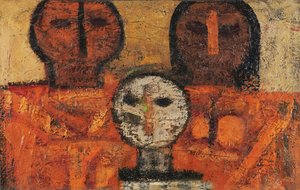
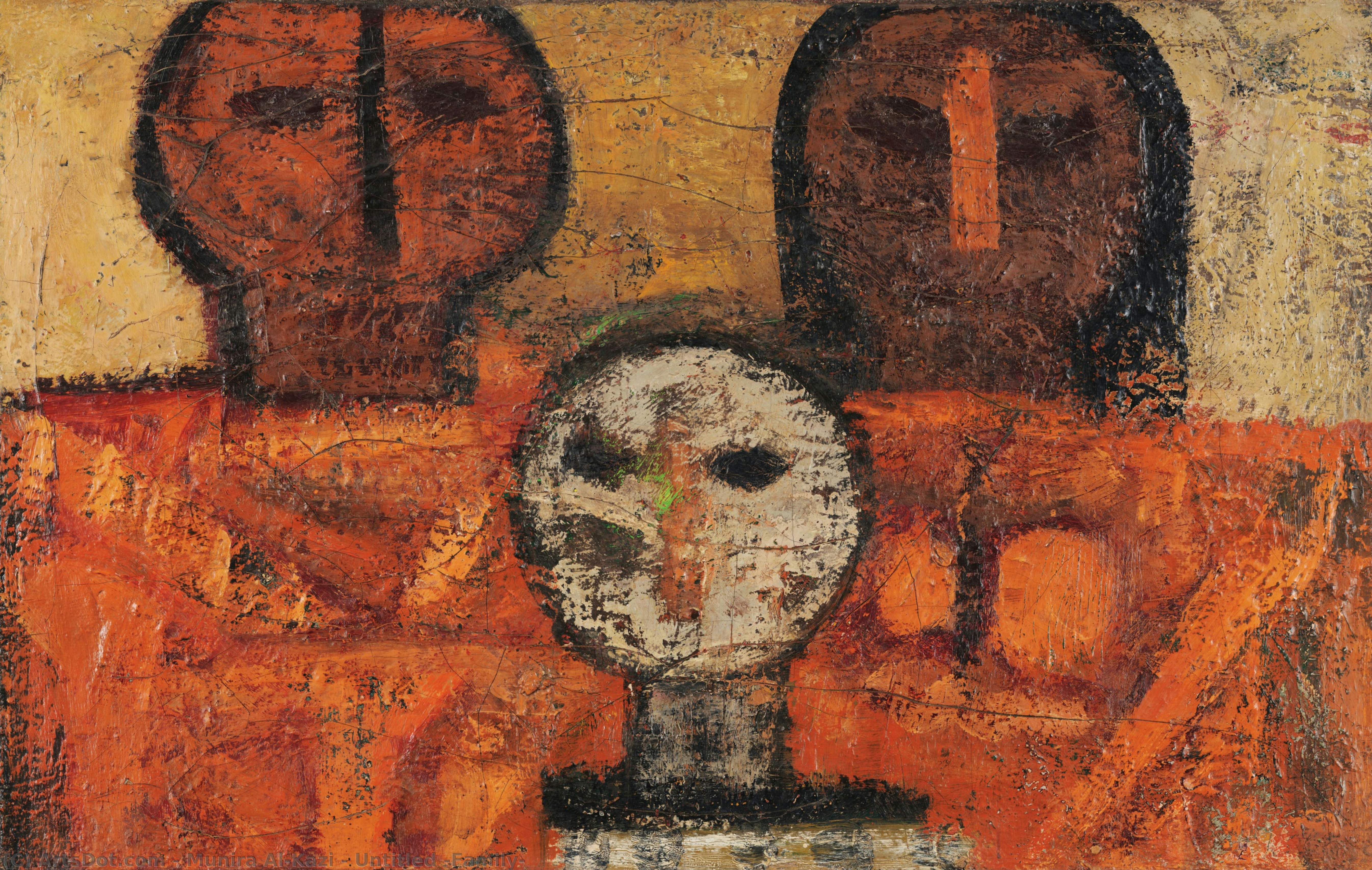
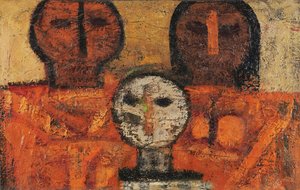
Untitled (Family)
 Contemporary Art
 Contemporary
 50.0 x 70.0 cm
 Barjeel Art Foundation
 Read More
Hand Made Oil Reproduction
Hand-painted oil on canvas in your size and frame, made to order by our artists. ( Buy Print Buy Image)




P118B $10

P118H $10

P118W $10

P438Z $10

P508JH $12

P508YH $12

P805H $10

P805Z $10

P919BZ $10

P919G $10

P919XJ $10

P959ZH $10

P968JZ $12

W106C $8

W218G $10

W218JH $8

W218Y $10

W307PJ $10

W316G $10

W316PJ $8

W316Y $10

W398PJ $8

W4111J $10

W500HY $15

W500JH $15

W692G $12

W849H $8

W940BG $15

W953PJ $8




Pick from our preset sizes that match the artwork's original proportions.

You may enter your own dimensions to fit a specific frame or space. If your selected size does not match the original image's proportions, we will either crop the artwork or extend the painting with additional hand-painted elements. A digital mockup will be sent for your approval before production begins.
Please note that the on-screen preview does not reflect the actual cropping or extension. Only the mockup will accurately show the final composition.
While custom sizes are available, we recommend selecting a dimension from the predefined list to preserve the original proportions.
After order, ArtsDot.com team will email client for instructions and provide a mockup preview
Worldwide Delivery () in 3/4 weeks instead of standard 5 weeks. (28 August). No compromise on quality.

Free Worldwide Express Shipping

High-Quality Linen Canvas

Full Shipping Insurance

Customs Tax Refund Guarantee

True Color Matching Guarantee

60-Day Return Policy (Defects Only)

100% Money-Back Guarantee

Bulk Discount Offer
 Glass option is only available in size under 110 CM

Untitled (Family)
Reproduction Medium
Reproduction Size
-


Total Price
$ 263
A Veil of Mystery: Unveiling Munira Al Kazi’s Untitled (Family)
In the evocative realm of contemporary portraiture, few works command attention with such quiet, haunting intensity as Munira Al Kazi’s Untitled (Family). This striking piece serves as a profound meditation on identity, anonymity, and the layers of connection that bind us. At first glance, the viewer is met with two central figures seated in close proximity, their presence anchored by a stark, monochromatic palette. However, it is the deliberate concealment of their faces through masks that transforms a simple portrait into a psychological enigma. The use of black and white clothing creates a rhythmic, graphic quality that directs the eye toward the tension held between these masked protagonists, inviting the observer to look beyond the surface and contemplate what remains hidden behind the veil.
The composition is masterfully layered, utilizing a sense of depth that transcends the two-dimensional plane. While the primary duo dominates the foreground, Al Kazi subtly populates the periphery with smaller, spectral figures—one drifting near the top left, another nestled in the bottom corner, and a third positioned toward the center. These secondary presences act as echoes of the main subjects, suggesting a lineage or a collective memory that haunts the edges of the frame. This technique creates a dreamlike, almost surreal atmosphere, where the boundaries between the individual and the collective begin to blur. The interplay of light and shadow, characteristic of Al Kazi’s printmaking roots, lends a tactile weight to the figures, making the mystery feel grounded in a tangible, albeit obscured, reality.
For the discerning collector or interior designer, this artwork offers more than mere decoration; it provides a focal point of intellectual and emotional depth. The piece functions beautifully within modern, minimalist, or avant-garde spaces, where its high-contrast aesthetic can serve to anchor a room with a sense of sophisticated intrigue. Because the subject matter deals with the universal themes of family and the masks we wear in society, the painting resonates on a deeply human level, making it an ideal acquisition for those who seek art that provokes conversation and reflection. Owning a reproduction of this work means bringing a piece of Al Kazi’s visionary legacy into one's home—a legacy defined by her ability to weave cultural diversity and technical mastery into a singular, unforgettable visual narrative.
Related Artworks


Artist Biography
A Tapestry of Cultures: The Life and Legacy of Munira Al Kazi
The story of Munira Al Kazi is one of profound movement, spanning continents and cultures to weave a singular artistic identity. Born in 1939 in Pune, India, to a prominent merchant family of Saudi-Kuwaiti origin, her early life was steeped in a rich, multicultural heritage that would later serve as the silent architect of her visual language. This unique upbringing, blending the traditions of the Indian subcontinent with the deep roots of the Arabian Gulf, instilled in her a sensitivity to diversity and a fascination with the layers of identity. Her journey toward artistic mastery took her to London’s prestigious Central School of Art and Design, where she graduated in 1961. It was within these academic halls that Al Kazi transitioned from an oil painter into a master of printmaking, specifically honing the intricate, demanding techniques of etching—a medium that would become the heartbeat of her creative output.
Throughout the 1960s, Al Kazi established herself within the vibrant London art scene, maintaining a studio where she held exhibitions across Europe and the Middle East. However, her historical significance is perhaps most deeply felt in her role as a pioneer of the Kuwaiti art landscape. In 1969, she was a featured artist in the inaugural exhibition of the Sultan Gallery, a landmark moment for the region's cultural development. By showcasing her work at such a pivotal time, Al Kazi helped establish a professional foundation for contemporary art in the Gulf, asserting her place as one of the first women artists to command attention within Kuwait’s burgeoning cultural landscape.
Technique and Symbolism: The Language of the Print
Al Kazi’s work is characterized by an evocative blend of abstraction and symbolic imagery, often marked by a haunting, psychological depth. Her mastery of printmaking allowed her to experiment with texture and light, creating compositions that feel both grounded in reality and suspended in a dreamlike state. In pieces such as Untitled (Family), the artist utilizes a stark, monochromatic palette to explore themes of anonymity and connection. Through the deliberate use of masks and layered figures, she invites the viewer into a space where the boundaries between the individual and collective memory begin to blur. The rhythmic, graphic quality of her work—often featuring high-contrast shadows and intricate line work—creates a sense of tension and mystery that lingers long after the initial viewing.
As her career progressed, Al Kazi’s aesthetic continued to evolve alongside her geographical shifts. Her move to the sun-drenched island of Ibiza, Spain, in the 1970s brought new light and perspectives to her practice. While she remained deeply committed to the tactile traditions of etching and painting, the early 2000s saw her embracing the possibilities of digital media. This integration of modern technology into her established printmaking roots demonstrates an artist who refuses to remain static, constantly seeking new ways to translate her complex inner visions into tangible forms.
A Global Presence and Enduring Influence
The significance of Munira Al Kazi’s contribution to the art world is validated by the prestigious institutions that house her creations. Her prints and paintings are not merely personal expressions but are recognized as vital components of global art history, held in the permanent collections of some of the most esteemed museums in the world, including:
- The Museum of Modern Art (MoMA) in New York
- The Victoria and Albert Museum (V&A) in London
- Various international institutions across Europe and the Middle East
Beyond the physical presence of her work in museums, Al Kazi’s legacy lies in her role as a bridge between worlds. She successfully navigated the transition from the traditional merchant heritage of her family to the avant-garde circles of London and Spain, all while maintaining a profound connection to the cultural pulse of the Arab Gulf. Her ability to synthesize diverse influences—from the textures of her childhood to the digital frontiers of the new millennium—ensures that her work remains a vital, breathing testament to the power of cross-cultural dialogue in contemporary art.
munira al-kazi
Bangladesh
Quick Facts
- Artistic Movement Or Style: Abstract Printmaking
- Artists Or Movements Influenced By This Artist: ['Santa Cristina al Lago']
- Artists Who Influenced This Artist: ['Lorenzo Lotto']
- Date Of Death: Living
- Full Name: Munira Al Kazi
- Nationality: Saudi Arabian
- Notable Artworks:
- Untitled
- Family
- Place Of Birth: India
Related Articles

White on Canvas: 10 Masterpieces & Timeless Elegance for Your Home Decor
Explore 10 iconic white paintings by Monet, Whistler & Rothko! Discover the stories behind these serene masterpieces and their impact on art history. Find museum-quality reproductions for your home decor at .

Monochrome Visions: Exploring the Aesthetic & Historical Significance of Black & White Photography
Explore the rich history & artistic power of black and white photography. From early techniques to iconic masters like Ansel Adams, discover why monochrome continues to captivate art lovers today. Expert insights for collectors.

Dark Masterpieces: 10 Iconic Paintings Dominated by Black Tones |
Explore 10 iconic paintings dominated by black tones, from Rembrandt’s chiaroscuro to Goya's dark expressions. Discover the stories behind these masterpieces & find museum-quality art reproductions for your home at .

Chromatic Absence: Exploring the Aesthetic Power of Black & White Art
Explore the captivating world of monochrome art! Discover its rich history, influential artists like Malevich & Klein, and profound emotional impact. Expert insights for collectors & design enthusiasts.

The Subtleties of Shade: Exploring Black, White & Gray Abstraction in Modern Interior Design
Explore the power of black, white & gray abstraction in modern interior design. Discover how minimalist art impacts spatial perception & creates sophisticated hotel spaces. Expert insights for designers.