 Preview
 Send
Send Share
Share
 Details

 Download
 Similars
 X-Ray
X-Ray Diaporama
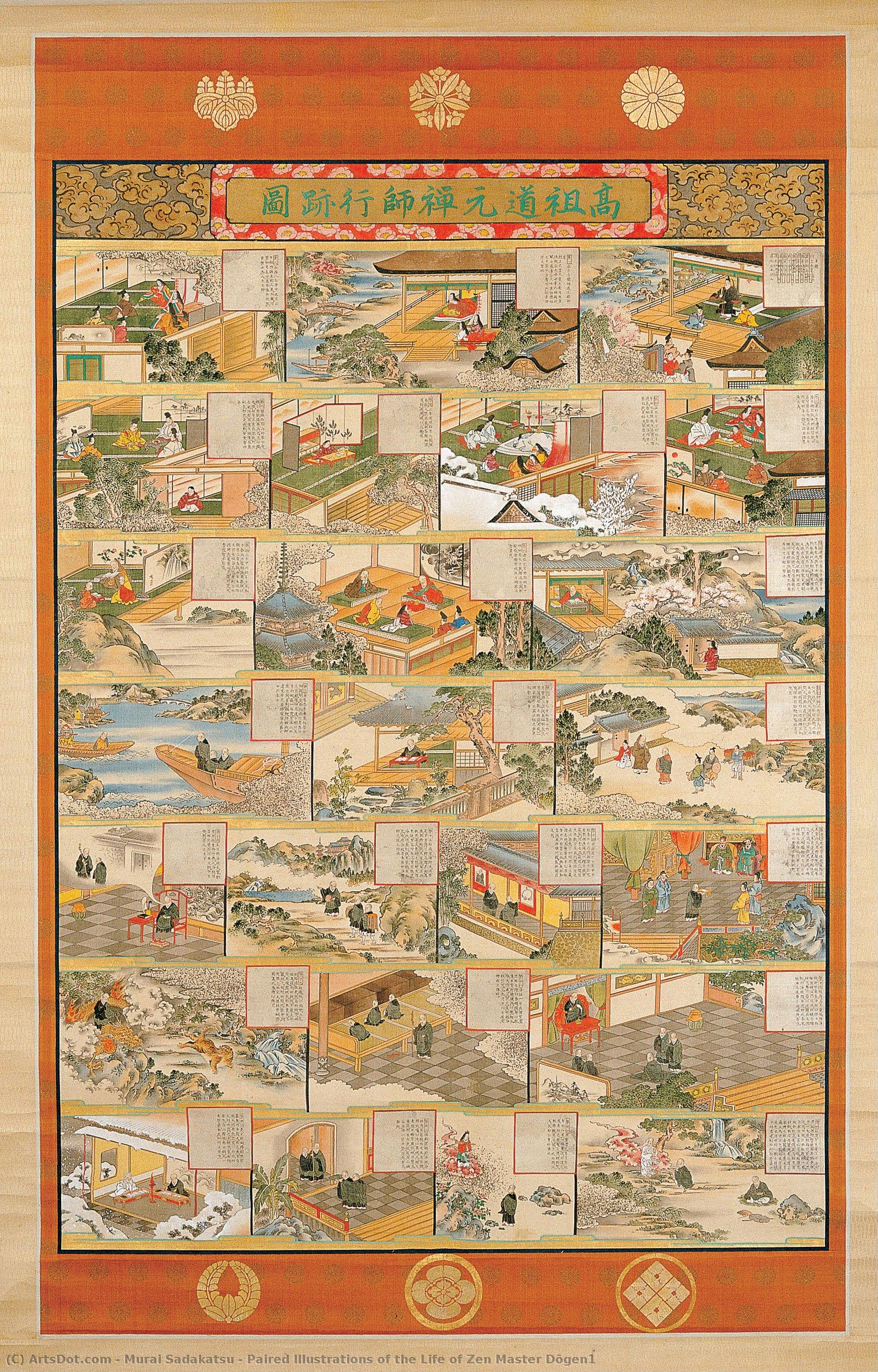
Paired Illustrations of the Life of Zen Master Dōgen1

 Read More
Hand Made Oil Reproduction
Hand-painted oil on canvas in your size and frame, made to order by our artists. ( Buy Print Buy Image)




































Pick from our preset sizes that match the artwork's original proportions.

You may enter your own dimensions to fit a specific frame or space. If your selected size does not match the original image's proportions, we will either crop the artwork or extend the painting with additional hand-painted elements. A digital mockup will be sent for your approval before production begins.
Please note that the on-screen preview does not reflect the actual cropping or extension. Only the mockup will accurately show the final composition.
While custom sizes are available, we recommend selecting a dimension from the predefined list to preserve the original proportions.
After order, ArtsDot.com team will email client for instructions and provide a mockup preview
Worldwide Delivery () in 3/4 weeks instead of standard 5 weeks. (6 September). No compromise on quality.

Free Worldwide Express Shipping

High-Quality Linen Canvas

Full Shipping Insurance

Customs Tax Refund Guarantee

True Color Matching Guarantee

100-Day Return Policy (Defects Only)

100% Money-Back Guarantee

Bulk Discount Offer
 Glass option is only available in size under 110 CM

Paired Illustrations of the Life of Zen Master Dōgen1
Reproduction Medium
Reproduction Size
-


Total Price
$ 263
Related Artworks




Artist Biography
Albrecht Dürer: The Architect of the Renaissance
Albrecht Dürer, born in 1471 in the vibrant imperial city of Nuremberg, Germany, stands as a towering figure in the history of art – a true Renaissance man who seamlessly blended painting, printmaking, writing, and theoretical scholarship. He wasn’t merely an artist; he was a meticulous observer, a relentless innovator, and a profound thinker whose work continues to resonate with audiences centuries later. Dürer's legacy rests not just on the beauty of his creations but also on his pioneering approach to art-making, establishing new standards for technical precision, intellectual depth, and expressive power.
His early life was steeped in the traditions of goldsmithing and craftsmanship, inherited from his father, Albrecht Dürer the Elder. This background instilled a deep appreciation for detail, proportion, and the transformative potential of materials – qualities that would profoundly shape his artistic vision. He began his formal training as a draughtsman under the tutelage of Michael Wolgemut, a leading painter and woodcut designer in Nuremberg, absorbing the techniques of altarpiece production and mastering the art of creating intricate illustrations for books and publications. This apprenticeship provided a crucial foundation, exposing him to the collaborative nature of artistic creation and introducing him to the burgeoning world of printmaking.
The Revolutionary Printmaker
Dürer’s most significant contribution to the art world lies in his mastery of printmaking – specifically woodcuts and engravings. He elevated these mediums from mere decorative illustrations to independent forms of artistic expression, rivaling the status of painting. Unlike earlier woodcut artists who often relied on Gothic stylistic conventions, Dürer infused his prints with a remarkable sense of realism, psychological depth, and intellectual rigor. His meticulous attention to detail, combined with an innovative use of tonal shading and perspective, created images that were both visually stunning and conceptually complex.
His series of woodcuts, such as *The Apocalypse* (1498) and the *Large Woodcut Passion* cycle (ca. 1497–1500), demonstrated his ability to convey profound religious narratives with dramatic intensity. However, it was his engravings – particularly his self-portraits and studies of human anatomy – that truly cemented his reputation as a revolutionary printmaker. Works like *Adam and Eve* (1504) showcased an unprecedented level of technical virtuosity, demonstrating his mastery of line, texture, and shading. His later “Meisterstiche” (master engravings), including *Knight, Death, and the Devil*, *Saint Jerome in His Study*, and *Melencolia I*, were intended as sophisticated works for discerning collectors, reflecting a growing interest in intellectual pursuits and the exploration of human experience.
A Renaissance Scholar and Observer
Dürer’s artistic development was inextricably linked to his engagement with the broader intellectual currents of the Renaissance. He traveled extensively throughout Europe, immersing himself in the art and culture of Italy – a pivotal influence on his work. His visits to Venice (1494-1495) and Florence (1505-1507) exposed him to the vibrant colors, dynamic compositions, and humanist ideals that characterized Italian Renaissance painting. He meticulously studied the works of masters like Botticelli and Leonardo da Vinci, incorporating their techniques and approaches into his own practice.
Furthermore, Dürer was a dedicated scholar and theorist, deeply interested in mathematics, geometry, and perspective. His *Four Books on Human Proportions* (1504-1528), though only the first volume was published during his lifetime, laid out a systematic approach to understanding human anatomy and proportion – a groundbreaking contribution to artistic theory. His treatise *Underweysung der Messung* (1525) provided the first scientific treatment of perspective by a northern European artist, demonstrating his commitment to both artistic practice and intellectual inquiry.
Legacy and Enduring Influence
Albrecht Dürer’s impact on art history is immeasurable. He not only pushed the boundaries of painting and printmaking but also established new standards for technical skill, intellectual rigor, and expressive power. His meticulous observation, his innovative use of perspective and shading, and his profound engagement with humanist ideals continue to inspire artists today.
His work served as a bridge between the Gothic traditions of Northern Europe and the burgeoning Renaissance art of Italy, shaping the course of Western art for centuries to come. Dürer’s legacy extends beyond individual masterpieces; it resides in his pioneering spirit, his relentless pursuit of perfection, and his unwavering commitment to exploring the complexities of human experience through the transformative power of art.
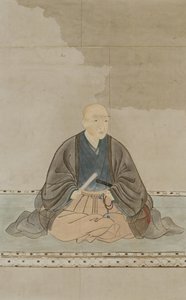
murai sadakatsu
1528 - 1582 , Japan
Quick Facts
- Artistic Movement Or Style: Renaissance, German Renaissance
- Artists Or Movements Influenced By This Artist: ['Venetian color']
- Artists Who Influenced This Artist: ['Martin Schongauer']
- Date Of Birth: May 21, 1471
- Date Of Death: April 6, 1528
- Full Name: Albrecht Dürer
- Nationality: German
- Notable Artworks:
- Melencolia I
- Adam and Eve
- Knight, Death, Devil
- Place Of Birth: Nürnberg, Germany