 Preview
 Send
Send Share
Share
 Details

 Download
 Similars
 X-Ray
X-Ray Diaporama
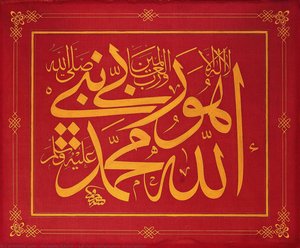
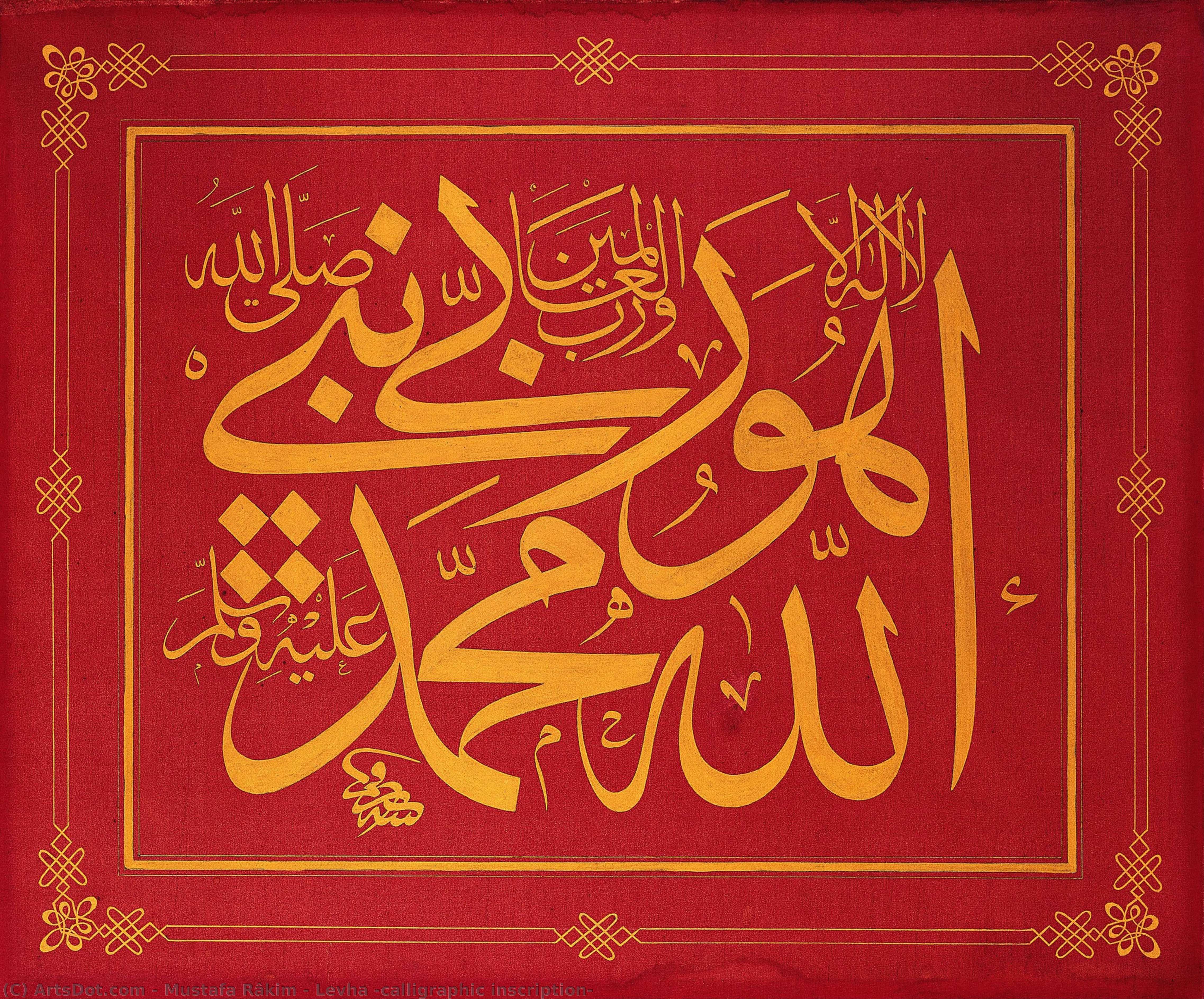
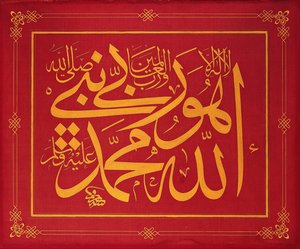
Levha (calligraphic inscription)
 Lithograph
- Islamic Calligraphy
 1700
1700- Early Modern
 58.0 x 48.0 cm
 Sakıp Sabancı Museum
 Read More
Hand Made Oil Reproduction
Hand-painted oil on canvas in your size and frame, made to order by our artists. ( Buy Print Buy Image)




P118B $10

P118H $10

P118W $10

P438Z $10

P508JH $12

P508YH $12

P805H $10

P805Z $10

P919BZ $10

P919G $10

P919XJ $10

P959ZH $10

P968JZ $12

W106C $8

W218G $10

W218JH $8

W218Y $10

W307PJ $10

W316G $10

W316PJ $8

W316Y $10

W398PJ $8

W4111J $10

W500HY $15

W500JH $15

W692G $12

W849H $8

W940BG $15

W953PJ $8




Pick from our preset sizes that match the artwork's original proportions.

You may enter your own dimensions to fit a specific frame or space. If your selected size does not match the original image's proportions, we will either crop the artwork or extend the painting with additional hand-painted elements. A digital mockup will be sent for your approval before production begins.
Please note that the on-screen preview does not reflect the actual cropping or extension. Only the mockup will accurately show the final composition.
While custom sizes are available, we recommend selecting a dimension from the predefined list to preserve the original proportions.
After order, ArtsDot.com team will email client for instructions and provide a mockup preview
Worldwide Delivery () in 3/4 weeks instead of standard 5 weeks. (17 August). No compromise on quality.

Free Worldwide Express Shipping

High-Quality Linen Canvas

Full Shipping Insurance

Customs Tax Refund Guarantee

True Color Matching Guarantee

60-Day Return Policy (Defects Only)

100% Money-Back Guarantee

Bulk Discount Offer
 Glass option is only available in size under 110 CM

Levha (calligraphic inscription)
Reproduction Medium
Reproduction Size
-


Total Price
$ 263
Artwork Description
A Symphony of Crimson and Script
In the realm of Ottoman masterworks, few things command attention quite like the Levha, a calligraphic inscription that transcends mere writing to become a profound visual experience. This breathtaking piece, attributed to the legendary Mustafa Râkim, serves as a testament to the spiritual and aesthetic heights of the 18th-century Ottoman era. At first glance, the viewer is enveloped by a sea of deep, resonant crimson—a palette that ranges from the warmth of terracotta to the solemnity of dark garnet. This rich, monochromatic backdrop provides the perfect stage for the intricate dance of the Arabic script, where every curve and stroke is imbued with a sense of divine rhythm. The composition is masterfully balanced, utilizing a vertical orientation that draws the eye upward, mirroring the spiritual ascent intended by the sacred text.
The heart of this artwork lies in its subject: the Shahada, the Islamic declaration of faith. Through the meticulous application of the Sülüs script, Râ bek transforms linguistic meaning into architectural form. The calligraphy does not merely sit upon the surface; it builds a complex, layered landscape of interlocking letters and flowing flourishes. Each stroke is a deliberate act of devotion, where the precision of the line meets the fluidity of motion. For the collector or designer, this piece offers more than just decoration; it provides a focal point of immense gravity, where the density of the script creates a perceived texture that feels almost tactile, inviting the observer to linger on the mathematical perfection of its proportions.
The Legacy of a Master
To understand the brilliance of this Levha, one must look to the hands that shaped it. Mustafa Râkim was not merely a calligrapher; he was a revolutionary who redefined the boundaries of Ottoman art. While he drew deep inspiration from the classical foundations laid by Hâfiz Osman, Râkim possessed an insatiable drive for technical refinement. He approached the script with the eye of an architect and the soul of a poet, analyzing the very anatomy of letters to achieve an unprecedented level of elegance and clarity. This specific work embodies that pursuit of perfection, showcasing how the traditional Sülüs style can be elevated through a sophisticated command of space and weight.
Integrating such a masterpiece into a contemporary interior offers a unique opportunity to bridge the gap between historical reverence and modern luxury. The piece functions as a powerful anchor in a room, providing a sense of timelessness and cultural depth. Whether placed in a minimalist gallery-style setting or a richly textured classical study, the Levha radiates an aura of peace and intellectual sophistication. It is an investment in art that speaks to the eternal—a harmonious blend of religious devotion, historical mastery, and an aesthetic beauty that remains as captivating today as it was in the year 1700.
Related Artworks
Artist Biography
Mustafa Râkim: A Pioneer of Ottoman Calligraphy
Early Life and Background
- Born in Oyüzü, Turkey in 1757, Mustafa Râkim emerged as a transformative figure in the world of Ottoman art.
- His early life details remain somewhat scarce, but he quickly demonstrated an exceptional talent for calligraphy – a highly revered art form within Ottoman culture.
- He dedicated himself to mastering the intricacies of Islamic script, setting the stage for his future innovations.
Artistic Development and Influences
- Influenced by Hâfiz Osman, a prominent calligrapher of the 18th century, Râkim initially followed in his predecessor’s footsteps.
- However, he didn't simply imitate; he sought to refine and elevate Osman’s style, placing an unprecedented emphasis on technical perfection.
- This pursuit of precision led him to meticulously analyze the proportions and forms within both the Sülüs and Nesih scripts.
Key Achievements and Innovations
- Reforming Hâfiz Osman’s Style: Râkim extended and reformed Osman's style, broadening the scope of calligraphic art beyond just Sülüs to include Nesih.
- Technical Perfection: He achieved ideal measurement between letter thickness and pen thickness, establishing a new standard for beauty in Jali-Thuluth script and *Tughras* (the signature seals of Ottoman Sultans).
- First Great Turkish Painter: Râkim is regarded as the first great Turkish painter in the Western sense, marking a significant shift in Ottoman art.
- Portraiture: His portrait of Sultan Selim III was so captivating that it inspired a poem in his honor, showcasing his skill beyond calligraphy.
Historical Significance and Legacy
- Mustafa Râkim’s impact on Ottoman calligraphy is undeniable. His work represents a turning point, so significant that art historians divide Turkish calligraphic history into “pre-Rakim” and “post-Rakim” eras.
- He bridged traditional Islamic calligraphy with the emerging modern Turkish identity, influencing generations of artists to come.
- His legacy continues to inspire contemporary calligraphers and serves as a testament to the transformative power of artistic innovation.
- Râkim’s contributions extended beyond aesthetics; he elevated calligraphy from a craft to a high art form, solidifying its place within Ottoman culture and history.
Exploring His Work Today
- Numerous calligraphic masterpieces by Mustafa Râkim can be found in museums such as the Kıp Sabancı Museum in Istanbul, Türkiye.
- Collections like the *Murakka* (calligraphic album) containing works by Kadıasker Mustafa İzzet Efendi also showcase the beauty and influence of Ottoman calligraphy stemming from Râkim’s innovations.
mustafa râkim
1757 - 1826 , Turkey
Quick Facts
- Birth Date: 1757
- Birth Place: Oyüzü, Turkey
- Death Date: 1826
- Influenced: Kadıasker Mustafa İzzet Efendi
- Influenced By: Hâfiz Osman
- Movement: Ottoman Calligraphy
- Name: Mustafa Râkim
- Nationality: Turkish
- Notable Works:
- Portrait of Sultan Selim III
- Levha (calligraphic inscription)
Related Articles

Crimson Threads of Narrative: Exploring Symbolism & Representation in Artworks Featuring the Red Dress
Explore the rich symbolism of the red dress in art history! From ancient power displays to iconic portraits like Cézanne’s 'Madame Cezanne', discover the cultural and artistic significance behind this captivating color. Expert analysis & insights.
Mark Rothko's Masterpieces: 25 Paintings That Define Abstract Expressionism | ArtsDot
Explore 25 iconic Mark Rothko paintings that define Abstract Expressionism. Discover the stories, colors & emotions behind these masterpieces. Find museum-quality art reproductions and curated decor ideas at ArtsDot.com.
Henri Matisse's Masterpieces: Explore 25 Iconic Paintings & Art Decor Ideas
Journey through Henri Matisse's 25 most iconic paintings! Explore Fauvism, vibrant colors & the stories behind masterpieces like 'The Dance'. Find museum-quality art reproductions and curated decor ideas to elevate your space. Discover all masterpieces on ArtsDot.com.

Kandinsky's Masterpieces: 25 Paintings That Define Abstract Art | ArtsDot
Journey through Wassily Kandinsky's 25 most iconic abstract paintings. Explore his revolutionary use of color, form & spiritual expressionism. Find museum-quality Kandinsky reproductions and elevate your home decor with ArtsDot.com. Discover all masterpieces on ArtsDot.com!
Cy Twombly: Scribbles of Emotion – Deconstructing Post-War Expressionism Through Calligraphy & Abstraction
Explore the captivating world of Cy Twombly with ArtsDot. Discover the emotional depth & artistic significance behind his abstract calligraphy. Expert insights for collectors.