 Send
Send Share
Share
 Details

 Download
 Similars
 Diaporama
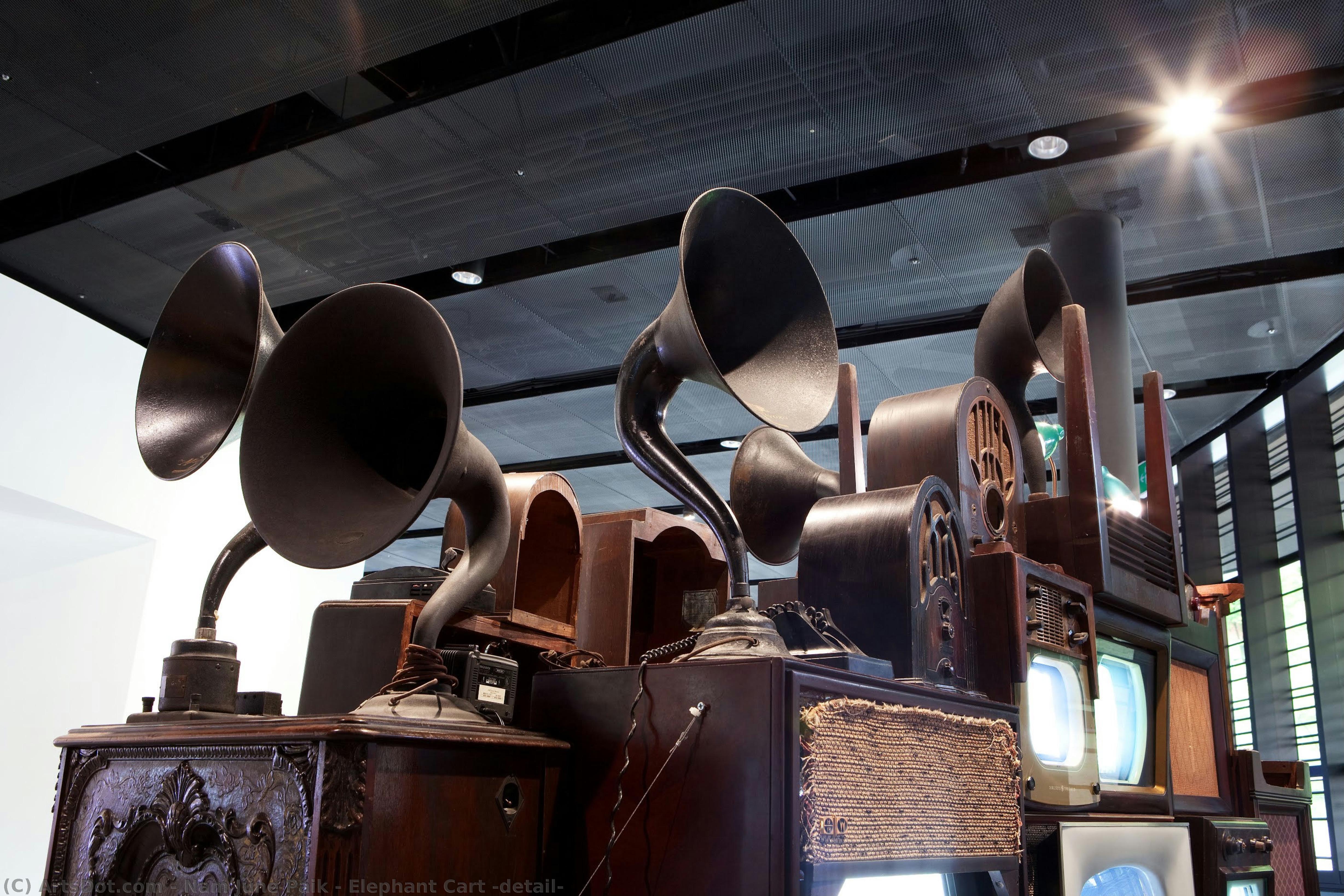
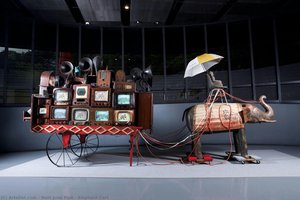
Elephant Cart (detail)


 Read More
Hand Made Oil Reproduction
Hand-painted oil on canvas in your size and frame, made to order by our artists. ( Buy Print Buy Image)




































Pick from our preset sizes that match the artwork's original proportions.

You may enter your own dimensions to fit a specific frame or space. If your selected size does not match the original image's proportions, we will either crop the artwork or extend the painting with additional hand-painted elements. A digital mockup will be sent for your approval before production begins.
Please note that the on-screen preview does not reflect the actual cropping or extension. Only the mockup will accurately show the final composition.
While custom sizes are available, we recommend selecting a dimension from the predefined list to preserve the original proportions.
After order, ArtsDot.com team will email client for instructions and provide a mockup preview
Worldwide Delivery () in 3/4 weeks instead of standard 5 weeks. (24 August). No compromise on quality.

Free Worldwide Express Shipping

High-Quality Linen Canvas

Full Shipping Insurance

Customs Tax Refund Guarantee

True Color Matching Guarantee

60-Day Return Policy (Defects Only)

100% Money-Back Guarantee

Bulk Discount Offer
 Glass option is only available in size under 110 CM

Elephant Cart (detail)
Reproduction Medium
Reproduction Size
-


Total Price
$ 263
Artwork Description
A Symphony of Silicon and Soul
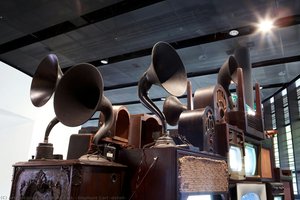
In the vast landscape of contemporary art, few works possess the evocative power to bridge the chasm between ancient tradition and the digital frontier as masterfully as Nam June Paik’s Elephant Cart. This profound installation, conceived between 1999 and 2001, serves as a mesmerizing meditation on the relentless flow of time and the transmission of culture. At its heart, the piece presents a striking juxtaposition: a meticulously crafted wooden elephant, embodying the weight of history and wisdom, supporting a serene Buddha statue atop a mobile dolly. This is not merely a sculptural arrangement; it is a deliberate dialogue between the organic and the electronic, inviting viewers to contemplate how our technological advancements reshape the very fabric of human memory.
The visual language of the work is one of beautiful contradiction. Paik utilizes a diverse array of materials to create a sensory experience that is both tactile and conceptual. The elephant, rendered with an almost archaic, grounded quality, provides a sturdy foundation for the more ephemeral elements of the piece. As the eye wanders across the composition, it encounters the vibrant, chaotic energy of red electric wires that snake between the dolly and various television monitors. This use of technological detritus—including antique television sets, radios, and gramophone speakers—creates a rhythmic tension. The technique suggests a mastery of assemblage, where the artist breathes life into obsolete objects, transforming them from relics of the past into active participants in a modern narrative.
The Pulse of Global Connectivity
To understand the emotional resonance of Elephant Cart, one must look to the historical currents that shaped Nam June Paik’s vision. As a pioneer of video art and a key figure in the Fluxus movement, Paik lived through an era of unprecedented globalization. His personal journey—from the upheaval of the Korean War to his emergence as a global visionary in New York—is etched into the very essence of this work. The piece acts as a vessel for the "electronic superhighway," a term Paik famously coined, reflecting his foresight regarding a world interconnected by invisible signals. By incorporating much-loved, older technologies, he creates a sense of nostalgia that is never purely sentimental; instead, it is a provocative inquiry into how much of our heritage survives the transition into the digital age.
For the discerning collector or interior designer, this artwork offers more than just visual intrigue; it provides a profound intellectual anchor for any space. The symbolism of the elephant—representing strength, longevity, and the enduring nature of wisdom—intertwines with the flickering light of the monitors to suggest that while media may change, the human desire to communicate remains constant. It is a piece that commands attention through its complexity, offering layers of meaning that reveal themselves upon repeated viewing. Whether placed in a contemporary gallery setting or a sophisticated private study, Elephant Cart serves as a captivating centerpiece, inspiring deep reflection on our place within the ever-evolving stream of human history and technological progress.
Related Artworks
Artist Biography
A Pioneer of the Electronic Landscape
Nam June Paik, a name synonymous with the birth of video art, was more than just an artist; he was a visionary who foresaw and then sculpted the burgeoning relationship between humanity and technology. Born in Seoul, Korea, in 1932, his life unfolded against a backdrop of immense geopolitical shifts – from the turmoil of the Korean War to the rise of global communication networks. This context profoundly shaped his artistic trajectory, fueling a relentless exploration of how electronic media could redefine perception, challenge convention, and ultimately, connect us all. Paik’s early life was steeped in privilege; his father owned a successful textile firm, affording him classical piano training from a young age – a discipline that instilled within him a deep understanding of structure, harmony, and the power of performance. However, the outbreak of the Korean War irrevocably altered this trajectory, forcing his family into exile, first to Hong Kong and then Japan. This displacement wasn’t merely a personal hardship; it was an awakening to the fragility of culture and the transformative potential of communication in a rapidly changing world.From Fluxus Provocations to Electronic Experimentation
Paik's intellectual journey continued with studies at the University of Tokyo, where he penned a thesis on Arnold Schoenberg, revealing an early fascination with avant-garde composition and its disruption of traditional forms. He then moved to West Germany, immersing himself in the burgeoning European art scene and studying music history at Munich University. It was here that his path converged with key figures who would profoundly influence his artistic development: Karlheinz Stockhausen, John Cage, George Maciunas, Joseph Beuys, and Wolf Vostell. This encounter led to his involvement with Fluxus in 1962, a radical art movement that championed conceptualism, chance operations, and the integration of everyday life into artistic practice. Paik’s early performances were often deliberately provocative, challenging audiences and blurring the boundaries between art and reality. A notorious incident involved disrupting a piano recital by attacking fellow artists – a gesture emblematic of Fluxus's rejection of established norms. However, it was his experimentation with television that truly set him apart. In 1963, at "Exposition of Music-Electronic Television" in Wuppertal, Germany, Paik began manipulating televisions using magnets, creating distorted and mesmerizing images – a pivotal moment marking the genesis of video art. This exploration wasn’t simply about altering an image; it was about deconstructing the very medium itself, revealing its inherent plasticity and potential for artistic expression. Collaborating with engineers Hideo Uchida and Shuya Abe, he developed the Abe-Paik Video Synthesizer, a crucial tool that allowed him to manipulate video signals in unprecedented ways, laying the groundwork for his future innovations.Collaboration, Performance, and the Expanding Canvas
A defining chapter in Paik’s artistic life was his collaboration with cellist Charlotte Moorman. Their partnership transcended conventional boundaries, resulting in groundbreaking performance pieces that fused music, video, and sculpture. Perhaps their most iconic creation was "TV Cello" (1971), a work featuring televisions arranged in the shape of a cello, blurring the lines between instrument and image. These performances were often daring and politically charged, pushing societal limits and occasionally leading to arrests – notably during “Opéra Sextronique” (1967). The introduction of Sony’s Portapak in 1965 proved revolutionary, granting Paik unprecedented mobility and control over video recording. He could now capture images outside the studio, transforming everyday life into raw artistic material. This newfound freedom allowed him to explore themes of identity, communication, and the impact of mass media on society with greater immediacy and intimacy. It was during this period that he coined the term “electronic superhighway,” a prescient vision anticipating the interconnectedness of global telecommunications networks – a concept that would later become synonymous with the "information superhighway."Legacy and Enduring Influence
Paik’s artistic output extended far beyond performance and early video installations. Works like “Electronic Superhighway” (1974), a sprawling multimedia installation, visually mapped out the potential for global communication, while “TV Buddha” (1974 onwards) – featuring a Buddha statue contemplating its own image on a closed-circuit television – offered a poignant meditation on self-reflection and the pervasive influence of technology. "Media Shuttle: New York - Moscow" (1978), created with Dimitri Devyatkin, used video to compare life in two vastly different cities during the Cold War, highlighting both commonalities and contrasts. Nam June Paik’s contribution to art history is immeasurable. He didn't merely adopt television as a medium; he transformed it into an artistic tool, challenging its passive nature and unlocking its potential for creative expression. His work anticipated many aspects of our technologically mediated world, solidifying his place as one of the most influential artists of the 20th century. He paved the way for countless artists working with digital media, video installations, and interactive technologies, leaving behind a legacy that continues to inspire and provoke thought in an increasingly interconnected age. His vision wasn’t simply about predicting the future; it was about actively shaping it through art – a testament to his enduring power and relevance.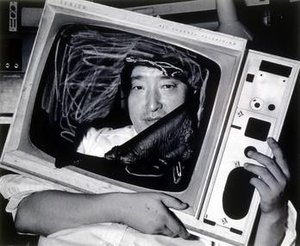
Nam June Paik
1932 - 2006 , South Korea
Quick Facts
- Artistic Movement Or Style: Video Art, Fluxus
- Artists Or Movements Influenced By This Artist: Digital Art, Video Installation
- Artists Who Influenced This Artist:
- John Cage
- Karlheinz Stockhausen
- Joseph Beuys
- Date Of Birth: 1932
- Date Of Death: 2006
- Full Name: Nam June Paik
- Nationality: Korean American
- Notable Artworks:
- Zen for TV
- Megatron Matrix
- T.V. Clock
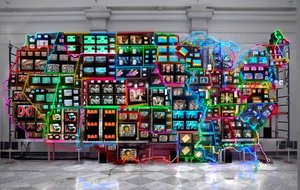
- Electronic Superhighway
- TV Buddha
- Place Of Birth: Seoul, South Korea
Related Articles

Bronze Sculptures That Defined Art History | ArtsDot
Journey through art history with our Top 10 bronze sculptures! Explore masterpieces by Rodin, Michelangelo & more. Discover stories behind iconic statues and find museum-quality reproductions for your home decor at ArtsDot.com.

The Enduring Form: Exploring Themes & Techniques in Sculpture Across Historical Periods
Explore the rich history of sculpture from ancient masterpieces to contemporary innovations. Discover key techniques, influential artists & investment potential for discerning art collectors.

The Enduring Form: Sculpture Across History, Technique & Emotional Resonance
Explore the rich history of sculpture with ArtsDot. Discover key techniques, influential artists & investment potential for discerning collectors. Expert insights into valuing and collecting timeless masterpieces.

Bronze Age to Modern Masters: 10 Sculptures That Redefined Art | ArtsDot
Journey through art history with 10 legendary bronze sculptures – from Michelangelo's David to Rodin’s Thinker. Explore the stories, techniques & timeless beauty of these masterpieces. Find museum-quality reproductions & elevate your home decor on ArtsDot.com.
The Enduring Legacy of Bronze Sculpture: History, Techniques & Contemporary Interpretations
Explore the rich history & enduring appeal of bronze sculpture. Learn about casting techniques, iconic artists, collecting tips, & contemporary interpretations. Expert insights for discerning art collectors.