 Preview
 Send
Send Share
Share
 Details

 Download
 Similars
 X-Ray
X-Ray Diaporama
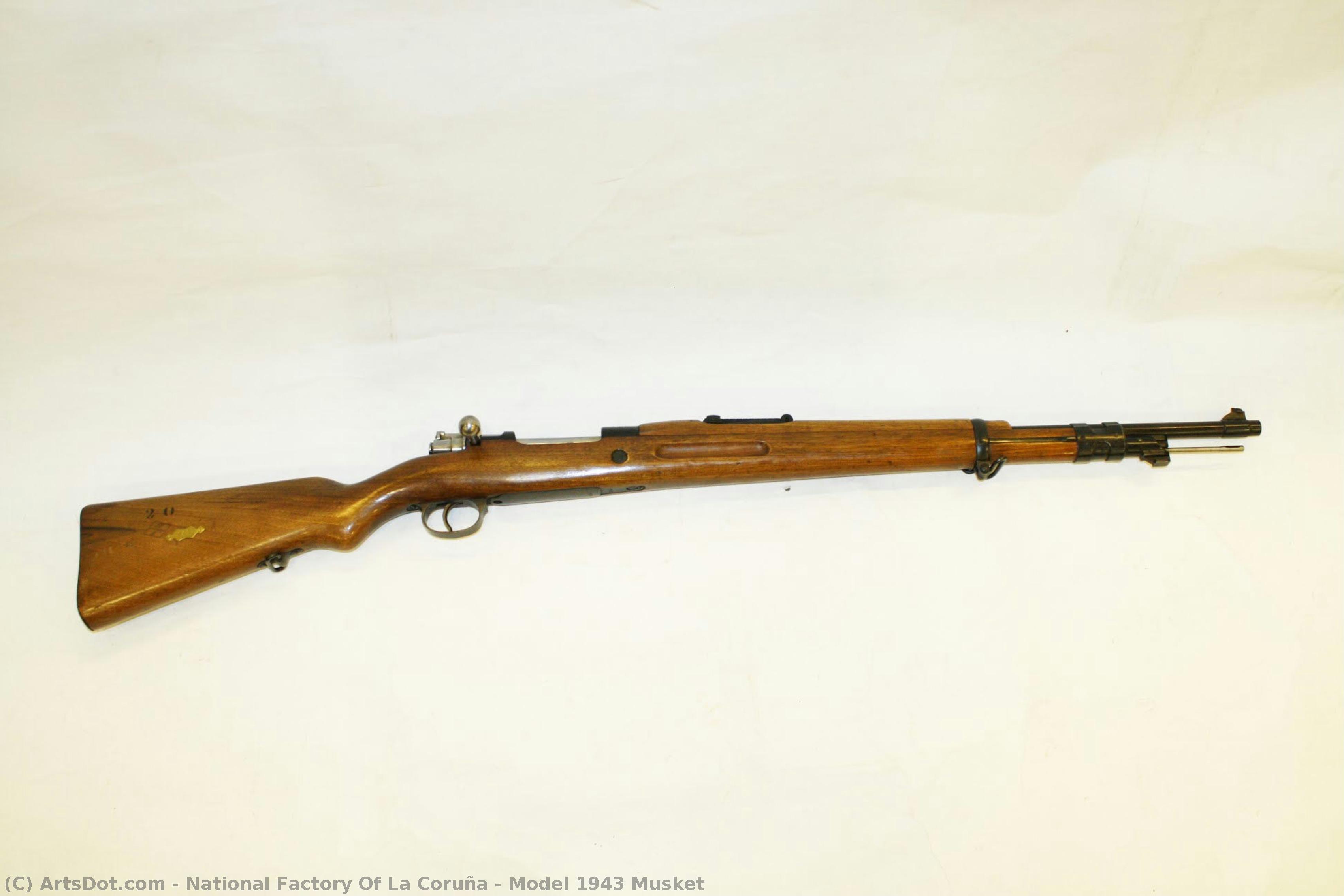
Model 1943 Musket


 Read More
Giclée / Art Print
Museum-quality giclée or canvas print with fast production and flexible finish options. ( Buy Hand Made Painting Buy Image)




































Pick from our preset sizes that match the artwork's original proportions.

You may enter your own dimensions to fit a specific frame or space. If your selected size does not match the original image's proportions, we will either crop the artwork or extend the image with a mirrored or solid-fill edge. A digital mockup will be sent for your approval before production begins.
Please note that the on-screen preview does not reflect the actual cropping or extension. Only the mockup will accurately show the final composition.
While custom sizes are available, we recommend selecting a dimension from the predefined list to preserve the original proportions.
Worldwide Delivery () in 2 weeks instead of standard 4/5 weeks. (30 August)

Free Worldwide Express Shipping

High-Quality Linen Canvas

Full Shipping Insurance

Customs Tax Refund Guarantee

True Color Matching Guarantee

60-Day Return Policy (Defects Only)

100% Money-Back Guarantee

Bulk Discount Offer
 Glass option is only available in size under 110 CM

Model 1943 Musket
Giclée / Art Print
Reproduction Size
-


Total Price
$ 63
Related Artworks






Artist Biography
The National Factory of La Coruña: A Bastion of Spanish Arms Production
The National Factory of La Coruña, or Fábrica Nacional de la Coruña in its native tongue, represents more than just a manufacturing facility; it embodies a significant chapter in Spain’s industrial and military history. Established in 1805 by King Charles IV as the Royal Arms Factory of La Coruña, its origins are deeply intertwined with the nation's efforts to achieve self-sufficiency in arms production during a period of intense European conflict. Initially conceived to reduce reliance on foreign imports – particularly from Great Britain and France – the factory quickly became pivotal in equipping the Spanish army and navy. The early decades were marked by challenges; establishing skilled labor, procuring raw materials, and mastering complex manufacturing processes proved arduous tasks. However, through dedicated investment and the recruitment of expert artisans, the Factory steadily gained momentum.
The 19th century witnessed a period of fluctuating fortunes for the factory, mirroring Spain’s own political instability. Periods of royal patronage were often followed by neglect during times of revolution or economic hardship. Despite these setbacks, the facility continued to produce muskets, cannons, and other essential weaponry, adapting its designs based on evolving military technologies. The transition from flintlock to percussion mechanisms was a key area of development, requiring significant retooling and training. Throughout this era, the Factory served as a crucial employer in the La Coruña region, fostering a community deeply connected to its operations. It wasn’t merely a place of work but a cornerstone of local identity.
The 20th Century: Modernization and Expansion
The dawn of the 20th century brought about a renewed focus on modernization for the National Factory. The Spanish-American War of 1898 highlighted deficiencies in Spain’s military equipment, prompting substantial investment in upgrading production capabilities. This led to the adoption of more advanced manufacturing techniques and the introduction of new weaponry designs, including Mauser rifles – which became synonymous with Spanish arms production. The factory played a critical role during both World Wars, supplying weapons and ammunition despite Spain's official neutrality. The interwar period saw an expansion of its product line beyond traditional firearms to include small arms components and other military hardware.
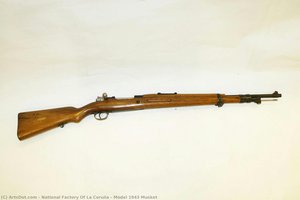
Following the Spanish Civil War (1936-1939), the Factory underwent significant restructuring under the Franco regime. It became a key component of Spain’s rearmament program, focusing on domestic production to reduce dependence on external suppliers. This period saw increased state control and a drive for self-sufficiency in all aspects of arms manufacturing. The Model 1943 Musket, one of its most recognizable products, exemplifies this era – a robust, reliable firearm designed for mass production and widespread use within the Spanish armed forces. The Factory also diversified into civilian markets, producing hunting rifles and sporting shotguns alongside military contracts.
Legacy and Historical Significance
Today, while no longer operating as a primary arms manufacturer in its original capacity, the legacy of the National Factory of La Coruña endures. It stands as a testament to Spain’s long-standing ambition for industrial independence and military strength. The factory's contributions extended beyond simply providing weaponry; it fostered technological innovation, created employment opportunities, and played a vital role in shaping the nation’s defense policies.
- Technological Advancement: The Factory consistently adapted to evolving firearms technology, transitioning from flintlock muskets to percussion rifles and eventually adopting Mauser designs. This demonstrated a commitment to modernization and innovation within Spanish arms production.
- Economic Impact: The facility served as a major employer in the La Coruña region for over two centuries, fostering a community deeply connected to its operations and contributing significantly to the local economy.
- National Self-Sufficiency: The Factory’s primary goal was always to reduce Spain's reliance on foreign arms imports, promoting national self-sufficiency in military hardware.
- Symbol of Spanish Industry: The National Factory became a symbol of Spanish industrial capability and resilience, representing the nation’s efforts to establish itself as a major player in European manufacturing.
The story of the National Factory of La Coruña is not merely one of guns and ammunition; it's a narrative woven with threads of political ambition, economic hardship, technological progress, and national identity. It remains an important historical landmark, offering valuable insights into Spain’s complex past and its enduring pursuit of self-reliance.
Quick Facts
- Date Of Death: Living
- Full Name: National Factory of La Coruña
- Notable Artworks: ['Model 1943 Musket']