 Preview
 Send
Send Share
Share
 Details

 Download
 Similars
 X-Ray
X-Ray Diaporama
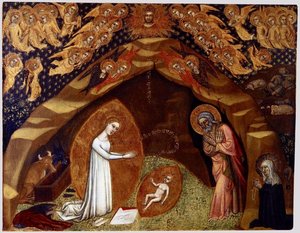
St Bridget and the Vision of the Nativity
 Acrylic On Canvas
- WallArt
- Baroque Interior
 44.0 x 54.0 cm
 Pinacoteca
 Read More
Giclée / Art Print
Museum-quality giclée or canvas print with fast production and flexible finish options. ( Buy Hand Made Painting Buy Image)




P118B $10

P118H $10

P118W $10

P438Z $10

P508JH $12

P508YH $12

P805H $10

P805Z $10

P919BZ $10

P919G $10

P919XJ $10

P959ZH $10

P968JZ $12

W106C $8

W218G $10

W218JH $8

W218Y $10

W307PJ $10

W316G $10

W316PJ $8

W316Y $10

W398PJ $8

W4111J $10

W500HY $15

W500JH $15

W692G $12

W849H $8

W940BG $15

W953PJ $8




Pick from our preset sizes that match the artwork's original proportions.

You may enter your own dimensions to fit a specific frame or space. If your selected size does not match the original image's proportions, we will either crop the artwork or extend the image with a mirrored or solid-fill edge. A digital mockup will be sent for your approval before production begins.
Please note that the on-screen preview does not reflect the actual cropping or extension. Only the mockup will accurately show the final composition.
While custom sizes are available, we recommend selecting a dimension from the predefined list to preserve the original proportions.
Worldwide Delivery () in 2 weeks instead of standard 4/5 weeks. (27 August)

Free Worldwide Express Shipping

High-Quality Linen Canvas

Full Shipping Insurance

Customs Tax Refund Guarantee

True Color Matching Guarantee

60-Day Return Policy (Defects Only)

100% Money-Back Guarantee

Bulk Discount Offer
 Glass option is only available in size under 110 CM

St Bridget and the Vision of the Nativity
Giclée / Art Print
Reproduction Size
-


Total Price
$ 63
Niccolò Di Tommaso’s “Saint Bridget and the Vision of the Nativity”: A Window into Florentine Baroque Interior Decoration
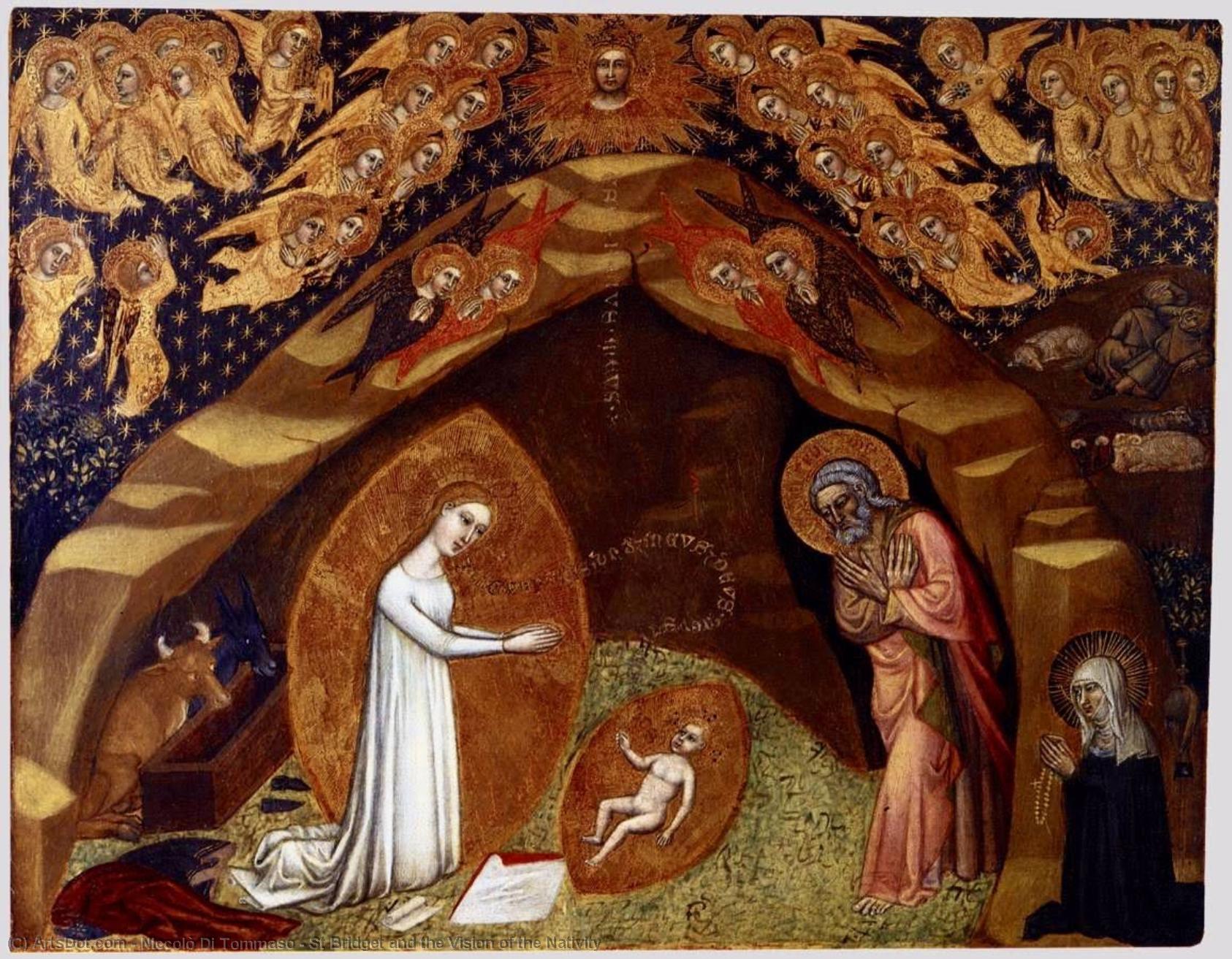
The painting "Saint Bridget and the Vision of the Nativity," attributed to Niccolò Di Tommaso, stands as a remarkable testament to the artistic sensibilities of Florence during the Baroque period. Executed around 1375-1376, this artwork resides within the Pinacoteca Vaticana, offering viewers an intimate glimpse into the opulent tastes and spiritual fervor of Renaissance Italy. More than just a depiction of religious iconography—the Virgin Mary cradling Jesus—it embodies a sophisticated understanding of artistic technique and serves as a compelling illustration of the broader cultural landscape of its time.- Subject Matter: The central focus is undeniably the Nativity scene, portraying Saint Bridget receiving divine inspiration regarding the birth of Christ. Angels surround Mary and Jesus, emphasizing the sanctity of the event and highlighting the importance of faith within Christian belief.
- Style & Technique: Di Tommaso’s approach aligns closely with the Baroque aesthetic—characterized by dramatic lighting, rich colors, and meticulous attention to detail. He skillfully employs tempera paint on silk and satin panels, a technique favored for interior decoration during this era. The resulting surface possesses an unparalleled luminosity and smoothness, achieved through painstaking polishing – a hallmark of Florentine craftsmanship.
- Composition & Color Palette: Di Tommaso’s compositional choices are deliberate, creating a sense of grandeur and serenity within the confined space of the grotto depicted. The dominant colors—primarily creamy yellows and muted browns—reflect the prevailing fashion trends of the period, mirroring the use of satin fabrics in aristocratic residences.
- Historical Context: Created during Saint Bridget’s pilgrimage to Jerusalem, this painting captures a pivotal moment in Christian history and reflects the fervent piety prevalent throughout Europe at the time. It exemplifies the Baroque preoccupation with conveying emotion and spiritual experience through visual representation—a reaction against the more restrained artistic conventions of earlier centuries.
- Symbolism: Beyond its narrative depiction of the Nativity, the painting is laden with symbolic significance. The book positioned prominently near the bottom center symbolizes sacred scripture and underscores the importance of theological contemplation. Furthermore, the angelic figures represent divine grace and guidance, reinforcing the overarching theme of spiritual devotion.
Technical Specifications
Size: 44 x 54 cm Date: UnknownRelated Artworks
Artist Biography
Early Life and Florentine Beginnings
Niccolò di Tommaso, a name resonating softly within the annals of fourteenth-century Italian painting, emerged in Florence around 1346. Documented as joining the Arte dei Medici e Speziali – the guild encompassing painters at that time – his early career unfolded amidst the burgeoning artistic energy of the city. While details of his personal life remain elusive, the records paint a picture of an artisan diligently establishing himself within the established Florentine art world. It was in these formative years that the influence of Maso di Banco began to subtly shape his style, a grounding presence evident in the solidity and clarity of his figures.
However, Niccolò wasn’t destined for solitary development. A pivotal collaboration with Nardo di Cione around 1370 proved transformative. Their combined efforts on the Strozzi Chapel within Santa Maria Novella represent a crucial juncture in Niccolò's artistic trajectory. This project exposed him to a broader palette of expression and refined his narrative skills, laying the foundation for his subsequent independent endeavors. The chapel’s frescoes, though a collective undertaking, bear traces of Niccolò’s emerging hand – a sensitivity to detail and an increasing confidence in depicting emotional nuance.
Expanding Horizons: Naples and Pistoia
The year 1370 also marked Niccolò's first documented foray beyond Florence, with work undertaken at the church of San Giovanni Fuorcivitas in Pistoia. This commission signaled a growing reputation and an expanding network of patronage. But it was his journey to Naples in 1371 that truly broadened his artistic scope. There, he accepted the challenging task of creating a polyptych for the church of Sant’Antonio Abate. The Neapolitan commission demanded adaptation – a shift from the distinctly Florentine aesthetic towards a style more attuned to the Southern Italian sensibilities of the court of Joanna I.
Upon his return to Tuscany, Niccolò embarked on what is considered one of his most significant achievements: the fresco cycle for the Convento del Tau in Pistoia. This undertaking allowed him full artistic control and showcased a maturity that distinguished him as a leading painter of his generation. The frescoes at Tau are not merely decorative; they are imbued with a profound spiritual intensity, reflecting Niccolò’s growing mastery of narrative composition and emotional expression.
A Synthesis of Influences and Artistic Style
Niccolò di Tommaso's art is characterized by a compelling synthesis of influences. The foundational solidity inherited from Maso di Banco provided a structural framework for his compositions, while the collaborative experience with Nardo di Cione instilled a refined sense of color and narrative clarity. However, Niccolò wasn’t simply an imitator; he possessed a unique ability to blend these elements with a growing personal sensibility.
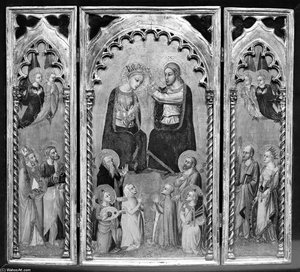
His figures, though grounded in realistic proportions, are often imbued with a gentle grace and emotional depth. He demonstrated a particular skill in depicting religious scenes – notably the Coronation of the Virgin, now housed in the Accademia in Venice, and the harrowing Massacre of the Innocents, preserved in the Uffizi Gallery in Florence. These works reveal a nuanced understanding of human emotion, conveyed through subtle gestures and expressive facial features. The Madonna del Parto within the church of San Lorenzo, Florence, further exemplifies his sensitivity to maternal tenderness and spiritual devotion.
Legacy and Historical Significance
While Niccolò di Tommaso may not be as widely celebrated as some of his contemporaries, his contribution to the development of Florentine painting is undeniable. He stands as a crucial link between the traditions of the early Trecento and the emerging innovations of the Renaissance. His prolific output – over fifty pictures are now attributed to him – testifies to his industriousness and sustained demand from patrons across Tuscany and beyond.
His work offers valuable insight into the artistic exchange between Florence, Naples, and other Italian centers during a period of significant cultural transformation. Niccolò’s ability to adapt his style to diverse regional preferences while maintaining a distinct personal voice underscores his importance as a versatile and accomplished painter. He represents a generation of artists who skillfully navigated the complexities of patronage, tradition, and innovation, leaving behind a legacy of devotional art that continues to resonate with viewers today.
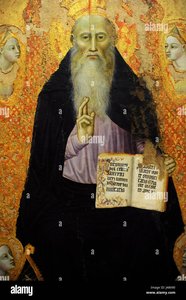
niccolò di tommaso
1346 - 1376 , Italy
Quick Facts
- Artistic Movement Or Style: Early Renaissance
- Artists Or Movements Influenced By This Artist: ['Maso di Banco']
- Artists Who Influenced This Artist:
- Maso di Banco
- Nardo di Cione
- Date Of Birth: Florence, Italy (1346)
- Full Name: Niccolò di Tommaso
- Nationality: Italian
- Notable Artworks:
- San Niccolò In Prato-affresco Sala Consiliare
- Virgin Mary
- Massacre of Innocents
- Coronation of the Virgin
- Saint Bridget and the Vision of the Nativity
- Place Of Birth: Florence
Related Articles

Giotto's Masterpieces: 25 Renaissance Artworks for Your Home | ArtsDot
Explore 25 breathtaking artworks by Giotto di Bondone, a Renaissance master. Discover the stories behind iconic frescoes & paintings like the Scrovegni Chapel cycle. Find museum-quality Giotto reproductions and elevate your home decor with ArtsDot.com.
Illuminating Surfaces: A Comprehensive Exploration of Tempera on Panel Painting Techniques & Historical Significance
Explore the rich history & techniques of tempera painting! Discover Renaissance masters like Botticelli & Fra Angelico, conservation insights, and the enduring legacy of this captivating art form. Learn more now!
Illuminating History: A Comprehensive Exploration of Tempera Painting Techniques & Artistic Legacy
Explore the rich history & techniques of tempera painting! Discover Renaissance masters like Botticelli & Fra Angelico, conservation insights, and the enduring legacy of this captivating art form.
Tempera's Timeless Legacy: 10 Masterpieces That Revolutionized Art | ArtsDot
Journey through 10 legendary tempera on panel masterpieces by Giotto, Duccio & Botticelli. Explore the history, symbolism & enduring beauty of these iconic artworks. Find museum-quality reproductions for your home at ArtsDot.com.
La Biennale's Masterpieces: 25 Artworks to Inspire Your Home | ArtsDot
Explore 25 iconic artworks from La Biennale di Venezia! Discover the stories behind masterpieces of Italian art, modernism & Renaissance paintings. Find museum-quality reproductions and elevate your home decor with ArtsDot.com. Explore the full collection online.