 Preview
 Send
Send Share
Share
 Details

 Download
 Similars
 X-Ray
X-Ray Diaporama
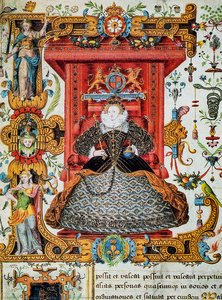
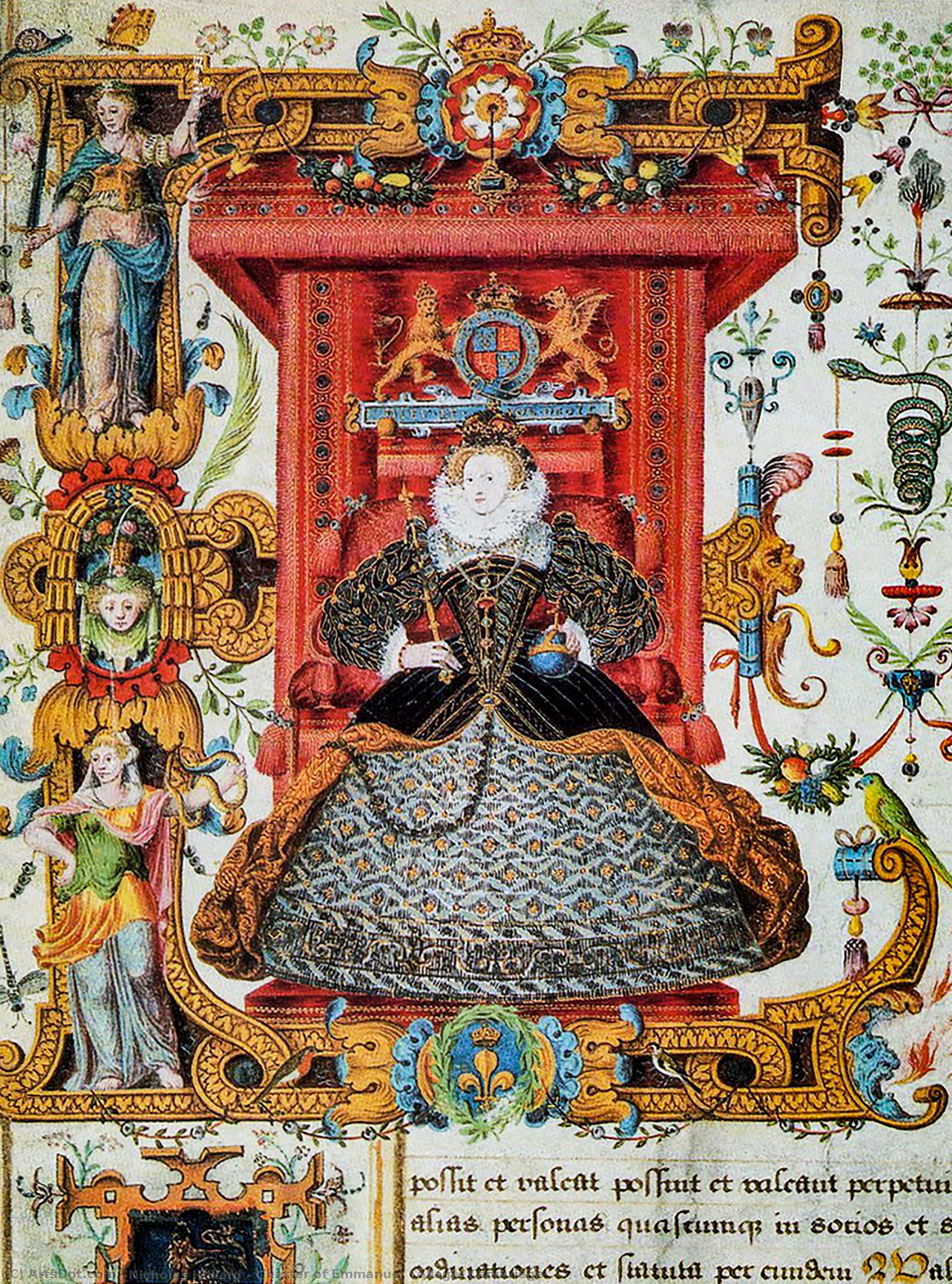
Charter of Emmanuel College, Cambridge


 Read More
Giclée / Art Print
Museum-quality giclée or canvas print with fast production and flexible finish options. ( Buy Hand Made Painting Buy Image)




P118B $10

P118H $10

P118W $10

P438Z $10

P508JH $12

P508YH $12

P805H $10

P805Z $10

P919BZ $10

P919G $10

P919XJ $10

P959ZH $10

P968JZ $12

W106C $8

W218G $10

W218JH $8

W218Y $10

W307PJ $10

W316G $10

W316PJ $8

W316Y $10

W398PJ $8

W4111J $10

W500HY $15

W500JH $15

W692G $12

W849H $8

W940BG $15

W953PJ $8




Pick from our preset sizes that match the artwork's original proportions.

You may enter your own dimensions to fit a specific frame or space. If your selected size does not match the original image's proportions, we will either crop the artwork or extend the image with a mirrored or solid-fill edge. A digital mockup will be sent for your approval before production begins.
Please note that the on-screen preview does not reflect the actual cropping or extension. Only the mockup will accurately show the final composition.
While custom sizes are available, we recommend selecting a dimension from the predefined list to preserve the original proportions.
Worldwide Delivery () in 2 weeks instead of standard 4/5 weeks. (22 August)

Free Worldwide Express Shipping

High-Quality Linen Canvas

Full Shipping Insurance

Customs Tax Refund Guarantee

True Color Matching Guarantee

60-Day Return Policy (Defects Only)

100% Money-Back Guarantee

Bulk Discount Offer
 Glass option is only available in size under 110 CM

Charter of Emmanuel College, Cambridge
Giclée / Art Print
Reproduction Size
-


Total Price
$ 63
Collectible Description
A Glimpse into Elizabethan Splendor
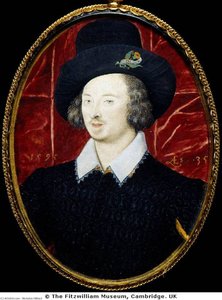
In the delicate strokes of Nicholas Hilliard, we find more than mere pigment on a surface; we encounter the very soul of the Tudor court. The Charter of Emmanuel College, Cambridge serves as a breathtaking window into an era defined by meticulous craftsmanship and profound symbolic depth. At first glance, the viewer is drawn into a scene of quiet, aristocratic elegance, where a central figure sits poised in a moment of stillness. The composition is anchored by a rich, crimson backdrop that radiates warmth and authority, framing the subject with a regal intensity that commands immediate attention. This is not merely a portrait, but a carefully constructed narrative of status, devotion, and the refined aesthetics of late 16th-century England.
The artistry of Hilliard, a master miniaturist whose roots lay in the precision of goldsmithing, is evident in every intricate detail. The painting breathes with a life that transcends its historical era, inviting the observer to linger on the fine textures of the subject's fancy dress and the delicate arrangement of the surrounding elements. There is a rhythmic dance of light and shadow across the scene, where objects such as a solitary bird, a polished cup, and an ornate vase are not merely decorative afterthoughts but essential components of a larger symbolic language. For the discerning collector or interior designer, this piece offers a sophisticated focal point, bringing a sense of historical weight and classical grace to any curated space.
Symbolism and the Art of Detail
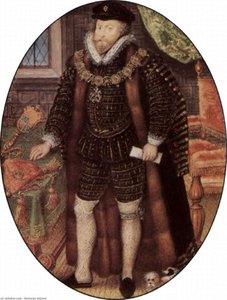
To gaze upon this work is to engage in a silent dialogue with the past. Hilliard was a virtuoso of the "limning" technique, where every minute detail carries an emotional or social weight. The presence of various figures—some standing in watchful attendance and others seated in contemplative repose—creates a layered social landscape that reflects the hierarchical complexities of the Elizabethan age. The inclusion of specific objects, such as the bowl and the intricate designs surrounding the central figure, suggests a world where beauty and meaning are inseparable. Each element acts as a metaphor for virtue, wealth, or academic prestige, making the piece an intellectual treasure as much as a visual one.
For those seeking to incorporate fine art into a modern interior, this reproduction offers an unparalleled opportunity to evoke a sense of timelessness. The deep reds and intricate patterns provide a luxurious texture that complements both contemporary minimalism and traditional, opulent decor. It is a piece that does not merely occupy a wall; it transforms a room, acting as a conversation starter that bridges the gap between the golden age of English portraiture and the sophisticated tastes of the present day. Owning such a work is an invitation to surround oneself with the enduring spirit of excellence and the exquisite artistry of a master who captured the very essence of an empire.
Related Artworks


Artist Biography
A Goldsmith’s Son and the Soul of Elizabethan England
Nicholas Hilliard, a name inextricably linked to the refined elegance of the Elizabethan age, emerged from humble beginnings in Exeter around 1547. His father, Richard Hilliard, was a staunchly Protestant goldsmith, a profession that undoubtedly instilled in young Nicholas an appreciation for meticulous craftsmanship and the allure of precious materials. This early exposure to the jeweler’s art would profoundly shape his future artistic endeavors. The family's religious convictions led to a period of exile during Queen Mary I’s reign, with Hilliard accompanying John Bodley’s household to Geneva at the tender age of ten. This formative experience not only provided him with fluency in French but also immersed him in the heart of Calvinism – influences that would subtly permeate his artistic worldview. Even as a boy, Hilliard demonstrated an extraordinary talent; accounts suggest he painted a self-portrait at thirteen and was credited with a portrait of Mary, Queen of Scots, by the age of eighteen, hinting at a precocious gift for capturing likenesses. His formal training began with Robert Brandon, the queen’s jeweller, and likely included tutelage under Levina Teerlinc, a renowned manuscript illuminator, bridging the gap between goldsmithing, illumination, and the emerging art of portraiture. Becoming a freeman of the Worshipful Company of Goldsmiths in 1569 solidified his position within London’s artistic community, yet it was his burgeoning talent as a *limner* – a painter of miniatures – that would ultimately define his legacy.Royal Patronage and Artistic Flourishing
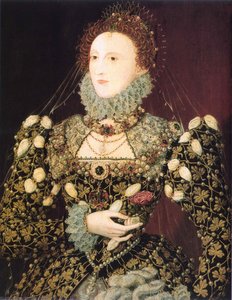
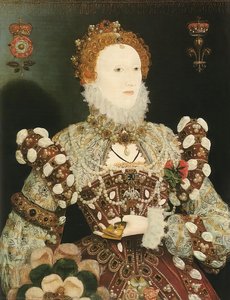
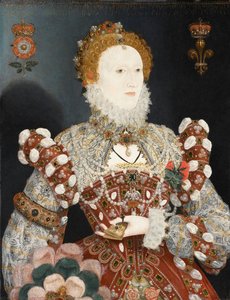
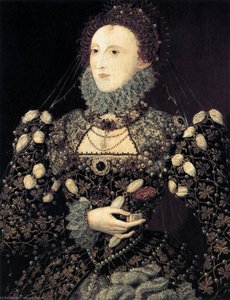
The establishment of a workshop with his younger brother John marked the beginning of Hilliard's professional life, further cemented by his marriage to Alice Brandon, daughter of his former master, in 1576. However, it was his appointment as limner and goldsmith to Elizabeth I that propelled him into the heart of the Elizabethan court. While the exact date remains unknown, his association with the Queen began around 1572, evidenced by early miniatures depicting her regal presence. A lease reversion granted by the Queen in 1573 acknowledged his “good, true, and loyal service,” a testament to the growing esteem in which he was held. Prior to this royal favor, Hilliard had already begun to develop his distinctive style, as seen in works like the "Phoenix" and "Pelican" portraits (circa 1572-76). A pivotal moment came with the creation of a “booke of portraitures” for Robert Dudley, Earl of Leicester, in 1571, which likely paved the way for his court appointment. A sojourn to France from 1576 to 1579 exposed him to new artistic currents and secured patronage from the Duc d'Alençon, broadening his horizons and refining his technique before returning to England to fully embrace his role as the Queen’s favored artist. This period abroad was crucial in shaping his understanding of courtly portraiture and allowed him to refine a style that would become uniquely English.The Art of Miniature: Style and Symbolism
Nicholas Hilliard revolutionized English portraiture through his mastery of the miniature form. Eschewing large-scale canvases, he focused on exquisitely detailed oval portraits, typically ranging up to ten inches in height – what are now known as cabinet miniatures. He also produced a smaller number of larger half-length panel portraits of Elizabeth I, but it was the intimacy and portability of his miniatures that truly captured the spirit of the age. While technically conservative compared to contemporary European styles, Hilliard’s work possessed a unique freshness and charm. His skill in capturing likenesses was unparalleled, yet he went beyond mere representation, imbuing each portrait with symbolic elements that spoke volumes about the sitter's status, beliefs, and aspirations. The miniatures were not simply images; they were treasured mementos, tokens of affection, often worn as pendants or incorporated into jewelry – intimate objects meant to be held close to the heart. Hilliard’s technique involved meticulous layering of watercolor on vellum, creating a luminous quality that seemed to bring his subjects to life. He was particularly adept at rendering textures—the sheen of silk, the glint of jewels, the delicate flush of skin—with astonishing realism. The use of symbolism was also paramount; pearls represented purity, rubies signified passion, and specific flowers conveyed hidden meanings, adding layers of complexity to his portraits.A Lasting Legacy: The Mirror to an Era
Nicholas Hilliard is rightfully regarded as the “central artistic figure of the Elizabethan age.” His portraits offer invaluable visual records of the courts of Elizabeth I and James I, immortalizing figures like Queen Elizabeth herself, Robert Dudley, Sir Walter Raleigh, and countless other prominent individuals. More than just historical documents, however, his works provide a profound insight into the cultural values and aesthetic preferences of the time. He established a distinctive style of portrait miniature that profoundly influenced subsequent generations of English artists, shaping the course of English art for decades to come. His ability to blend realism with idealism, coupled with his masterful use of symbolism, created portraits that were both captivating and deeply meaningful. Despite facing ongoing financial difficulties throughout his career, Hilliard continued to work until his death before January 7, 1619. His legacy endures not only in the exquisite detail and psychological insight of his miniatures but also in their ability to transport us back to a bygone era—a world of courtly intrigue, religious fervor, and artistic innovation. Hilliard’s art remains a unique window into Tudor and Stuart England, offering a glimpse into the souls of those who shaped its destiny, and solidifying his place as one of Britain's most important artists. His work truly reflects the world of Shakespeare’s earlier plays.Notable Works & Continued Influence
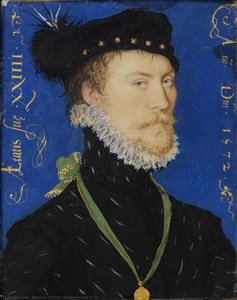
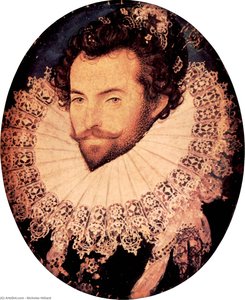
Several works stand out as testaments to Hilliard’s genius. The portraits of Queen Elizabeth I, particularly those depicting her in old age – often referred to as the “Armada Portrait” variations – are iconic representations of Elizabethan power and majesty. His miniature of Sir Walter Raleigh showcases his ability to capture character and intellect, while his portrait of Mary, Queen of Scots, reveals a poignant vulnerability. Beyond these famous examples, Hilliard’s extensive body of work includes portraits of numerous courtiers, nobles, and members of the gentry, each meticulously rendered with his signature style. Today, his paintings are held in prestigious collections worldwide, including the Victoria and Albert Museum, the National Portrait Gallery, and the British Museum. The enduring appeal of Hilliard’s miniatures lies not only in their artistic merit but also in their historical significance. They offer a tangible connection to the past, allowing us to glimpse into the lives and personalities of those who lived during one of England's most fascinating periods. His influence continues to inspire artists and art historians alike, ensuring that his legacy will endure for generations to come. His work is a testament to the power of miniature painting to capture not just likenesses, but the very essence of an era.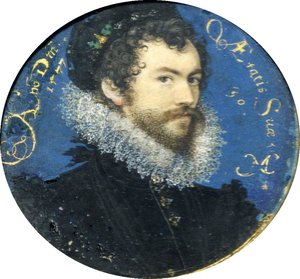
Nicholas Hilliard
1577 - 1619 , United Kingdom
Quick Facts
- Artistic Movement Or Style: Elizabethan miniaturist
- Artists Or Movements Influenced By This Artist:
- English portraiture
- Miniature painting
- Artists Who Influenced This Artist:
- Albrecht Dürer
- Levina Teerlinc
- Date Of Birth: c. 1547
- Date Of Death: before Jan 7, 1619
- Full Name: Nicholas Hilliard
- Nationality: English
- Notable Artworks:
- Mary Queen of Scots
- Sir Walter Raleigh
- Drake Jewel portraits
- Armada Portrait variations
- Place Of Birth: Exeter, UK
Related Articles

Crimson Threads of Narrative: Exploring Symbolism & Representation in Artworks Featuring the Red Dress
Explore the rich symbolism of the red dress in art history! From ancient power displays to iconic portraits like Cézanne’s 'Madame Cezanne', discover the cultural and artistic significance behind this captivating color. Expert analysis & insights.

Mark Rothko's Masterpieces: 25 Paintings That Define Abstract Expressionism | ArtsDot
Explore 25 iconic Mark Rothko paintings that define Abstract Expressionism. Discover the stories, colors & emotions behind these masterpieces. Find museum-quality art reproductions and curated decor ideas at ArtsDot.com.
F.A.Q.: Custom Backgrounds - Tailoring Art to Your Vision for Elite Collectors
Elevate your art collection with 's custom backgrounds. Trusted by elite collectors for bespoke oil paintings & reproductions. Expert artistry, personalized service, and museum-quality results.

Henri Matisse's Masterpieces: Explore 25 Iconic Paintings & Art Decor Ideas
Journey through Henri Matisse's 25 most iconic paintings! Explore Fauvism, vibrant colors & the stories behind masterpieces like 'The Dance'. Find museum-quality art reproductions and curated decor ideas to elevate your space. Discover all masterpieces on ArtsDot.com.

Nicholas Roerich: Mysticism, Mountains & the Search for Ageless Wisdom in Art
Explore the captivating art of Nicholas Roerich – a visionary painter whose Himalayan landscapes blend spiritual mysticism with cultural preservation. Discover his legacy & symbolism.