

 Preview
 Send
Send Share
Share
 Details

 Download
 Similars
 X-Ray
X-Ray Diaporama
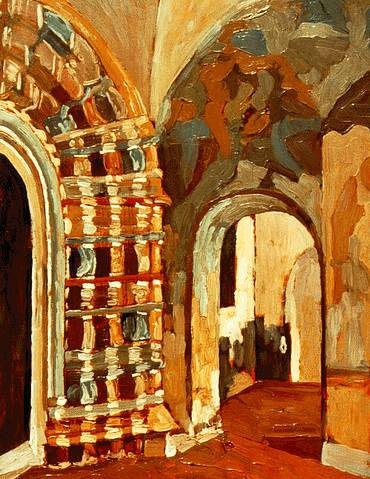
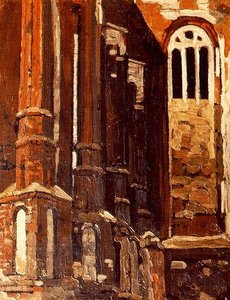
Rostov Veliky. Interior of church.


 Read More
Purchase a high-resolution, enhanced digital image, far superior to the online preview.
Each file is meticulously prepared by our in-house specialists using advanced tools and expert manual retouching. We ensure every image has exceptional clarity, precise color accuracy, and fine detail.
The final file is delivered via email within 72 hours, optimized for immediate use in professional, editorial, and print environments. This is the same quality trusted by top-tier design studios, publishers, and galleries.
Digital Image
Download a high-resolution file for personal display, printing, and creative projects. ( Buy Print Buy Hand Made Painting)
Included in Every Digital Image Order
Expert Digital Delivery, Guaranteed
When you choose ArtsDot.com, you're not just getting an image - you're receiving a professionally enhanced digital artwork, crafted with precision and backed by a satisfaction guarantee. Here's everything that comes with your order, automatically:

Fast Email Delivery
Your high-resolution digital image file will be emailed to you within 72 hours of ordering - ready for immediate use.

AI-Enhanced Digital File
Your artwork is professionally optimized using advanced AI tools and manual editing, ensuring maximum detail, clarity, and color accuracy.

Free Lifetime Re-Delivery
Accidentally deleted or lost your file? No worries - we'll resend it to you anytime, free of charge.

No Import Fees - Ever
Enjoy your artwork instantly with zero customs, duties, or delivery fees - digital downloads are always tax-free.

Color Accuracy Guarantee
We ensure your digital image reflects the original colors as closely as possible using professional tools and color management.

60-Day Satisfaction Guarantee
If you're not satisfied with your digital image, we'll revise it or refund 100% within 60 days - no questions asked.

100% Money-Back Guarantee
Not satisfied? Get a full refund within 60 days of receiving your digital file - no questions asked.

Bulk Order Discounts
Buy 3 images, save 10% - Buy 5, save 15% - Buy 10+, save 20%. Great for creative projects, galleries, and agencies.
Collectible Description
Rostov Veliky. Interior of Church – A Symphony in Light and Line
Nicholas Roerich’s “Rostov Veliky Interior,” painted in 1903, stands as a testament to the burgeoning Art Nouveau movement's fascination with organic forms and spiritual contemplation. More than just a depiction of architectural space, it embodies Roereich’s broader artistic philosophy—a harmonious blend of observation and imaginative interpretation rooted in Eastern mysticism. The artwork captures the grandeur of Rostov Veliky Cathedral, showcasing its soaring arches and intricate detailing bathed in warm, directional light. This careful composition immediately draws the viewer into a contemplative experience.Composition and Technique: Embracing Organic Curves
The painting’s dominant visual element is undoubtedly the series of arched passageways that dominate the scene. These converging lines create an illusion of depth, guiding the eye upwards towards an unseen source of illumination—a subtle gesture reflecting Roereich's interest in visualizing cosmic energies. The artist skillfully employs impasto technique, applying thick layers of oil paint to the walls and columns, resulting in a tactile surface rich with texture. Visible brushstrokes contribute to this effect, emphasizing the materiality of the building itself and conveying a sense of dynamism. Geometric elements like pillars provide structural support but are subtly softened by the curvilinear arches, creating a harmonious balance between form and line.Historical Context: Art Nouveau’s Quest for Beauty and Harmony
“Rostov Veliky Interior” emerged during a period marked by significant artistic experimentation—the Art Nouveau era (roughly 1890-1910). Artists across Europe sought inspiration in nature, incorporating flowing lines, floral motifs, and iridescent colors into their works. Roereich’s approach aligns perfectly with this aesthetic impulse, prioritizing beauty and harmony as expressions of spiritual truth. The cathedral itself represents a symbol of faith and tradition—a venerable edifice that has endured centuries of history. Roerich's depiction captures not only the physical appearance but also the intangible atmosphere of reverence associated with sacred spaces.Color Palette and Emotional Impact: Warmth and Tranquility
The painting’s color palette is dominated by earthy tones – ochre, terracotta, and brown—accentuated by darker shades of grey and blue in the shadows. This warm hue scheme evokes feelings of comfort, stability, and serenity. The artist's masterful use of light creates dramatic contrasts, highlighting the textures of the stone surfaces and emphasizing the grandeur of the cathedral interior. Roereich’s intention was to convey a sense of spiritual illumination—the belief that beauty can inspire contemplation and connect us to something larger than ourselves. Viewing “Rostov Veliky Interior” is akin to stepping into a realm of tranquility, where architectural form merges seamlessly with divine light.Symbolism: Journey Towards Transcendence
The converging arches symbolize the path towards enlightenment – a journey inward as well as outward. They represent aspiration and transformation, mirroring Roereich’s lifelong pursuit of spiritual understanding. The cathedral's walls stand as guardians of history and faith, reminding us of humanity's enduring connection to sacred traditions. Ultimately, “Rostov Veliky Interior” invites viewers to contemplate the sublime beauty of creation and to embrace the transformative power of art.Related Artworks

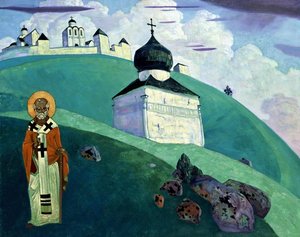
Artist Biography
A Life Immersed in Art and Spirit
Nicholas Roerich, born October 9, 1874, in the vibrant cultural heart of Saint Petersburg, Russia, was a figure whose life transcended the boundaries of artistic expression. He wasn’t merely a painter; he was an archaeologist, a writer, a philosopher, and a tireless advocate for peace and cultural preservation. His upbringing, steeped in both intellectual rigor – his father was a notary public – and artistic appreciation thanks to his mother, laid the foundation for a remarkably multifaceted career. Roerich simultaneously pursued studies in law and art at St. Petersburg University and the Imperial Academy of Arts beginning in 1893, demonstrating an early commitment to a broad understanding of the world. This dual path wasn’t contradictory for him; rather, it reflected a belief that artistic vision needed grounding in historical context and intellectual discipline. He received his artist designation in 1897 and completed his law degree the following year, setting the stage for a life dedicated to both creative exploration and reasoned action.The Allure of Symbolism and Theatrical Innovation
Roerich’s artistic development was profoundly shaped by the currents of Russian Symbolism, a movement that sought to evoke emotional and spiritual depths through evocative imagery and suggestive forms. He quickly became involved with Sergei Diaghilev's influential “World of Art” society, eventually assuming its presidency from 1910 to 1916. This association proved pivotal, exposing him to a network of innovative artists, composers, and thinkers who were redefining the landscape of Russian art. His early work revealed a fascination with archaeology and stage design, leading to groundbreaking collaborations with Diaghilev’s Ballets Russes. Roerich's designs for productions like Alexander Borodin's *Prince Igor* (1909) and, most famously, Igor Stravinsky’s revolutionary *The Rite of Spring* (1913), were not simply backdrops; they were integral components of the theatrical experience. He blended meticulous historical research with a bold imaginative vision, creating visually stunning environments that amplified the emotional power of the music and choreography. These designs weren't merely decorative; they were attempts to evoke primordial forces and ancient rituals, reflecting the Symbolist interest in myth and spirituality. His work was also influenced by apocrypha and medieval sectarian writings like the Dove Book, adding layers of esoteric meaning to his artistic creations.A Journey Towards Mysticism and Himalayan Visions
As Roerich’s career progressed, his paintings underwent a significant transformation, increasingly embracing mystical and spiritual themes. This shift was fueled by his growing interest in Theosophy and Eastern religions, philosophies that emphasized the interconnectedness of all things and the pursuit of inner wisdom. His *Architectural Studies* series (1904–1905) showcased not only his architectural skill but also a deep commitment to preserving cultural heritage, foreshadowing his later advocacy for protecting art during times of conflict. Recurring motifs began to emerge in his work: majestic landscapes, ancient cities shrouded in mystery, and figures imbued with spiritual significance like St. Panteleimon and Kuan Yin. Perhaps most notably, the Himalayas became a central subject in his paintings, representing not just a geographical location but a realm of profound spiritual power and enlightenment. He embarked on extensive travels throughout Central Asia, conducting archaeological research and documenting ancient cultures, experiences that deeply informed his artistic vision and reinforced his belief in the importance of cultural understanding.Legacy of Preservation and Enduring Influence
Nicholas Roerich’s commitment extended beyond the canvas; he was a dedicated advocate for protecting art and architecture during times of war. Recognizing the vulnerability of cultural treasures, he spearheaded the creation of the Roerich Pact in 1935 – an international treaty designed to safeguard cultural objects from destruction. This initiative earned him multiple nominations for the Nobel Peace Prize, underscoring his profound humanitarianism. His tireless efforts demonstrated a belief that preserving cultural heritage was essential not only for understanding the past but also for building a more peaceful future. Today, Roerich’s work is celebrated in prominent museum collections worldwide, including the Astrakhan State Picture Gallery and, notably, the Nicholas Roerich Museum in New York City. His impact on Russian art and culture remains immeasurable. He bridged the gap between artistic expression and spiritual exploration, influencing generations of artists and thinkers with his visionary approach. He is remembered not only as a painter but as a scholar, a humanitarian, and a beacon of hope for cultural preservation.Key Works & Continuing Relevance
- Saint Nicholas: A detailed monochrome mural showcasing medieval art and heraldic symbolism.
- City: Evocative depictions of ancient urban landscapes, reflecting his archaeological interests.
- Lake of the Nagas: A tempera painting blending symbolism and nature, exemplifying his unique artistic vision.
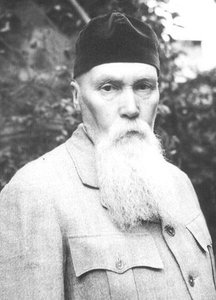
Nicholas Roerich
1874 - 1947 , Russia
Quick Facts
- Artistic Movement Or Style: Symbolism, Spiritual art
- Artists Or Movements Influenced By This Artist: ['Russian Symbolism']
- Artists Who Influenced This Artist: ['Sergei Diaghilev']
- Date Of Birth: October 9, 1874
- Date Of Death: December 13, 1947
- Full Name: Nicholas Roerich
- Nationality: Russian
- Notable Artworks:
- Saint Nicholas
- City
- Lake of the Nagas
- Place Of Birth: Saint Petersburg, Russia

