 Preview
 Send
Send Share
Share
 Details

 Download
 Similars
 X-Ray
X-Ray Diaporama
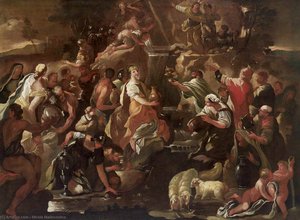
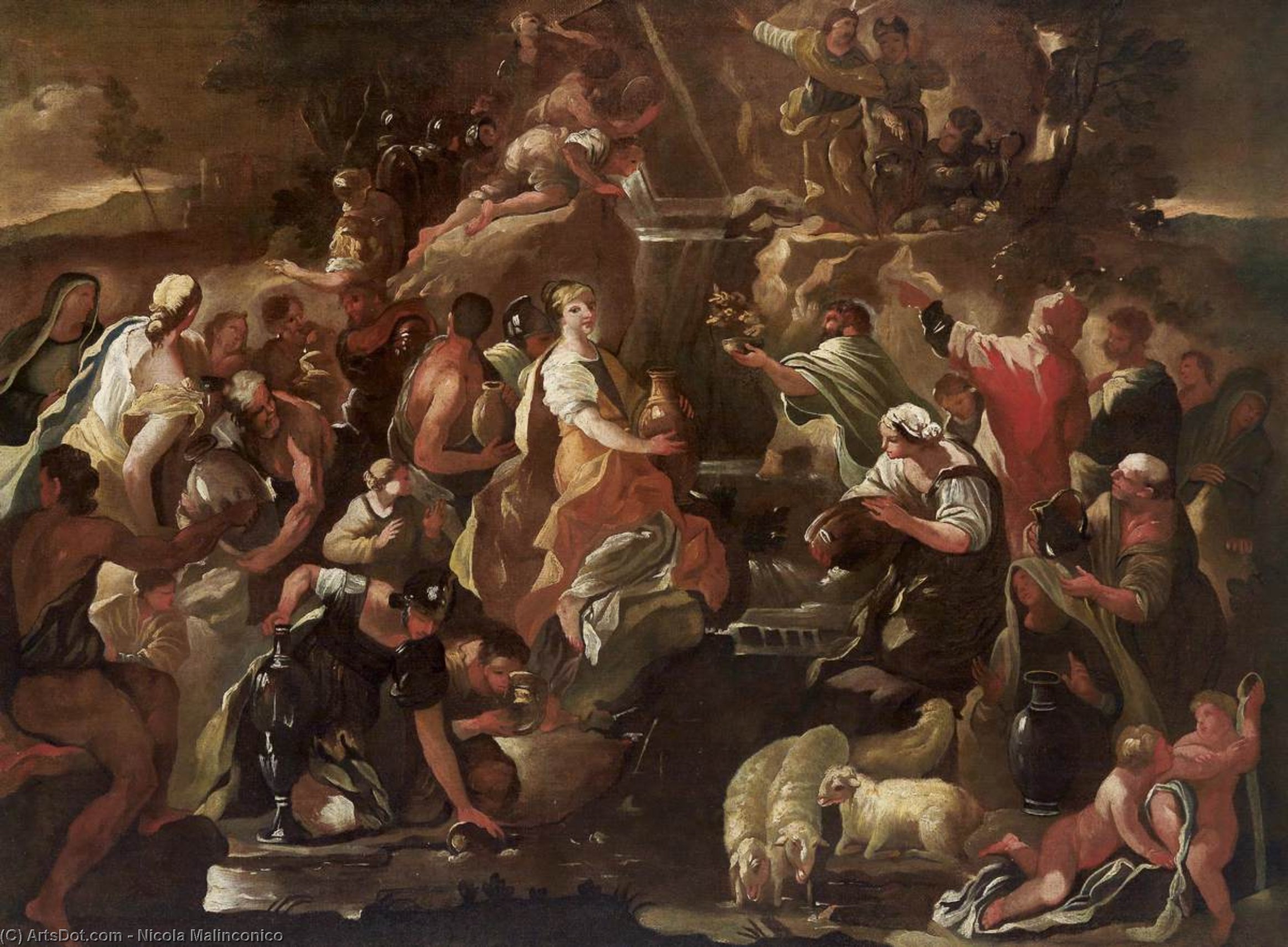
Moses Striking the Rock
 Baroque
 76.0 x 105.0 cm
 Read More
Hand Made Oil Reproduction
Hand-painted oil on canvas in your size and frame, made to order by our artists. ( Buy Print Buy Image)




































Pick from our preset sizes that match the artwork's original proportions.

You may enter your own dimensions to fit a specific frame or space. If your selected size does not match the original image's proportions, we will either crop the artwork or extend the painting with additional hand-painted elements. A digital mockup will be sent for your approval before production begins.
Please note that the on-screen preview does not reflect the actual cropping or extension. Only the mockup will accurately show the final composition.
While custom sizes are available, we recommend selecting a dimension from the predefined list to preserve the original proportions.
After order, ArtsDot.com team will email client for instructions and provide a mockup preview
Worldwide Delivery () in 3/4 weeks instead of standard 5 weeks. (17 August). No compromise on quality.

Free Worldwide Express Shipping

High-Quality Linen Canvas

Full Shipping Insurance

Customs Tax Refund Guarantee

True Color Matching Guarantee

60-Day Return Policy (Defects Only)

100% Money-Back Guarantee

Bulk Discount Offer
 Glass option is only available in size under 110 CM

Moses Striking the Rock
Reproduction Medium
Reproduction Size
-


Total Price
$ 263
Related Artworks
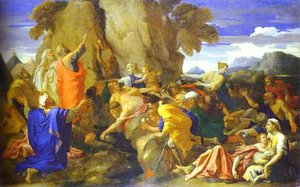
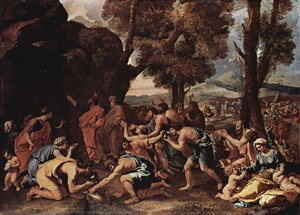
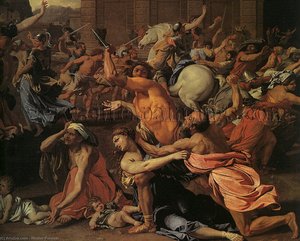
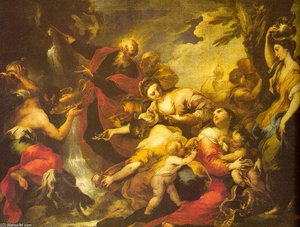
Artist Biography
A Neapolitan Brush: The Life and Art of Nicola Malinconico
Nicola Malinconico, a name perhaps less celebrated than some of his Baroque contemporaries, nevertheless occupies a significant place in the artistic landscape of 17th-century Naples. Born around 1663 into a city brimming with creative energy, he emerged as a painter deeply rooted in the traditions of the Neapolitan school yet capable of absorbing and reinterpreting broader European influences. His career unfolded during a period of intense religious fervor and lavish patronage, shaping his focus on devotional canvases while also allowing for explorations into the burgeoning genre of still life painting. While initially following in the footsteps of Massimo Stanzione, Malinconico quickly developed a distinctive style marked by fluid brushwork, dramatic compositions, and a keen sensitivity to light and color—qualities that would define his artistic legacy.Early Influences and Artistic Formation
The Naples of Malinconico’s youth was a crucible of artistic innovation. The city served as a vital link between the Italian peninsula and the wider European art world, attracting artists from diverse backgrounds and fostering a dynamic exchange of ideas. His early training under his father, Andrea Malinconico—himself a pupil of Massimo Stanzione—provided a solid foundation in classical principles and meticulous technique. However, it was the towering figure of Luca Giordano who exerted the most profound influence on the young artist’s development. Giordano's dynamic compositions, bold use of color, and expressive brushwork resonated deeply with Malinconico, inspiring him to move beyond the more restrained style of Stanzione. This shift is evident in his early religious works, which display a growing sense of movement and emotional intensity. He wasn’t merely an imitator; he absorbed Giordano's energy while forging his own path, blending it with a burgeoning interest in Flemish still life traditions.Religious Commissions and the Cathedral of Gallipoli
Malinconico’s career flourished thanks to the generous patronage of ecclesiastical institutions throughout Naples and beyond. He secured numerous commissions for altarpieces and fresco cycles, demonstrating a remarkable ability to translate religious narratives into visually compelling imagery. However, it was his commission around 1700 from Bishop Oronzo Filomarino to decorate the cathedral of Gallipoli that cemented his reputation as a leading Neapolitan painter. This ambitious project involved creating a series of large canvases depicting scenes from the life of Saint Agatha, the patron saint of the city. The resulting works—including *Christ Clearing the Moneylenders from the Temple*, *Entry into Jerusalem*, and *The Martyrdom of Saint Sebastian*—are testaments to Malinconico’s mastery of composition, color, and narrative storytelling. He often collaborated with his son, Carlo, on these large-scale projects, showcasing a familial artistic partnership that enriched the cathedral's visual splendor. The ceiling frescoes, depicting dramatic episodes from Saint Agatha’s life – such as *Saint Agatha Stops the Eruption of Etna* – are particularly noteworthy for their dynamic energy and theatrical flair.Beyond Religious Subjects: A Flourishing Still Life Practice
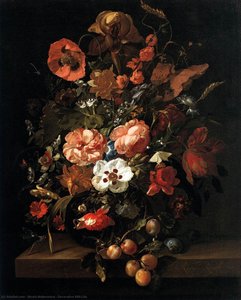
While primarily known for his religious canvases, Malinconico also cultivated a significant practice in still life painting. These works reveal a different facet of his artistic talent—a meticulous attention to detail, a keen eye for texture and light, and a sophisticated understanding of composition. Influenced by the Flemish masters like David de Coninck, he created arrangements of flowers, fruits, and other objects that are both visually stunning and imbued with symbolic meaning. His still lifes recall the work of Pietro Paolo Bonzi and Paolo Porpora, demonstrating his ability to seamlessly integrate diverse artistic influences into his own unique style. These paintings weren’t simply decorative exercises; they were carefully crafted meditations on themes of mortality, abundance, and the ephemeral nature of beauty.Legacy and Historical Significance
Nicola Malinconico's contributions to late Baroque religious art remain a testament to the vibrant artistic culture of Naples. Though perhaps overshadowed by more celebrated figures like Giordano, his works are preserved in numerous churches throughout southern Italy, serving as enduring reminders of his skill and dedication. His paintings—characterized by their dramatic compositions, rich colors, and emotional intensity—reflect the stylistic conventions of the Baroque era while also showcasing a distinctive Neapolitan sensibility. He bridged the gap between the classicism of Stanzione and the exuberance of Giordano, creating a body of work that is both visually compelling and historically significant. While scholarly attention to his oeuvre has been somewhat limited compared to his mentors, Malinconico’s legacy lies in the preservation of devotional imagery and the continuation of the Neapolitan artistic tradition.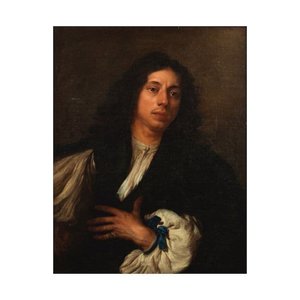
Nicola Malinconico
1663 - 1726 , Italy
Quick Facts
- Artistic Movement Or Style: Late Baroque
- Artists Or Movements Influenced By This Artist: ['David de Coninck']
- Artists Who Influenced This Artist: ['Luca Giordano']
- Date Of Birth: ca. 1663
- Date Of Death: 1726
- Full Name: Nicola Malinconico
- Nationality: Italian
- Notable Artworks:
- Moses Striking the Rock
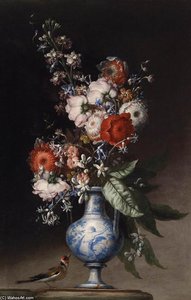
- Flowers in a Vase
- Decorative Still-Life
- Place Of Birth: Naples, Italy
Related Articles

Baroque Drama: Bringing Opulence & Emotion into Contemporary Interiors
Explore the opulent world of Baroque interior design! Discover key elements, modern applications & how to bring dramatic elegance into your home with 's authentic reproductions.

Baroque Masterpieces: 10 Paintings That Defined an Era |
Journey through the drama & grandeur of Baroque art! Explore 10 masterpieces by Caravaggio, Rembrandt, Rubens & more. Discover stunning oil paintings, rich colors & timeless stories. Find museum-quality reproductions at .

The Dramatic Flourish: Exploring the Baroque Movement's Enduring Legacy in Art History
Explore the dramatic world of Baroque art! Discover iconic artists like Caravaggio & Rubens, defining techniques, and its lasting impact on art history. Expert insights for collectors & enthusiasts at ArtsDot.

The Visceral Stage: Exploring Dramatic Narratives & Emotional Intensity in Baroque Art
Explore the dramatic world of Baroque art! Discover iconic masters like Caravaggio & Rembrandt, their techniques, and the movement's lasting impact. Expert insights for collectors & enthusiasts at ArtsDot.
Theatricality & Triumph: Baroque Drama in Painting & Sculpture
Explore the dramatic world of Baroque art! Discover its history, defining characteristics, & lasting influence on painting & sculpture. Expert insights into Caravaggio, Zurbarán, and Bernini – plus high-quality reproductions at ArtsDot.