 Preview
 Send
Send Share
Share
 Details

 Download
 Similars
 X-Ray
X-Ray Diaporama
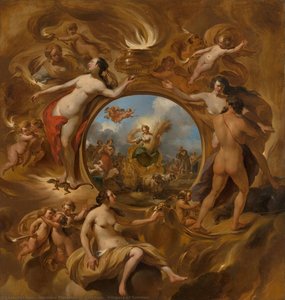
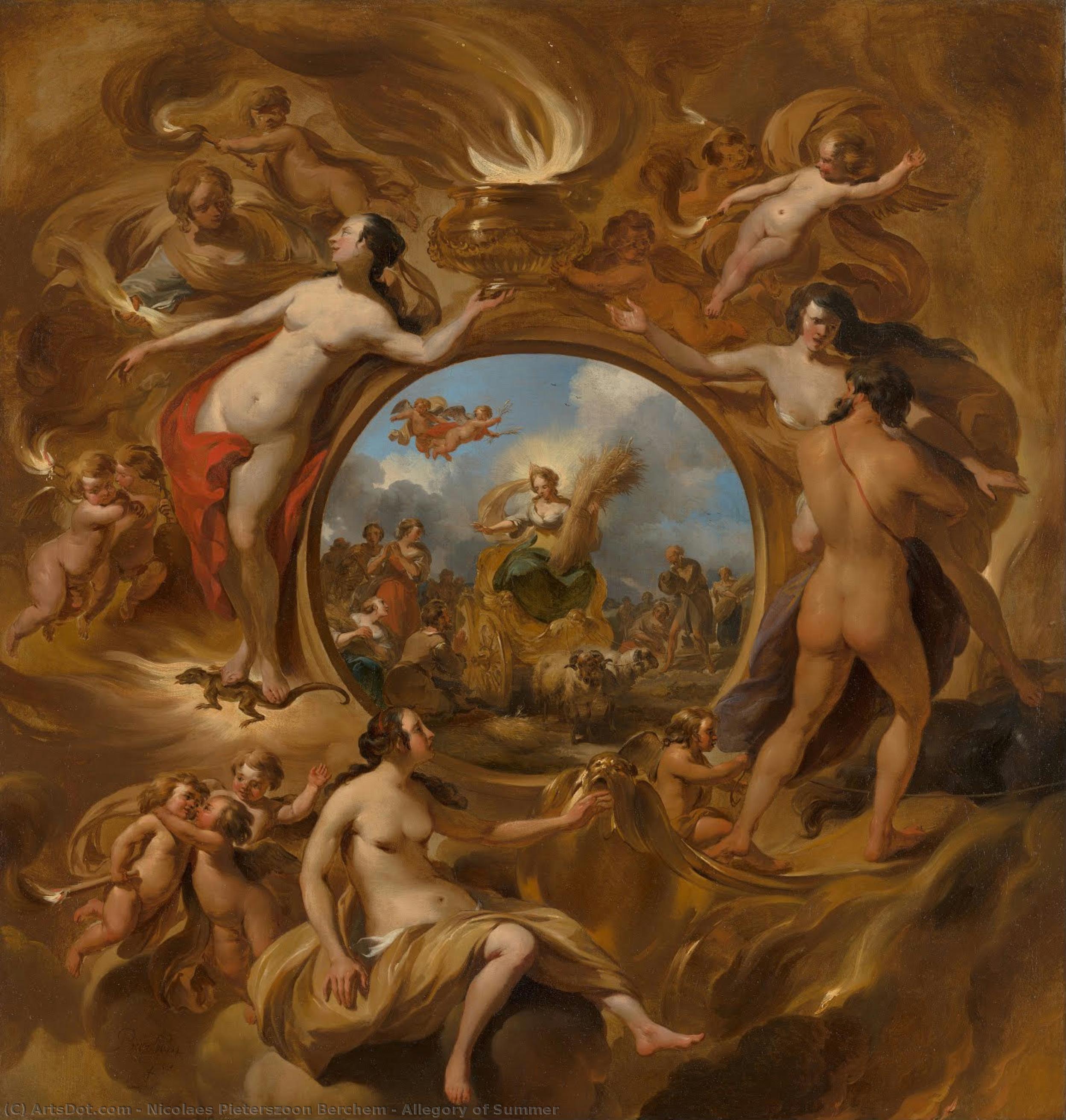
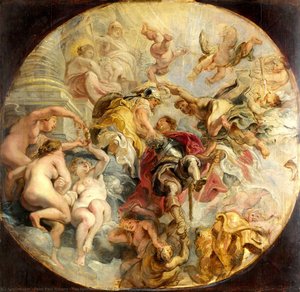
Allegory of Summer
 Acrylic On Canvas
- WallArt
- Dutch Golden Age
 1680
1680 94.0 x 88.0 cm
 Mauritshuis
 Read More
Giclée / Art Print
Museum-quality giclée or canvas print with fast production and flexible finish options. ( Buy Hand Made Painting Buy Image)




P118B $10

P118H $10

P118W $10

P438Z $10

P508JH $12

P508YH $12

P805H $10

P805Z $10

P919BZ $10

P919G $10

P919XJ $10

P959ZH $10

P968JZ $12

W106C $8

W218G $10

W218JH $8

W218Y $10

W307PJ $10

W316G $10

W316PJ $8

W316Y $10

W398PJ $8

W4111J $10

W500HY $15

W500JH $15

W692G $12

W849H $8

W940BG $15

W953PJ $8




Pick from our preset sizes that match the artwork's original proportions.

You may enter your own dimensions to fit a specific frame or space. If your selected size does not match the original image's proportions, we will either crop the artwork or extend the image with a mirrored or solid-fill edge. A digital mockup will be sent for your approval before production begins.
Please note that the on-screen preview does not reflect the actual cropping or extension. Only the mockup will accurately show the final composition.
While custom sizes are available, we recommend selecting a dimension from the predefined list to preserve the original proportions.
Worldwide Delivery () in 2 weeks instead of standard 4/5 weeks. (25 August)

Free Worldwide Express Shipping

High-Quality Linen Canvas

Full Shipping Insurance

Customs Tax Refund Guarantee

True Color Matching Guarantee

60-Day Return Policy (Defects Only)

100% Money-Back Guarantee

Bulk Discount Offer
 Glass option is only available in size under 110 CM

Allegory of Summer
Giclée / Art Print
Reproduction Size
-


Total Price
$ 63
Collectible Description
The Allegory of Summer: A Dutch Masterpiece of Pastoral Idealism
Nicolaes Pieterszoon Berchem’s “Allegory of Summer,” painted in 1680, is more than just a beautiful landscape; it's a meticulously crafted tableau brimming with symbolism and reflecting the prevailing artistic currents of the Dutch Golden Age. This captivating work, now housed within the Mauritshuis museum in The Hague, offers a glimpse into a world where nature’s bounty and mythological grace intertwine, revealing a profound meditation on fertility, prosperity, and the cyclical rhythms of life.
Berchem, a key figure in the “Dutch Italianate landscape” movement, drew heavily from the idealized pastoral scenes popularized by Italian artists like Raphael and Titian. However, Berchem’s approach was distinctly Dutch – he eschewed any personal journey to Italy, instead relying on sketches and descriptions brought back by fellow painters and travelers. This created a uniquely evocative style, blending Northern realism with Southern romanticism, resulting in landscapes that feel both familiar and utterly enchanting. The painting itself is executed with remarkable detail, utilizing a layering technique known as ‘sfumato’ – a subtle blurring of lines and colors – to create an atmosphere of hazy warmth and luminous beauty. Berchem's mastery of light and shadow imbues the scene with a palpable sense of depth and tranquility.
A Symphony of Figures and Symbols
The composition is remarkably complex, populated by a diverse cast of figures engaged in various activities that collectively represent the virtues associated with summer. At the heart of the scene stands a woman, likely embodying abundance and fertility, holding a baby – a potent symbol of new life and future generations. Beside her, a young man offers a sheaf of wheat, representing harvest and prosperity. A dog, often interpreted as a symbol of loyalty and guardianship, lies peacefully at their feet. Scattered throughout the landscape are other figures: a shepherd tending his flock, a woman pouring wine, and a young couple embracing – each contributing to the overall narrative of seasonal celebration.
Beyond these human figures, Berchem incorporates a wealth of symbolic elements. A small, open doorway suggests an invitation into this idyllic world, while two bowls contain fruits and flowers, further reinforcing the theme of abundance. The presence of a deer, a symbol of grace and purity, adds to the painting’s sense of harmony and balance. Even the arrangement of the trees and foliage is carefully considered, creating a visually pleasing composition that mirrors the natural order.
Historical Context and Artistic Influences
“Allegory of Summer” was created during a period of immense prosperity for the Dutch Republic – an era known as the Golden Age. The nation’s burgeoning trade networks had brought unprecedented wealth, fueling artistic innovation and patronage. Berchem's work reflects this cultural climate, celebrating the virtues associated with wealth and success while simultaneously offering a nostalgic glimpse into a simpler, more harmonious past.
The painting also demonstrates the influence of classical mythology and allegory, which were popular themes in Dutch art during this period. The figures and symbols employed by Berchem are rooted in traditional iconography, drawing upon centuries of artistic tradition to convey complex ideas about human nature and the relationship between humanity and the natural world. Notably, elements reminiscent of Poussin’s allegorical works can be observed, showcasing a shared interest in classical themes and idealized landscapes.
A Timeless Appeal: Beauty, Symbolism, and Emotional Resonance
“Allegory of Summer” continues to captivate viewers with its exquisite beauty and profound symbolism. Berchem's masterful technique, combined with the painting’s rich narrative content, creates a work that is both visually stunning and intellectually stimulating. The scene evokes a sense of tranquility, abundance, and timelessness – inviting us to contemplate the cyclical rhythms of nature and the enduring values associated with summer. It remains a testament to Berchem's skill as a landscape painter and his ability to capture the essence of a bygone era, offering a window into the heart of Dutch Golden Age artistry.
Related Artworks

Artist Biography
Nicolaes Pieterszoon Berchem: A Life in Landscape
Nicolaes Pieterszoon Berchem (October 1, 1620 – February 18, 1683) was a prominent figure of the Dutch Golden Age, celebrated for his captivating and idyllic landscapes. He remains a significant artist whose work continues to inspire art lovers today.
Early Life and Training
Born in Haarlem, Netherlands, Berchem’s artistic journey began with training under several notable artists of his time. His early influences included Frans Hals, renowned for his portraiture, and Jan Andrea Lievens, known for his dramatic landscapes. This foundational training shaped his initial style and set the stage for his later development.
Artistic Development & Influences
Berchem became a member of the second generation of ‘Dutch Italianate landscape’ painters. These artists were inspired by the romanticism of Italy, often through stories and sketches brought back by those who had traveled there – Berchem himself never visited Italy. He skillfully blended Dutch realism with idealized Italian scenery.
- Early Influences: Frans Hals & Jan Andrea Lievens
- Italianate Style: Inspired by artists who travelled to Italy, creating romanticized landscapes.
Artistic Style and Key Characteristics
Berchem’s style is characterized by:
- Idyllic Settings: Rolling hills, mountains, cliffs, and trees bathed in golden light.
- Narrative Elements: Landscapes often feature mythological or biblical figures, adding depth and storytelling to his work.
- Masterful Composition: A keen eye for balance and harmony within the landscape.
- Detailed Staffage: The inclusion of human and animal figures that enhance the narrative and bring life to the scenes.
Notable Works
Berchem produced an estimated 850 paintings during his lifetime, along with 80 etchings and 500 drawings. Some of his most celebrated works include:
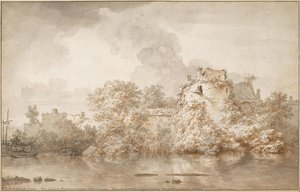
- River Landscape near Montfoort: Showcases his mastery of capturing rural scenes.
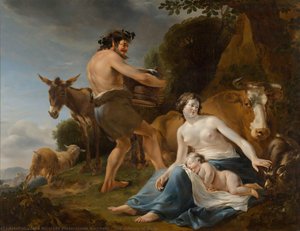
- The Infancy of Zeus: Demonstrates his ability to integrate mythological narratives into landscape settings.
Influence and Legacy
Berchem’s work was highly sought after during his lifetime, and his influence extended beyond his own paintings. His ‘staffage’ – the figures he added to landscapes – were frequently requested by other artists, including Allaert van Everdingen, Jan Hackaert, Gerrit Dou, Meindert Hobbema, and Willem Schellinks.
His influence can also be seen in the work of later artists like Jean-Baptiste Pillement and Barend Cornelis Koekkoek.
Historical Significance
As a key figure in the Dutch Golden Age, Berchem’s landscapes represent a significant contribution to the development of landscape painting. His ability to create idyllic scenes infused with narrative depth cemented his place in art history. Today, his work is admired for its beauty, technical skill, and enduring appeal.
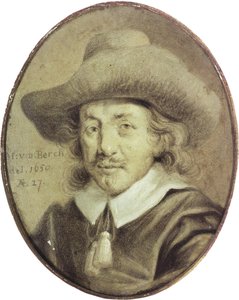
nicolaes pieterszoon berchem
Netherlands
Quick Facts
- Birth_Date: October 1, 1620
- Birth_Place: Haarlem, Netherlands
- Death_Date: February 18, 1683
- Influenced:
- Allaert van Everdingen
- Jan Hackaert
- Gerrit Dou
- Meindert Hobbema
- Willem Schellinks
- Jean-Baptiste Pillement
- Barend Cornelis Koekkoek
- Influenced_By:
- Frans Hals
- Jan Andrea Lievens
- Movement: Dutch Italianate landscape painting
- Name: Nicolaes Pieterszoon Berchem
- Nationality: Dutch
- Notable_Works:
- River Landscape near Montfoort
- The Infancy of Zeus
Related Articles

Dutch Masters: 10 Golden Age Paintings That Still Inspire |
Journey into the Dutch Golden Age! Explore 10 iconic paintings by Rembrandt, Vermeer & Hals. Discover the stories behind these Baroque masterpieces and find museum-quality art reproductions to elevate your home decor on .

Golden Age Reflections: Dutch Baroque Painting & Cultural Innovation
Explore the Dutch Golden Age of painting! Discover key artists like Vermeer & ter Borch, their innovative techniques, and the rich cultural context behind these Baroque masterpieces. Learn about collecting & appreciating this iconic art period.

Illuminating Innovation: Exploring the Dutch Golden Age of Painting
Explore the Dutch Golden Age of painting with ArtsDot. Discover Rembrandt, Vermeer & other Masters. Learn about key characteristics, iconic artworks, and lasting influence. Expert insights for collectors & enthusiasts.
Illuminating Realism: Exploring the Dutch Golden Age of Painting (1600-1700)
Explore the Dutch Golden Age of painting (1600-1700) with ArtsDot. Discover Rembrandt, Vermeer & other masters. Learn about techniques, history & find museum-quality reproductions.
Golden Light & Dutch Skies: Bringing the Magic of Dutch Golden Age Landscapes into Your Home
Transform your home with the breathtaking light of Dutch Golden Age landscapes. Discover how hand-painted oil reproductions of masterworks like Ruisdael and Vermeer bring timeless elegance, atmosphere, and soulful texture to modern interiors. Elevate your space with museum-quality art.