 Preview
 Send
Send Share
Share
 Details

 Download
 Similars
 X-Ray
X-Ray Diaporama
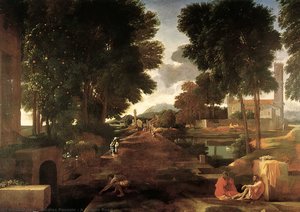
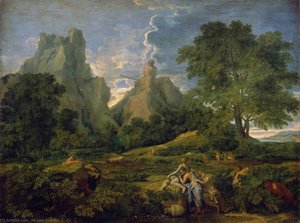
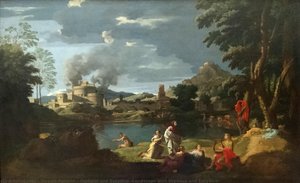
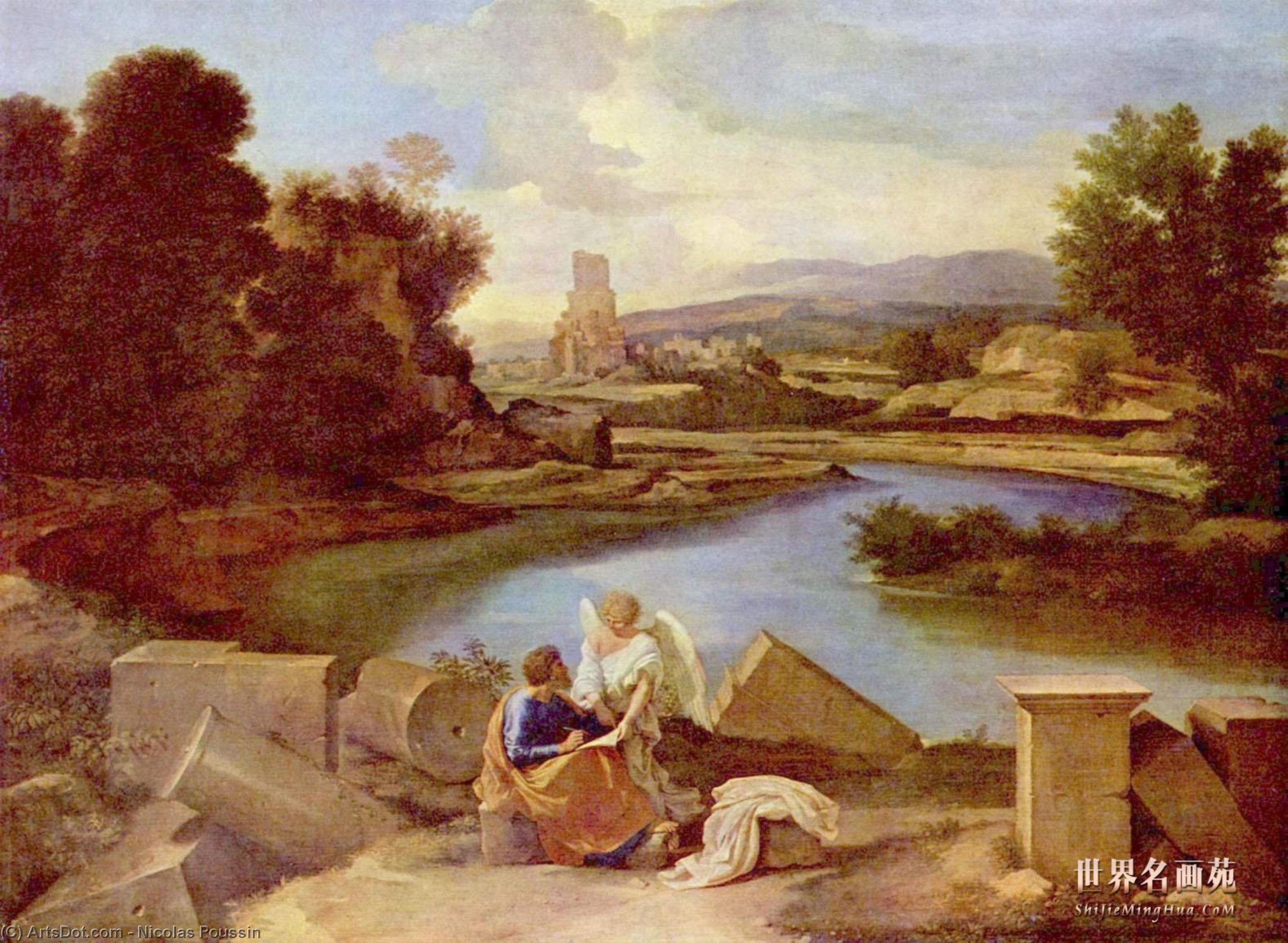
Landscape with St Matthew and the Angel
 Oil On Canvas
- WallArt
- Baroque
 1645
1645- Renaissance
 99.0 x 135.0 cm
 Staatliche Museen
 Read More
Giclée / Art Print
Museum-quality giclée or canvas print with fast production and flexible finish options. ( Buy Hand Made Painting Buy Image)




P118B $10

P118H $10

P118W $10

P438Z $10

P508JH $12

P508YH $12

P805H $10

P805Z $10

P919BZ $10

P919G $10

P919XJ $10

P959ZH $10

P968JZ $12

W106C $8

W218G $10

W218JH $8

W218Y $10

W307PJ $10

W316G $10

W316PJ $8

W316Y $10

W398PJ $8

W4111J $10

W500HY $15

W500JH $15

W692G $12

W849H $8

W940BG $15

W953PJ $8




Pick from our preset sizes that match the artwork's original proportions.

You may enter your own dimensions to fit a specific frame or space. If your selected size does not match the original image's proportions, we will either crop the artwork or extend the image with a mirrored or solid-fill edge. A digital mockup will be sent for your approval before production begins.
Please note that the on-screen preview does not reflect the actual cropping or extension. Only the mockup will accurately show the final composition.
While custom sizes are available, we recommend selecting a dimension from the predefined list to preserve the original proportions.
Worldwide Delivery () in 2 weeks instead of standard 4/5 weeks. (16 August)

Free Worldwide Express Shipping

High-Quality Linen Canvas

Full Shipping Insurance

Customs Tax Refund Guarantee

True Color Matching Guarantee

60-Day Return Policy (Defects Only)

100% Money-Back Guarantee

Bulk Discount Offer
 Glass option is only available in size under 110 CM

Landscape with St Matthew and the Angel
Giclée / Art Print
Reproduction Size
-


Total Price
$ 63
Collectible Description
A Pastoral Vision of Faith: Nicolas Poussin’s *Landscape with St Matthew and the Angel*
Nicolas Poussin's 1645 masterpiece, *Landscape with St Matthew and the Angel*, is a captivating example of Baroque classicism. Housed in the Staatliche Museen, Berlin, this oil on canvas (99 x 135 cm) seamlessly blends religious narrative with an idyllic landscape, inviting contemplation and offering a serene escape for the viewer.Subject & Narrative
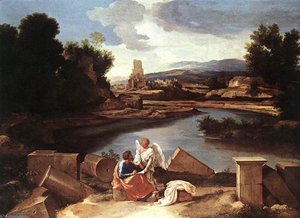
The painting depicts a pivotal moment – a meeting between St Matthew, author of one of the four Gospels, and an angel. Seated beside a tranquil river, amidst crumbling Roman ruins, St Matthew appears lost in thought or perhaps receiving divine inspiration. The angel stands nearby, gesturing subtly as if engaged in conversation or offering guidance. A small boat on the water and distant architectural forms complete the scene, suggesting a world both grounded in reality and touched by the spiritual realm.Artistic Style & Technique
Poussin’s style is characterized by its clarity of form, balanced composition, and restrained emotionalism – hallmarks of French Classicism. He masterfully employs linear perspective, drawing the eye into the depth of the landscape. The use of light is particularly noteworthy; it isn't dramatic *chiaroscuro* but a soft, diffused illumination that bathes the scene in a golden glow, highlighting key figures and architectural details. Poussin’s brushwork is refined, creating smooth surfaces and subtle gradations of tone. He builds form through carefully layered glazes, achieving a sense of atmospheric depth and realism.Historical Context & Influences
Poussin spent the majority of his career in Rome, yet remained deeply connected to French artistic traditions. *Landscape with St Matthew and the Angel* reflects this duality. The classical architecture evokes the grandeur of ancient Rome, while the pastoral setting aligns with a growing 17th-century interest in idealized landscapes. Poussin’s work served as an important bridge between the High Renaissance and the emerging Baroque styles, influencing generations of artists including Jacques-Louis David and Paul Cézanne. He was a key figure in establishing the French Academy in Rome, dedicated to promoting classical ideals in art.Symbolism & Interpretation
The painting is rich with symbolic meaning. The ruins represent the transience of earthly power and the enduring nature of faith. Water often symbolizes purification and spiritual renewal. The angel embodies divine intervention and guidance. Light itself functions as a symbol of divinity and enlightenment. The serene landscape suggests a harmonious relationship between humanity and nature, reflecting a theological belief in God’s presence within creation.Emotional Impact & Aesthetic Value
*Landscape with St Matthew and the Angel* evokes a sense of peaceful contemplation and spiritual longing. The muted color palette – dominated by earthy tones, blues, and greens – contributes to the painting's tranquil atmosphere. The balanced composition and harmonious forms create a visually pleasing experience. It’s a work that invites viewers to pause, reflect, and connect with something larger than themselves.Collecting & Interior Design
A reproduction of this artwork would be an exquisite addition to any collection or interior space. Its classic style lends itself well to traditional settings, while its subtle color palette complements a range of décor schemes. The painting’s serene mood makes it ideal for bedrooms, libraries, or meditation spaces. Consider pairing it with antique furniture and muted textiles to enhance its timeless appeal.- Style: Baroque Classicism
- Subject: Religious Narrative, Landscape
- Medium: Oil on Canvas
- Key Features: Balanced Composition, Atmospheric Perspective, Symbolic Imagery
Related Artworks
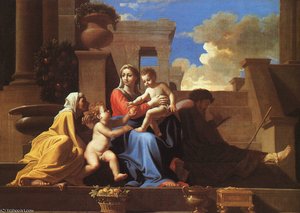
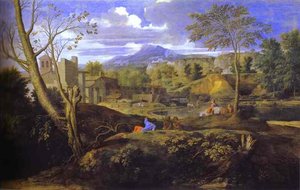
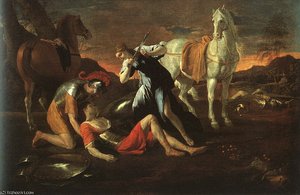
Artist Biography
A Life Steeped in Classical Reverie
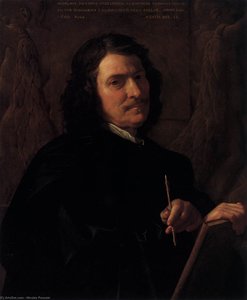
Nicolas Poussin, a name synonymous with the grandeur of French Baroque painting, was nonetheless a soul deeply rooted in Italian soil for much of his artistic life. Born in Le Havre, Normandy, in June 1594, his early years remain somewhat veiled in mystery, yet they undoubtedly laid the foundation for a career that would become pivotal in shaping the classical tradition within French art. Though he briefly studied in Paris during the early 1610s, absorbing influences from lesser-known artists of the time, it was his journey to Rome in 1624 that truly ignited his artistic destiny. This wasn’t merely a geographical relocation; it was an immersion into the heart of antiquity, a pilgrimage to the very source of inspiration that would define his aesthetic vision. Poussin's initial forays into painting were marked by a sensuous quality reminiscent of Venetian masters like Titian, yet even in these early works, a nascent sense of order and intellectual rigor began to emerge—a foreshadowing of the style he would so masterfully refine.
The Roman Years: Forging a Classical Ideal
Rome proved to be more than just a studio for Poussin; it became his intellectual crucible. He found himself amidst a vibrant circle of scholars, archaeologists, and fellow artists, notably Cassiano dal Pozzo, whose profound understanding of classical antiquity profoundly influenced the artist’s approach. Dal Pozzo's dedication to meticulously documenting ancient remains instilled in Poussin a deep respect for historical accuracy and a desire to imbue his paintings with a sense of timelessness. This period saw Poussin move away from the flamboyant exuberance of some of his contemporaries, instead embracing a style characterized by clarity, balance, and a deliberate emphasis on linear composition. He meticulously studied Raphael’s works, absorbing their harmonious arrangements and graceful forms, while simultaneously drawing inspiration from ancient sculptures and literary sources like Ovid's *Metamorphoses*. His paintings began to populate with figures drawn from classical history and mythology, rendered not as mere decorative elements but as embodiments of moral virtues and philosophical ideals.
Themes of History, Myth, and the Sacred
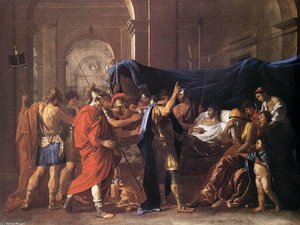
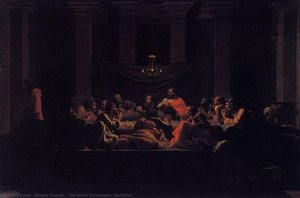
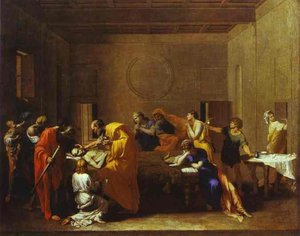
Poussin’s artistic output was remarkably diverse, yet consistently unified by his commitment to these core principles. He frequently depicted scenes from ancient history—the tragic fate of Germanicus, for example—imbued with a sense of stoic dignity and moral weight. His mythological paintings weren't simply retellings of familiar tales; they were explorations of human nature, often laden with allegorical meaning. The *Arcadia* series, particularly the iconic *Et in Arcadia ego*, became emblematic of his philosophical depth, prompting contemplation on mortality and the enduring power of memory. Beyond history and myth, Poussin also turned to religious subjects, most notably in *The Seven Sacraments*—a monumental undertaking that showcased both his theological understanding and compositional prowess. Even within these sacred scenes, however, he maintained a classical restraint, avoiding excessive emotionalism in favor of a serene and dignified presentation. Later in his career, expansive landscapes became increasingly prominent, blending realism with idealized forms to create vistas that evoked a sense of harmony and tranquility.
A Lasting Legacy: Shaping French Art
Despite spending the majority of his career abroad, Nicolas Poussin’s influence on French art was immense. He briefly returned to Paris in 1640 at the behest of Cardinal Richelieu, appointed as First Painter to the King, but found himself stifled by the demands and intrigues of court life. He soon returned to Rome, where he continued to paint until his death in 1665. His dedication to classical principles helped establish a standard for artistic training and practice within France, influencing generations of artists who followed. He became a leading figure in the Académie Royale de Peinture et de Sculpture, solidifying his position as a cornerstone of French Classicism. Artists like Jacques-Louis David and Paul Cézanne openly acknowledged their debt to Poussin’s rigorous approach and intellectual depth. His legacy extends far beyond mere stylistic imitation; it represents a commitment to order, clarity, and the enduring power of classical ideals—a testament to an artist who sought not simply to depict the world but to elevate it through the lens of reason and beauty.
- Notable Works: *The Death of Germanicus*, *The Seven Sacraments Series*, *A Roman Road*, *Orion Blinded Searching for the Sun*, *The Seasons*.
- Key Characteristics: Classical Composition, Linearity, Historical and Mythological Themes, Serene Landscapes.
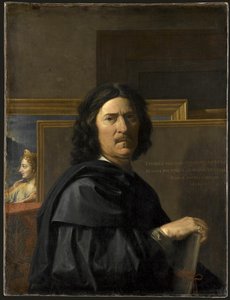
Nicolas Poussin
1594 - 1665 , France
Quick Facts
- Artistic Movement Or Style: Baroque, Classicism
- Artists Or Movements Influenced By This Artist:
- Jacques-Louis David
- Paul Cézanne
- Artists Who Influenced This Artist:
- Raphael
- Titian
- Date Of Birth: 1594
- Date Of Death: 1665
- Full Name: Nicolas Poussin
- Nationality: French
- Notable Artworks:
- The Death of Germanicus
- Seven Sacraments Series
- A Roman Road
- Orion Blinded
- The Seasons
- Place Of Birth: Le Havre, France
Related Articles

Oil on Canvas: A Historical & Technical Exploration of a Timeless Artistic Medium
Explore the rich history & enduring techniques of oil painting on canvas. Discover the science behind its longevity, conservation practices, and contemporary relevance. Expert insights for art enthusiasts.

The Enduring Legacy of Oil on Canvas: Technique, History & Aesthetic Impact
Explore the rich history & techniques of oil painting – from Renaissance masters to Impressionism. Discover pigments, layering methods, and why this timeless medium endures. Expert insights for artists & art enthusiasts.

The Enduring Legacy of Oil on Canvas: Technique, History & Contemporary Practice
Explore the rich history & enduring techniques of oil painting on canvas. Discover the science behind its longevity, conservation practices, and contemporary relevance. Expert insights for art enthusiasts.
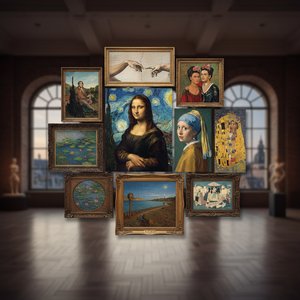
Oil on Canvas Masters: 10 Paintings That Redefined Art History |
Journey through art history with our guide to 10 legendary oil on canvas masterpieces! Explore iconic works by Van Gogh, Monet & Rembrandt. Find museum-quality reproductions and elevate your home decor at . Discover all masterpieces online.

The Enduring Power of Painting: A Historical & Contemporary Exploration of Form and Emotion
Explore the rich history & enduring techniques of oil painting with ArtsDot. Discover masterpieces, learn about art collecting, and find authentic handmade reproductions crafted by skilled artists.