 Preview
 Send
Send Share
Share
 Details

 Download
 Similars
 X-Ray
X-Ray Diaporama
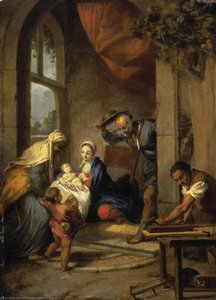
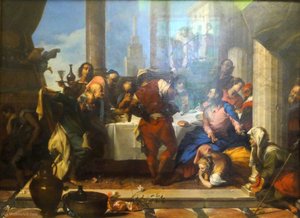
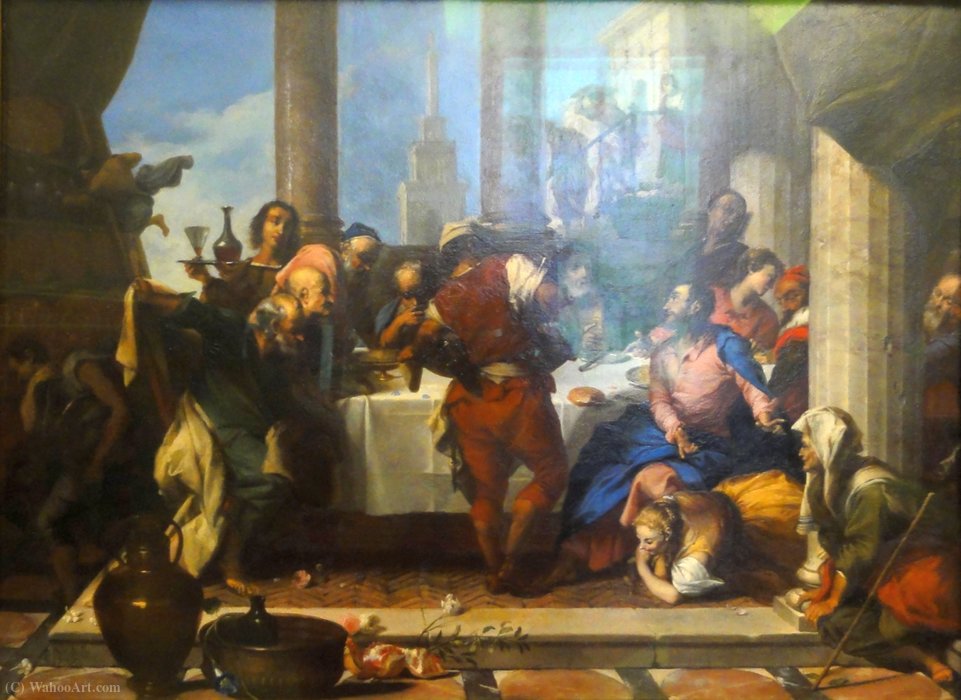
Christ in the house of Simon
 Read More
Hand Made Oil Reproduction
Hand-painted oil on canvas in your size and frame, made to order by our artists. ( Buy Print Buy Image)




































Pick from our preset sizes that match the artwork's original proportions.

You may enter your own dimensions to fit a specific frame or space. If your selected size does not match the original image's proportions, we will either crop the artwork or extend the painting with additional hand-painted elements. A digital mockup will be sent for your approval before production begins.
Please note that the on-screen preview does not reflect the actual cropping or extension. Only the mockup will accurately show the final composition.
While custom sizes are available, we recommend selecting a dimension from the predefined list to preserve the original proportions.
After order, ArtsDot.com team will email client for instructions and provide a mockup preview
Worldwide Delivery () in 3/4 weeks instead of standard 5 weeks. (23 August). No compromise on quality.

Free Worldwide Express Shipping

High-Quality Linen Canvas

Full Shipping Insurance

Customs Tax Refund Guarantee

True Color Matching Guarantee

60-Day Return Policy (Defects Only)

100% Money-Back Guarantee

Bulk Discount Offer
 Glass option is only available in size under 110 CM

Christ in the house of Simon
Reproduction Medium
Reproduction Size
-


Total Price
$ 263
Related Artworks

Artist Biography
The Convergence of Flemish Heritage and Venetian Grandeur
Nicolas Vleughels stands as a pivotal figure in the artistic landscape of the early Baroque era, embodying a magnificent confluence of Flemish artistic heritage and the burgeoning influence of Venetian painting. Born in Paris in 1668, his very identity was rooted in a lineage of excellence; he was the son of Philippe Vleughels, a renowned Flemish painter who had emigrated from Antwerp. This connection to the great traditions of the North provided Nicolas with a foundation steeped in technical precision and a vibrant community of expatriate artists residing in the French capital.
His formative years were defined by rigorous instruction under the watchful eye of Pierre Mignard, a prominent portraitist whose meticulous realism would leave an indelible mark on Vle.ueghels’ stylistic sensibilities. Yet, it was his profound dedication to mastering the masters that truly shaped his hand. He spent countless hours diligently copying the works of Rubens, the titan of Baroque art, absorbing the expressive power and dynamic energy that characterized the Flemish tradition. This deep reverence for Rubens allowed him to weave a sense of muscularity and life into his compositions, even as he sought new horizons.
A Transformative Journey Through Italy
Despite early recognition—including securing the second prize in the Académie royale de peinture et de sculpture’s competition in 1694—Vleughels faced the inevitable challenges of establishing a singular voice in a crowded Parisian scene. Driven by an unquenchable ambition, he embarked on a transformative journey to Rome in 1703. This pilgrimage was not merely a change of scenery but a profound artistic awakening. In Italy, he encountered the works of Casper van Wittel, a celebrated vedute painter whose panoramic depictions of landscapes captivated him with their light and spatial depth.
The influence of Venice, however, would become the true cornerstone of his evolution. As he immersed himself in the Venetian atmosphere, the dramatic compositions of Veronese began to resonate deeply within his soul. This encounter catalyzed a stylistic shift toward an opulent color palette and a sense of theatrical staging. His work began to breathe with the warmth and grandeur of the Venetian Baroque, blending the structural integrity of his Flemish roots with a new, luminous splendor that celebrated light and movement.
Legacy and Artistic Maturity
Upon returning to Paris around 1709, Vleughels emerged as an artist of significant prestige, eventually serving as a director at the French Academy in Rome. His later years were marked by a fascinating intersection with the emerging Rococo movement; he forged a profound friendship with Jean-Antoine Watteau, whose delicate and playful style offered a striking contrast to Vleughels’ more classical and dramatic tendencies. This period of his life saw him navigating the transition between the heavy grandeur of the Baroque and the refined elegance of the coming age.
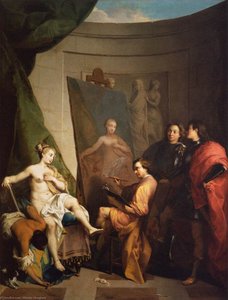
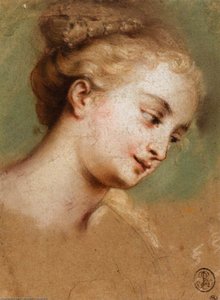
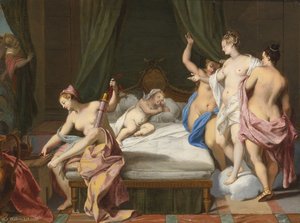
The enduring significance of Nicolas Vleughels lies in his ability to bridge disparate worlds. His oeuvre remains a testament to a life spent synthesizing diverse influences, from the meticulous detail of his Flemish ancestors to the sweeping, colorful drama of the Italian masters. Whether through the serene beauty found in his Study for the Head of Campaspe or the theatrical narrative of Apelles Painting Campaspe, Vleughels continues to captivate the viewer with a unique vision that remains eternally elegant and profoundly classical.
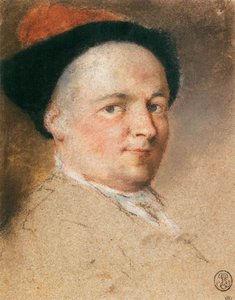
Nicolas Vleughels
1668 - 1737 , France
Quick Facts
- Artistic Movement Or Style: Baroque
- Artists Or Movements Influenced By This Artist: ['Jean-Antoine Watteau']
- Artists Who Influenced This Artist:
- Pierre Mignard
- Rubens
- Date Of Birth: Paris, France (1668)
- Date Of Death: 1737
- Full Name: Nicolas Vleughels
- Nationality: French
- Notable Artworks:
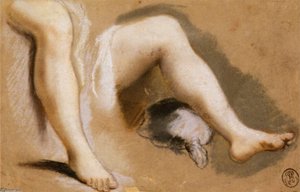
- Study for the Legs of Campaspe
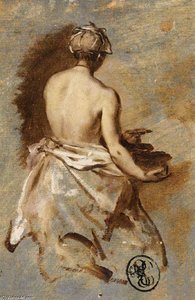
- Young Woman with a Nude Back Presenting a Bowl
- Place Of Birth: Paris