 Preview
 Send
Send Share
Share
 Details

 Download
 Similars
 X-Ray
X-Ray Diaporama
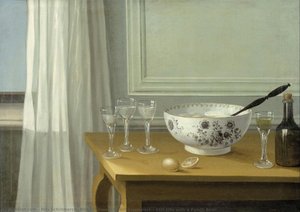
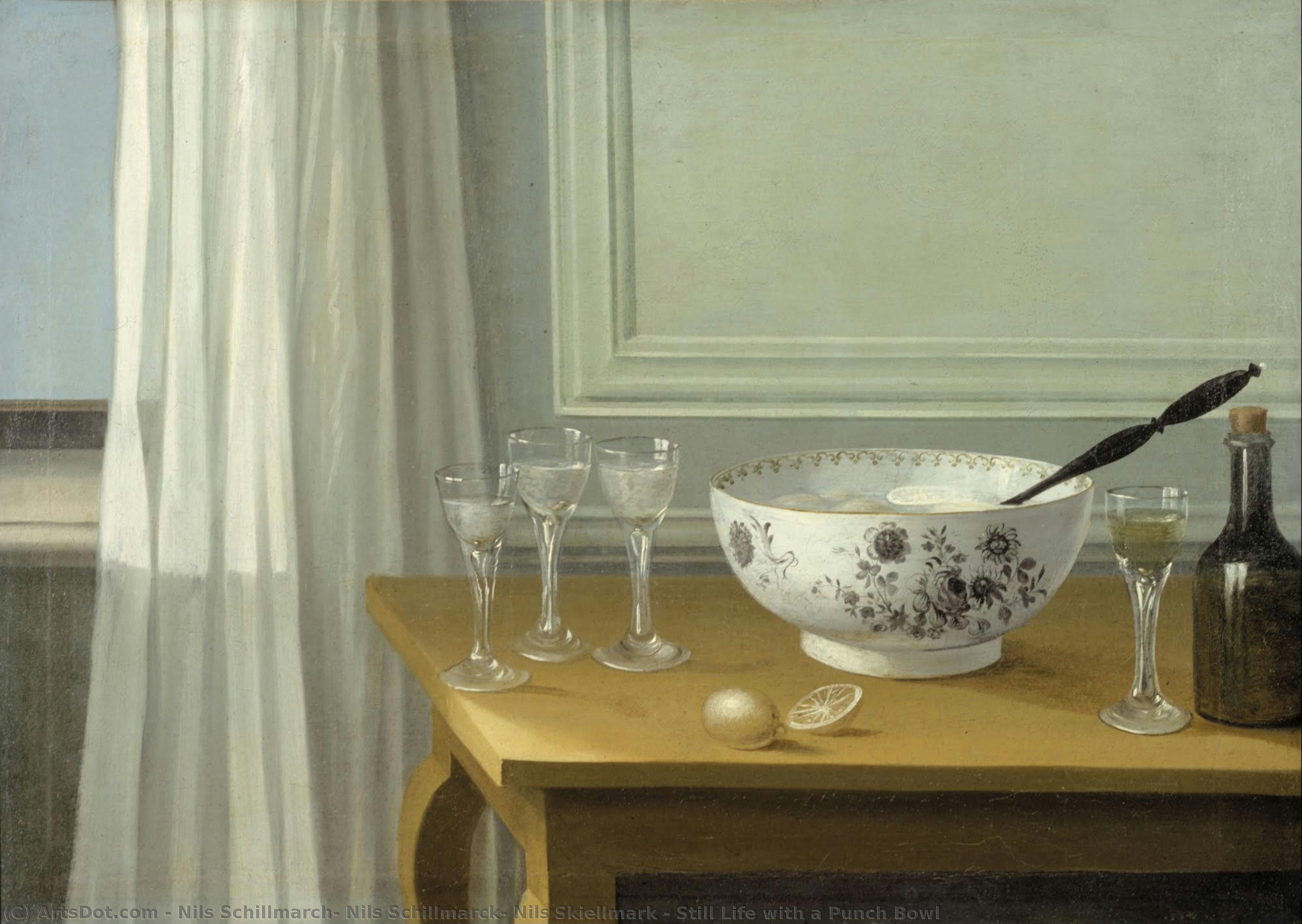
Still Life with a Punch Bowl
 Oil On Canvas
- WallArt
- Baroque
 1797
1797- 19th Century
 107.0 x 77.0 cm
 Ateneum Art Museum
 Read More
Hand Made Oil Reproduction
Hand-painted oil on canvas in your size and frame, made to order by our artists. ( Buy Print Buy Image)




P118B $10

P118H $10

P118W $10

P438Z $10

P508JH $12

P508YH $12

P805H $10

P805Z $10

P919BZ $10

P919G $10

P919XJ $10

P959ZH $10

P968JZ $12

W106C $8

W218G $10

W218JH $8

W218Y $10

W307PJ $10

W316G $10

W316PJ $8

W316Y $10

W398PJ $8

W4111J $10

W500HY $15

W500JH $15

W692G $12

W849H $8

W940BG $15

W953PJ $8




Pick from our preset sizes that match the artwork's original proportions.

You may enter your own dimensions to fit a specific frame or space. If your selected size does not match the original image's proportions, we will either crop the artwork or extend the painting with additional hand-painted elements. A digital mockup will be sent for your approval before production begins.
Please note that the on-screen preview does not reflect the actual cropping or extension. Only the mockup will accurately show the final composition.
While custom sizes are available, we recommend selecting a dimension from the predefined list to preserve the original proportions.
After order, ArtsDot.com team will email client for instructions and provide a mockup preview
Worldwide Delivery () in 3/4 weeks instead of standard 5 weeks. (27 August). No compromise on quality.

Free Worldwide Express Shipping

High-Quality Linen Canvas

Full Shipping Insurance

Customs Tax Refund Guarantee

True Color Matching Guarantee

60-Day Return Policy (Defects Only)

100% Money-Back Guarantee

Bulk Discount Offer
 Glass option is only available in size under 110 CM

Still Life with a Punch Bowl
Reproduction Medium
Reproduction Size
-


Total Price
$ 263
Artwork Description
Related Artworks
Artist Biography
William Hogarth: A Moral Mirror of 18th Century England
William Hogarth, born in London on November 10, 1697, stands as a pivotal figure in the history of English art – a pioneer who bridged the gap between illustration and fine painting. His legacy isn’t defined by grand landscapes or heroic historical scenes, but rather by his unflinching moral and satirical engravings and paintings that offered a brutally honest, often darkly humorous, reflection of 18th-century London society. He was the first English-born artist to achieve widespread international recognition, largely due to his ability to capture the complexities of human behavior with sharp wit and meticulous detail. His life, marked by both artistic triumph and financial struggle, provides a fascinating lens through which to understand the cultural shifts occurring during this transformative period.Early Life and Artistic Training: A Foundation in Craft
Hogarth’s upbringing was far from privileged. The son of Richard Hogarth, a minor classical scholar burdened by unpaid debts and a reputation for shoddiness, William's early years were characterized by a lack of formal education and a constant awareness of his father’s financial difficulties. This environment instilled in him a strong sense of independence and a pragmatic approach to his career – qualities that would profoundly influence his artistic development. Initially apprenticed to a silversmith, he quickly discovered a passion for engraving, fueled by visits to a local workshop where he honed his skills. Unlike the traditional path of studying classical art, Hogarth’s training was largely self-directed, driven by an intense desire to master the craft and escape the perceived limitations of his father's scholarly pursuits. This unconventional approach fostered a remarkable flexibility and innovation in his technique, allowing him to develop a distinctive style that combined meticulous observation with a keen sense of theatricality.The Rise of Moral Satire: *Marriage à la Mode* and Beyond
Hogarth’s breakthrough came with the publication of *Marriage à la Mode* (1743-1745), a series of 14 engravings that chronicled the scandalous lives of wealthy Londoners. These scenes, depicting adultery, gambling, and social climbing, were shockingly explicit for their time and immediately generated both controversy and acclaim. Hogarth wasn’t simply offering a visual record; he was delivering a scathing critique of societal hypocrisy and moral decay. He employed a distinctive compositional technique – the “Hogarthian” view – characterized by receding perspectives and carefully arranged figures that drew the viewer into the narrative, amplifying the drama and highlighting the characters' flaws. Following *Marriage à la Mode*, Hogarth continued to produce a prolific body of work, including *The Rake’s Progress* (1735), a series of eight engravings depicting the downfall of a dissolute young man, and *A Harlot’s Progress* (1731-1735), which charted the tragic trajectory of a prostitute. These works cemented his reputation as a master of moral satire and established him as a leading voice in English art.Technique and Style: Observation, Detail, and Theatricality
Hogarth’s artistic style was remarkably precise and observant. He meticulously studied the details of everyday life – from the fashions of the wealthy to the grime of London streets – translating his observations onto paper with astonishing accuracy. His engravings were characterized by a sharp sense of realism, achieved through careful shading, dynamic compositions, and an acute awareness of human anatomy. However, Hogarth wasn’t simply a recorder of reality; he was a skilled manipulator of visual space and a master of theatricality. He used perspective to create a sense of depth and drama, often employing diagonals and converging lines to draw the viewer's eye towards key figures or moments. His use of light and shadow further enhanced the emotional impact of his scenes, creating a palpable atmosphere of intrigue and suspense. Furthermore, Hogarth’s work was deeply influenced by the principles of chiaroscuro, a technique popularized by Caravaggio, which he skillfully employed to create dramatic contrasts between light and dark.Legacy and Influence: A Pioneer of Sequential Art
William Hogarth's influence on subsequent generations of artists is undeniable. He is widely considered a pioneer of sequential art – the use of images to tell a story in a series – and his work laid the foundation for the development of caricature and political satire. His emphasis on realism, moral commentary, and dramatic composition profoundly impacted the course of English painting. His theories about aesthetics, outlined in *A Dissertation Upon Painting* (1738), explored the relationship between art and morality, arguing that paintings should serve as a didactic tool for educating viewers about proper behavior. While his aesthetic theories were not widely embraced during his lifetime, they foreshadowed later developments in Romanticism. Today, Hogarth’s work continues to be celebrated for its wit, insight, and enduring relevance, offering a captivating glimpse into the social and cultural landscape of 18th-century England. He died on October 26, 1764, in London, leaving behind a body of work that remains both challenging and profoundly rewarding.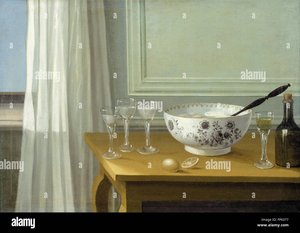
nils schillmarch; nils schillmarck; nils skiellmark
1745 - 1804 , Sweden
Quick Facts
- Artistic Movement Or Style: English school
- Artists Who Influenced This Artist: ['Richardson the elder, Jonathan],\n "Artists or movements influenced by this artist": ["Romantic literature"]\n}']
- Date Of Birth: November 10, 1697
- Date Of Death: October 26, 1764
- Full Name: William Hogarth
- Nationality: English
- Notable Artworks:
- A Rake’s Progress
- Marriage a-la-mode
- Place Of Birth: London, England
Related Articles

Giclée Prints: Archival Quality & Aesthetic Nuances for the Discerning Collector
Explore the world of giclée prints with ArtsDot. Learn about archival quality, aesthetic nuances & investment potential. Expert guidance for discerning art collectors seeking museum-quality reproductions and lasting value.

Echoes of Time: Exploring the Enduring Appeal & Historical Context of Vintage Art Prints
Explore the captivating world of vintage art prints! Discover their history, collecting tips & enduring appeal. Expert insights on chromolithography and building a legacy collection with ArtsDot.

The Enduring Legacy of Fine Art Prints: Technique, History & Aesthetic Impact
Explore the rich history & techniques of fine art prints. Discover investment potential, assess authenticity, and learn how to preserve your collection with expert guidance. Trusted insights for discerning collectors.
The Enduring Legacy of Printmaking: Techniques, Themes & Artistic Innovation Across Centuries
Explore the rich history of printmaking with ArtsDot. Discover techniques from intaglio to lithography, learn about collecting valuable prints & find museum-quality reproductions. Expert insights for art enthusiasts and collectors.
18th Century Masters: 10 Artworks That Define an Era | ArtsDot
Journey through 18th century art! Explore 10 iconic paintings – from Rococo elegance to Neoclassical grandeur. Discover Fragonard, David & more. Find museum-quality reproductions and elevate your home decor on ArtsDot.com.