 Preview
 Send
Send Share
Share
 Details

 Download
 Similars
 X-Ray
X-Ray Diaporama
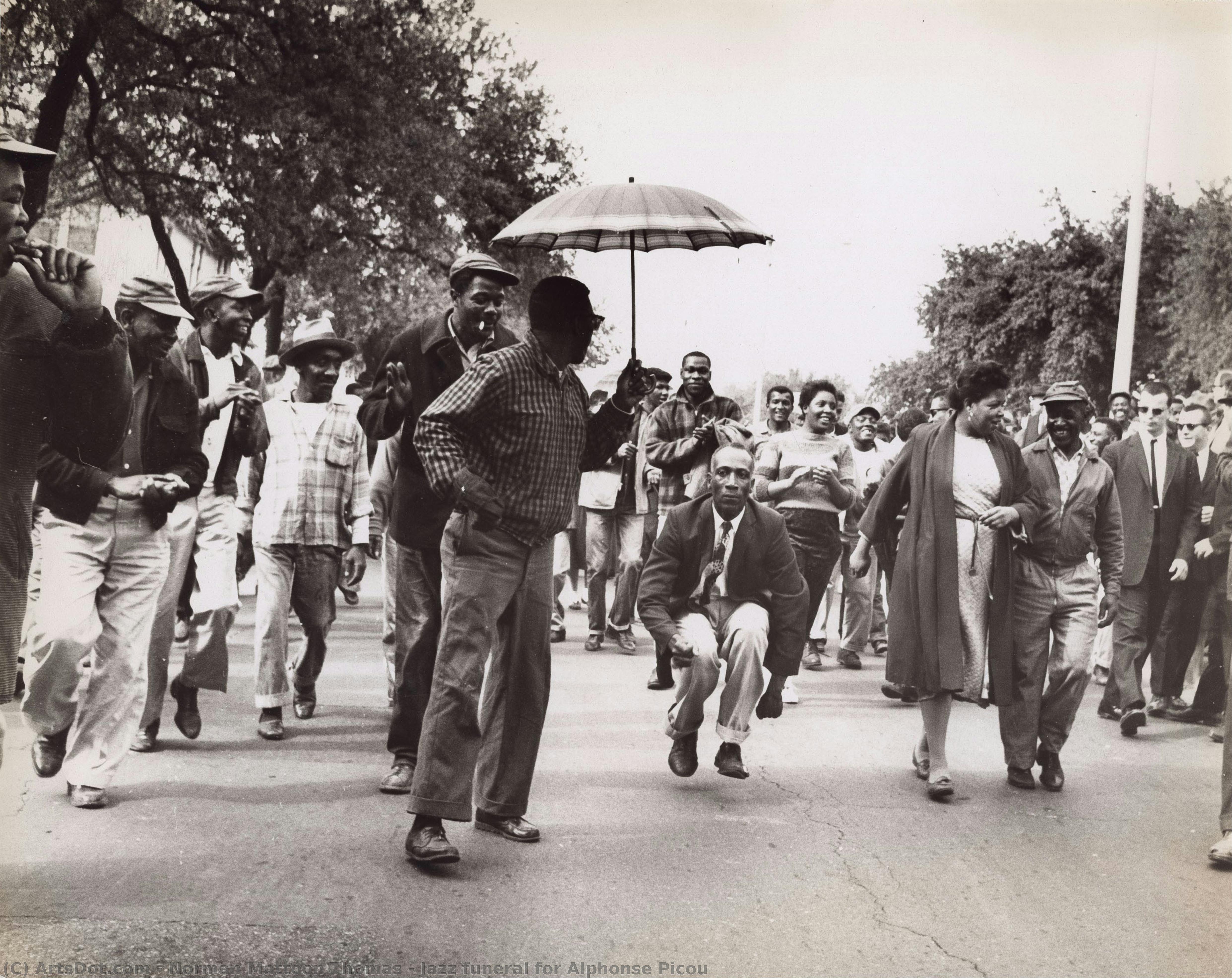
Jazz funeral for Alphonse Picou


 Read More
Hand Made Oil Reproduction
Hand-painted oil on canvas in your size and frame, made to order by our artists. ( Buy Print Buy Image)




































Pick from our preset sizes that match the artwork's original proportions.

You may enter your own dimensions to fit a specific frame or space. If your selected size does not match the original image's proportions, we will either crop the artwork or extend the painting with additional hand-painted elements. A digital mockup will be sent for your approval before production begins.
Please note that the on-screen preview does not reflect the actual cropping or extension. Only the mockup will accurately show the final composition.
While custom sizes are available, we recommend selecting a dimension from the predefined list to preserve the original proportions.
After order, ArtsDot.com team will email client for instructions and provide a mockup preview
Worldwide Delivery () in 3/4 weeks instead of standard 5 weeks. (21 August). No compromise on quality.

Free Worldwide Express Shipping

High-Quality Linen Canvas

Full Shipping Insurance

Customs Tax Refund Guarantee

True Color Matching Guarantee

60-Day Return Policy (Defects Only)

100% Money-Back Guarantee

Bulk Discount Offer
 Glass option is only available in size under 110 CM

Jazz funeral for Alphonse Picou
Reproduction Medium
Reproduction Size
-


Total Price
$ 263
Related Artworks






Artist Biography
A Conscience in Color: The Dual Legacy of Norman Mattoon Thomas
In the grand tapestry of twentieth-century American history, few figures loom as large or as complexly as Norman Mattoon Thomas. While the world primarily recognized him as the "conscience of America"—a tireless socialist leader, a perennial presidential candidate, and a steadfast pacifist—there existed within him a quieter, more contemplative dimension: that of the artist. Born in 1884 in Marion, Ohio, to a family steeped in Presbyterian ministry and abolitionist fervor, Thomas’s life was defined by an unyielding pursuit of justice. Yet, beneath the fervent rhetoric of political campaigns and the heavy responsibilities of social reform, his artistic eye sought to capture the human essence with a sensitivity that mirrored his political compassion.
His early intellectual development was shaped by the rigorous academic environments of Bucknell College and Princeton University, where he studied under luminaries such as Woodrow Wilson. This period of profound learning instilled in him a deep appreciation for the nuances of human character, an attribute that would later manifest in his visual explorations. As he transitioned from the pulpit of East Harlem to the forefront of the Socialist Party of America, Thomas navigated a world of turbulent social change. His art was never a mere escape from this reality; rather, it served as a parallel medium through which he could observe and interpret the very humanity he fought to protect in the political arena.
The Intersection of Activism and Aesthetic Observation
To understand Thomas’s artistic contribution, one must view it through the lens of his lifelong commitment to social equity. His work often moved beyond simple representation, seeking instead a profound connection with his subjects. There is an inherent dignity in his approach, much like the respect he held for the marginalized populations he championed—from black sharecroppers to conscientious objectors. His ability to render portraits, such as the notable Gertrude Stein, suggests a mastery of form and a keen interest in the psychological depth of his sitters. In these works, the brushstroke becomes an act of empathy, capturing not just a likeness, but the spirit of an era.
The development of his style was inextricably linked to his role as a global observer. As he traveled and engaged with movements for nonviolence—inspired by the philosophy of Mahatma Gandhi—his perspective widened. This expansion of vision allowed him to approach the canvas with a humanist sensibility that transcended borders. His artistic output, though often overshadowed by his voluminous political correspondence and speeches, provides a vital counterpoint to his public persona. Where his political writings were calls to action, his visual works were moments of stillness, inviting the viewer to contemplate the shared vulnerability and strength of the human condition.
A Lasting Impression on American Intellectual Life
The historical significance of Norman Mattoon Thomas lies in his refusal to compartmentalize his passions. He did not see a conflict between the struggle for economic reform and the pursuit of aesthetic truth; to him, both were essential components of a civilized society. His legacy is woven into the very fabric of American progressivism, recognized by figures as profound as Martin Luther King, Jr., who saw in Thomas a kindred spirit dedicated to a world free of exploitation.
As we reflect on his life and work today, several key elements of his enduring impact emerge:
- The Synthesis of Ideology and Art: He demonstrated that the pursuit of social justice and the pursuit of artistic excellence are both driven by a profound respect for human dignity.
- A Visionary Pacifism: His unwavering stance against militarism and his advocacy for international cooperation provided a moral compass during some of the century's darkest conflicts.
- The Power of Portraiture: Through his visual observations, he documented the intellectual and social landscape of his time, offering a glimpse into the souls of those who shaped the modern age.
Ultimately, Norman Mattoon Thomas remains a singular figure—a man whose life was a continuous dialogue between the seen and the unseen, between the political struggle for a better world and the artistic struggle to truly see it.
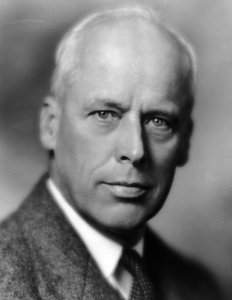
norman mattoon thomas
1884 - 1968 , United States of America
Quick Facts
- Artistic Movement Or Style: Portraiture
- Date Of Birth: 1884-07-16
- Date Of Death: 1968-12-19
- Full Name: Norman Mattoon Thomas
- Nationality: American
- Notable Artworks:
- Gertrude Stein
- Enrique Alferez
- Place Of Birth: Marion, Ohio