 Preview
 Send
Send Share
Share
 Details

 Download
 Similars
 X-Ray
X-Ray Diaporama
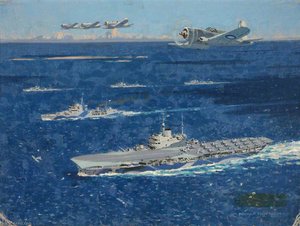
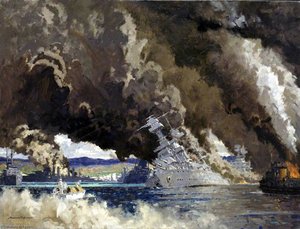
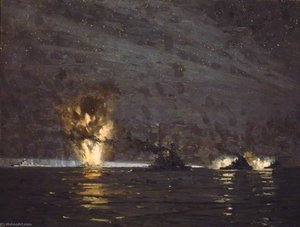
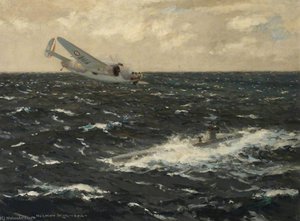
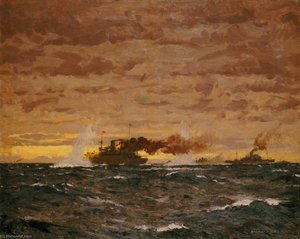
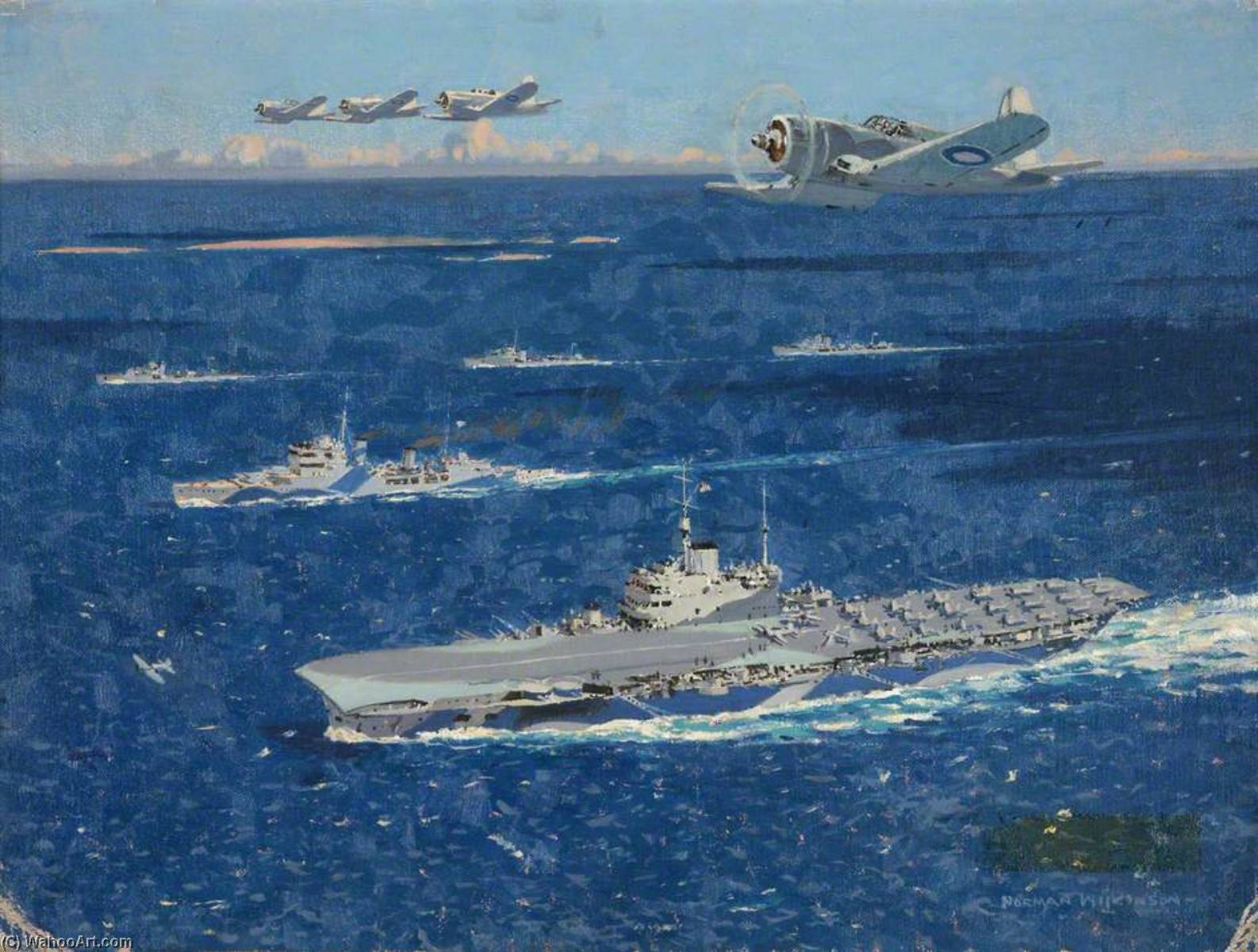
War in Pictures An Aircraft Carrier, A Cruiser and Three Destroyers
 Oil On Canvas
- WallArt
- Academic Realism
 1946
1946 48.0 x 63.0 cm
 The National Archives
 Read More
Giclée / Art Print
Museum-quality giclée or canvas print with fast production and flexible finish options. ( Buy Hand Made Painting Buy Image)




P118B $10

P118H $10

P118W $10

P438Z $10

P508JH $12

P508YH $12

P805H $10

P805Z $10

P919BZ $10

P919G $10

P919XJ $10

P959ZH $10

P968JZ $12

W106C $8

W218G $10

W218JH $8

W218Y $10

W307PJ $10

W316G $10

W316PJ $8

W316Y $10

W398PJ $8

W4111J $10

W500HY $15

W500JH $15

W692G $12

W849H $8

W940BG $15

W953PJ $8




Pick from our preset sizes that match the artwork's original proportions.

You may enter your own dimensions to fit a specific frame or space. If your selected size does not match the original image's proportions, we will either crop the artwork or extend the image with a mirrored or solid-fill edge. A digital mockup will be sent for your approval before production begins.
Please note that the on-screen preview does not reflect the actual cropping or extension. Only the mockup will accurately show the final composition.
While custom sizes are available, we recommend selecting a dimension from the predefined list to preserve the original proportions.
Worldwide Delivery () in 2 weeks instead of standard 4/5 weeks. (29 August)

Free Worldwide Express Shipping

High-Quality Linen Canvas

Full Shipping Insurance

Customs Tax Refund Guarantee

True Color Matching Guarantee

60-Day Return Policy (Defects Only)

100% Money-Back Guarantee

Bulk Discount Offer
 Glass option is only available in size under 110 CM

War in Pictures An Aircraft Carrier, A Cruiser and Three Destroyers
Giclée / Art Print
Reproduction Size
-


Total Price
$ 63
The Roar of Modern Conflict: A Maritime Tableau
Norman Wilkinson’s War in Pictures An Aircraft Carrier, A Cruiser and Three Destroyers is not merely a depiction of naval might; it is a visceral plunge into the heart of 20th-century conflict. Painted in 1946, this work captures the immense scale and terrifying dynamism of wartime ocean warfare. One gazes upon a scene teeming with mechanical power—the imposing silhouettes of aircraft carriers dominating the horizon alongside cruisers and multiple destroyers. The air itself seems thick with action, punctuated by the presence of airplanes streaking across the canvas, suggesting immediate danger and relentless movement. Wilkinson masterfully composes this chaos, guiding the viewer's eye across a spectrum of naval hardware, from the massive decks of the carriers to the nimble forms of the smaller escorts.
Mastery of Light and Atmosphere
Wilkinson’s technical prowess shines through in his handling of light. The painting possesses an almost palpable sense of atmosphere—the spray kicked up by passing hulls, the glint off wet steel, and the diffused light reflecting off the vast expanse of the sea. His technique allows the viewer to feel the salt spray and hear the distant thrum of engines. It is a study in contrasts: the rigid geometry of military machinery set against the fluid, unpredictable nature of the ocean. This attention to atmospheric detail elevates the piece beyond mere illustration; it becomes a grand, sweeping narrative painted with oils that seem to capture moments suspended just before impact.
Historical Echoes and Artistic Purpose
Given Wilkinson’s own deep involvement in maritime subjects and his documented work concerning wartime camouflage, this painting carries the weight of historical memory. Created shortly after the conclusion of global conflict, it serves as both a commemoration and perhaps a cautionary tableau. The inclusion of human figures within such an overwhelming display of machinery suggests the enduring element of human experience amidst technological brutality. It forces the observer to confront the intersection of human ambition, industrial power, and the devastating reality of armed conflict.
A Statement for the Modern Collector
For the collector or designer seeking a piece with profound narrative depth, this reproduction offers immediate visual drama. The scale (48 x 63 cm) allows the complexity of the scene to breathe while remaining impactful in any grand hall or study. It speaks to themes of endurance, technological evolution, and the sublime power of nature juxtaposed against human endeavor. Owning this work is acquiring a piece of art history—a vibrant, emotionally charged testament to an era that irrevocably changed the course of modern warfare.
Related Artworks
Artist Biography
A Life Immersed in Maritime Light: The Story of Norman Wilkinson
Norman Francis Wilkinson, born in Cambridge in 1878 and passing away in 1971, was far more than simply a marine painter; he was a polymath of the visual arts, seamlessly blending evocative landscapes with groundbreaking contributions to wartime camouflage. His life story is one of dedication to capturing the beauty and power of the sea, interwoven with a remarkable capacity for innovation born from necessity during times of global conflict. Wilkinson’s early artistic inclinations led him to study at Berkhamsted School and St Paul's Cathedral Choir School, followed by formal training in Paris and at Southsea School of Art where he would later become an instructor. This foundation instilled in him not only technical skill but also a deep appreciation for the nuances of light and atmosphere – qualities that would define his signature style. Initially working as an illustrator for publications like *The Illustrated London News*, Wilkinson quickly established himself as a talented observer, honing his ability to translate scenes onto paper with precision and grace. However, it was his fascination with ships and the ocean that truly ignited his artistic passion, leading him down a path of dedicated marine painting. Even before his wartime endeavors, he achieved recognition for a commission to create paintings destined for the smoking rooms of the ill-fated *Titanic* and her sister ship, the *Olympic*, showcasing his ability to capture both grandeur and tranquility in equal measure.From Seascapes to Subterfuge: The Birth of Dazzle Camouflage
The outbreak of World War I dramatically altered the course of Wilkinson’s career, though not by abandoning his artistic pursuits but by redirecting them towards a vital national need. Recognizing the limitations of traditional naval camouflage – attempts to render ships invisible proved futile – Wilkinson conceived a radical alternative: dazzle painting. This wasn't about concealment; it was about *confusion*. He theorized that disrupting the visual lines of a vessel with bold, geometric patterns would make it difficult for enemy submarines to accurately estimate its speed, range, and direction. The resulting designs were striking, almost abstract compositions – a far cry from his earlier realistic seascapes. Wilkinson personally presented his ideas to the Admiralty in 1916, and they were swiftly adopted. He oversaw the implementation of dazzle camouflage on Allied ships throughout the war, becoming known as “the man who painted the ships.” This innovative technique, while debated for its effectiveness, undoubtedly contributed to the psychological disruption of enemy forces and remains a fascinating example of art serving a practical purpose during wartime. It’s a testament to Wilkinson's ingenuity that he could apply his artistic sensibilities to solve complex military problems.A Diverse Portfolio: Beyond Camouflage and Seascapes
While Dazzle Painting secured Wilkinson’s place in history, it represents only one facet of his multifaceted talent. Following the war, he returned to his passion for marine painting with renewed vigor, traveling extensively throughout Europe, the Mediterranean, and the Americas to capture diverse coastal scenes. His paintings from this period are characterized by a masterful use of light and color, evoking the atmosphere and mood of each location with remarkable sensitivity. Beyond seascapes, Wilkinson also made significant contributions to travel poster art, creating over 100 designs for the London, Midland and Scottish Railway (LMS) during the interwar years. These posters weren’t merely advertisements; they were vibrant celebrations of British landscapes and destinations, skillfully blending realism with a sense of romantic allure. He organized commissions from fellow Royal Academy members, elevating the standard of railway poster design and contributing to a golden age of travel promotion. During World War II, Wilkinson once again offered his expertise to the war effort, serving as Inspector of Camouflage for the Royal Air Force and achieving the honorary rank of Air Commodore.Legacy and Influence: A Lasting Impression on Art and Innovation
Norman Wilkinson’s impact extends far beyond the canvas. His invention of dazzle camouflage not only influenced naval strategy during both World Wars but also paved the way for modern camouflage techniques used today. His paintings continue to be celebrated for their technical brilliance, atmospheric depth, and evocative power, capturing the timeless beauty of the sea and the vessels that navigate it. He was a President of the Royal Institute of Painters in Watercolours from 1936-1963, further solidifying his position as a leading figure in the British art world. His ability to seamlessly transition between artistic expression and practical application is perhaps his most enduring legacy – a reminder that creativity can flourish even amidst the challenges of conflict. Wilkinson’s work continues to inspire artists, designers, and historians alike, demonstrating the lasting power of vision, innovation, and a deep connection to the natural world. His paintings are held in major collections including the National Maritime Museum, Imperial War Museum and National Railway Museum, ensuring his artistic contributions will be appreciated for generations to come.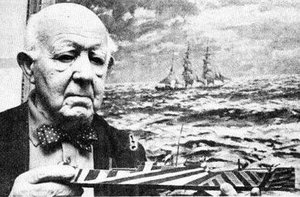
norman wilkinson
1878 - 1971
Quick Facts
- Artistic Movement Or Style: Marine painting, Camouflage
- Artists Who Influenced This Artist: ['Louis Grier']
- Date Of Birth: 1878
- Date Of Death: 1971
- Full Name: Norman Wilkinson
- Nationality: British
- Notable Artworks:
- A Destroyer Sinking a Submarine
- Hilary
- MT Boat P1107
- Place Of Birth: Cambridge, UK
Related Articles

The Enduring Legacy of Oil on Canvas: Technique, History & Aesthetic Impact
Explore the rich history & techniques of oil painting – from Renaissance masters to Impressionism. Discover pigments, layering methods, and why this timeless medium endures. Expert insights for artists & art enthusiasts.

Oil on Canvas: A Historical & Technical Exploration of a Timeless Artistic Medium
Explore the rich history & enduring techniques of oil painting on canvas. Discover the science behind its longevity, conservation practices, and contemporary relevance. Expert insights for art enthusiasts.

The Enduring Power of Painting: A Historical & Contemporary Exploration of Form and Emotion
Explore the rich history & enduring techniques of oil painting with ArtsDot. Discover masterpieces, learn about art collecting, and find authentic handmade reproductions crafted by skilled artists.

The Enduring Legacy of Oil on Canvas: Technique, History & Contemporary Practice
Explore the rich history & enduring techniques of oil painting on canvas. Discover the science behind its longevity, conservation practices, and contemporary relevance. Expert insights for art enthusiasts.
Oil on Board Masters: 10 Paintings That Redefined Art | ArtsDot
Explore 10 legendary 'Oil on Board' masterpieces by Van Gogh, Monet & more! Discover art history, iconic styles like Impressionism, and find museum-quality reproductions to elevate your home decor. Explore the full collection online at ArtsDot.com.