 Preview
 Send
Send Share
Share
 Details

 Download
 Similars
 X-Ray
X-Ray Diaporama
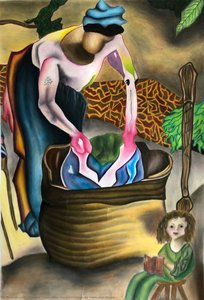
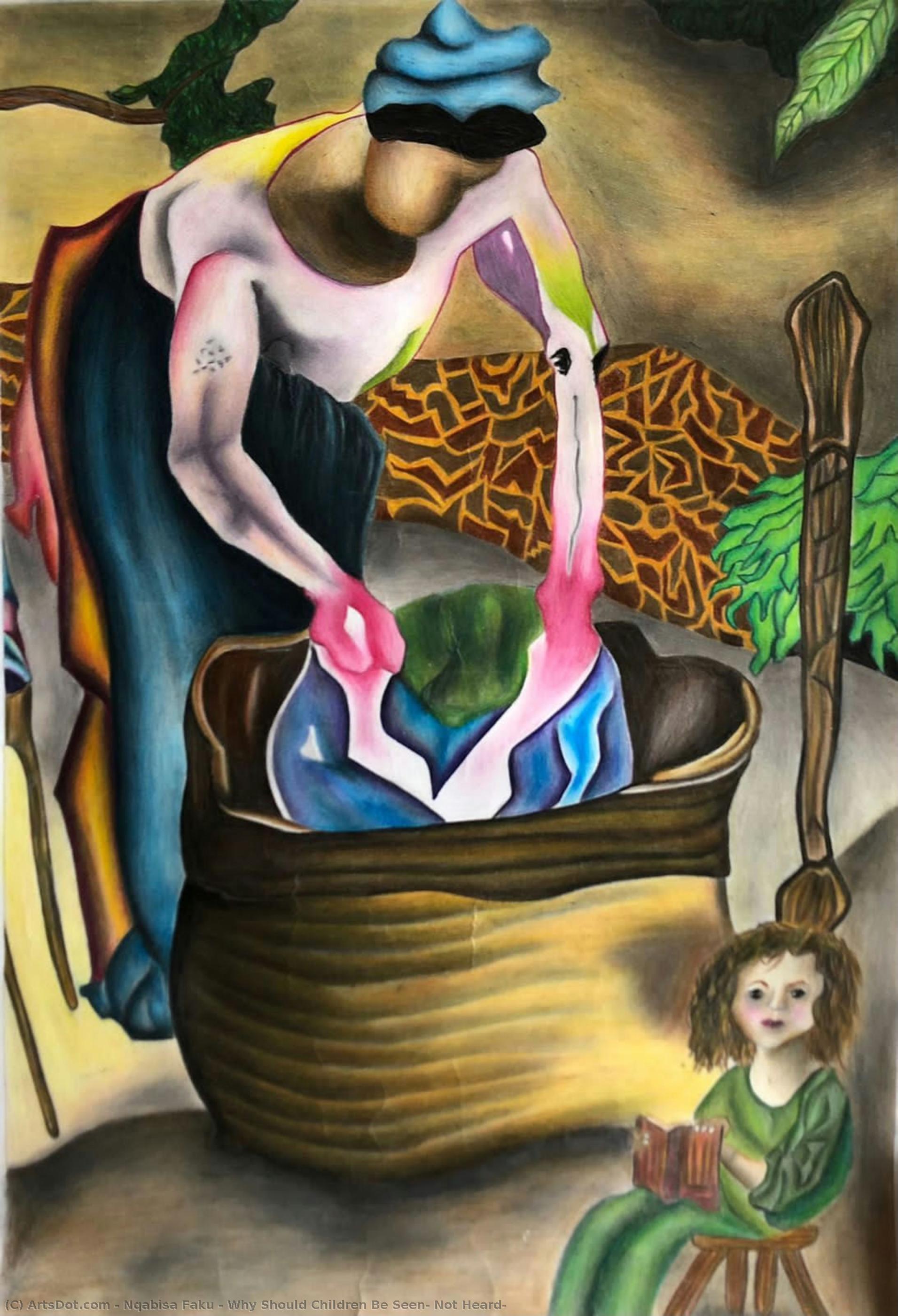
Why Should Children Be Seen, Not Heard?


 Read More
Giclée / Art Print
Museum-quality giclée or canvas print with fast production and flexible finish options. ( Buy Hand Made Painting Buy Image)




































Pick from our preset sizes that match the artwork's original proportions.

You may enter your own dimensions to fit a specific frame or space. If your selected size does not match the original image's proportions, we will either crop the artwork or extend the image with a mirrored or solid-fill edge. A digital mockup will be sent for your approval before production begins.
Please note that the on-screen preview does not reflect the actual cropping or extension. Only the mockup will accurately show the final composition.
While custom sizes are available, we recommend selecting a dimension from the predefined list to preserve the original proportions.
Worldwide Delivery () in 2 weeks instead of standard 4/5 weeks. (22 August)

Free Worldwide Express Shipping

High-Quality Linen Canvas

Full Shipping Insurance

Customs Tax Refund Guarantee

True Color Matching Guarantee

60-Day Return Policy (Defects Only)

100% Money-Back Guarantee

Bulk Discount Offer
 Glass option is only available in size under 110 CM

Why Should Children Be Seen, Not Heard?
Giclée / Art Print
Reproduction Size
-


Total Price
$ 63
Collectible Description
Related Artworks








Artist Biography
Nqabisa Faku: Bridging Spirituality and Artistic Expression
Nqabisa Faku is a South African artist whose work delves into profound themes of spirituality, identity, and cultural heritage—a journey marked by intellectual rigor and artistic sensitivity. Born in Johannesburg, she possesses a formidable grounding in psychology from the University of Cape Town, informing her approach to crafting narratives that resonate with both personal introspection and broader societal concerns. This academic foundation seamlessly blends with her creative pursuits, resulting in artworks that are not merely aesthetically pleasing but intellectually stimulating.- Early Life & Education: Faku’s formative years instilled a deep appreciation for understanding the human psyche—a perspective she consistently brings to bear on her artistic endeavors.
- Psychological Research & Task-Shifting Mental Health Care: Her doctoral research focused specifically on evaluating the feasibility of utilizing task-shifting strategies within mental health services in South Africa, demonstrating a commitment to addressing critical social challenges through evidence-based practices.
Exploring Themes of Identity and Spirituality
Faku’s artistic vision centers around exploring the intersection between individual experience and collective heritage. Recurring motifs—often imbued with symbolic resonance—reflect her preoccupation with questions of belonging, resilience, and transformation. Her canvases frequently depict landscapes that evoke a sense of sacred space, mirroring her belief in the importance of connecting to ancestral traditions and fostering inner peace.- Notable Artwork: ‘A Spiritual Death by a Difference’ This piece exemplifies Faku's exploration of grief and healing through artistic representation. The artwork utilizes color palettes that convey emotion and symbolism, inviting viewers to contemplate the complexities of loss and renewal.
Influences & Artistic Style
Faku cites influences ranging from African folklore to contemporary philosophical thought—sources that contribute to her distinctive artistic style. Her technique prioritizes layering textures and hues, creating surfaces that are rich in visual detail and imbued with a palpable sense of atmosphere. She skillfully employs color theory to convey mood and emotion, mirroring the psychological insights gained from her academic background.- Technique: Faku’s approach involves meticulous brushwork and careful consideration of compositional balance—elements that underscore her dedication to crafting artworks that communicate profound ideas with grace and precision.
Recognition & Contributions to Contemporary Art
Faku's work has garnered acclaim within the South African art community and beyond. Featured prominently on Google Arts & Culture, showcasing ‘Why Should Children Be Seen, Not Heard?’ alongside her other pieces, underscores her commitment to disseminating artistic expression globally. Her dedication to fostering dialogue about mental health issues—coupled with her unwavering belief in the transformative power of art—solidifies her position as a significant voice within contemporary artistic discourse.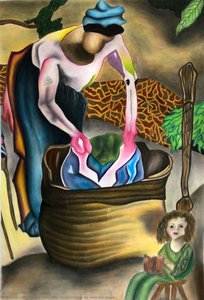
nqabisa faku
South Africa
Quick Facts
- Artistic Movement Or Style: Contemporary Art
- Full Name: Nqabisa Faku
- Nationality: South African
- Notable Artworks:
- A Spiritual Death by a Difference
- Why Should Children Be Seen, Not Heard?
- Place Of Birth: Johannesburg, South Africa