 Preview
 Send
Send Share
Share
 Details

 Download
 Similars
 X-Ray
X-Ray Diaporama
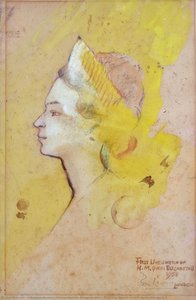
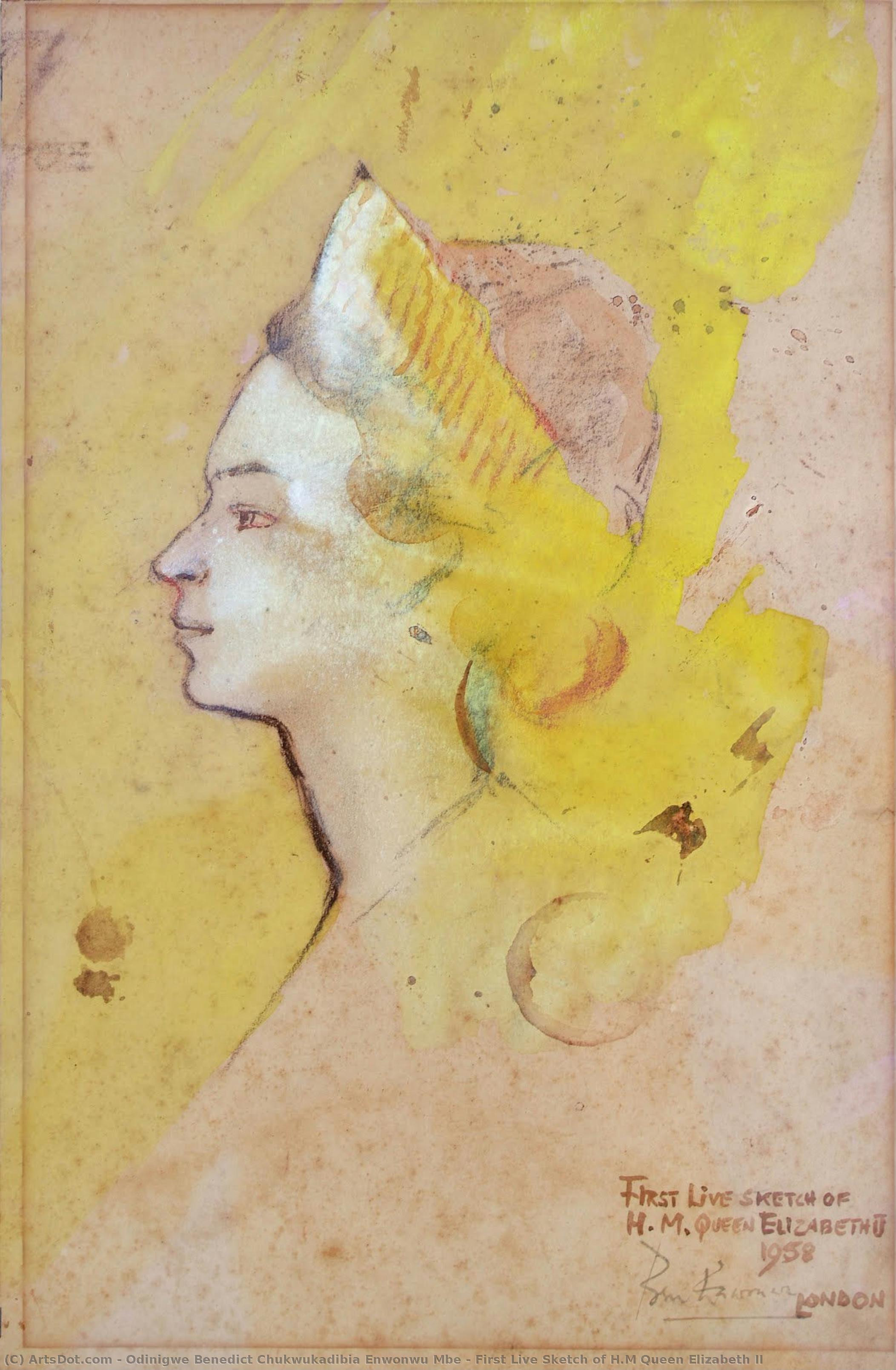
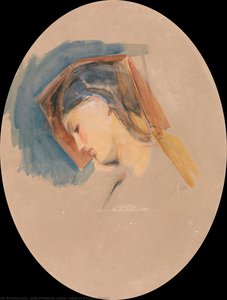
First Live Sketch of H.M Queen Elizabeth II
 Watercolor
- WallArt
- Contemporary Realism
 1958
1958- Modern
 38.0 x 23.0 cm
 Yemisi Shyllon Museum of Art
 Read More
Giclée / Art Print
Museum-quality giclée or canvas print with fast production and flexible finish options. ( Buy Hand Made Painting Buy Image)




P118B $10

P118H $10

P118W $10

P438Z $10

P508JH $12

P508YH $12

P805H $10

P805Z $10

P919BZ $10

P919G $10

P919XJ $10

P959ZH $10

P968JZ $12

W106C $8

W218G $10

W218JH $8

W218Y $10

W307PJ $10

W316G $10

W316PJ $8

W316Y $10

W398PJ $8

W4111J $10

W500HY $15

W500JH $15

W692G $12

W849H $8

W940BG $15

W953PJ $8




Pick from our preset sizes that match the artwork's original proportions.

You may enter your own dimensions to fit a specific frame or space. If your selected size does not match the original image's proportions, we will either crop the artwork or extend the image with a mirrored or solid-fill edge. A digital mockup will be sent for your approval before production begins.
Please note that the on-screen preview does not reflect the actual cropping or extension. Only the mockup will accurately show the final composition.
While custom sizes are available, we recommend selecting a dimension from the predefined list to preserve the original proportions.
Worldwide Delivery () in 2 weeks instead of standard 4/5 weeks. (29 August)

Free Worldwide Express Shipping

High-Quality Linen Canvas

Full Shipping Insurance

Customs Tax Refund Guarantee

True Color Matching Guarantee

60-Day Return Policy (Defects Only)

100% Money-Back Guarantee

Bulk Discount Offer
 Glass option is only available in size under 110 CM

First Live Sketch of H.M Queen Elizabeth II
Giclée / Art Print
Reproduction Size
-


Total Price
$ 63
A Royal Encounter Captured in Graphite and Wash
In the annals of twentieth-century art, few moments possess the historical weight and cultural significance found in Ben Enwonwu’s 1958 study of Her Majesty Queen Elizabeth II. This evocative piece, a delicate evolution from his first live sketches, serves as more than just a portrait; it is a visual bridge between two worlds. Created during a period of profound transition for both Nigeria and Britain, the artwork captures the very essence of a royal encounter that would redefine the global standing of African modernism. As the Queen sat for Enwonly in 1956 to commemorate her visit to Nigeria, the artist was not merely recording a likeness, but documenting a historic diplomatic embrace through the intimate medium of watercolor and pencil.
The artwork presents a breathtakingly intimate profile, rendered with the spontaneous energy of a live drawing. There is an exquisite tension between the formal subject matter—a reigning monarch—and the raw, unfinished quality of the execution. Enwonwu utilizes loose, gestural lines to trace the contours of the Queen’s face and hair, allowing the graphite to breathe against the aged, warm tones of the paper. The watercolor washes are applied with a masterful lightness, creating soft, organic shapes that suggest form without the need for heavy, suffocating detail. This technique imbues the portrait with a sense of immediacy, as if the viewer is witnessing a fleeting, private moment caught in the artist's quickened breath.
The Mastery of African Modernism
To behold this piece is to witness the technical brilliance of Odinigwe Benedict Chukwukadibia Enwonwu Mbe at the height of his creative powers. As a pioneer of African Modernism, Enwonwu possessed the rare ability to synthesize traditional Igbo sensibilities with the sophisticated techniques of Western academic realism. In this specific work, we see his philosophy of "concept and vision" manifest through meticulous preparation. While the final bronze sculpture of the Queen was a feat of monumental strength, this 1958 painting reveals the delicate intellectual labor behind it—the way he used light, shadow, and subtle ochre tones to build a psychological depth that transcends mere representation.
For the discerning collector or interior designer, this reproduction offers a profound sense of historical prestige and understated elegance. The muted palette of yellows, browns, and sepia tones allows the piece to integrate seamlessly into sophisticated, curated spaces, providing a focal point that invites quiet contemplation. It does not demand attention through loud colors, but rather commands it through its soulful presence and the weight of its story. Owning a piece that celebrates such a pivotal moment in art history—the moment an African master received the royal seal of recognition—is an opportunity to possess a fragment of a legacy that continues to inspire the global art community.
Related Artworks

Artist Biography
Odinigwe Benedict Chukwukadibia Enwonwu Mbe: A Pioneer of African Modernism
Born in Onitsha, Nigeria, in 1917, Ben Enwonwu stands as a monumental figure in the history of African art. More than simply a painter and sculptor, he was a bridge between traditional Igbo artistic practices and the burgeoning modern world, forging a unique visual language that continues to resonate today. His career, spanning over five decades, wasn’t merely one of individual achievement; it was instrumental in paving the way for an entire generation of African artists to embrace their cultural heritage while engaging with global artistic trends. Enwonwu's life and work are inextricably linked to his upbringing – a childhood steeped in both the vibrant rhythms of Igbo culture and the evolving landscape of colonial Nigeria.
Enwonwu’s early years were profoundly shaped by his father, Omenka Odigwe Emeka Enwonwu, a respected craftsman and member of the Onitsha Council of Chiefs. His father's skill as a traditional sculptor – creating intricate staffs, ceremonial stools, and evocative religious imagery – ignited within young Ben a deep appreciation for the rich artistic traditions of his people. This inheritance wasn’t simply about replicating established forms; it was about understanding the symbolic language embedded within each piece, the stories they told, and the spiritual significance they held. Simultaneously, Enwonwu's mother, Chinyelugo Iyom Nweze, a successful cloth merchant, instilled in him a keen eye for color, pattern, and design – qualities that would later become hallmarks of his distinctive style.
Formal artistic training began at Government College, Ibadan, in 1933, followed by Government College Umuahia in 1937. Under the guidance of Kenneth C. Murray, a British art educator deeply invested in fostering indigenous talent, Enwonwu received a rigorous education encompassing both European techniques and an exploration of Nigerian artistic traditions. Murray’s influence was transformative; he introduced Enwonwu to the history of Western art while simultaneously encouraging him to draw upon his own cultural roots. This dual approach – embracing modernity while honoring heritage – became the defining characteristic of Enwonwu's artistic philosophy.
The Formation of a Unique Style
Enwonwu’s artistic style is immediately recognizable, a captivating blend of African and European influences. He wasn’t simply replicating traditional motifs; he was reimagining them through a distinctly modern lens. His paintings are characterized by bold colors, dynamic compositions, and a remarkable sense of movement – often capturing the energy of dance or celebration. He frequently depicted scenes from Nigerian life, portraying everyday rituals, ceremonies, and portraits with an arresting immediacy. The influence of European Modernism is evident in his use of flattened perspectives, simplified forms, and a focus on expressive color, but these elements are always filtered through an African sensibility.
His sculptural work similarly reflects this synthesis. He skillfully combined traditional Igbo carving techniques – the precise manipulation of wood and the incorporation of symbolic motifs – with innovative approaches to form and space. His sculptures aren’t static representations; they possess a palpable sense of vitality, conveying emotion and narrative through their dynamic poses and expressive gestures.
Notable Works and Recognition
Several works stand as particularly compelling examples of Enwonwu's artistic vision. “Ogolo” (1947), depicting a young woman in vibrant colors, is considered one of his early masterpieces, showcasing the burgeoning influence of European Modernism while retaining a distinctly African aesthetic. "Ijo (Africa Dances)" (1952) captures the joyous energy of traditional dance rituals with remarkable dynamism and color. “Celebration” (1970), a large-scale painting depicting a celebratory gathering, exemplifies his ability to convey complex social and cultural themes through visual imagery. These works, now held in prestigious collections such as the Yemisi Shyllon Museum of Art in Lagos, Nigeria, serve as enduring testaments to his artistic legacy.
Enwonwu’s international recognition was significant. He exhibited extensively throughout Europe and the United States, gaining acclaim from leading art critics and collectors. His work was featured at prestigious venues like the British Council and the United Nations, solidifying his position as a major figure on the global art scene. In 1954, he received the British Empire Medal (MBE) for his contributions to art and culture, further cementing his status as a national hero in Nigeria.
Legacy and Influence
Ben Enwonwu’s legacy extends far beyond his own artistic achievements. He played a crucial role in challenging Western perceptions of Africa and its people, presenting a vibrant and complex cultural landscape through his art. He demonstrated that African art wasn't simply primitive or exotic; it was sophisticated, expressive, and capable of engaging with the most contemporary artistic trends. His work inspired generations of African artists to explore their own cultural heritage and express themselves authentically.
The Ben Enwonwu Foundation (BEF), established in 1984, continues his mission of promoting art in Africa and preserving his legacy. The foundation supports emerging artists, organizes exhibitions, and conducts research into Enwonwu’s work and its historical context. His influence can be seen in the work of countless contemporary African artists who are building upon his pioneering vision.
Further Exploration
To delve deeper into the life and work of Ben Enwonwu, consider exploring these resources:
- The Dancer: /en/art/odinigwe-benedict-chukwukadibia-enwonwu-mbe-the-dancer-D763CN-en/
- Ben Enwonwu: 17 Facts You Need to Know About One of Africa’s Most Important Artists: https://artsandculture.google.com/story/ben-enwonwu-17-facts-you-need-to-know-about-one-of-africa-39-s-most-important-artists-yemisi-shyllon-museum-of-art/bAVRigP82UhEKw?hl=en
- odinigwe benedict chukwukadibia enwonwu mbe: /en/artists/odinigwe-benedict-chukwukadibia-enwonwu-mbe-en/
ArtsDot.com is proud to offer hand-painted reproductions of Ben Enwonwu’s iconic works, allowing you to experience the beauty and power of his art in a truly authentic way.
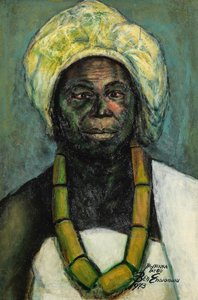
odinigwe benedict chukwukadibia enwonwu mbe
1917 - 1994 , Nigeria
Quick Facts
- Artistic Movement Or Style: African Modernism
- Artists Or Movements Influenced By This Artist: ['Negritude']
- Artists Who Influenced This Artist: ['Kenneth C. Murray']
- Date Of Birth: July 14, 1917
- Date Of Death: February 5, 1994
- Full Name: Odinigwe Benedict Chukwukadibia Enwonwu MBE
- Nationality: Nigerian
- Notable Artworks:
- Ogolo
- Ijo (Africa Dances)
- Celebration
- Place Of Birth: Onitsha, Nigeria
Related Articles
John Francis Sartorius II: Equestrian Elegance & the Rise of British Portraiture
Explore the captivating world of Francis Sartorius II (1734-1804), a leading British painter renowned for his exquisite equestrian portraits and hunting scenes. Discover his life, techniques & enduring legacy.
The Majesty of Representation: Exploring Regal Imagery in Art History
Explore the captivating history of royal portraiture with ArtsDot. Discover the symbolism, artistry, and enduring legacy of regal imagery in art. Expert insights for collectors & enthusiasts.
Sir Francis Grant: Portraiture, Patronage & Victorian Society
Explore the life & work of Sir Francis Grant, a leading Victorian portraitist. Discover his aristocratic clientele, role at the Royal Academy, and enduring artistic legacy. Learn about art patronage in 19th-century Britain.
Elizabeth Adela Forbes: A Pioneering Impressionist of the Newlyn School
Explore the life & art of Elizabeth Adela Forbes, a pioneering Impressionist of the Newlyn School. Discover her captivating paintings, unique style, and lasting legacy with ArtsDot.
Roy Lichtenstein's Masterpieces: 25 Iconic Pop Artworks for Your Home | ArtsDot
Explore Roy Lichtenstein's 25 most iconic Pop Art masterpieces! Discover the stories behind 'Drowning Girl', 'Look Mickey' & more. Find museum-quality reproductions and elevate your home decor with ArtsDot. Explore the full collection online.